Last updated: July 19, 2026
This article reflects information available at the time of writing. Check Google Maps for the latest hours and availability.
Introduction
Most shopping districts have a story. Shinsaibashi has four centuries of one. In 1622, a merchant named Shinsai Okada built a 35-metre wooden bridge over the newly excavated Nagahori-gawa canal — and the street that grew up around it never really stopped. As the Shinmachi entertainment quarter to the north and the Dotonbori theatre district to the south grew in popularity, so did the shops lining the streets connected by that bridge. The area became Osaka’s commercial spine, and it has held that position ever since.
What makes Shinsaibashi worth more than a quick walk-through is the layering. With a history of 380 years, it was already an established shopping area in the Edo period — a roofed arcade 600 metres long. Today that same corridor runs past a Vories-designed department store, a moss-covered temple tucked behind a ramen alley, a youth-culture enclave that rewrote Osaka street fashion, and a neon sign that has become one of Japan’s most photographed images. If you want to understand how Osaka became the city it is — commercially restless, proudly populist, always hungry — this is the walk to take. For more on what to eat along the way, check out the best food in Osaka.
This guide covers the eight landmarks that give Shinsaibashi its shape: the physical sites, the historical anchors, and the cultural flashpoints that explain why this strip still draws millions of visitors a year. Lace up comfortable shoes. You’ll be on your feet.
1. Shinsaibashi-suji Shopping Street (心斎橋筋商店街)
- 📍 1 Shinsaibashisuji, Chuo-ku, Osaka 542-0085
- 🕐 Open 24 hours (arcade); individual shops typically 11:00–21:00 (as of May 2026)
- 💰 Free to walk; budget ¥500–¥3,000 depending on what you buy
- 🚃 Shinsaibashi Station (Osaka Metro Midosuji / Nagahori Tsurumi-ryokuchi Lines) — 1 min walk
- 🗺 Open in Google Maps
- 📋 Tabelog
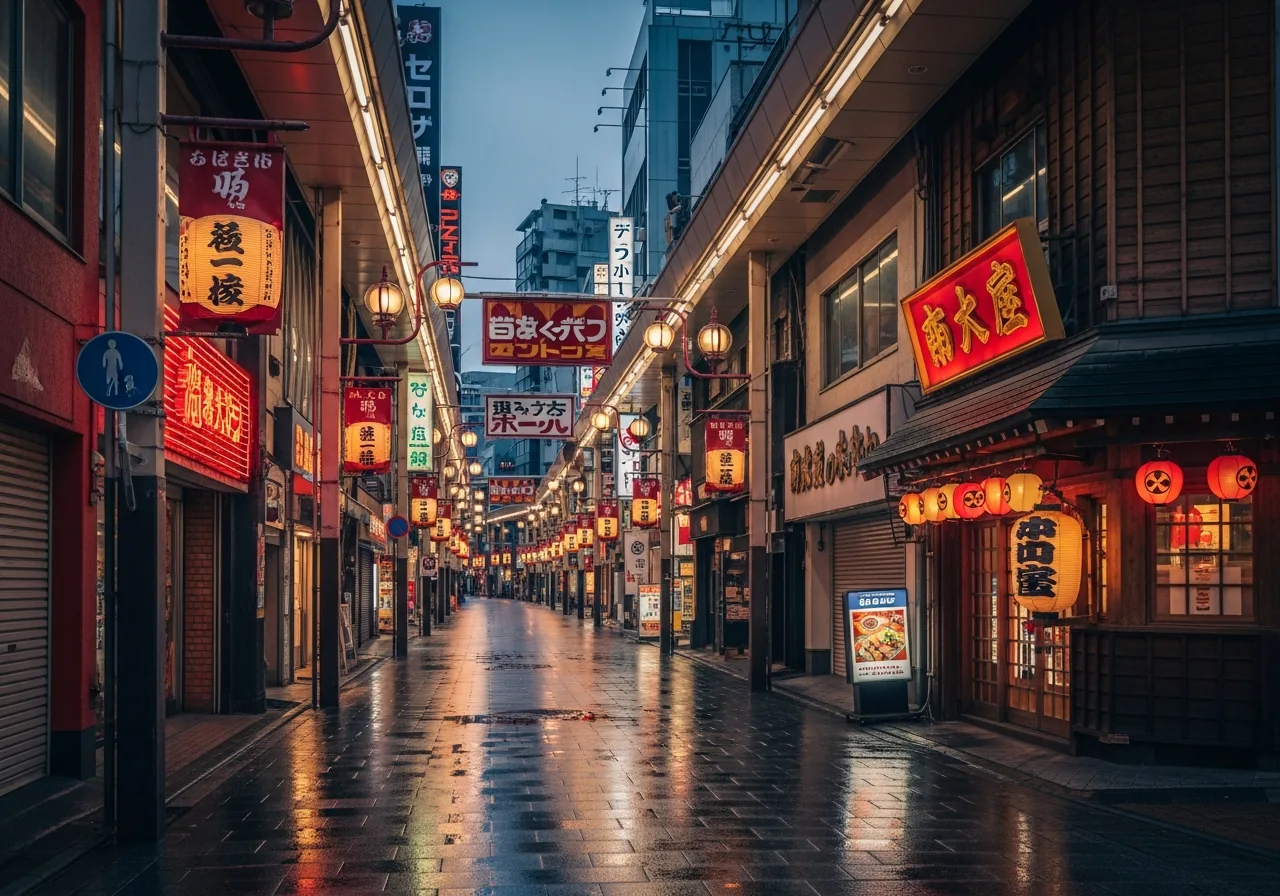
Shinsaibashi-suji is the best-known shopping area in Osaka and an enduring symbol of the city — with a history of 380 years, it was already an established commercial district in the Edo period. The roofed arcade runs 600 metres and lines up traditional kimono tailors alongside western clothing retailers, restaurants, jewellers, and boutiques carrying the latest fashions. Start here to get your bearings, then peel off into the side streets — that’s where the real Shinsaibashi lives.
2. Daimaru Shinsaibashi Store (大丸心斎橋店)
- 📍 1-7-1 Shinsaibashisuji, Chuo-ku, Osaka 542-8501
- 🕐 10:00–20:00 daily (as of May 2026)
- 💰 Free entry; budget ¥1,000–¥50,000+ depending on purchases
- 🚃 Shinsaibashi Station (Osaka Metro Midosuji Line) — 1 min walk (direct underground connection)
- 🗺 Open in Google Maps
- 📋 Tabelog
- 🌐 Official site
Facing Midosuji, Daimaru has been the face of Shinsaibashi for nearly 300 years. In 2019, the main building was rebuilt for the first time in 86 years — the design and materials of the original building, handled by architect William Merrell Vories, were preserved both inside and outside. Over 360 specialty shops are housed in the beautifully restored Vories building. The ornate facade — all terracotta detailing and arched windows — is worth stopping to photograph even if you have zero intention of shopping. The basement food hall alone justifies the detour.
3. Ebisubashi Bridge (戎橋)
- 📍 Ebisubashi, Chuo-ku, Osaka 542-0071 (at the southern end of Shinsaibashi-suji, over the Dotonbori Canal)
- 🕐 Always open (outdoor landmark)
- 💰 Free
- 🚃 Namba Station (Osaka Metro Midosuji Line) — 3 min walk; Shinsaibashi Station — 8 min walk
- 🗺 Open in Google Maps
- 📋 Tabelog
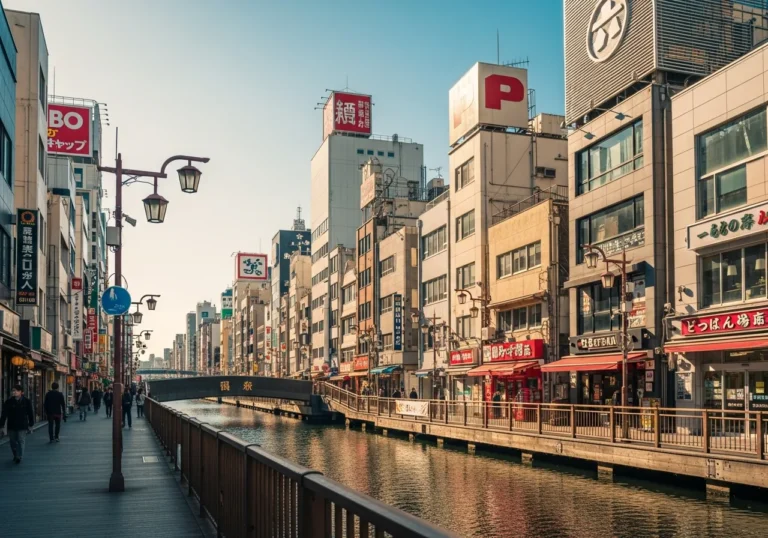
The arcade runs north-south from Shinsaibashi Station down to the famous Ebisubashi bridge in Dotonbori, where you can see the iconic Glico sign. The bridge itself is the southern full stop of the Shinsaibashi corridor — cross it and you’re in Dotonbori. The Dotonbori district sits beside a 400-year-old canal, and the bridge over it is a popular place to take your photo — look out for the Glico Man, the enormous runner that towers over Ebisubashi Bridge and is a famous Osaka landmark. Come at night when the neon reflects off the water. It’s genuinely spectacular.
4. Dotonbori Glico Sign (グリコサイン)
- 📍 Dotonbori 1-chome, Chuo-ku, Osaka 542-0071 (visible from Ebisubashi Bridge)
- 🕐 Always illuminated after dark; best viewed 19:00–23:00
- 💰 Free
- 🚃 Namba Station (Osaka Metro Midosuji Line) — 3 min walk
- 🗺 Open in Google Maps
- 📋 Tabelog
At the Ebisubashi Bridge in Dotonbori, the nearly century-old “Glico Running Man” sign is an iconic landmark of Shinsaibashi that makes for a great photo op. The current sixth-generation sign — updated in 2014 with LED technology — cycles through six different illuminated city backdrops. It has anchored the Dotonbori skyline since 1935 and remains the single most photographed spot in Osaka. At night, the street comes alive with colourful neon lights and flashing billboards that make the whole canal stretch feel like a city that never quite turns off.
5. Amerika-Mura Triangle Park (アメリカ村三角公園)
- 📍 2-11-34 Nishishinsaibashi, Chuo-ku, Osaka 542-0086
- 🕐 Always open (public park)
- 💰 Free
- 🚃 Shinsaibashi Station (Osaka Metro Midosuji Line) — 5 min walk
- 🗺 Open in Google Maps
- 📋 Tabelog
Once a warehouse district selling imported goods, this “American Village” is now a fashionable retail and entertainment area popular with young locals. Triangle Park is its beating heart — a small concrete square that has functioned as a gathering point, a stage for street performers, and a barometer of what Osaka youth culture is doing right now for decades. The surrounding blocks are dense with vintage clothing stores, independent record shops, tattoo parlours, and the kind of ramen-and-coffee hybrid cafes that haven’t made it to Instagram yet. Come on a weekend afternoon when the park fills up.
6. Hozenji Temple and Hozenji Yokocho (法善寺・法善寺横丁)
- 📍 1-2-16 Namba, Chuo-ku, Osaka 542-0076
- 🕐 Temple: always open; Yokocho alley: individual restaurants typically 17:00–23:00
- 💰 Free to enter the temple; dinner in the alley ¥3,000–¥8,000 per person
- 🚃 Namba Station (Osaka Metro Midosuji Line) — 5 min walk
- 🗺 Open in Google Maps
- 📋 Tabelog
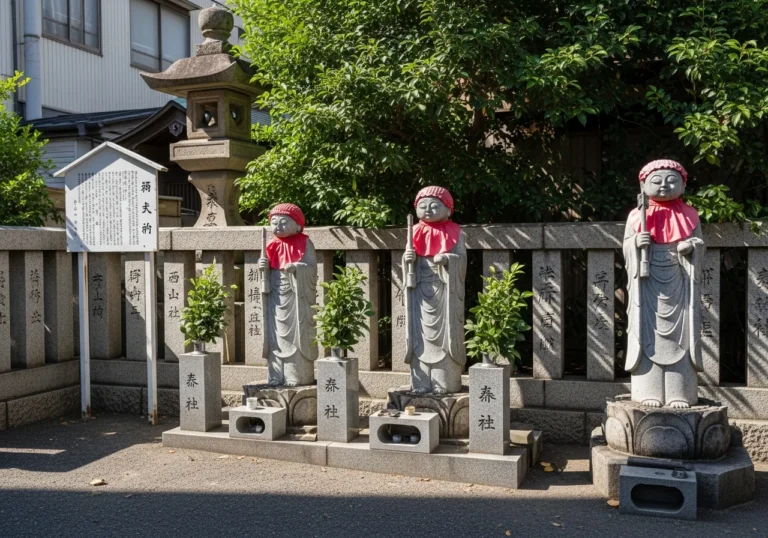
Hozenji Temple is one of the area’s most compelling landmarks — a tiny Buddhist temple whose moss-covered Fudo Myo-o statue is perpetually drenched in water thrown by worshippers. The moss has been growing for decades and gives the statue an otherworldly green glow. The narrow stone alley running alongside it, Hozenji Yokocho, is lined with old-school kappo restaurants and kushikatsu counters that have been feeding Osaka’s night crowd since the postwar era. Two minutes from the Dotonbori chaos, it feels like a different century. To explore more of Osaka beyond the tourist corridor, this alley is one of the best places to start.
7. Crysta Nagahori Underground Shopping Street (クリスタ長堀)
- 📍 1-8-16 Shinsaibashisuji, Chuo-ku, Osaka 542-0082 (underground, beneath Nagahori-dori)
- 🕐 Shops: 11:00–21:00; restaurants: 11:00–22:00 (as of May 2026)
- 💰 Free entry; budget ¥800–¥3,000 for food
- 🚃 Shinsaibashi Station (Osaka Metro Nagahori Tsurumi-ryokuchi Line) — direct underground access
- 🗺 Open in Google Maps
- 📋 Tabelog
Crysta Nagahori is one of Japan’s largest and brightest underground shopping streets, featuring natural lighting for a pleasant shopping experience. That natural light comes from a dramatic glass-ceiling atrium that runs the length of the mall — an architectural trick that makes you forget you’re underground. The street sits directly beneath Nagahori-dori, which was itself built over the old Nagahori-gawa canal — the same waterway that Shinsai Okada bridged in 1622. There’s a pleasing historical loop to walking it. On rainy days, it’s also the most civilised way to move between Shinsaibashi and Nagahori-bashi without getting wet.
8. Kamigata Ukiyo-e Museum (上方浮世絵館)
- 📍 2-7-4 Namba, Chuo-ku, Osaka 542-0076
- 🕐 11:00–18:00; closed Mondays (as of May 2026)
- 💰 ¥500 adults, ¥300 students
- 🚃 Namba Station (Osaka Metro Midosuji Line) — 5 min walk
- 🗺 Open in Google Maps
- 📋 Tabelog
- 🌐 Official site
Most visitors walk straight past this small museum tucked into Hozenji Yokocho, which is their loss. Kamigata ukiyo-e — woodblock prints depicting the actors, sumo wrestlers, and street life of Osaka’s Edo-period entertainment districts — is a distinct tradition from the better-known Edo (Tokyo) school, and this is the only museum in Japan dedicated to it. The rotating collection is modest in size but genuinely absorbing, and the ¥500 entry is one of the best-value cultural stops in the city. The MICHI Osaka travel guide recommends pairing it with a walk through Hozenji Yokocho immediately after.
How to Order
Most of the landmarks in this guide are free outdoor sites or department stores — no tickets, no reservations, just show up. A few practical notes:
- Daimaru Shinsaibashi has a tax-free counter on the basement floor for purchases over ¥5,000. Bring your passport. The process takes about 10 minutes and is well worth it for larger purchases.
- Hozenji Yokocho restaurants are almost entirely counter-seating, cash-preferred, and do not take reservations. Arrive before 18:30 on weekends or expect to queue. Most menus have photos; pointing works fine.
- Kamigata Ukiyo-e Museum sells tickets at the door. No advance booking needed. The audio guide is available in English and adds real context to the prints.
- Amerika-Mura vintage shops are cash-only more often than not. There are ATMs inside the Shinsaibashi-suji arcade and at the 7-Eleven on Midosuji.
- The entire Shinsaibashi corridor is walkable end-to-end in about 20 minutes at a brisk pace — but budget two to three hours if you plan to stop anywhere.
FAQ
Q: Is visiting Shinsaibashi in Osaka expensive?
A: The landmarks themselves are almost entirely free. Walking the arcade, crossing Ebisubashi, photographing the Glico sign, visiting Hozenji Temple — all ¥0. The Kamigata Ukiyo-e Museum charges ¥500. Spending money is entirely optional, though the food options along the way make restraint difficult.
Q: Do the landmarks and shops in Shinsaibashi have English signage?
A: The major sites — Daimaru, Crysta Nagahori, the Glico sign area — have solid English signage and multilingual staff. Hozenji Yokocho restaurants are mostly Japanese-only menus, but photo menus are common and staff are used to pointing tourists in the right direction. The Kamigata Ukiyo-e Museum has English explanatory panels throughout.
Q: When is the best time to visit Shinsaibashi?
A: Weekday mornings (10:00–12:00) are the calmest window for the arcade and Daimaru. The Glico sign and Ebisubashi are best after dark — 20:00 onwards on any night. Amerika-Mura peaks on Saturday and Sunday afternoons when street performers and market stalls fill Triangle Park. Avoid Golden Week (late April to early May) and Obon (mid-August) if crowds are a concern — the arcade becomes genuinely difficult to move through.
Information is accurate as of May 2026. We recommend checking Google Maps for the latest hours and prices before visiting.