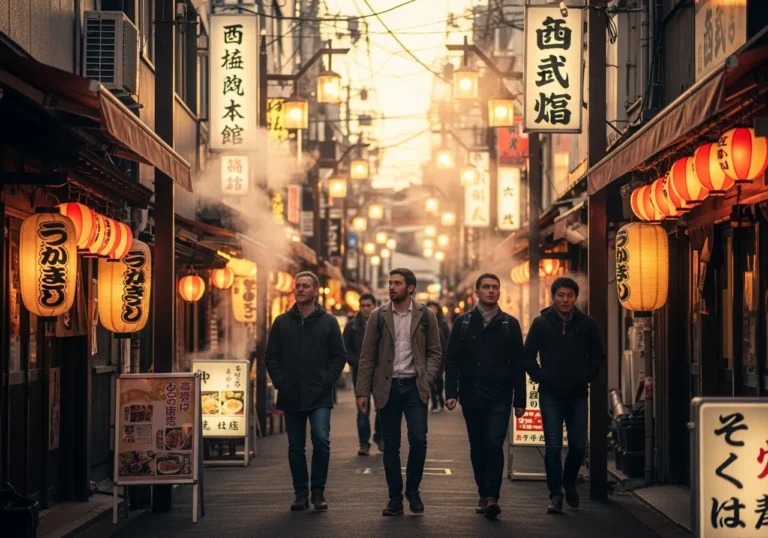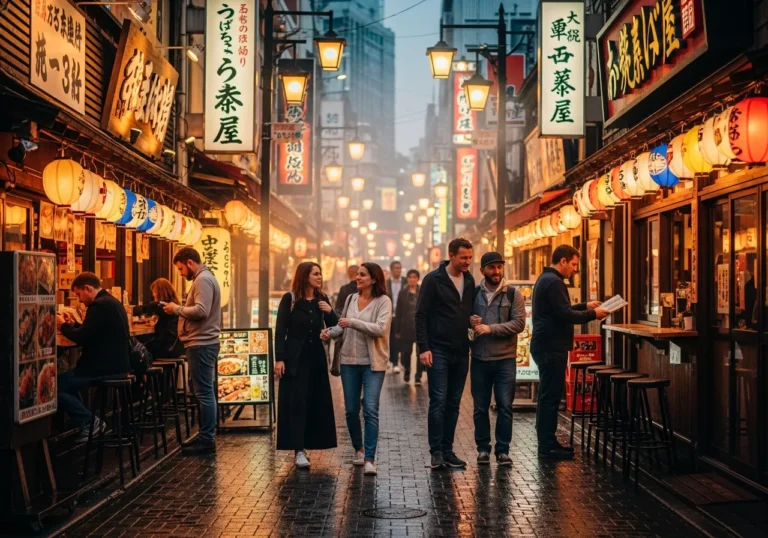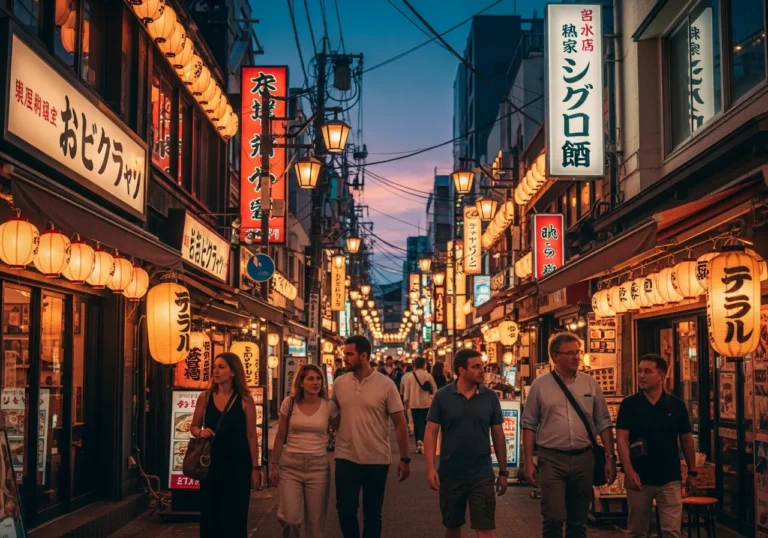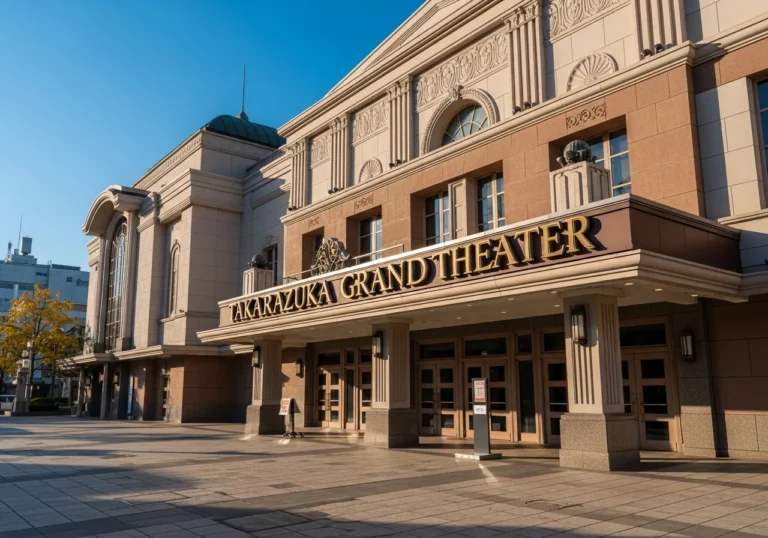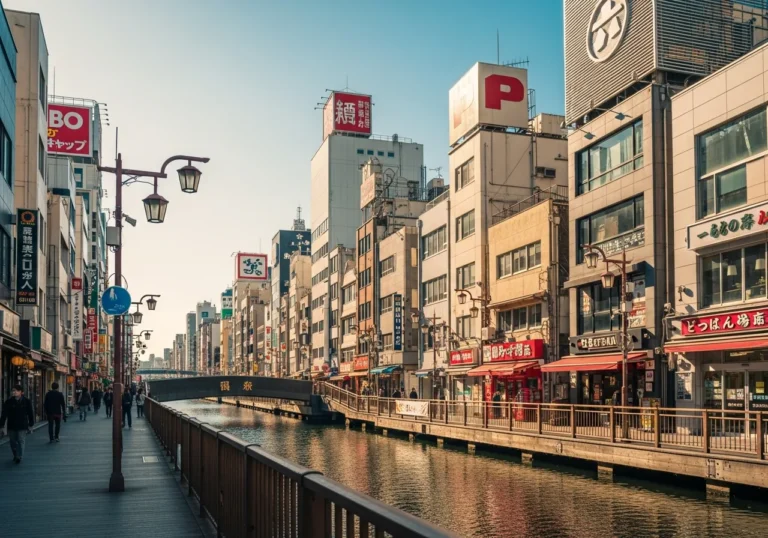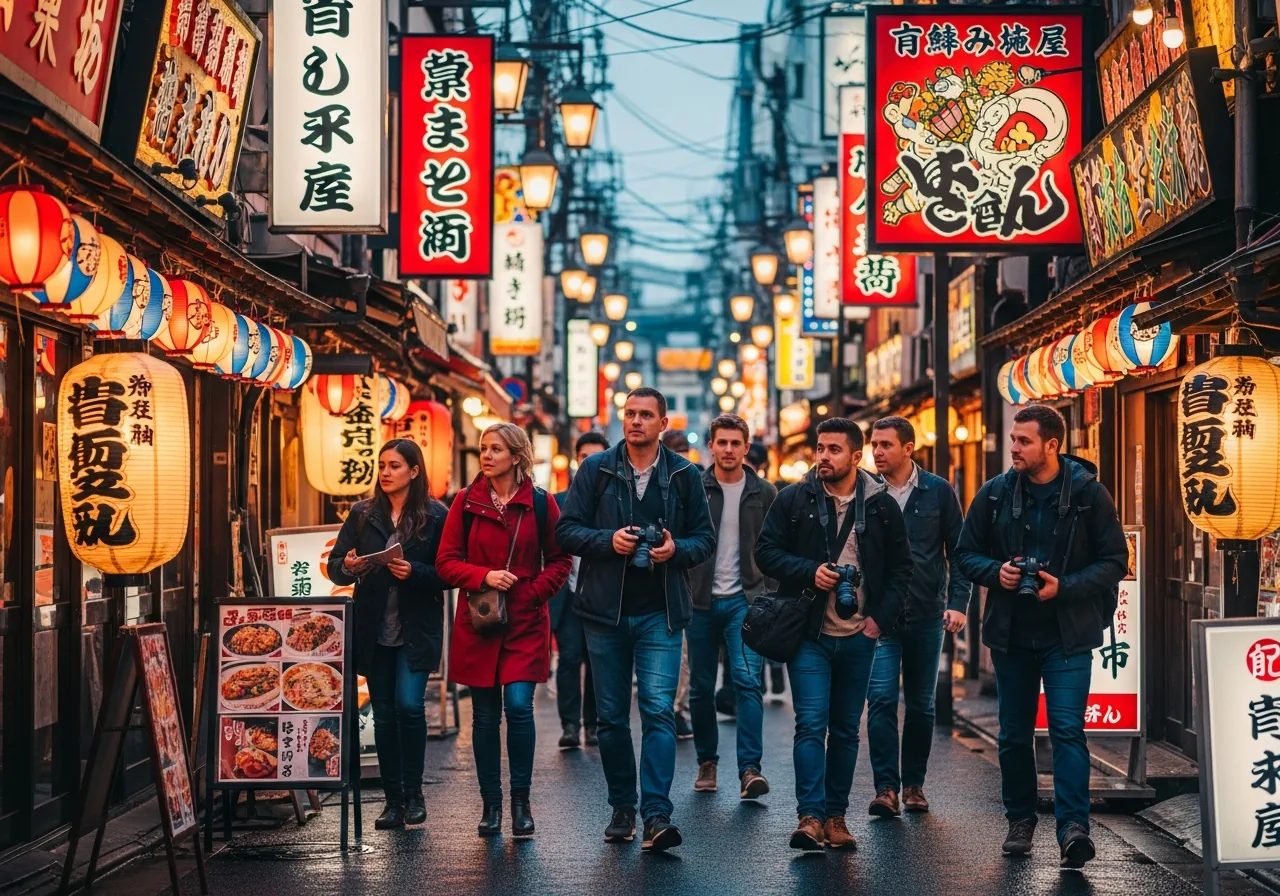
Umeda is Osaka’s beating commercial heart, a district where underground shopping arcades, soaring skyscrapers, and centuries-old drinking culture exist side by side in effortless contradiction. Written by a local team based in Osaka, this guide draws on years of eating and drinking through every alley, basement food hall, and rooftop terrace the area has to offer. Whether you arrive hungry at noon or ravenous at midnight, Umeda’s sheer density of restaurants, bars, and street-food stalls means a great meal is never more than a short walk away. This is not a tourist checklist — it is the handbook locals actually use.
Ramen
Umeda’s ramen scene spans the full spectrum of Japan’s regional styles, from cloudy tonkotsu broths that have simmered for the better part of a day to delicate shio soups that let every ingredient speak for itself. Basement ramen alleys and counter-only shops tucked behind department stores reward the curious diner willing to follow the smell of slow-cooked bones down an unmarked staircase.
Izakaya & Drinking
The izakaya is the social glue of Umeda after dark, and the district offers everything from sprawling multi-floor taverns buzzing with salarymen to intimate six-seat rooms where the owner pours your beer personally. Expect sharing plates of grilled skewers, cold tofu, and pickled vegetables to arrive in an unhurried rhythm designed to keep the conversation — and the drinks — flowing.
Yakitori & Yakiniku
Smoke rising from charcoal grills is one of Umeda’s most reliable sensory landmarks, drifting out of narrow doorways where skewers of chicken, offal, and seasonal vegetables are cooked to order over binchotan. Yakiniku restaurants in the area range from lively group tables loaded with marbled wagyu to quiet solo counters where a skilled grill master tends the coals on your behalf.
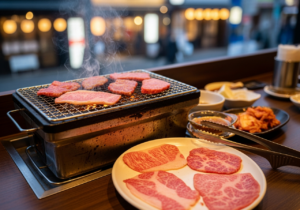 Yakiniku in Fukushima, Osaka: 5 Korean & Japanese BBQ Joints Worth the Walk from Umeda
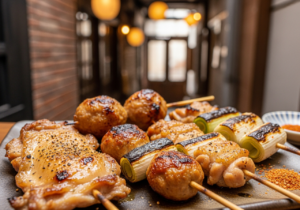 Best Yakitori in Nakazakicho, Osaka: 5 Charcoal-Grilled Spots Near Umeda
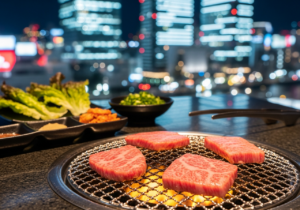 Yakiniku in Umeda, Osaka: 6 Spots for Wagyu, Horumon & Late-Night BBQ
Sushi & Seafood
Proximity to the Seto Inland Sea means the seafood arriving in Umeda’s kitchens each morning is strikingly fresh, and the neighbourhood’s sushi counters take full advantage of that geography. From standing sushi bars where a single piece costs a few hundred yen to omakase rooms where the chef dictates every course, the range of price points is as wide as the selection of fish.
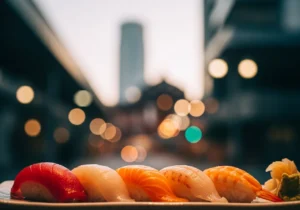 Umeda Kaiten Sushi: Best Conveyor-Belt Spots in Osaka
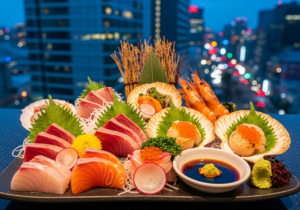 Seafood in Umeda, Osaka: 6 Restaurants for Sashimi, Crab & Seasonal Catches
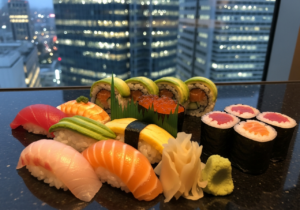 Sushi in Umeda, Osaka: 7 Counters From Standing Sushi to Omakase
Kushikatsu & Okonomiyaki
Kushikatsu — skewered and deep-fried morsels of meat, seafood, and vegetables served with a communal dipping sauce — is one of Osaka’s proudest culinary exports, and Umeda is an excellent place to experience it in its most convivial form. Okonomiyaki, the thick savory pancake loaded with cabbage and toppings, is equally well represented, with options ranging from cook-it-yourself griddle tables to chef-prepared versions finished with a confident flick of the spatula.
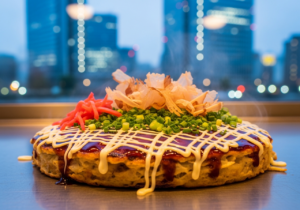 Okonomiyaki in Umeda, Osaka: 5 Spots With Iron-Plate Perfection
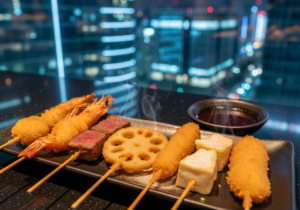 Kushikatsu in Umeda, Osaka: 5 Spots From Casual to Upscale
Cafes & Casual Eats
Umeda’s cafe culture has matured well beyond the standard chain offering, with independent roasters, retro kissaten serving thick toast and canned coffee, and modern all-day brunch spots filling the gaps between the district’s bigger dining destinations. A mid-morning coffee break or a light lunch of sandwiches and seasonal soup is easy to find whether you are in the middle of a shopping run or simply looking for a quiet place to sit.
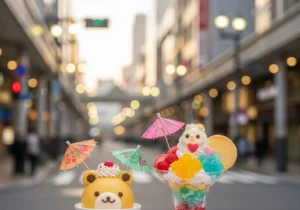 Maid Cafes in Umeda: Themed Cafe Guide in Osaka
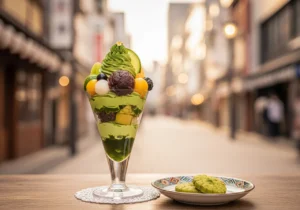 Best Matcha Cafes & Sweets in Umeda, Osaka
 Umeda Brunch Guide: Best Morning Cafes & Weekend Spots
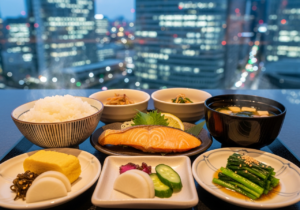 Morning in Umeda: 8 Early Eats Around Osaka Station
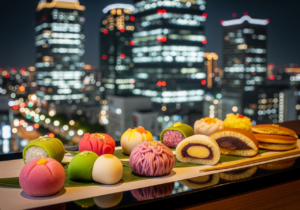 Best Sweets in Umeda, Osaka: 6 Depachika Desserts & Bakery Gems
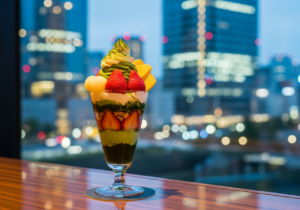 Best Cafes in Umeda, Osaka: 8 Picks for Specialty Coffee & Quiet Corners
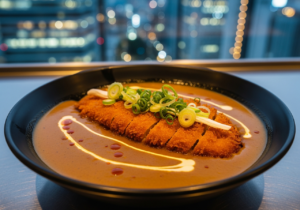 Japanese Curry in Umeda, Osaka: 7 Bowls From Classic to Spice-Forward
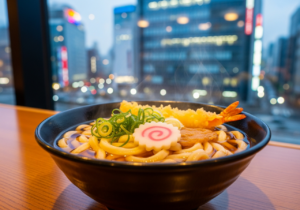 Udon in Umeda, Osaka: 5 Shops for a Quick & Satisfying Bowl
Standing Bars (Tachinomi)
Tachinomi — the art of drinking while standing — is practiced with genuine enthusiasm in Umeda, where tiny bars no bigger than a corridor dispense cold draft beer, highballs, and cheap wine to a cheerful, shoulder-to-shoulder crowd. The format strips away any pretension: you order, you drink, you talk to whoever is next to you, and when you are ready you move on to the next place.
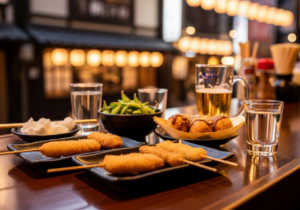
Late Night & Budget Eats
Umeda does not slow down when the last train approaches, and a dependable network of 24-hour ramen counters, gyoza joints, and convenience-store food culture keeps the district fed well into the early hours. Budget-conscious diners will find that some of the most satisfying meals in the area — a bowl of curry rice, a plate of fried chicken, a steaming bowl of udon — cost less than a single cocktail elsewhere.
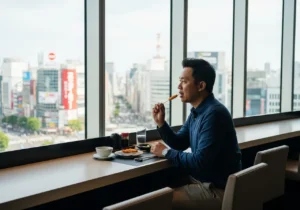 Best Takeaway Food in Umeda: Street Food & To-Go Eats
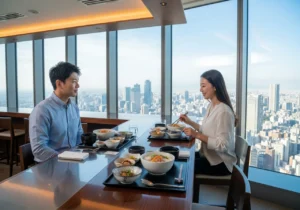 Best Lunch in Umeda: Midday Meals Worth Stopping For
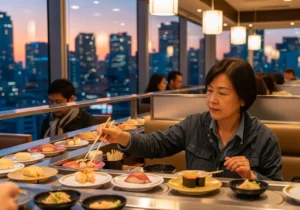 Budget Eats in Umeda: Great Osaka Food Under 1000 Yen
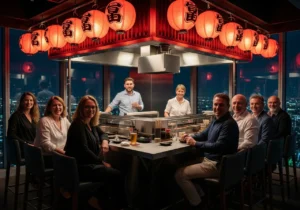 Late-Night Eats in Umeda: Where to Eat After Midnight
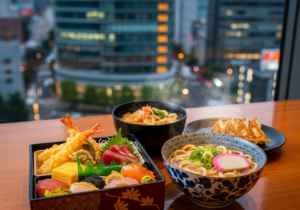 Best Lunch in Umeda, Osaka: 10 Quick & Satisfying Spots Under ¥1,500
Date Night / Solo / Group / Family
Few districts in Japan accommodate such a wide range of dining contexts as Umeda: a candlelit French-Japanese fusion counter is steps away from a boisterous communal yakiniku table, and a quiet family restaurant with picture menus is never far from a sophisticated sake bar built for two. Whether you are eating alone at a counter with a book, celebrating with a large group, or introducing children to Japanese food for the first time, the neighbourhood has a room set for you.
 Group Dining in Umeda: Best Restaurants for 6 or More People
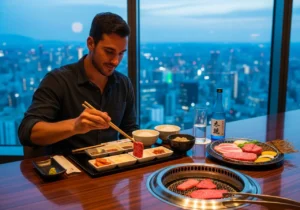 Solo Dining in Umeda: Counter Seats & Solo-Friendly Spots
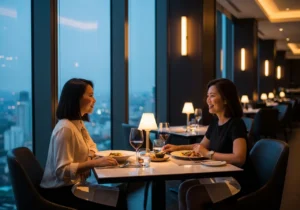 Date-Night Restaurants in Umeda: Romantic Spots for Couples
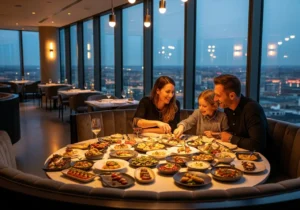 Family-Friendly Restaurants in Umeda for Kids in Osaka
Sake & Japanese Drinks
Sake bars in Umeda take their cellars seriously, offering flights that trace the differences between junmai, ginjo, and daiginjo styles alongside knowledgeable staff who can guide even a first-time drinker through the nuances. Japanese whisky, shochu, craft beer brewed within the Kansai region, and seasonal umeshu all feature prominently on menus that treat domestic drinks with the same reverence a European wine bar reserves for its cellar.
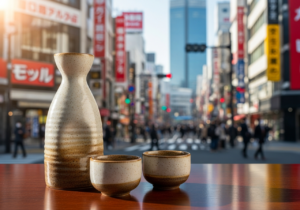 Best Sake Souvenirs in Umeda: Bottles at Hankyu & Hanshin
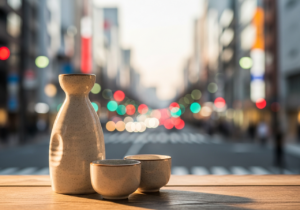 Where to Buy Sake in Umeda: Shops & Department Stores
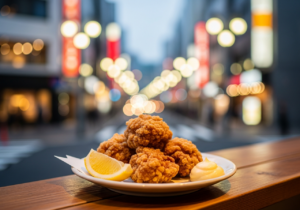 Standing Bars in Umeda: Quick Sake Stops in Kita Osaka
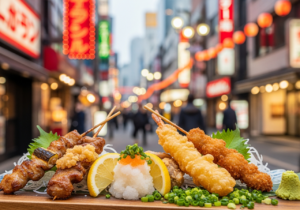 Izakaya in Umeda for Sake: Traditional Pubs in North Osaka
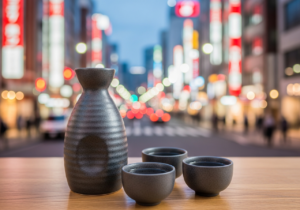 Best Sake Bars in Umeda: Top Spots for Japanese Rice Wine
Halal & Vegan Options
Umeda’s international footfall has pushed a growing number of restaurants to develop genuinely considered halal and plant-based menus rather than token afterthoughts, with dedicated kitchens and clearly labeled ingredients becoming more common each year. Visitors with dietary requirements will find that a little advance research — or a conversation with staff at the right counter — opens up far more of the district’s food scene than might initially be expected.
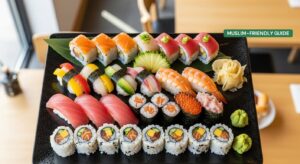 Halal Sushi in Umeda: Muslim-Friendly Counters in Osaka
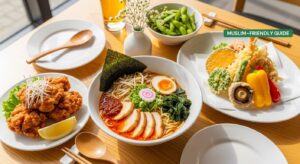 Halal Food Near Umeda Sky Building: Muslim-Friendly Spots
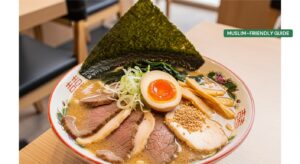 Halal Ramen in Fukushima: Muslim-Friendly Shops Near Umeda
 Vegan Lunch in Umeda: Plant-Based Midday Spots
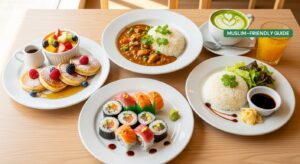 Halal Cafes in Umeda: Muslim-Friendly Coffee and Sweets
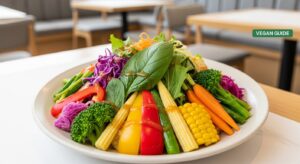 Vegan Restaurants in Umeda and Kita
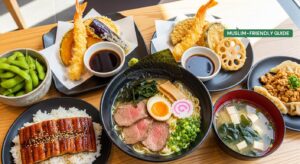 Halal Food in Umeda: Muslim-Friendly Dining in Osaka
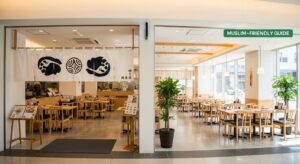 Prayer Rooms in Umeda for Muslim Visitors in Osaka
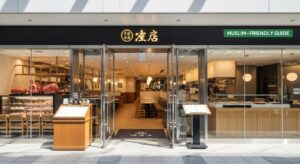 Halal Food in Umeda & Shin-Osaka
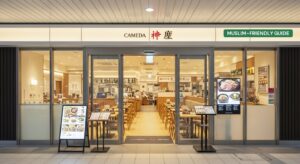 Muslim-Friendly Dining in Umeda, Osaka: Ramen to Moroccan
Hidden Gems & Street Food
The most memorable eating in Umeda often happens in places that resist easy discovery: a takoyaki stall operating from a hatch in a tiled wall, a standing soba counter inside a train station concourse, or a basement okonomiyaki shop whose sign has not been updated since the 1970s. These are the spots that locals return to not because they are fashionable but because the food has been exactly right for decades.
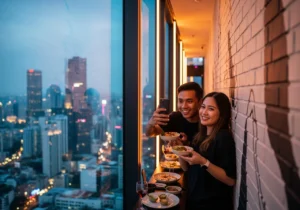 Hidden Gems in Umeda: Local Restaurants Tourists Always Miss
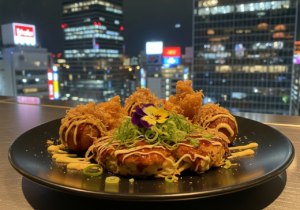 Hidden Eats in Umeda: 5 Gems in the Osaka Station Underground
Getting to Umeda
Umeda is served directly by JR Osaka Station, one of the busiest rail hubs in western Japan, with frequent shinkansen and local connections from across the Kansai region. The Osaka Metro Midosuji, Tanimachi, and Yotsubashi lines all converge at nearby Umeda and Higashi-Umeda stations, making the district straightforward to reach from virtually any point in the city.