Looking for halal food in Umeda, Osaka? You’ll find at least three verified spots within the Umeda Sky Building neighbourhood — a halal-certified wagyu gyukatsu specialist, a Moroccan-owned halal kitchen, and a halal wagyu ramen shop with an on-site prayer room — covering Japanese, North African, and noodle cravings. Check our Osaka halal guide for the wider city picture.
MICHI’s Pick — Selected by our Osaka-based team, based on places we’ve visited and on research using Tabelog and Google Maps ratings. In Japan, a Tabelog score of 3.4+ is genuinely high — Japanese reviewers are famously strict, and most locals consider anything above 3.4 a place worth a detour. We feature venues meeting at least one of: Tabelog 3.4+, Google Maps 4.3+, or 100+ reviews — the kind of spots locals quietly trust.
Tabelog and Google Maps scores are accurate as of the time of writing.
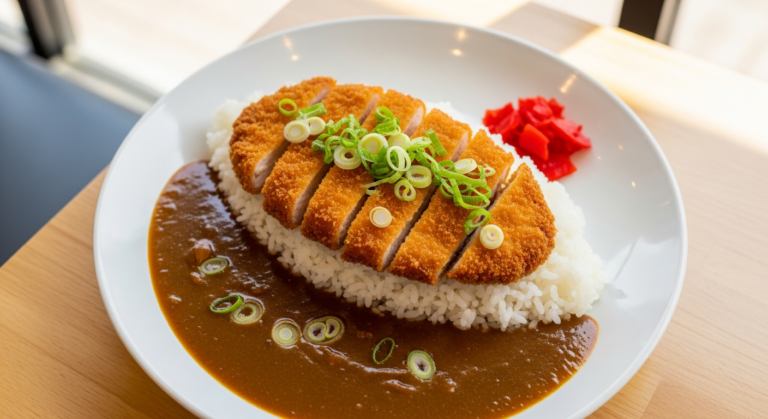
1. Halal Wagyu Gyukatsu Shinjuku-Tei Osaka Umeda
A specialty restaurant in Umeda serving halal A5 wagyu steak and wagyu beef cutlets, with no pork or alcohol used anywhere in the kitchen.
- ☪️ Halal status: Muslim-friendly
- 🥩 Must-order: Halal A5 Wagyu Gyukatsu Set (¥3,500)
- 📍 Access: Higashi-Umeda Station (3 min walk) / Umeda Station (7 min walk)
- 🕒 Hours: 12:00–21:00 (Open daily)
- 📞 Reservation: Recommended
- 🧎 Prayer room: None
- 🍷 Alcohol served: No
- 🗣 English menu: Yes
- 🗺 View on Google Maps
- 🔗 Source: halalgourmet.jp
What to order: Shinjuku-Tei Osaka Umeda is a halal A5 wagyu steak and wagyu beef cutlet specialty restaurant; they serve premium halal-certified A5 wagyu steak and crispy wagyu beef cutlets with no pork or alcohol, and a Muslim-friendly kitchen with an English menu ensures a safe and comfortable dining experience. Private dining rooms and tatami seating are also available, making it a solid choice for families with young children.
2. Le Marrakech
A Moroccan restaurant and argan oil shop owned by a Moroccan chef, located just 2 minutes from Umeda Sky Building, where all food served is halal.
- ☪️ Halal status: Muslim-friendly
- 🍲 Must-order: Lamb Tagine (¥2,200)
- 📍 Access: Nakatsu Station (5 min walk) / Osaka Station (10 min walk)
- 🕒 Hours: Lunch & Dinner (Closed: Sunday and 2nd & 4th Monday)
- 📞 Reservation: Recommended
- 🧎 Prayer room: None
- 🍷 Alcohol served: No
- 🗣 English menu: Yes
- ⭐ Rating: Tabelog 3.52 / (124 Tabelog reviews) (as of writing)
- 🗺 View on Google Maps
- 🔗 Source: halalgourmet.jp
What to order: The menu is crafted by the Moroccan-born owner and features classics like Harira (a traditional Moroccan soup), Hummus, lamb or chicken Tagine, and vegetable-rich Couscous. The chef speaks Japanese, French, English, Berber, and Arabic — a rare comfort for Arabic-speaking Muslim travelers in Osaka. For more dining ideas in the area, explore more of Umeda on MICHI.
3. Osaka Buyu-Den Halal Wagyu Ramen Higashi-Umeda
A premier halal-certified ramen destination just a 9-minute walk from Umeda Station, and one of the very few ramen shops in Osaka with a dedicated prayer room inside.
- ☪️ Halal status: halal-certified
- 🍜 Must-order: Halal Wagyu White Ramen Premium Set (¥2,500)
- 📍 Access: Higashi-Umeda Station (3 min walk)
- 🕒 Hours: 12:00–21:00 (Open daily)
- 📞 Reservation: Not needed
- 🧎 Prayer room: Available on-site
- 🍷 Alcohol served: No
- 🗣 English menu: Yes
- ⭐ Rating: Google 4.9 (1,073 reviews) (as of writing)
- 🗺 View on Google Maps
- 🔗 Source: halalfoodinjapan.com
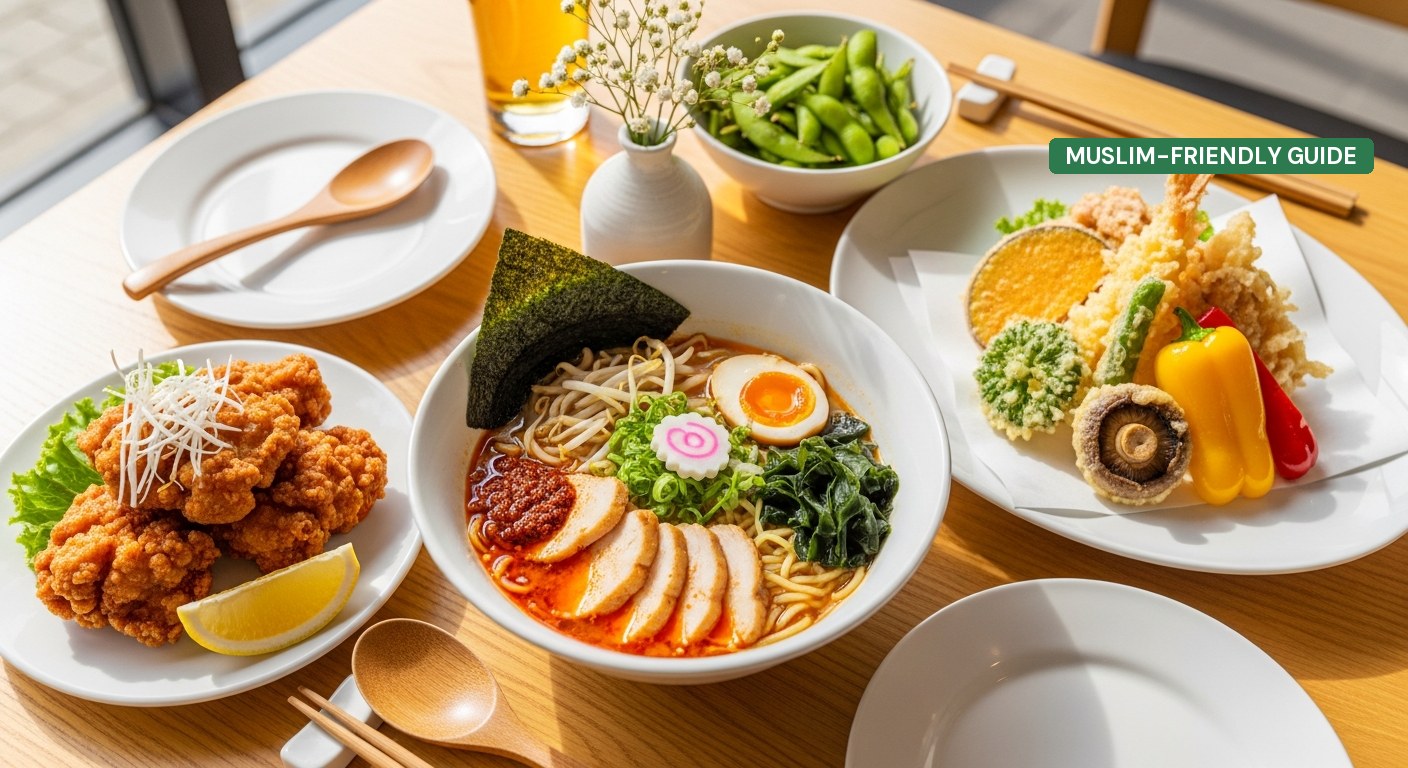
What to order: Osaka Buyu-Den is renowned for its signature ramen featuring only halal-certified wagyu beef — choose the rich, silky White Ramen with creamy chicken broth or the refreshing, spicy Red Ramen, where tender wagyu slices and chicken chashu create a truly luxurious meal. A clean prayer room is available inside, and wudu facilities are provided — a genuine rarity in the Umeda dining scene. If you want to plan your full day around food, browse the best food in Osaka for inspiration beyond halal ramen.
Frequently Asked Questions
Q. Is it easy to find halal food in Umeda, Osaka?
Osaka Station and the Umeda area are one of the most important transportation hubs in western Japan, from which travelers can easily access Kyoto, Kobe, Nara, and Shin-Osaka — but for Muslim travelers, finding halal food around major stations in Japan can still feel challenging. That said, the three restaurants above are all within a 10-minute walk of Umeda or Higashi-Umeda Station, making the area one of the more accessible halal dining zones in Osaka.
Q. What does “Muslim-friendly” mean in Japan?
In Japan, “Muslim-friendly” typically means a restaurant uses no pork and no lard, and often no alcohol in cooking — but it does not necessarily mean the venue holds a formal halal certificate from a recognised certifying body. Some restaurants describe themselves as 100% halal in practice while noting that the restaurant itself is not formally halal certified, meaning all foods served are halal but no third-party body has audited the kitchen. Always check the specific halal status label in each shop card above before visiting.
Q. Are there prayer rooms near halal restaurants in Umeda, Osaka?
Osaka Buyu-Den has a clean prayer room inside the restaurant, and wudu facilities are provided — making it the most convenient option for diners who need to pray between courses. Having a prayer room inside the restaurant reduces the stress of planning meal times around prayer schedules, especially when exploring busy city areas like Umeda. The Umeda Sky Building area itself does not have a dedicated public prayer room, so Buyu-Den is the practical anchor for prayer needs in this neighbourhood.
Q. What hidden ingredients should Muslim travelers watch out for in Japan?
The most common pitfalls in Japanese restaurants are mirin (a sweet rice wine used in sauces and glazes), sake (used in marinades and broths), pork-derived dashi (stock), and lard in fried dishes. Even dishes that appear meat-free — such as miso soup or ramen broth — frequently contain pork or alcohol-based seasonings. At the three restaurants listed above, these ingredients are explicitly excluded, but at any other venue in Umeda always ask specifically about mirin, sake, and dashi before ordering.
Last updated: July 28, 2026 · Corrections: [email protected]