Last updated: July 19, 2026
This article reflects information available at the time of writing. Check Google Maps for the latest hours and availability.
Introduction
The name gives it away, if you know where to look. Umeda (梅田) — today the most transit-saturated square kilometre in western Japan — was once a swamp. During the Edo period, this area was a low-lying marshland that locals filled in with dirt to create new farmland. The kanji characters originally used, 埋田, meant “buried field,” reflecting this land reclamation. Somewhere along the way, the character for “buried” was swapped for the more flattering “plum blossom” — and Umeda was born.
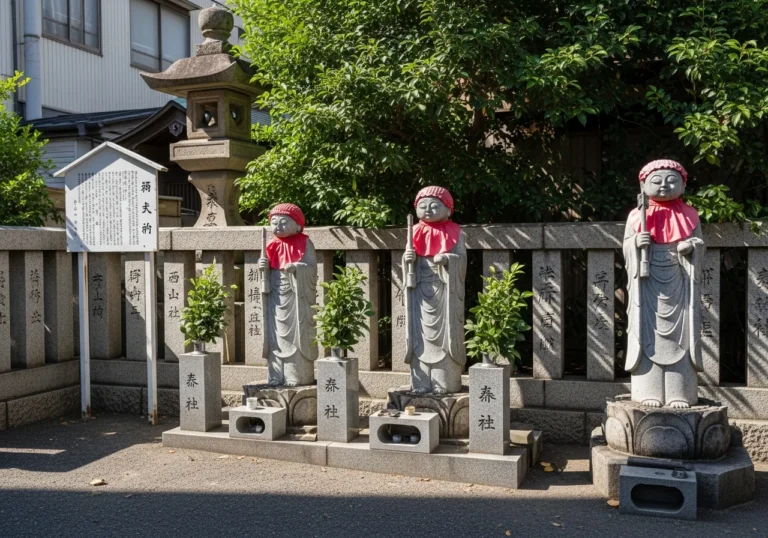
In the early Edo period, the wetland fields of Umeda were used as a burial ground. Locals were buried with clay dolls, pipes, rosary beads, and rokusenmon — a set of coins to pay for their passage across the Sanzu river, which separates the land of the living from the world of the dead. Construction crews breaking ground on the Umeda Kita development in recent years kept unearthing human bones — a reminder that the district’s gleaming surface sits on top of a very different past.
The first Osaka Station opened on 11 May 1874 to accompany a new railway line between Osaka and Kobe — a Western-style red brick building just two storeys high, situated a little further west of the current station. At that time, the Umeda area was mostly rice fields, with just a few scattered residences, and it wasn’t even part of the Osaka municipality. The opening of Hanshin Umeda Station in 1906, Hankyu Umeda Station in 1910, and Osaka Metro Umeda Station in 1933 turned Umeda into the largest terminal station in the Kansai region.
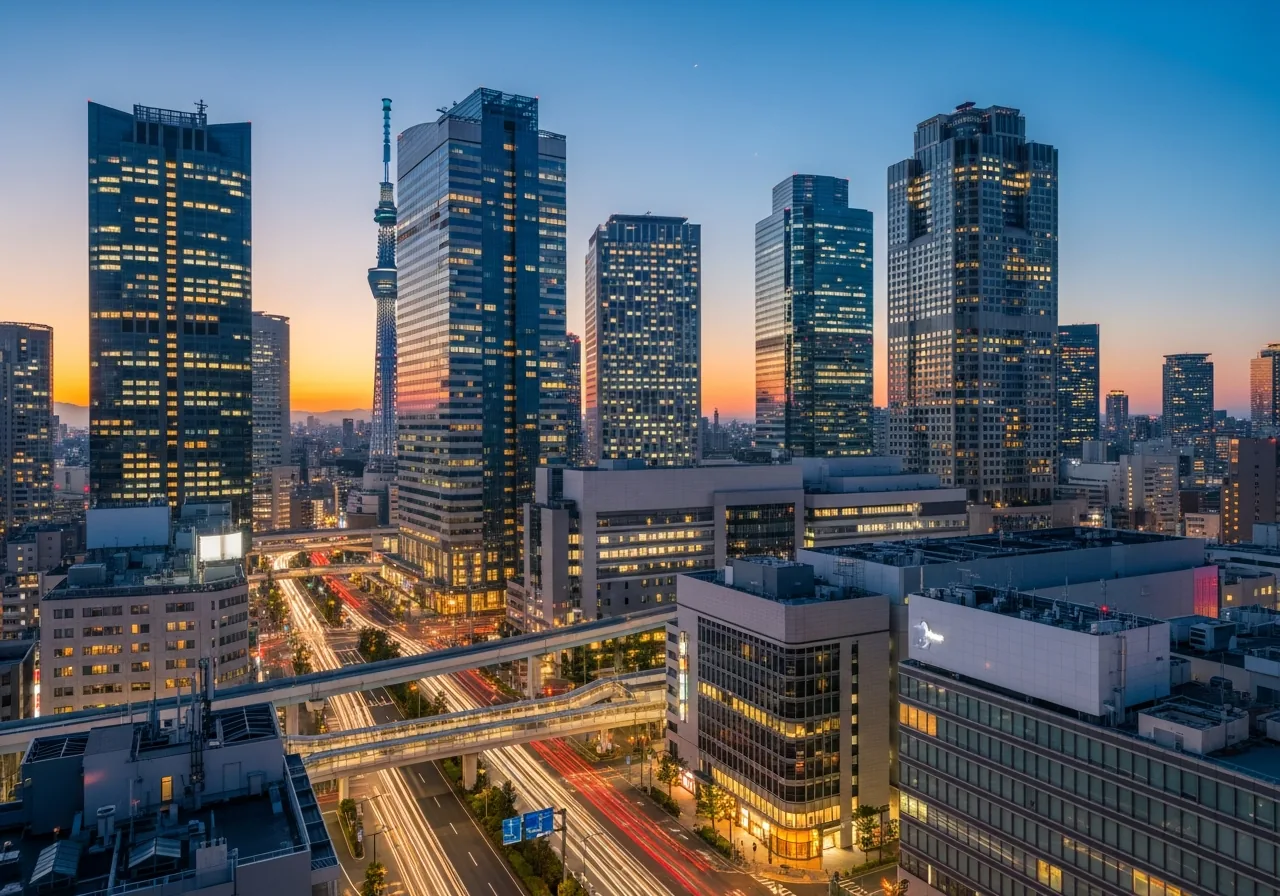
Today, Umeda is where you go when you want everything at once. Department stores like Hankyu, Hanshin, and Daimaru sit alongside modern complexes such as Grand Front Osaka and LUCUA. KITTE Osaka, which opened in July 2024, showcases specialty goods from across Japan. And then there’s the underground — a labyrinth of shopping streets, ramen counters, and standing bars that could swallow an afternoon whole. For the best food in Osaka, Umeda punches well above its tourist-hub reputation. This guide covers the landmarks, the history, and the spots worth your time — so you can explore more of Osaka with a proper grounding in its most important district.
1. Umeda Sky Building — Kuchu Teien Observatory (梅田スカイビル 空中庭園展望台)
- 📍 1-1-88 Oyodonaka, Kita-ku, Osaka
- 🕐 10:00–22:30 (last entry 22:00) as of May 2026
- 💰 ¥1,500 admission (adults)
- 🚃 Osaka Station (10 min walk) / Umeda Station (10 min walk)
- 🗣 English menu: Yes (multilingual signage and audio guides available)
- 🗺 Open in Google Maps
- 📋 Tabelog
- 🌐 Official site
Designed by architect Hiroshi Hara, this futuristic twin-tower structure is joined at the top by a Floating Garden Observatory, offering a unique and immersive experience above the city. From the open-air deck, you can take in sweeping views of Osaka’s urban sprawl, the Yodo River, and even catch glimpses of Awaji Island on a clear day. Come at dusk — the transition from golden hour to full city lights is the best ¥1,500 you’ll spend in Umeda. Afterwards, head to the basement’s Showa Retro Shopping Street, which recreates the townscape of mid-20th-century Osaka, complete with a retro-style hair salon, dry cleaner, and restaurants.
2. Grand Front Osaka (グランフロント大阪)
- 📍 4-20 Ofukacho, Kita-ku, Osaka
- 🕐 Shops: 10:00–21:00; Restaurants: 11:00–23:00 as of May 2026
- 💰 Free entry; dining from ¥1,000–¥5,000+ per person
- 🚃 Osaka Station (direct connection, 1 min walk)
- 🗣 English menu: Yes (most restaurants)
- 🗺 Open in Google Maps
- 📋 Tabelog
Grand Front Osaka is a massive, sleek commercial complex right next to the station — perfect for window shopping, grabbing a trendy lunch, or marvelling at modern Japanese urban design. The North Building houses the Knowledge Capital, a public innovation hub with rotating exhibitions and event spaces that most tourists walk straight past. Don’t. The food floors — particularly the restaurant cluster on the upper levels — cover everything from Osaka-style sushi to craft beer bars, and the quality-to-price ratio is better than the glossy surroundings suggest.
3. Grand Green Osaka (グラングリーン大阪)
- 📍 3 Ofukacho, Kita-ku, Osaka (Umeda Kita area)
- 🕐 Park: open daily; Shops/restaurants: 10:00–21:00 as of May 2026
- 💰 Free entry to park; dining from ¥1,500+
- 🚃 Osaka Station (5 min walk)
- 🗺 Open in Google Maps
- 📋 Tabelog
Umeda’s most significant new development opened in phases from 2024. Grand Green Osaka is centred around a vast urban park and features a museum designed by renowned architect Tadao Ando. A new gourmet zone and hotel opened in March 2025. The park itself — rare, generous green space in the middle of Osaka’s densest district — is already a favourite lunch spot for office workers and a genuinely pleasant place to decompress between bouts of shopping. The Tadao Ando-designed museum anchors the cultural side of the development and is worth the detour even if you skip the retail.
4. HEP Five Ferris Wheel (HEP FIVEジェットコースター・観覧車)
- 📍 5-15 Kakudacho, Kita-ku, Osaka
- 🕐 11:00–22:45 (last ride 22:30) as of May 2026
- 💰 ¥600 per ride
- 🚃 Hankyu Umeda Station (3 min walk)
- 🗺 Open in Google Maps
- 📋 Tabelog
HEP FIVE is a multipurpose commercial complex popular with younger visitors, with a landmark red Ferris wheel on its roof — visitors can enjoy amusement and shopping alongside the ride. At ¥600, it’s one of the cheapest views in Umeda, and the ride takes about 15 minutes. The surrounding shopping floors skew young and fast-fashion, but the basement food court is a reliable, no-fuss option for a quick meal before or after. The wheel is best at night, when the neon of Kakudacho below makes the whole thing feel like a scene from a film you can’t quite name.
5. Hankyu Umeda Main Store (阪急うめだ本店)
- 📍 8-7 Kakudacho, Kita-ku, Osaka
- 🕐 10:00–20:00 (Fri–Sat until 21:00) as of May 2026
- 💰 Free entry; dining from ¥1,000–¥10,000+
- 🚃 Hankyu Umeda Station (direct connection)
- 🗣 English menu: Yes (tax-free counters and multilingual staff available)
- 🗺 Open in Google Maps
- 📋 Tabelog
Hankyu’s flagship is the department store that other department stores study. Thirteen floors of retail, with the basement food hall — the depachika — being the real reason to visit. Prepared foods, wagashi, imported cheese, Kobe beef croquettes, and enough pastry counters to constitute a full afternoon. The restaurant floors above cover kaiseki, sushi, and French brasserie dining, all at prices that reflect the address. If you only visit one department store in Umeda, make it this one.
6. KITTE Osaka (KITTE大阪)
- 📍 3-2-1 Umeda, Kita-ku, Osaka (JP Tower Osaka)
- 🕐 Shops: 11:00–21:00; Restaurants: 11:00–23:00 as of May 2026
- 💰 Free entry; dining from ¥1,200–¥4,000 per person
- 🚃 Osaka Station (2 min walk)
- 🗣 English menu: Yes (most tenants)
- 🗺 Open in Google Maps
- 📋 Tabelog
Opened in July 2024, KITTE Osaka showcases specialty goods from all over Japan, allowing visitors to experience the country’s diverse food culture as if they were travelling across different regions. The concept — regional producers and artisans given a platform in the heart of Umeda — works better in practice than it sounds on paper. You’ll find craft sake from Niigata, ceramics from Arita, and a food hall that reads like a greatest-hits of Japanese regional cooking. It’s one of the better recent additions to the Osaka Station cluster, and far less overwhelming than the older complexes next door. The MICHI Osaka travel guide covers more of these newer openings in detail.
7. Diamor Osaka Underground Shopping Street (ディアモール大阪)
- 📍 Beneath Osaka Station / Umeda Station, Kita-ku, Osaka
- 🕐 Shops: 10:00–21:00; Restaurants: 11:00–22:00 as of May 2026
- 💰 Free entry; dining from ¥800–¥3,000 per person
- 🚃 Osaka Station / Umeda Station (direct underground access)
- 🗺 Open in Google Maps
- 📋 Tabelog
Diamor Osaka is one of the vast underground shopping streets that run beneath Umeda. The underground city here is not a metaphor — it’s a fully functioning parallel Umeda, with its own geography, its own regulars, and its own logic. Diamor connects the JR, Hankyu, Hanshin, and Metro stations through a network of corridors lined with ramen shops, standing sushi bars, izakayas, and convenience stores. On a rainy day it’s invaluable. On any day, it’s the fastest way to understand why Osaka people are so comfortable eating standing up at a counter at 11am.
8. Tsuruhashi Fugetsu Umeda Hankyu Sanbangai (鶴橋風月 梅田阪急三番街店)
- 📍 1-1-3 Shibata, Kita-ku, Osaka (Hankyu Sanbangai B2F)
- 🕐 11:00–22:00 as of May 2026
- 💰 ¥1,000–¥2,000 per person (food only)
- 🚃 Hankyu Umeda Station (direct connection)
- 🗣 English menu: Yes
- 🗺 Open in Google Maps
- 📋 Tabelog
What to order: Okonomiyaki (¥1,100–¥1,600)
Tsuruhashi Fugetsu is one of Osaka’s most established okonomiyaki chains, and the Hankyu Sanbangai branch is the most convenient entry point in Umeda. You cook at the table on a built-in iron griddle — the staff will help if you look uncertain, and the batter arrives pre-mixed. The pork and squid combination is the move. It’s not a destination restaurant, but it’s a reliable, affordable, and genuinely fun way to eat one of Osaka’s defining dishes without trekking to a specialist neighbourhood.
How to Get Around Umeda
Umeda is served by more train and subway lines than almost anywhere else in Japan. JR Osaka Station, Hankyu Umeda, Hanshin Umeda, and Osaka Metro Umeda/Higashi-Umeda/Nishi-Umeda stations all converge within a few hundred metres of each other — but the underground connections between them are genuinely confusing on a first visit. Download the Osaka Metro app before you arrive, and use the colour-coded floor maps posted at every major junction. The underground passages are the fastest way to move between the station cluster and the shopping complexes in any weather.
Most of Umeda’s major landmarks are walkable from Osaka Station. The Umeda Sky Building is the furthest at about 10 minutes on foot heading northwest. Grand Front Osaka and Grand Green Osaka are directly adjacent to the station’s north exit. HEP Five and Hankyu’s main store are a 3–5 minute walk south toward Kakudacho.
Avoid Umeda between 8:00–9:30am and 5:30–7:00pm on weekdays — the commuter crush through the underground passages is significant. Weekday lunchtimes (12:00–13:00) are also busy at most restaurants. The underground food options are fastest at those hours; the department store restaurants are slower but more comfortable.
FAQ
Q: Is Umeda expensive compared to other parts of Osaka?
A: It depends entirely on where you eat and shop. The department store restaurants and hotel dining rooms are expensive — kaiseki dinners at Hankyu’s upper floors can run ¥15,000+ per person. But the underground food streets, standing bars, and basement food halls offer solid meals from ¥800–¥1,500. Umeda contains every price point simultaneously.
Q: Do shops and restaurants in Umeda have English menus?
A: Most major restaurants in Grand Front Osaka, KITTE Osaka, and the department stores have English menus or picture menus. Smaller standing bars and older underground spots may not — pointing at neighbouring diners’ food works fine. The Umeda Sky Building’s basement dining street has multilingual signage.
Q: When is the best time to visit Umeda?
A: Weekday afternoons (14:00–17:00) are the calmest window for shopping and sightseeing. The Umeda Sky Building is best visited at dusk — arrive around 30 minutes before sunset and stay for the city lights. Weekends are busy throughout, particularly Saturday afternoons when the underground passages and department stores are at peak capacity. If you’re visiting Grand Green Osaka’s park, weekday mornings are genuinely peaceful.
Q: How do I get to Umeda from Kansai International Airport?
A: The Airport Limousine Bus is the simplest option — it drops off directly in front of the Hilton Osaka and takes about 50–65 minutes depending on traffic (¥1,800). The Haruka limited express train to Osaka Station is faster on a good day (about 70 minutes with a transfer) and more reliable in heavy traffic. IC cards work on both.
Information is accurate as of May 2026. We recommend checking Google Maps for the latest hours and prices before visiting.