Last updated: July 19, 2026
This article reflects information available at the time of writing. Check Google Maps for the latest hours and availability.
Introduction
The izakaya didn’t start as a concept. It started as a workaround. During the Edo period, sake shops in Osaka began letting customers drink on the premises rather than carry their purchases home — and someone, at some point, thought to put food on the counter too. That improvised arrangement became one of Japan’s most enduring social institutions. The best food in Osaka has always been inseparable from the places where people drink it, and the izakaya is where that relationship was forged.
Osaka’s version of the izakaya has always been a little different from Tokyo’s. Osaka’s izakaya culture is built on three pillars: cheap, delicious, and fun. The deep-rooted standing-drinking culture is particularly distinctive — strangers sitting next to each other at the counter naturally strike up conversations in a warm atmosphere. This isn’t a city where you eat quietly and leave. You stay. You order another round. You talk to the person next to you.
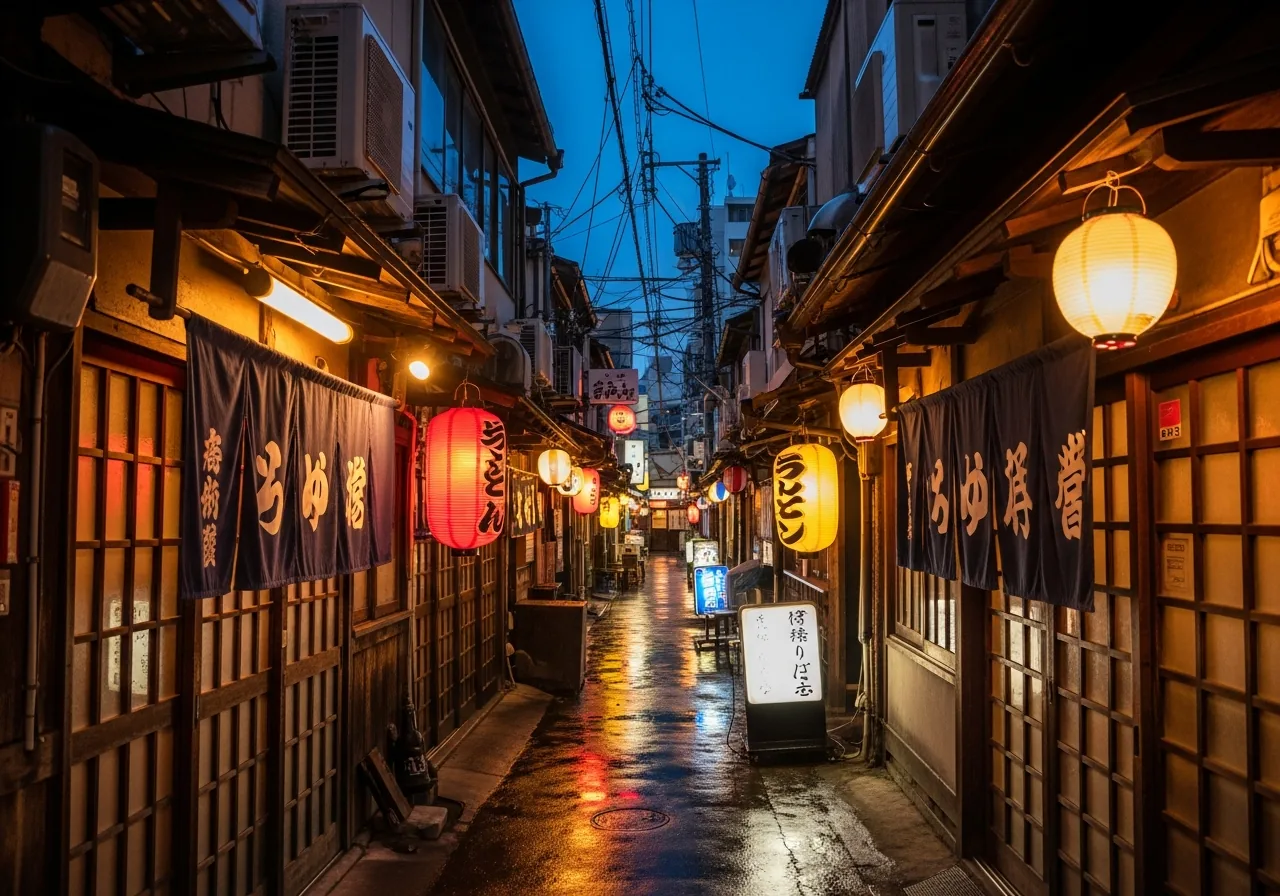
This guide focuses on izakayas with genuine history — places that have been pouring drinks since the postwar reconstruction era, or that carry the DNA of that period in their bones. You’ll find them under railway tracks, in residential backstreets, and in the famous food alleys of Umeda. Some have been in the same family for three generations. None of them are trying to impress you. That’s exactly the point. Explore more of Osaka and you’ll keep circling back to these kinds of places — the ones that feel like they were always there, because they were.
1. Stand Asahi (スタンドアサヒ)
- 📍 2-6-5 Minamitanabe, Higashisumiyoshi-ku, Osaka
- 🕐 Mon–Fri 16:00–22:00, closed weekends (as of May 2026)
- 💰 ¥1,500–¥2,500 per person (food and drinks)
- 🚃 Minami Tanabe Station (JR Hanwa Line), 2 min walk
- 🗺 Open in Google Maps
- 📋 Tabelog
What to order: Yakitori skewers (¥150–¥200 each), draft Asahi beer (¥500)
Located just two minutes from Minami Tanabe Station, Stand Asahi has been a neighbourhood institution for 90 years — when it opened in 1935, it was known as a place to enjoy a glass of Asahi Beer, hence the name. Today it’s run by third-generation proprietress Ms. Nakano and her brother, the head chef. The menu is short, the counter is narrow, and the whole operation feels like it hasn’t needed to change because it got everything right the first time.
2. Kurasuno (くらすの)
- 📍 1-3-11 Sangenyahigashi, Taisho-ku, Osaka
- 🕐 Mon–Fri 16:00–22:00, closed weekends (as of May 2026)
- 💰 ¥2,000–¥3,500 per person (food and drinks)
- 🚃 Taisho Station (JR Osaka Loop Line / Osaka Metro Nagahori Tsurumi-ryokuchi Line), 5 min walk
- 🗺 Open in Google Maps
- 📋 Tabelog
What to order: Seasonal sashimi plate (¥800–¥1,200), house-made pickles (¥400)
In business for over 70 years, Kurasuno is one of the most famous and beloved restaurants in Taisho. It was founded in 1949 by Tomokazu Matsubara, who had survived a Soviet prison camp in Siberia before returning to Osaka to open this place. When someone asks for a quintessential Japanese izakaya to take first-time visitors, this is always the first place that comes to mind. It’s out of the tourist circuit, which is precisely why it still feels real.
3. Ikoi Shokudo (いこい食堂)
- 📍 Under the Hankyu Kobe Line viaduct, Nakatsu, Kita-ku, Osaka
- 🕐 Mon–Sat 17:00–23:00, closed Sundays (as of May 2026)
- 💰 ¥2,000–¥3,000 per person (food and drinks)
- 🚃 Nakatsu Station (Hankyu Kobe/Takarazuka/Kyoto Lines), 1 min walk
- 🗺 Open in Google Maps
- 📋 Tabelog
What to order: Doteyaki (beef tendon in miso, ¥600), cold Kirin draft (¥550)
Established in 1957, stepping into Ikoi feels like stepping back in time — and here, unlike most places that claim this, it’s entirely true. The decor has changed little since the late 1950s, making it easy to imagine filming a film noir period piece inside this nostalgic watering hole. Getting there couldn’t be easier: walk through the ticket gate at Nakatsu Station, go down the steps, and you’ve found your destination without using your phone.
4. Matsuhisa (松久)
- 📍 2-10-10 Yamasaka, Higashisumiyoshi-ku, Osaka 546-0035
- 🕐 Mon–Sat 17:00–21:00, closed Sundays (as of May 2026)
- 💰 ¥2,000–¥3,000 per person (food and drinks)
- 🚃 Tanabe Station (Osaka Metro Tanimachi Line), 8 min walk
- 🗺 Open in Google Maps
- 📋 Tabelog
What to order: Seasonal grilled fish (¥700–¥900), house tofu (¥400)
Matsuhisa ticks all the boxes: neighbourhood favourite, 70 years of history, great food, and friendly staff and customers. It’s a bit out of the way, but well worth the extra effort. This is the kind of izakaya that doesn’t advertise, doesn’t need to, and has regulars who’ve been coming since their fathers brought them here as children. Show up early — it fills fast and there’s no reservation system.
5. Osakaya (大阪屋)
- 📍 Shin-Umeda Shokudogai, 9-26 Kakudacho, Kita-ku, Osaka 530-0017
- 🕐 Daily 07:00–23:00 (as of May 2026)
- 💰 ¥1,500–¥2,500 per person (food and drinks)
- 🚃 Osaka Station (JR), 2 min walk; Umeda Station (Osaka Metro / Hankyu), 3 min walk
- 🗺 Open in Google Maps
- 📋 Tabelog
What to order: Beni-shoga ten (deep-fried pickled ginger, ¥450), surume tempura (¥500), morning beer (¥550)
Osakaya is a historic izakaya established in 1971. Open from 7am to 11pm every day of the year, it caters to customers from breakfast through to evening drinks. The charm lies in its nostalgic Showa-era atmosphere and lively interior. The first floor offers seated dining until 3pm, after which it switches to standing-only. The second floor has tatami seating and counter seats. The fact that you can order a beer at 8am here and nobody bats an eye tells you everything about Osaka’s relationship with drinking.
6. Osaka Ichi Torihei (大阪一とり平)
- 📍 Shin-Umeda Shokudogai, 9-26 Kakudacho, Kita-ku, Osaka 530-0017
- 🕐 Mon–Sat 15:00–22:30, closed Sundays (as of May 2026)
- 💰 ¥2,000–¥3,500 per person (food and drinks)
- 🚃 Osaka Station (JR), 3 min walk
- 🗺 Open in Google Maps
- 📋 Tabelog
What to order: Duck skewer (¥350), yakitori with house tare sauce (¥200–¥280 each)
Founded in 1952, Osaka Ichi Torihei is a long-established yakitori restaurant in Shin-Umeda Shokudogai, just a three-minute walk from the Midosuji Exit of Osaka Station. The restaurant offers about 15 counter seats only. This izakaya specialises in authentic yakitori grilled over binchotan charcoal, and its signature sauce — carefully maintained and enriched since the restaurant first opened — is the reason regulars keep coming back.
7. Matsuba Sohonten (松葉総本店)
- 📍 Shin-Umeda Shokudogai 1F, 9-20 Kakudacho, Kita-ku, Osaka
- 🕐 Mon–Sat 11:00–22:00 (as of May 2026)
- 💰 ¥800–¥1,800 per person (food only)
- 🚃 Umeda Station (Osaka Metro Midosuji Line), 2 min walk
- 🗺 Open in Google Maps
- 📋 Tabelog
What to order: Kushikatsu skewers from ¥120 each
Savour this essential Osaka delicacy in the bowels of the labyrinthine Shin-Umeda Shokudogai, where the standing-only Matsuba Sohonten has been doing brisk business for over 70 years. Eating here is as simple as it gets: find an open spot along the counter, grab any of the skewered delights lined up on the silver trays, dip your pick in the thick brown sauce, and dig in. Whatever you do, never sauce the same skewer twice — double-dipping is a cardinal sin at any self-respecting kushikatsu joint.
8. Kushikatsu Daruma Shinsekai (串かつだるま 新世界総本店)
- 📍 2-3-9 Ebisuhigashi, Naniwa-ku, Osaka 556-0002
- 🕐 Mon–Thu 11:00–22:00; Fri–Sat and public holidays 11:00–01:00; Sun and public holidays 10:30–22:00 (as of May 2026)
- 💰 ¥1,500–¥3,000 per person (food and drinks)
- 🚃 Dobutsuen-mae Station (Osaka Metro), 3 min walk; JR Shin-Imamiya Station, 3 min walk
- 🗣 English menu: Yes
- 🗺 Open in Google Maps
- 📋 Tabelog
- 🌐 Official site
What to order: Beef kushikatsu (¥180), quail egg (¥150), shrimp (¥200)
This traditional Osakan dish features breaded and deep-fried morsels of meat, fish, quail eggs, and vegetables on wooden sticks. Established in 1929, the eatery offers a variety of panko-crusted items including sweet potato, shishito peppers, scallops, and mochi. The Shinsekai flagship is the loudest, most theatrical version of the Daruma experience — the Tsutenkaku tower looms outside, the interior is plastered with the brand’s iconic daruma doll imagery, and the no-double-dipping rule is enforced with cheerful aggression. It’s touristy, yes, but it’s touristy because it’s genuinely good. The MICHI Osaka travel guide covers Shinsekai in depth if you want to make a full evening of the neighbourhood.
How to Order
Most traditional izakayas in Osaka operate on a simple rhythm: sit down, order drinks first, then graze through small dishes over the course of an hour or two. At standing bars (tachinomi), you order at the counter and pay as you go or settle up at the end — ask “ikura desu ka?” (how much?) if you’re unsure.
At kushikatsu spots like Matsuba Sohonten, the system is even simpler: skewers are priced individually (usually ¥120–¥300 each), you grab what you want from the tray or point at what you’d like grilled fresh, and you keep a running tally. The sauce pot on the counter is communal — dip once, never twice.
For yakitori-focused izakayas like Torihei, skewers come in sets or individually. “Momo” is thigh, “negima” is chicken and spring onion, “tsukune” is minced chicken ball. Ordering a mix of five or six skewers alongside a beer or highball is the standard opening move.
Drinks to know: “nama” (draft beer), “chuhai” (shochu soda, usually lemon), “highball” (whisky soda), and “nihonshu” (sake). At older izakayas, the sake list is often short but well-chosen — ask the staff what’s good rather than scanning a menu that may not exist in English.
At most of the historic spots in this guide, cash is still preferred. Bring ¥3,000–¥5,000 per person and you’ll be fine for a full evening.
FAQ
Q: Are izakayas in Osaka expensive?
A: Not at the places in this guide. Expect to spend ¥2,000–¥3,500 per person including drinks at most traditional spots. Standing bars like Matsuba Sohonten can come in under ¥1,500 if you keep it to a few skewers and a beer. The newer, trendier izakayas in Shinsaibashi and Namba run ¥4,000–¥6,000 per person.
Q: Do izakayas in Osaka have English menus?
A: At the historic neighbourhood spots — Kurasuno, Stand Asahi, Matsuhisa, Ikoi — almost certainly not. Kushikatsu Daruma Shinsekai has a full English menu. At Shin-Umeda Shokudogai spots, some have picture menus that make ordering manageable. Pointing, gesturing, and a willingness to be surprised will get you far at the rest.
Q: When is the best time to visit?
A: Weekday evenings between 18:00 and 20:00 are the sweet spot — busy enough to feel alive, not so packed that you’re waiting outside. The historic neighbourhood izakayas (Kurasuno, Stand Asahi, Matsuhisa) fill up fast and don’t take reservations, so arriving right at opening is the safest strategy. Shin-Umeda Shokudogai is busiest on Friday and Saturday nights; weekday lunches are surprisingly calm and a good time to explore without the crowds.
Information is accurate as of May 2026. We recommend checking Google Maps for the latest hours and prices before visiting.