Last updated: July 19, 2026
This article reflects information available at the time of writing. Check Google Maps for the latest hours and availability.
Introduction
Every city has a dish it claims as its own. Osaka has takoyaki — and unlike most culinary origin stories, this one is unusually well-documented. The man widely credited as the creator of takoyaki is Endo Tomekichi (1907–1997), the founder of Aizuya in Osaka. The story starts in 1933, when Endo, running a stall in Osaka’s Nishinari Ward, was selling a snack called radioyaki — made with konnyaku and beef. Inspired by a customer’s casual comment about using octopus, he replaced the meat, reworked the batter, and gave the dish a new name: takoyaki.
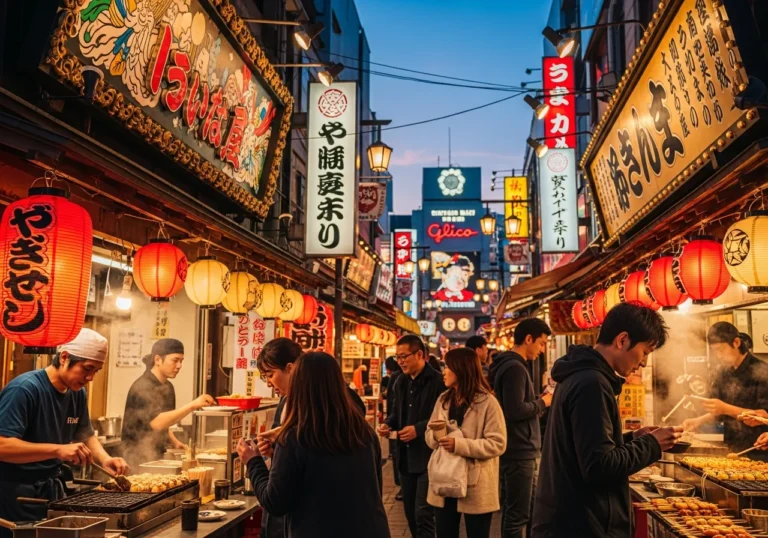
That single swap changed Osaka’s food culture permanently. By the 1950s, takoyaki stalls dotted the city, with over 5,000 vendors serving the snack to eager customers. Once weekly magazines began covering the trend, takoyaki spread beyond Osaka’s city limits, with shops and yatai opening across the country. Today it’s one of the best food in Osaka — and one of the most copied.
This guide traces that history through the shops that shaped it. We start at Aizuya, the original, and work through the spots that defined each era of takoyaki’s evolution — from the no-sauce purist tradition to the Dotonbori showmanship of Kukuru’s octopus-leg spectacle. In Osaka, people make takoyaki at home, so much so that it is said, almost like an urban legend, that every household has a takoyaki maker. That’s the context you’re eating in. These aren’t tourist traps — they’re the real thing. Explore more of Osaka and you’ll find takoyaki at every turn, but knowing where it came from makes the first bite mean something.
1. Aizuya Honten (会津屋 本店)
- 📍 3-1-2 Tamade-Nishi, Nishinariku, Osaka
- 🕐 Wed–Mon 10:00–21:00, closed Tuesday (as of May 2026)
- 💰 Budget per person: ¥400–¥700 (food only)
- 🚃 Tamade Station (3 min walk)
- 🗺 Open in Google Maps
- 📋 Tabelog
- 🌐 Official site
What to order: Original takoyaki, 8 pieces (¥550)
Aizuya’s founder Endo Tomekichi started with radioyaki in 1933, then in 1935 — influenced by Akashi’s egg-and-octopus dumplings — switched to octopus and egg, naming the result takoyaki for the first time. The defining detail: the batter is seasoned with bonito dashi and soy sauce, and the takoyaki is served without sauce — just the flavour of the dough itself. No mayonnaise, no aonori, no bonito flakes on top. If you’ve only ever eaten the fully-dressed version, this will recalibrate your understanding of what the dish actually tastes like. Aizuya has been selected for the Michelin Guide three consecutive years — not bad for a stall that started on a Nishinari street corner in the Showa era.
2. Takoyaki Doraku Wanaka Sennichimae (たこ焼道楽 わなか 千日前本店)
- 📍 11-19 Namba Sennichimae, Chuo-ku, Osaka
- 🕐 Mon–Fri 10:00–23:00 / Sat, Sun & Holidays 8:30–23:00 (as of May 2026)
- 💰 Budget per person: ¥400–¥700 (food only)
- 🚃 Namba Station (5 min walk)
- 🗺 Open in Google Maps
- 📋 Tabelog
What to order: Classic takoyaki, 6 pieces (¥550)
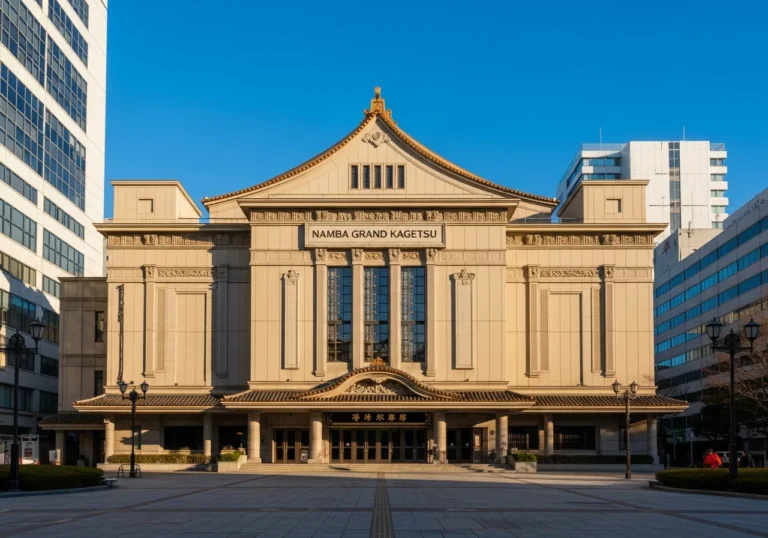
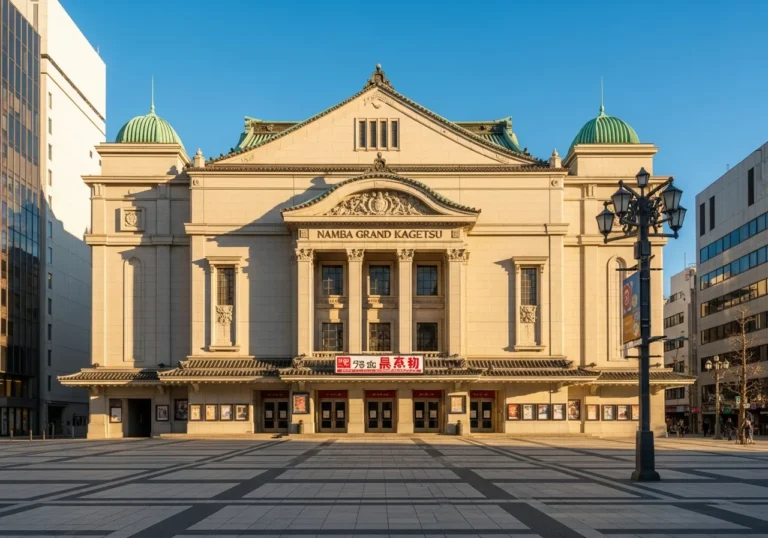
Wanaka started as a sushi and dagashi shop before the owner began making takoyaki as a side business — it quickly became the main event, and the chain now has branches across Osaka. The batter uses finely milled flour, well-seasoned with dashi and salt, cooked fast on a high-conductivity copper griddle for a crispy shell and liquid centre. The Sennichimae location, right next to Namba Grand Kagetsu, is the one locals point you to — busier at weekends, but the queue moves fast.
3. Takoya Dotonbori Kukuru Main Store (たこ家道頓堀くくる 本店)
- 📍 1-10-5 Dotonbori, Chuo-ku, Osaka (Hakua Building 1F)
- 🕐 Mon–Fri 11:00–21:00 / Sat, Sun & Holidays 10:00–21:00 (last order 20:30) (as of May 2026)
- 💰 Budget per person: ¥600–¥1,200 (food only)
- 🚃 Namba Station (5 min walk)
- 🗺 Open in Google Maps
- 📋 Tabelog
What to order: Bikkuri Takoyaki (octopus-leg takoyaki), 6 pieces (¥900)
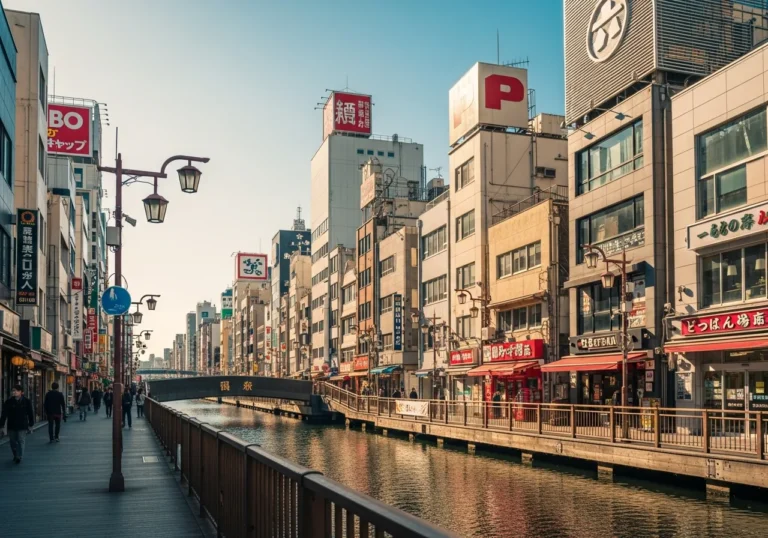
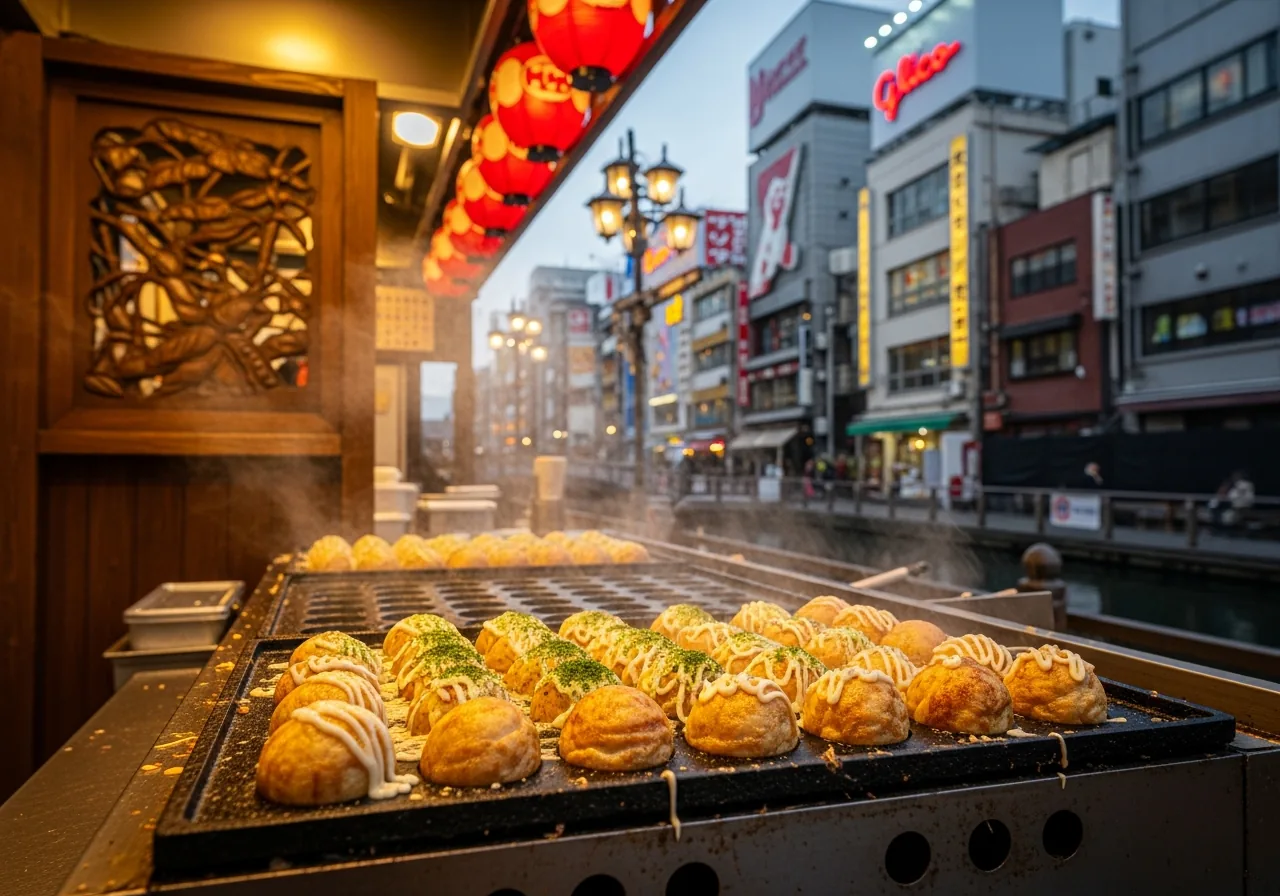
Kukuru has over 30 years of history, with its flagship in Dotonbori. Their takoyaki features a super-soft, almost collapsing batter with large octopus pieces inside, finished with a splash of white wine poured over the balls at the end. At the main store, they sell “Bikkuri Takoyaki” — octopus legs so large they protrude from the balls. It’s theatrical, yes, but the flavour backs it up. There are tents and terrace seats along the canal, which makes this the best spot on the list for eating while watching Dotonbori do its thing.
4. Aizuya Namba Nannan Branch (会津屋 なんばなんなん店)
- 📍 Namba Nannan B1F, 5-1-60 Namba, Chuo-ku, Osaka
- 🕐 Daily 10:00–21:00 (follows Namba Nannan mall hours) (as of May 2026)
- 💰 Budget per person: ¥400–¥700 (food only)
- 🚃 Namba Station (direct underground access)
- 🗺 Open in Google Maps
- 📋 Tabelog
- 🌐 Official site
What to order: Original takoyaki, 8 pieces (¥550)
If the trek to Tamade doesn’t fit your itinerary, Aizuya’s Namba Nannan branch puts the original no-sauce recipe directly under Namba Station. Aizuya now operates eleven locations across Osaka and beyond, but the recipe hasn’t changed — same dashi-seasoned batter, same refusal to dress the balls in sauce. It’s the most convenient way to taste the founding version of the dish without crossing town. The underground mall setting is less atmospheric than the Tamade honten, but the takoyaki is identical.
5. Kukuru Soemoncho (くくる 宗右衛門町店)
- 📍 B1F Pige Blanc Soemoncho Building, 7-18 Soemoncho, Chuo-ku, Osaka
- 🕐 Daily 11:00–22:00 (as of May 2026)
- 💰 Budget per person: ¥600–¥1,000 (food only)
- 🚃 Namba Station (7 min walk)
- 🗺 Open in Google Maps
- 📋 Tabelog
What to order: Classic takoyaki with sauce, 8 pieces (¥700)
The Soemoncho branch sits near Tazaemon Bridge, across the canal from the main Dotonbori shopping street. You can eat along the Dotonbori River here, watching the canal traffic while the bonito flakes wave in the steam. It’s a slightly calmer alternative to the main store — same batter, same white-wine finish, but without the Dotonbori crush. This location was listed in the Michelin Guide in 2016 and 2017. The basement entrance is easy to miss; look for the red oni (demon) mascot at street level.
6. Abeno Takoyaki Yamachan (あべのたこ焼き やまちゃん)
- 📍 1-2-11 Abenosuji, Abeno-ku, Osaka (main store area)
- 🕐 Daily 11:00–22:00 (as of May 2026)
- 💰 Budget per person: ¥500–¥800 (food only)
- 🚃 Tennoji Station / Abeno Station (5 min walk)
- 🗺 Open in Google Maps
- 📋 Tabelog
What to order: Classic takoyaki, 8 pieces (¥600)
Yamachan is a popular chain that spread nationwide from Abeno in Osaka. The secret to its flavour is a dashi stock extracted from more than ten ingredients, including bonito and chicken bones. The dashi also incorporates vegetables and fruits including pineapple and apple, giving it a subtly fruity edge — and because they use seasonal ingredients, the flavour shifts slightly depending on when you visit. It’s a more complex batter than most, and the Abeno original is the place to try it. The Tennoji area is worth the detour anyway — the area around Tennoji Station and Abeno is excellent for combining a takoyaki crawl with visits to Shitennoji Temple or the views from Abeno Harukas.
7. TAKOPA Takoyaki Park (TAKOPA たこぱ)
- 📍 6F Universal City Walk, 6-2-61 Shimaya, Konohana-ku, Osaka
- 🕐 Daily 11:00–22:00 (as of May 2026)
- 💰 Budget per person: ¥600–¥1,200 (food only)
- 🚃 Universal City Station (3 min walk)
- 🗺 Open in Google Maps
- 📋 Tabelog
What to order: One serving from each vendor (¥500–¥900 per shop)
TAKOPA brings together six of Osaka’s most beloved takoyaki shops — including Aizuya, Kukuru, Juhachiban, and Yamachan — under one roof, where you can compare classic and inventive styles side by side, with alcoholic drinks available to wash them down. Think of it as a crash course in takoyaki’s evolution: the no-sauce original next to the sauce-and-mayo mainstream next to the experimental. It’s the most efficient way to understand how the dish has branched since 1935. Located near Universal Studios Japan, it’s a convenient stop after a day at the park. The MICHI Osaka travel guide covers the Universal City area in more detail if you’re planning a full day out there.
How to Order
Takoyaki is one of the most beginner-friendly foods in Osaka. Here’s what you need to know before you queue up.
Portion sizes. Most shops sell in sets of 6 or 8 pieces. Expect to pay ¥400–¥700 for a standard serving. One serving is a snack; two is a light meal.
Sauce or no sauce. The default at most shops is takoyaki sauce, mayonnaise, aonori (green laver), and katsuobushi (bonito flakes). At Aizuya, the original, you get none of that — the batter is seasoned internally. Don’t ask for sauce there; it defeats the point.
Eat immediately. Eat it where you bought it. Takoyaki has a short window — well under two minutes before the texture degrades. Stand at the counter and eat.
Timing. Lunch and early evening — noon to one and six to eight — is when lines are worst. Roll up mid-afternoon, around two or three, and you’ll often walk straight to the counter.
Ordering without Japanese. Most stalls have picture menus or numbered sets. Point and indicate how many servings you want. Holding up fingers works fine everywhere on this list.
Allergies. Takoyaki contains wheat, egg, and octopus. Cross-contamination with other seafood is common at shared griddles. If you have a serious allergy, ask before ordering.
FAQ
Q: Who actually invented takoyaki?
A: Takoyaki is credited to Osaka street vendor Tomekichi Endo, who invented it in 1935. Endo had previously sold choboyaki, an earlier version using similar ingredients but with a flattened shape. Inspired by akashiyaki — an eggy octopus dumpling meant for dipping in broth — Endo began experimenting and created the modern takoyaki as we know it.
Q: Why doesn’t Aizuya use sauce?
A: Aizuya seasons the batter itself with dashi and soy sauce, so the flavour is built in rather than added on top. The sauce-and-mayo style came later, as other vendors looked to differentiate their product. Aizuya has never changed its approach.
Q: Is takoyaki in Osaka expensive?
A: No. Takoyaki was always a cheap snack — in 1954, 8 pieces went for 10 yen. Today, a serving of 6–8 pieces runs ¥400–¥900 depending on the shop and style. TAKOPA, where you’re sampling multiple vendors, is the priciest option at around ¥1,200 if you try three or four shops.
Q: Do takoyaki shops in Osaka have English menus?
A: The bigger tourist-facing shops — Kukuru and Wanaka in particular — have English signage and picture menus. Aizuya’s Tamade honten is more local in feel, but the menu is simple enough that pointing works fine. TAKOPA has English signage throughout.
Q: When is the best time to visit?
A: Late afternoon through evening is peak takoyaki time, but popular shops sell all day. For shorter queues, aim for mid-afternoon on weekdays. Dotonbori shops are busiest on weekend evenings — if you want the atmosphere without the wait, Thursday or Friday afternoons are the sweet spot.
Information is accurate as of May 2026. We recommend checking Google Maps for the latest hours and prices before visiting.