Last updated: July 19, 2026
This article reflects information available at the time of writing. Check Google Maps for the latest hours and availability.
Introduction
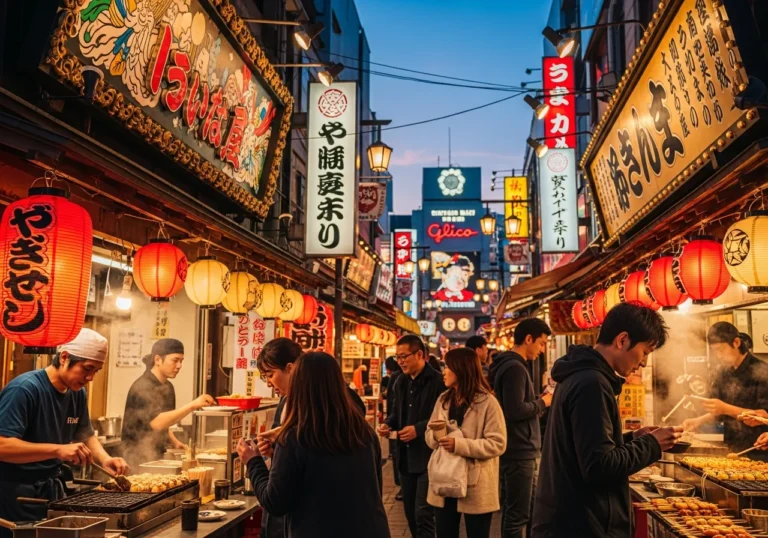
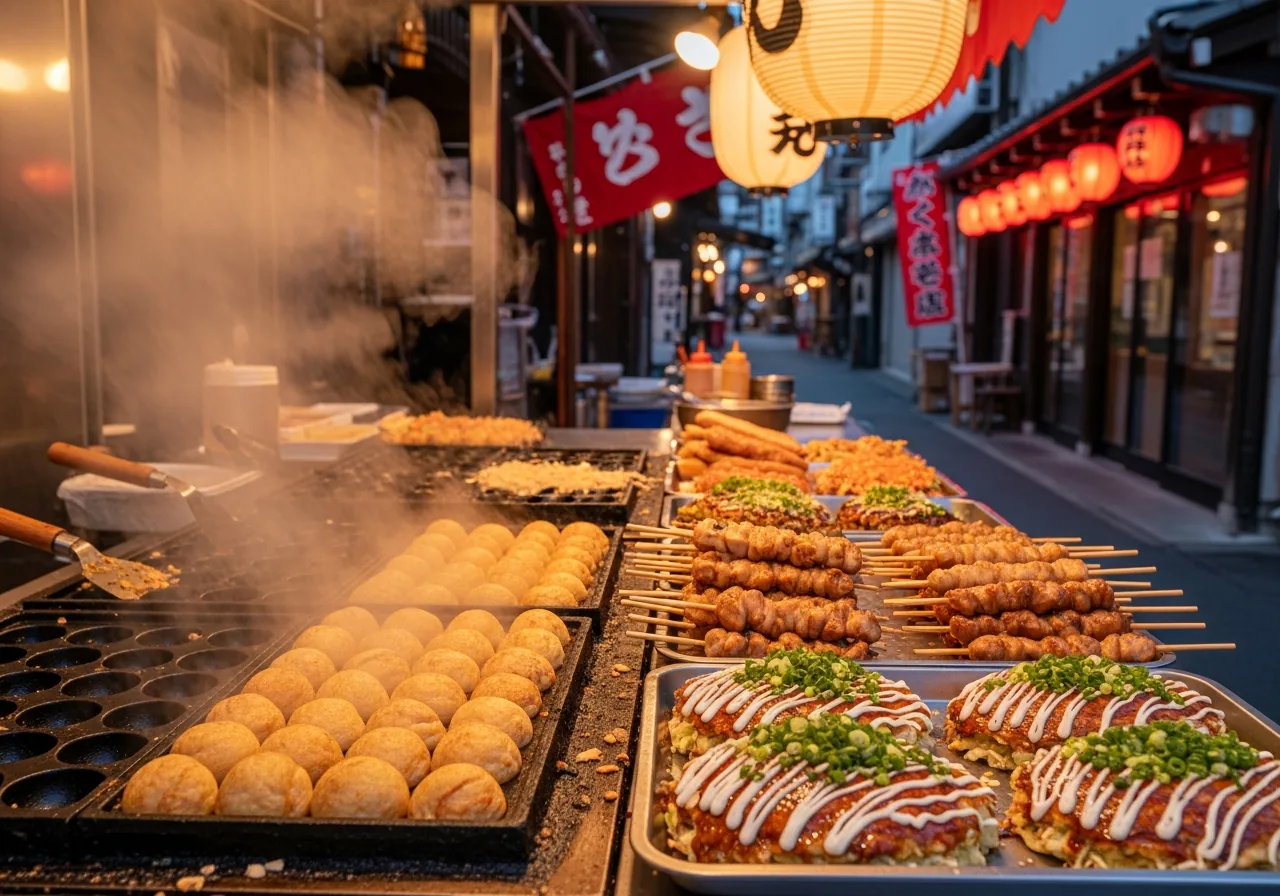
Osaka has a word for what happens to you here: kuidaore — eating until you drop. It’s not a warning. It’s a civic value. Osaka earned its nickname tenka no daidokoro — the nation’s kitchen — and while Tokyo obsesses over Michelin stars, Osaka celebrates affordable, soul-satisfying street food. The local philosophy of kuidaore is not just a saying; it is a way of life.
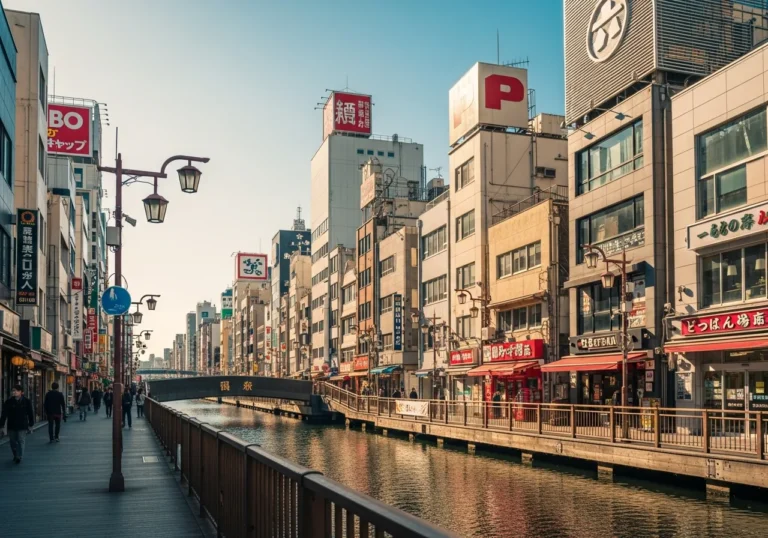
That philosophy has deep roots. By the 17th century Edo period, Osaka had become one of Japan’s major trading hubs, earning its nickname as “Japan’s Kitchen.” The Dotonbori neighbourhood straddles a canal leading to the sea, so its food stall menus have always included ultra-fresh seafood. Ingredients arrived from across the country — kelp from Hokkaido, bonito from the south, rice from the inland plains — and the merchants who traded them ate well. Very well.
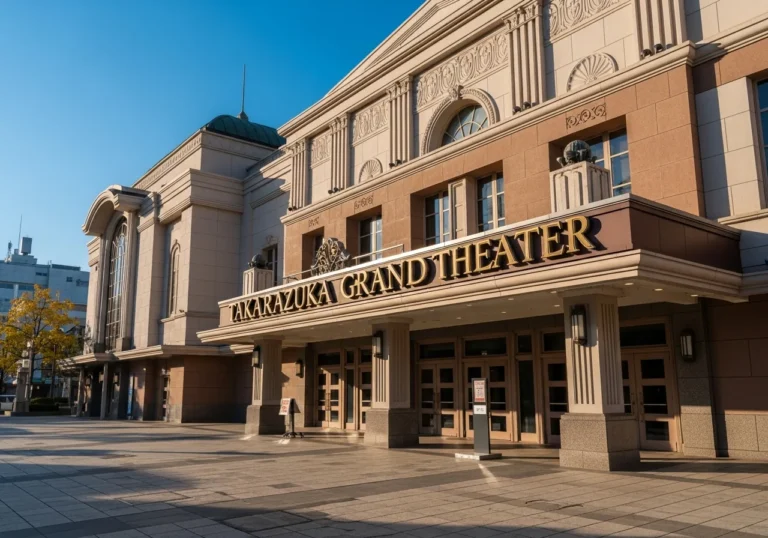
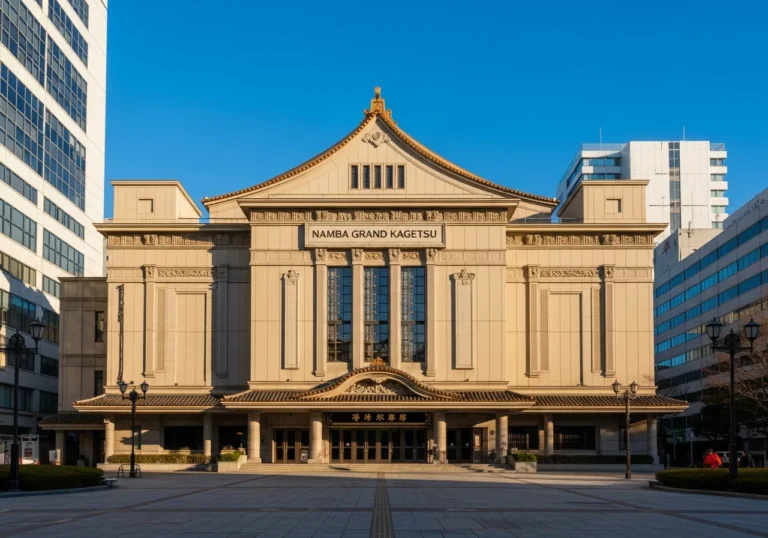
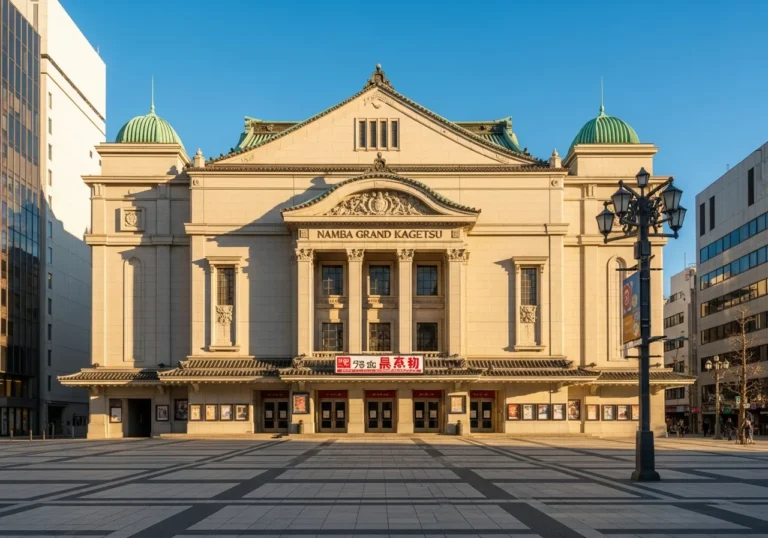
The local government designated Dotonbori as the city’s official entertainment district. Theatres for kabuki and bunraku puppet shows sprang up along its banks, and with entertainment came the demand for food. Teahouses and small eateries appeared, catering to theatergoers and planting the culinary seeds that flourish today.
This guide is a food history walk, not just a restaurant list. Each stop connects a dish to the era that invented it — from the Edo-period origins of takoyaki to the post-war birth of kushikatsu in Shinsekai. If you want to understand the best food in Osaka, start with where it came from. The spots below are all currently operating as of May 2026, spread across Dotonbori, Shinsekai, Kuromon, and Tenjinbashi — the four neighbourhoods that shaped how this city eats.
1. Aizuya (会津屋)
- 📍 1-4-16 Tamadetsuji, Naniwa-ku, Osaka 556-0012
- 🕐 10:00–22:00 (closed Tuesdays) as of May 2026
- 💰 ¥400–¥700 (food only)
- 🚃 Namba Station (8 min walk)
- 🗺 Open in Google Maps
- 📋 Tabelog
What to order: Original takoyaki, no sauce (¥600 for eight pieces)
Aizuya is considered the birthplace of takoyaki — and they’ll remind you of that, quietly, by serving it the original way: no mayonnaise, no bonito flakes, just the ball and a dashi-forward sauce. Founder Tomekichi Endo invented the recipe in 1935, adapting a Akashi-style wheat dumpling into what became Osaka’s defining snack. The shop is small, the queue moves fast, and eating one here is the closest thing to a primary source you’ll find on this walk.
2. Takoya Dotonbori Kukuru Honten (たこ家道頓堀くくる 本店)
- 📍 1-10-5 Dotonbori, Chuo-ku, Osaka 542-0071
- 🕐 11:00–23:00 (daily) as of May 2026
- 💰 ¥700–¥1,200 (food only)
- 🚃 Namba Station (5 min walk)
- 🗺 Open in Google Maps
- 📋 Tabelog
What to order: Bikkuri Takoyaki — eight pieces with oversized octopus (¥780)
Start at Takoya Dotonbori Kukuru Honten, the giant red-octopus stall on the north bank just east of Ebisubashi Bridge. Order the Bikkuri Takoyaki — eight balls hiding chunks of octopus too big for the mould. It is the single most photographed snack in Dotonbori for a reason: the tentacle pokes straight out of the dough. The contrast with Aizuya’s restrained original is the whole point — this is what 90 years of competitive takoyaki evolution looks like.
3. Kushikatsu Daruma Dotonbori (串かつだるま 道頓堀店)
- 📍 1-6-4 Dotonbori, Chuo-ku, Osaka 542-0071
- 🕐 11:00–22:30 (daily) as of May 2026
- 💰 ¥900–¥2,000 (food only) / ¥1,500–¥3,000 (with drinks)
- 🚃 Namba Station (5 min walk)
- 🗣 English menu: Yes
- 🗺 Open in Google Maps
- 📋 Tabelog
What to order: Beef kushikatsu (¥180 per skewer), pork and onion (¥160)
Kushikatsu was born in Shinsekai in the 1920s as cheap, fast fuel for day labourers — a skewer of whatever was affordable, battered and dropped in oil. Shinsekai is the spiritual home of kushikatsu — deep-fried skewered meat, vegetables, and seafood. Daruma is the chain that codified the rules: one dip in the communal sauce, never double-dip. The Dotonbori branch is busier and more tourist-facing than the Shinsekai original, but the sauce barrel and the no-double-dip sign are still the same. Six skewers with beer runs around ¥900–¥1,200.
4. 551 Horai Namba Honten (551蓬莱 難波本店)
- 📍 2-8-25 Namba, Chuo-ku, Osaka 542-0076
- 🕐 11:00–21:30 (daily) as of May 2026
- 💰 ¥300–¥800 (food only)
- 🚃 Namba Station (2 min walk)
- 🗺 Open in Google Maps
- 📋 Tabelog
What to order: Butaman pork bun (¥220 each, minimum two)
551 Horai’s steaming red boxes are an Osaka institution. The company launched in 1945, just after the war ended, selling Chinese-style pork buns from a stall in Namba. The butaman — a thick-skinned, generously filled steamed bun — became the city’s most recognisable takeaway item. Locals carry them home in those red boxes like a badge. The queue at the Namba Honten moves quickly; the buns come out of the steamer every few minutes. Eat yours on the street, immediately. They don’t improve with waiting.
5. Kuromon Ichiba Market (黒門市場)
- 📍 2-4-1 Nipponbashi, Chuo-ku, Osaka 542-0073
- 🕐 Most stalls 9:00–18:00 (some close earlier; market open daily) as of May 2026
- 💰 ¥300–¥2,000 per item depending on stall
- 🚃 Nipponbashi Station (1 min walk)
- 🗺 Open in Google Maps
- 📋 Tabelog
What to order: Grilled scallop in shell with butter and soy (¥400–¥600 per stall)
Kuromon Ichiba Market has over 190 years of history and a very simple mission: make you hungry every ten steps. It’s often called “Osaka’s Kitchen,” and it’s where locals shop for ingredients while visitors roam around sampling freshly prepared snacks. The market has changed — tourism increased prices and introduced Instagram-friendly stands — but underneath the tourist layer, the real market still operates. Go before 10am and you’ll see locals shopping; after 11am, tour groups arrive. The grilled scallops, finished over charcoal, are the move.
6. Okonomiyaki Mizuno (お好み焼き みずの)
- 📍 1-4-15 Dotonbori, Chuo-ku, Osaka 542-0071
- 🕐 11:00–21:00 (closed Thursdays) as of May 2026
- 💰 ¥1,000–¥1,800 (food only)
- 🚃 Namba Station (5 min walk)
- 🗺 Open in Google Maps
- 📋 Tabelog
What to order: Yamayama-yaki with yam (¥1,500)
Okonomiyaki’s Osaka origin story is contested — some trace it to pre-war street stalls, others to the post-war era when flour was cheap and protein was scarce. Okonomiyaki is Osaka’s other iconic dish. Unlike the Hiroshima style, Osaka-style mixes all ingredients into the batter before grilling. Mizuno has been on Dotonbori since 1945 and is one of the few places still making the Yamayama-yaki variant, which uses grated mountain yam for a lighter, almost soufflé-like texture. The queue is real; arrive before noon or after 2pm.
7. Shinsekai Tsuruhashi Fugetsu (新世界 鶴橋風月)
- 📍 2-3-2 Ebisuhigashi, Naniwa-ku, Osaka 556-0002
- 🕐 11:30–22:00 (daily) as of May 2026
- 💰 ¥1,000–¥2,000 (food only) / ¥1,500–¥3,000 (with drinks)
- 🚃 Dobutsuen-mae Station (3 min walk)
- 🗣 English menu: Yes
- 🗺 Open in Google Maps
- 📋 Tabelog
What to order: Modan-yaki with pork and noodles (¥1,350)
Shinsekai was built in 1912 as Osaka’s answer to Paris and New York — a theme park of modernity, complete with a replica Eiffel Tower. The neighbourhood’s food culture grew up around the workers and day-trippers who came here for cheap entertainment. Fugetsu’s Shinsekai branch leans into that history: the modan-yaki, a hybrid of okonomiyaki and yakisoba layered together on the griddle, is a post-war invention that captures exactly the kind of resourceful, filling cooking this neighbourhood was built on. Explore more of Osaka and you’ll find Shinsekai is one of the city’s most historically layered neighbourhoods.
8. Tenjinbashi-suji Shopping Street Food Stalls (天神橋筋商店街)
- 📍 Tenjinbashi 1-chome to 6-chome, Kita-ku, Osaka 530-0041
- 🕐 Individual stalls vary; most active 10:00–19:00 as of May 2026
- 💰 ¥200–¥800 per item
- 🚃 Tenjinbashisuji Rokuchome Station (direct access)
- 🗺 Open in Google Maps
- 📋 Tabelog
What to order: Taiyaki with red bean (¥200–¥250), fresh-grilled skewers from individual vendors
Tenjinbashi-suji is one of Japan’s longest shopping streets — over two kilometres of shops, snacks, and a calmer atmosphere than the neon madness of Dotonbori. It’s less touristy, more local, and perfect when you want your street food with a side of wandering. The street has been a commercial corridor since the Edo period, serving the merchants and craftspeople who lived in the surrounding blocks. The taiyaki stalls here — fish-shaped pastries filled with sweet red bean — are a direct descendant of that working-class snack culture. Taiyaki is a classic: a fish-shaped pastry filled with sweet red bean paste, crisp on the outside and soft inside. In Osaka, you’ll also find creative fillings — custard, chocolate, even savoury options.
How to Order
Most street food in Osaka operates on a point-and-pay system. Japanese vendors in tourist areas understand pointing, counting fingers, and grateful nods. A basic “sumimasen” (excuse me) to get attention and “kore o kudasai” (this one please) covers most ordering situations. Many stalls in Dotonbori and Kuromon have picture menus. Prices are fixed.
Most street windows still refuse cards in 2026, and ¥10,000 of small notes and coins is plenty for two people across multiple stops. Eating while walking is mildly frowned on locally — every stall has a small standing counter or wall ledge, so finish each snack before moving to the next.
On the etiquette front: at kushikatsu restaurants, the no-double-dip rule is absolute. Dip once, eat, move on. At market stalls, take your wrapper and skewer with you — public bins are scarce, and stalls expect you to return your rubbish to them. A small plastic bag in your pocket solves this entirely.
For a full day of eating across all the major categories, working through all the major street food categories across multiple stops costs approximately ¥4,000–¥7,000 per person. Budget toward the higher end if you’re hitting Kuromon for seafood. The MICHI Osaka travel guide has neighbourhood-by-neighbourhood breakdowns if you want to plan a more structured route.
FAQ
Q: Is street food in Osaka expensive?
A: Not by default. Takoyaki runs ¥500–¥780 for eight pieces, a pork bun from 551 Horai is ¥220, and kushikatsu skewers start at ¥160 each. Kuromon Market is the exception — premium seafood stalls charge ¥600–¥2,000 per item, and the tourist-facing crab and uni stalls push higher. A full afternoon of grazing across Dotonbori and Namba costs ¥1,500–¥3,000 if you’re disciplined about it.
Q: Do street food stalls in Osaka have English menus?
A: Many stalls in Dotonbori and Kuromon have picture menus. Kushikatsu Daruma and Fugetsu both have full English menus. Aizuya and Mizuno are Japanese-only, but the menus are short and staff are used to pointing. At market stalls, the food is usually visible — you’re ordering what you can see.
Q: When is the best time to visit these spots?
A: Kuromon Market is best before 10am — before 10am you’ll see locals shopping; after 11am, tour groups arrive. Dotonbori peaks between 7pm and 10pm when the neon is up and the energy is highest, but queues at Mizuno and Aizuya are shortest on weekday lunchtimes. Tenjinbashi-suji is a morning-to-afternoon street; most stalls wind down by 7pm. Shinsekai is best visited on a weekday — weekend afternoons draw large domestic tour groups.
Information is accurate as of May 2026. We recommend checking Google Maps for the latest hours and prices before visiting.