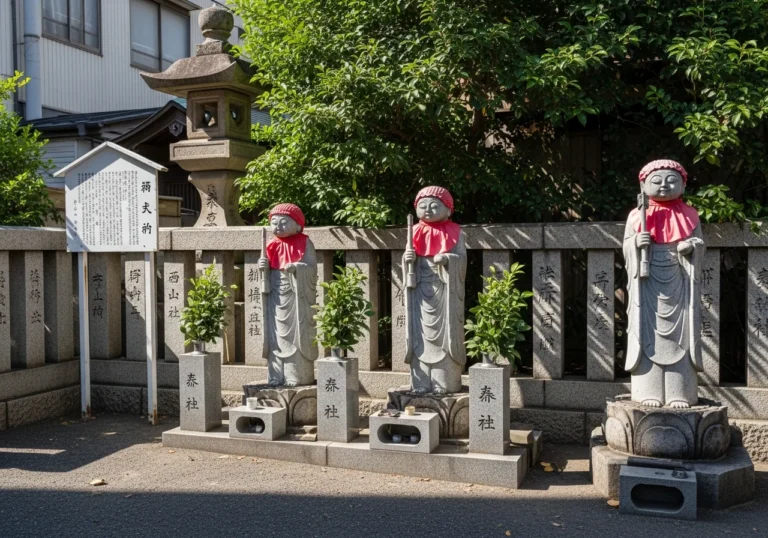
Looking for Japanese stone lanterns in Osaka? This guide covers what toro actually mean, how to read their symbolism, and the six best spots in Osaka to see them up close — from a shrine with 600 donated lanterns to a lantern-lit alley steps from Dotonbori. Free entry at most sites.
MICHI’s Pick — Selected by our Osaka-based team, based on places we’ve visited and on research using Tabelog and Google Maps ratings. In Japan, a Tabelog score of 3.4+ is genuinely high — Japanese reviewers are famously strict, and most locals consider anything above 3.4 a place worth a detour. We feature venues meeting at least one of: Tabelog 3.4+, Google Maps 4.3+, or 100+ reviews — the kind of spots locals quietly trust.
Tabelog and Google Maps scores are accurate as of the time of writing.
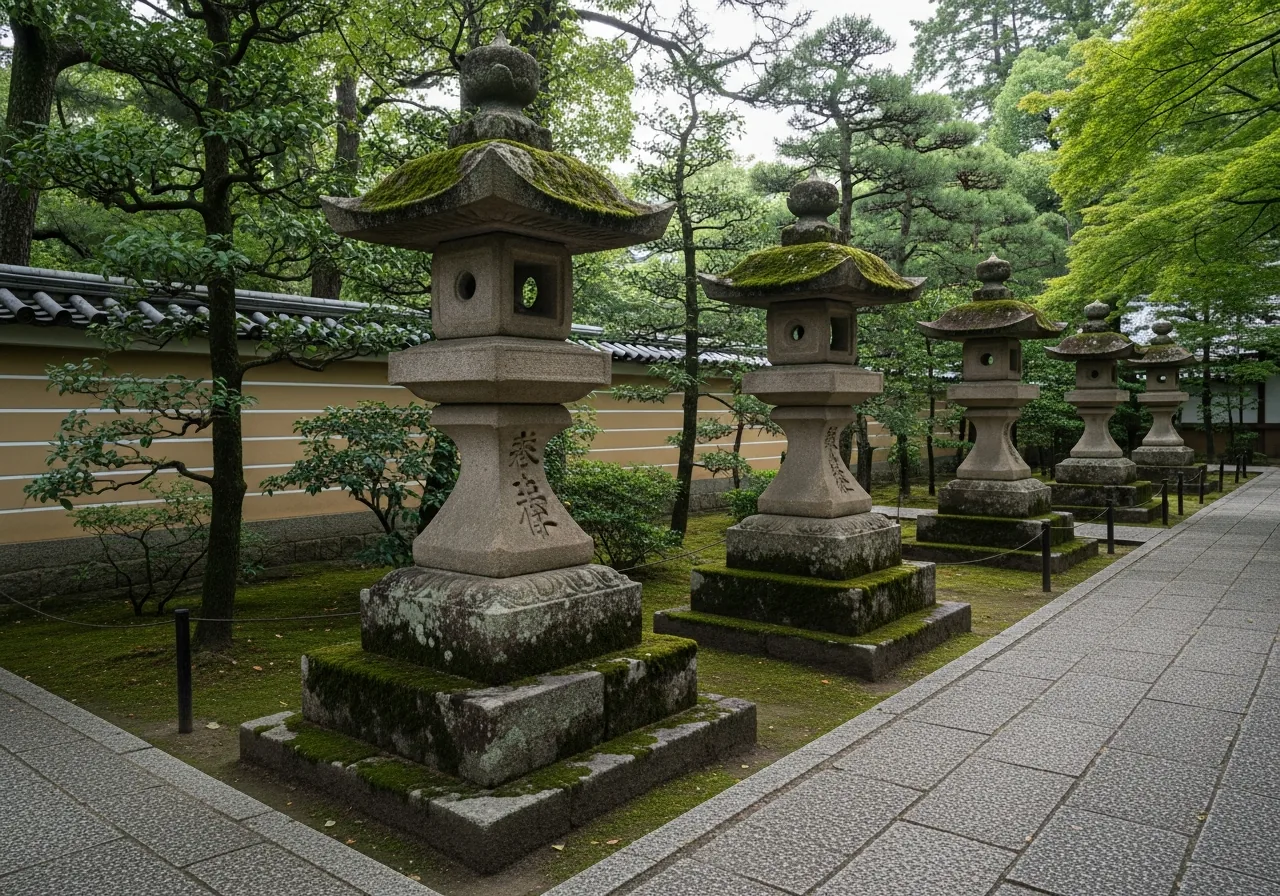
Stone lanterns — toro (灯籠) in Japanese — are one of those things you walk past a dozen times before you actually stop and look. The word toro translates roughly as “light basket” or “light tower.” In Japan, toro were originally used only in Buddhist temples, where they lined and illuminated paths — and a lit lantern was considered an offering to Buddha. They are not decorative afterthoughts. Every stone, every proportion, carries meaning.
The lantern’s structure is meant to symbolize the five elements of Buddhist cosmology. The bottom-most piece, touching the ground, represents chi (earth); the next section represents sui (water); ka (fire) is represented by the section encasing the lantern’s light; while fu (air) and ku (void or spirit) are represented by the last two sections, topmost and pointing towards the sky. Stack those five tiers and you have a miniature cosmology in granite.
During the Heian period (794–1185), stone lanterns began to appear in Shinto shrines as well, reflecting the syncretic nature of Japanese religion. During the Azuchi-Momoyama period (1568–1600), stone lanterns were popularized by tea masters, who used them as garden ornaments. Toro lanterns, especially the older stone ones, perfectly embody wabi-sabi. Their weathered surfaces, moss-covered stones, and simple designs speak to the beauty of aging and the acceptance of flaws.
Osaka is not Nara or Kyoto — it won’t drown you in lanterns — but that’s part of the appeal. The spots below reward attention. Pair a morning of shrine-hopping with the best food in Osaka nearby, and you have a full day sorted. Want more context before you go? The MICHI Osaka travel guide has you covered.
1. Sumiyoshi Taisha (住吉大社)
- 📍 2-9-89 Sumiyoshi, Sumiyoshi-ku, Osaka
- 🕐 6:00–17:00 (Apr–Sep); 6:30–17:00 (Oct–Mar) (as of May 2026)
- 💰 Free (grounds)
- 🚃 Sumiyoshi Taisha Station, Nankai Main Line (2 min walk)
- ⭐ Rating: Google 4.5 (10,000+ reviews) (as of writing)
- 🗺 Open in Google Maps
- 📋 Tabelog
- 🌐 Official site
What to order: Free entry to grounds; omamori charms from ¥500 at the on-site shop (opens 9:00)
The shrine grounds feature over 600 large stone lanterns dedicated by maritime transporters. The stone lanterns lining the paths were donated by sailors and merchants over centuries and still bear their original inscriptions — making this the single densest concentration of historically significant toro in Osaka. Come on a weekday morning, arrive before 9am, and you’ll have the stone paths almost entirely to yourself.
2. Shitennoji Temple (四天王寺)
- 📍 1-11-18 Shitennoji, Tennoji-ku, Osaka
- 🕐 8:30–16:30 (Apr–Sep); 8:30–16:00 (Oct–Mar) (as of May 2026)
- 💰 Free (outer grounds); ¥300 inner precinct; ¥500 Treasury House
- 🚃 Shitennoji-mae Yuhigaoka Station, Osaka Metro Tanimachi Line (5 min walk)
- ⭐ Rating: Google 4.3 (8,000+ reviews) (as of writing)
- 🗺 Open in Google Maps
- 📋 Tabelog
- 🌐 Official site
What to order: Free outer grounds; inner precinct ¥300
The outer grounds are expansive and calm. Stone lanterns line the pathways, and mature trees provide shade even in the heat of summer. Worshippers come throughout the day to pray, light incense, and walk the grounds at a leisurely pace. Shitennoji was founded in 593 CE by Prince Shotoku, one of the most influential figures in early Japanese history — the lanterns here have been accumulating for over a millennium. The monthly flea market on the 21st and 22nd is a bonus worth timing your visit around.
3. Hozenji Temple and Hozenji Yokocho (法善寺・法善寺横丁)
- 📍 1-2-16 Namba, Chuo-ku, Osaka
- 🕐 24 hours (temple grounds); amulet office 10:00–18:00 (as of May 2026)
- 💰 Free
- 🚃 Namba Station, Osaka Metro (5 min walk)
- ⭐ Rating: Google 4.3 (5,000+ reviews) (as of writing)
- 🗺 Open in Google Maps
- 📋 Tabelog
What to order: Free to enter; zenzai (sweet red bean soup) at Meoto Zenzai nearby from ¥800
Hozenji Yokocho transforms into a uniquely atmospheric street at night when lanterns are lit. The stone lanterns flanking the temple’s moss-covered Fudo Myoo statue are the real draw — small, soot-darkened, and perpetually damp from the water visitors pour over the statue. The narrow, atmospheric alley is a dream for photographers, especially after sunset. Come after 8pm on a weeknight when the crowds thin and the lantern glow is at its best.
4. Osaka Tenmangu Shrine (大阪天満宮)
- 📍 2-1-8 Tenjinbashi, Kita-ku, Osaka
- 🕐 9:00–17:00 (as of May 2026)
- 💰 Free
- 🚃 Minami-Morimachi Station, Osaka Metro Tanimachi/Sakaisuji Lines (5 min walk)
- ⭐ Rating: Google 4.3 (3,000+ reviews) (as of writing)
- 🗺 Open in Google Maps
- 📋 Tabelog
What to order: Free entry; omikuji fortune slips ¥100
Founded in 949, Osaka Tenmangu has become a beacon for students and scholars. It is especially known for its annual Tenjin Matsuri, ranked as one of Japan’s top three festivals, featuring river processions, traditional performances, and thousands of participants dressed in imperial court costumes. The stone lanterns lining the approach to the main hall are particularly striking during the Tenjin Matsuri in late July, when boats illuminated by lanterns cross the river in one of Osaka’s most spectacular annual sights.
5. Namba Yasaka Shrine (難波八坂神社)
- 📍 2-9-19 Motomachi, Naniwa-ku, Osaka
- 🕐 9:00–17:00 (as of May 2026)
- 💰 Free
- 🚃 Namba Station, Osaka Metro (8 min walk)
- ⭐ Rating: Google 4.3 (4,000+ reviews) (as of writing)
- 🗺 Open in Google Maps
- 📋 Tabelog
- 🌐 Official site
What to order: Free entry; ema votive plaques from ¥500
Most visitors come for the 12-metre lion-head building — and fair enough, it’s genuinely startling. But the rows of stone toro lining the compact grounds are worth slowing down for. Around an eight-minute walk from the bustling Namba streets, Namba Yasaka has recently become popular on Instagram, with many people coming here to take photos in this photogenic spot. Visit on a weekday morning before the selfie crowd arrives and you’ll have the lanterns largely to yourself.
6. Tsuyu-no-Tenjinja (Ohatsu Tenjin) (露天神社)
- 📍 2-9-45 Sonezaki, Kita-ku, Osaka
- 🕐 Open daily; grounds accessible from early morning (as of May 2026)
- 💰 Free
- 🚃 Higashi-Umeda Station, Osaka Metro Tanimachi Line (5 min walk)
- ⭐ Rating: Google 4.3 (2,500+ reviews) (as of writing)
- 🗺 Open in Google Maps
- 📋 Tabelog
What to order: Free entry; omamori charms from ¥500
Finding the shrine’s access requires a little searching — it sits behind a small gate among bars and restaurants. Visit at night, because the shrine is illuminated after sunset. This small place of worship with sakura trees creates a quiet haven among tall buildings of the business district. Tsuyu-no-Tenjinja is about 1,300 years old and serves as a guardian shrine of the Kita district in Osaka. The stone lanterns flanking the main hall glow warmly against the surrounding neon — one of the more quietly striking contrasts in the city. To explore more of Osaka beyond the obvious tourist trail, this shrine is a good starting point.
FAQ
Q: What is the best place to see Japanese stone lanterns in Osaka?
A: Sumiyoshi Taisha is the standout. The shrine grounds feature over 600 large stone lanterns dedicated by maritime transporters, many bearing centuries-old inscriptions. Arrive before 9am on a weekday for the best experience.
Q: How many places with notable stone lanterns are in Osaka?
A: Osaka has dozens of temples and shrines, but the six spots in this guide represent the strongest concentration of historically significant toro. They cluster in three areas: Tennoji (Shitennoji), Namba/Minami (Hozenji, Namba Yasaka), and the south and north of the city (Sumiyoshi Taisha, Osaka Tenmangu, Ohatsu Tenjin).
Q: Do Osaka temples and shrines have English signage?
A: It varies. Shitennoji and Sumiyoshi Taisha both have English information boards at key points. Hozenji and Namba Yasaka have limited English on-site, but both are small enough to navigate without it. None require advance booking or guided tours.
Q: What should I look for when viewing stone lanterns in Osaka?
A: The traditional components from top to bottom are: the hoju (jewel-shaped finial), the ukebana (lotus-shaped support), the kasa (conical umbrella), and the hibukuro (firebox where the fire is lit). At Sumiyoshi Taisha, look for donor inscriptions carved into the shafts — many name specific ships and merchant families. At Shitennoji, note how the lanterns are spaced to guide movement through the grounds rather than simply decorate them.
Last updated: July 19, 2026 · Corrections: [email protected]