Last updated: July 3, 2026
Information changes — always confirm with the venue/source before relying on it.
Introduction
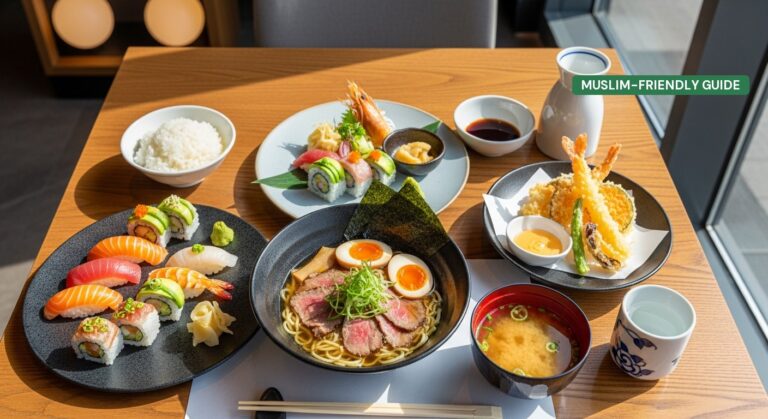
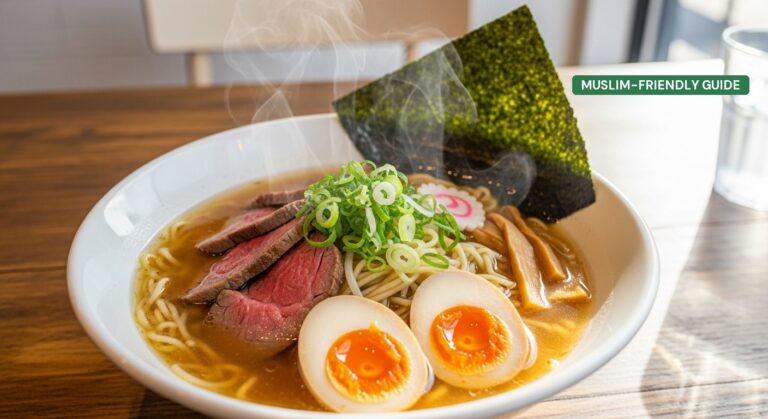
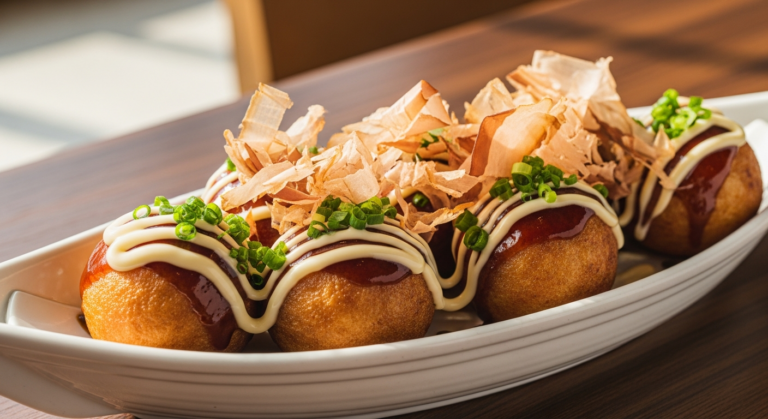
One of the first questions Muslim visitors ask before booking a trip to Japan is a simple one: can I actually eat here? The honest answer for Osaka is: yes — but it takes a little preparation. Osaka is popularly known as the “Kitchen of Japan” due to the diverse and delectable cuisines the city has to offer. That culinary richness is real, and Muslim travelers can access a meaningful share of it. Osaka has seen an increase in halal-certified and Muslim-friendly restaurants in recent years. At the same time, finding halal food might be a challenge given the dietary differences, and many traditional Japanese dishes contain non-halal elements such as pork or alcohol-based sauces.
This guide answers the most common FAQ Muslim travelers bring to Osaka: how certification works here, which neighborhoods to focus on, what to do at the airport, how to use convenience stores, where to pray, and which apps and phrases will save you time on the ground. For a curated list of specific venues, see our Osaka halal guide.
FAQ 1: Is Halal Food Easy to Find in Osaka?
The short answer is: easier than most Japanese cities, but not as easy as a Muslim-majority destination. Japan has made significant strides to accommodate the growing number of Muslim visitors, with halal-certified restaurants, Muslim-friendly eateries, and resources like apps and guides making it easier to enjoy authentic Japanese flavors without compromise. While Japan isn’t a Muslim-majority country, the tourism boom from Indonesia, Malaysia, and the Middle East has led to more options, especially in urban centers.
Osaka benefits from being Japan’s second-largest tourism hub. Most of the halal restaurants in Osaka are clustered around Namba, Dotonbori, Umeda, and Shinsaibashi, all of which sit on the Midosuji and Sennichimae subway lines. That geographic concentration is good news: staying or eating in this corridor means you are never far from a verified option. Namba has approximately 15 listings, Shinsaibashi approximately 15 listings, and Umeda 7 listings — and since Namba and Shinsaibashi are only about a 10-minute walk apart, this corridor gives you the highest concentration of halal options in the city.
Outside these tourist-heavy zones, however, the picture changes. Outside tourist-heavy zones, halal items become rare, but vegetarian onigiri, plain salads, fruit cups, and simple bread can still work as short-term options if ingredients are checked closely.
🔗 Source: migaku.com
FAQ 2: What Does “Halal-Certified” vs “Muslim-Friendly” Actually Mean in Japan?
This is the question that trips up the most visitors, and it matters more in Japan than almost anywhere else. Japan does not have a single government-issued halal standard. Instead, private organizations handle certification, filling the gap with audits and inspections based on international guidelines. Muslim travelers should be aware there is no central agency for halal accreditation.
In practice, this creates a spectrum of labels:
- Halal-certified: Food that complies fully with Islamic dietary laws, including meat sourced from animals slaughtered according to halal guidelines, no pork or alcohol, and verified halal certification from recognized authorities. When a company or restaurant applies for certification, auditors visit their kitchen to ensure that the ingredients and equipment used meet halal standards.
- Muslim-friendly: Food that may cater to Muslim dietary preferences but is not fully halal-certified. For example, a restaurant might remove pork from dishes or offer vegetarian options, but cross-contamination or the use of alcohol in sauces may still be present.
- No pork no lard: The most basic tier — the kitchen avoids pork and lard but makes no broader claim about alcohol, shared utensils, or slaughter method.
Why do so many Osaka restaurants stop at Muslim-friendly rather than pursuing full certification? While several companies in Japan have acquired, or are considering halal certification, many have given up on cost and store operations. With some aspects that need to be considered in obtaining halal certification, most businesses come with the concept of “Muslim-friendly” — they do not obtain any halal certification, but they do their best to provide foods, goods, and services that meet Muslim needs.
A key hidden ingredient to watch for: cooking sake and a sweetened cooking sake known as mirin are used in many Japanese dishes. Such alcohol can also be found in some kinds of miso unless it is additive-free and labeled “mu-ten-ka” (無添加). Gelatin and animal fats such as butter may also be present in breads, snacks and sweets. Always ask before ordering.
🔗 Source: japan.travel (JNTO)
FAQ 3: What Can I Eat at Kansai International Airport (KIX)?
Your Osaka trip starts at KIX, and the airport has made genuine progress for Muslim travelers. A restaurant serving halal-compliant meals opened at Kansai International Airport, which you can find on the 2nd floor of KIX. Homemade Udon KINEYA MUGIMARU, located on the second floor of Terminal 1, offers a Muslim-friendly menu with dishes like halal udon. Each menu item has a pictogram of the 14 allergen ingredients used, and there is a logo stating “All Our Food is Halal.”
For prayer, KIX is well-equipped. There are 3 prayer rooms separated for men and women, all located in Terminal 1, with 2 of them located after the checkpoints for international flights. The prayer rooms at Kansai International Airport are not limited to a particular religion, and they provide an ablution (wudhu) area for Muslims. You may also ask for the Muslim Friendly Airport Guide Map at the information centre on the 2nd floor to locate the prayer rooms.
🔗 Source: fooddiversity.today
FAQ 4: Can I Rely on Convenience Stores?
Japan’s convenience stores — known as konbini — are everywhere in Osaka, and they can be a genuine backup when a sit-down halal meal isn’t available. The three most famous konbini are Seven-Eleven, Lawson, and FamilyMart, and they are open 24/7 in major cities such as Osaka.
The honest picture: products at konbini are not halal-certified, but are usually considered “Muslim-friendly.” The safest categories to reach for are:
- Plain onigiri (rice balls) — tuna, salmon, or umeboshi (pickled plum) fillings are generally no pork no lard, but always check the label for mirin or pork-derived seasonings.
- Fresh fruit cups and smoothies — natural-flavour smoothies at Seven-Eleven use only pure fruit and vegetables without any addition of other materials, and do not contain non-halal materials.
- Imported snacks — the safest options are imported brands available at Gyomu Super, ethnic grocery stores, or online shops in Japan — Indomie and Samyang are widely stocked and carry recognized halal certifications from their home countries.
- Packaged bread — check for lard (ラード) in the ingredients; many plain shokupan loaves are no pork no lard.
Finding Muslim-friendly or halal drinks or snacks at the local 7-Eleven, supermarkets, and such can be hard since all the labels are in Japanese with unfamiliar kanji. Japan is a country with very few Muslims, so naturally you will see products with pork or other forbidden ingredients sold in local stores. That said, there are Muslim-friendly products — you just have to be more careful than in most Muslim-majority countries when buying things at stores like the local konbini.
Use the Halal Gourmet Japan app or Halal Navi to scan barcodes in-store before you buy. Availability changes by region and season, so packaging should always be checked carefully for certification marks and ingredient lists.
🔗 Source: halalinjapan.com
FAQ 5: Where Can I Pray in Osaka?
Osaka is a place that welcomes and respects the religious beliefs of all its guests and residents, including Muslims. With its popularity amongst Muslim travelers, mosques and places of worship are also easy to find and exist throughout the city.
Key prayer facilities to know:
- Muslim Tourist Information Centre (MTIC), Nishi Ward — the MTIC provides valuable resources such as halal restaurant information and Muslim-friendly travel guides. JAPANeid, housed within the centre, stocks halal-certified sweets and Muslim-friendly Japanese souvenirs. Gender-separated prayer rooms with wudu and qibla are available. Located at 9F, 1-chōme-11-1 Minamihorie, Nishi Ward, Osaka.
- Masjid Istiqlal Osaka, Nishinari Ward — situated conveniently close to popular tourist attractions like Tsutenkaku and Shinsekai, the mosque serves as a convenient prayer space for travelers exploring the city center. Address: 1 Chome-2-10 Nakahiraki, Nishinari Ward, Osaka.
- Namba CITY shopping complex — Namba CITY, close to Nankai Namba Station, has a prayer room; drop by the information counter to use it.
- Shopping malls and hotels — in popular tourist destinations like Osaka, you may find prayer rooms within shopping centers, airports, or hotels that cater to international visitors.
Use the Muslim Guide JP app to locate the nearest prayer space in real time. Muslim Guide JP is bilingual and especially useful for travelers, since it combines restaurant listings with nearby prayer spaces and prayer time alerts.
🔗 Source: halaltrip.com
FAQ 6: Which Apps and Websites Should I Use?
Navigating Osaka’s halal scene is far more manageable with the right digital tools. Even though Japan might not be predominantly Muslim, the digital age bridges many such gaps — two of the most-used apps for halal products are Halal Japan and Halal Gourmet.
- Halal Gourmet Japan (halalgourmet.jp) — Halal Gourmet Japan focuses on officially registered restaurants and tends to be conservative, which is helpful if you prefer strict certification.
- Muslim Guide JP (muslim-guide.jp) — bilingual restaurant search combined with mosque finder and prayer time alerts; ideal for day-trip planning.
- Halal In Japan (halalinjapan.com) — covers Osaka Station area attractions, transportation, nearby Muslim-friendly accommodation, and halal restaurants. Area-by-area breakdowns for Namba, Umeda, Tennoji, and more.
- eHalal / Halal Navi — barcode scanner apps for checking packaged goods in supermarkets and konbini.
A word of caution on general review sites: for English-friendly browsing, the JNTO Muslim Welcome Guide and Halal Gourmet Japan remain the most reliable starting points, since aggregator sites like Tripadvisor mix certified and self-declared venues without distinction.
To explore more of Osaka beyond the halal food scene — from Osaka Castle to Universal Studios Japan — these same apps will help you plan prayer stops around your sightseeing route. And if you want a broader picture of what Osaka’s food culture has to offer, browse the best food in Osaka for context on the dishes you’ll encounter.
🔗 Source: halalinjapan.com
Practical Tips for Muslim Travelers
- Base yourself in the Namba–Shinsaibashi corridor. Most halal restaurants in Osaka cluster around Namba, Dotonbori, Umeda, and Shinsaibashi, all on the Midosuji and Sennichimae subway lines — staying here minimises travel time between meals and prayer stops.
- Always ask about mirin and cooking sake. Cooking sake and mirin are used in many Japanese dishes and are not always disclosed on menus. Use the phrase 「みりんは使っていますか?」(mirin wa tsukatte imasu ka?) — “Is mirin used?” — before ordering.
- Download Muslim Guide JP before you land. It is bilingual and combines restaurant listings with nearby prayer spaces and prayer time alerts — essential for managing five daily prayers across a full sightseeing day.
- Pick up your first halal meal at KIX itself. At KIX, the KINEYA MUGIMARU udon restaurant (Terminal 1, 2F public area, open 7:00 to 22:00) serves a Muslim-friendly menu — useful if you arrive hungry or have a long layover before heading into the city.
- Visit the Muslim Tourist Information Centre in Nishi Ward. Gender-separated prayer rooms with wudu and qibla are available, alongside multilingual support and free Wi-Fi — it is also the home of JAPANeid, a Muslim-friendly souvenir shop stocking halal-certified sweets.
- Scan before you buy at konbini. Use the Halal Navi or eHalal barcode scanner on packaged goods at FamilyMart, Lawson, and 7-Eleven. Availability changes by region and season, so packaging should always be checked carefully for certification marks and ingredient lists.
Last updated: July 3, 2026 · Corrections: [email protected]