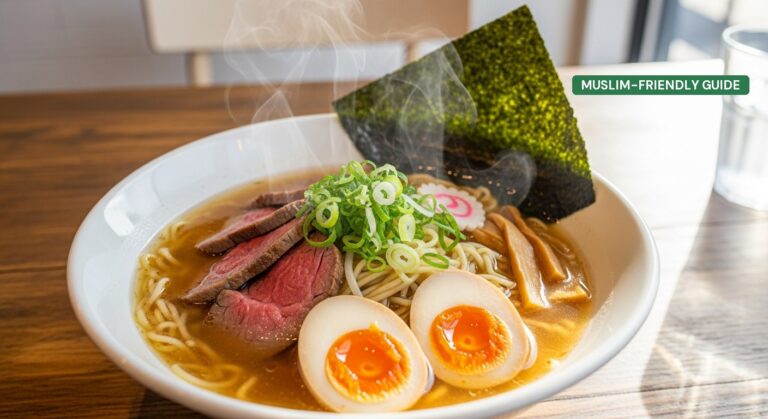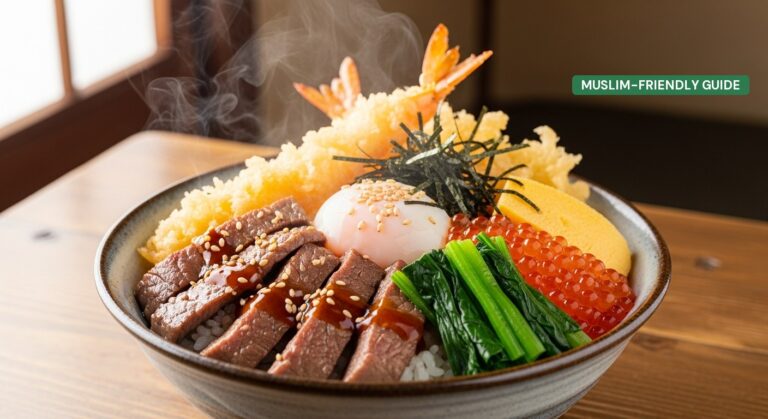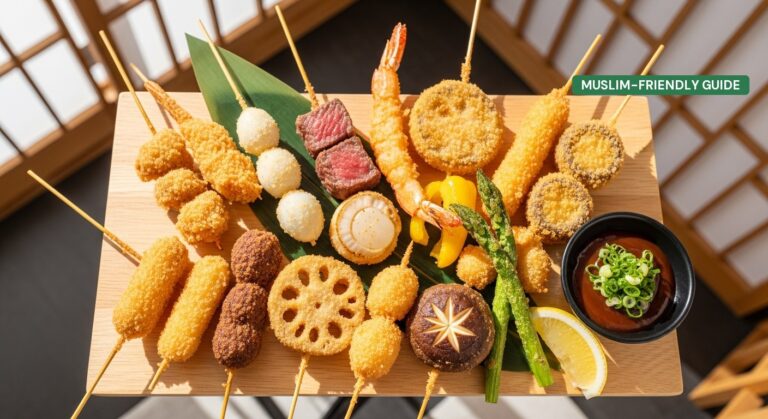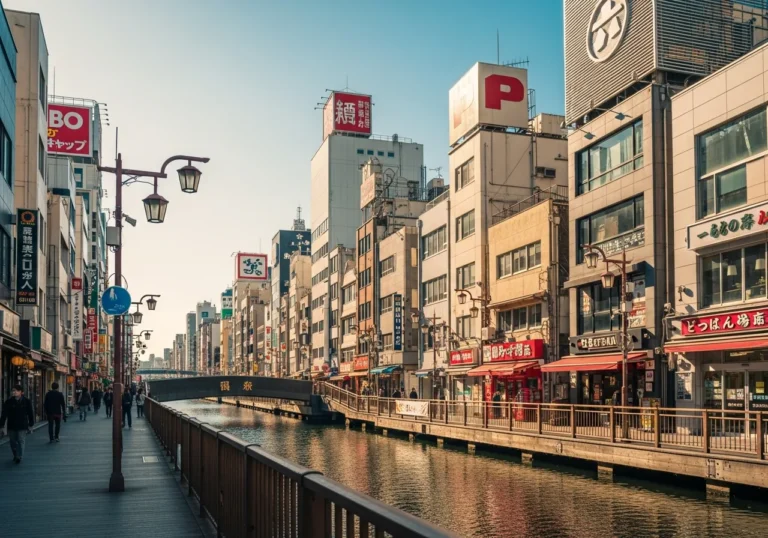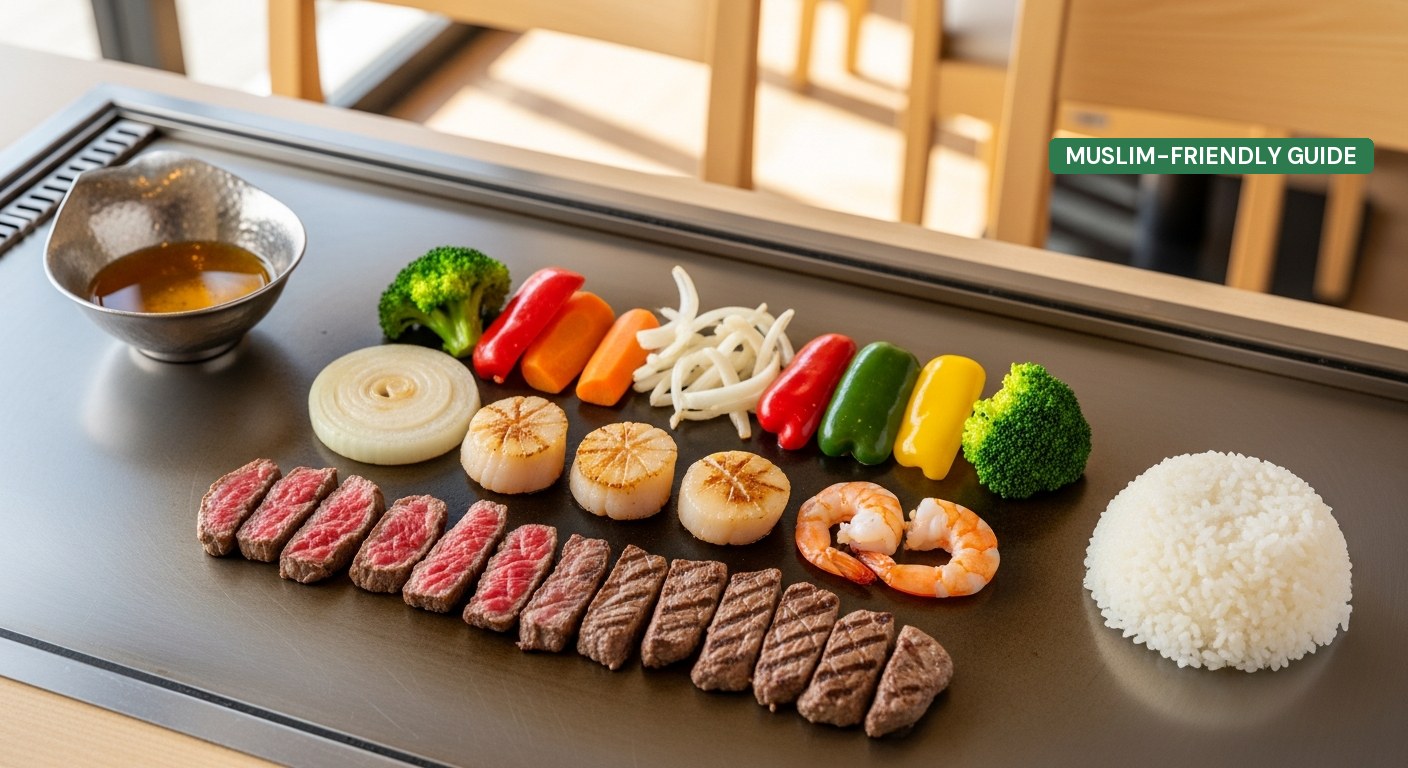
Looking for halal food in Osaka? The city has a small but growing number of Muslim-friendly and halal-certified spots where you can eat teppanyaki — iron-plate cooking — without worrying about pork or alcohol in the kitchen. This guide covers three verified venues, from a lively Dotonbori okonomiyaki chain to a hotel counter serving A5 wagyu, all confirmed open as of mid-2026. Bookmark our Osaka halal guide for the full picture.
MICHI’s Pick — Selected by our Osaka-based team, based on places we’ve visited and on research using Tabelog and Google Maps ratings. In Japan, a Tabelog score of 3.4+ is genuinely high — Japanese reviewers are famously strict, and most locals consider anything above 3.4 a place worth a detour. We feature venues meeting at least one of: Tabelog 3.4+, Google Maps 4.3+, or 100+ reviews — the kind of spots locals quietly trust.
Tabelog and Google Maps scores are accurate as of the time of writing.
1. CHIBO Diversity Dotonbori
The Dotonbori branch of the long-established CHIBO chain opened in 2018 with a dedicated Muslim-friendly menu, offering okonomiyaki made with halal-certified ingredients and teppanyaki using Japanese domestic halal Wagyu beef.
- ☪️ Halal status: Muslim-friendly
- 🥩 Must-order: Halal Wagyu Sirloin Teppanyaki (¥3,500~)
- 📍 Access: Namba Station (5 min walk) / Shinsaibashi Station (6 min walk)
- 🕒 Hours: 12:00–21:00 (Open daily)
- 📞 Reservation: Recommended
- 🧎 Prayer room: Available on-site
- 🍷 Alcohol served: Yes
- 🗣 English menu: Yes
- 🗺 View on Google Maps
- 🔗 Source: groovyjapan.com
What to order: CHIBO uses halal-certified meat and Muslim-friendly seasonings across its teppanyaki dishes, including wagyu sirloin steak, and all dishes are prepared without any contact with pork or alcohol. The halal section sits on the 7th floor with a separate kitchen, so you can dine with genuine peace of mind. Portions are large — ideal for sharing between two.
—
2. Teppanyaki Icho (Hotel Nikko Osaka)
Located inside Hotel Nikko Osaka in Shinsaibashi, Teppanyaki Icho will prepare halal dishes on a dedicated halal teppanyaki grill if you inform them at the time of reservation.
- ☪️ Halal status: Muslim-friendly
- 🥩 Must-order: Halal Wagyu Teppanyaki Course (¥8,000~)
- 📍 Access: Shinsaibashi Station (direct connection, Exit 8)
- 🕒 Hours: 11:30–14:30, 17:30–21:30 (Closed: check with hotel)
- 📞 Reservation: Required
- 🧎 Prayer room: None
- 🍷 Alcohol served: Yes
- 🗣 English menu: Yes
- ⭐ Rating: Google 3.3 (as of writing)
- 🗺 View on Google Maps
- 🔗 Source: muslim-guide.jp
What to order: The hotel uses halal-certified meat for its Muslim-friendly menu and carefully checks the ingredient list of all seasonings before use. Dishes are cooked on a 3 cm thick iron griddle for a perfect moist interior and crispy exterior, and the enticing aroma of flambé is part of the quintessential teppanyaki experience. Book the halal course explicitly when reserving — at least 24 hours in advance is advisable.
—
3. Halal Ramen Naniwaya (formerly Naritaya)
Halal Restaurant Naritaya Osaka — now operating as Naniwaya — is located at 1-7-23 Higashi Shinsaibashi, Chuo-ku, and offers a diverse menu from authentic ramen and mazesoba to halal wagyu specialties.
- ☪️ Halal status: halal-certified
- 🍽️ Must-order: Halal Wagyu Yakiniku Plate (¥2,200~)
- 📍 Access: Shinsaibashi Station (5 min walk)
- 🕒 Hours: 12:00–15:00, 18:00–21:30 (Closed: check official site)
- 📞 Reservation: Recommended
- 🧎 Prayer room: Available on-site
- 🍷 Alcohol served: No
- 🗣 English menu: Limited
- 🗺 View on Google Maps
- 🔗 Source: naniwaya-osaka.com
What to order: The restaurant holds halal certification from Japan Islamic Trust, and its most popular items are the halal wagyu menu — including halal wagyu steak, wagyu yakiniku rice bowl, wagyu katsu, and wagyu curry and rice. No alcohol or pork is sold on the premises, and a prayer room is available for Muslim guests. This is the most alcohol-free, cross-contamination-conscious option of the three — ideal for travelers who want a fully halal environment. To explore more of Osaka after your meal, the Shinsaibashi shopping arcade is a two-minute walk away.
—
Frequently Asked Questions
Q. Is it easy to find halal food in Osaka?
Osaka has more halal-certified and Muslim-friendly restaurants than most Japanese cities, concentrated around Dotonbori, Shinsaibashi, and Namba. That said, dedicated teppanyaki venues with halal options remain rare — the three shops in this article represent the most reliably verified choices as of mid-2026. Always call ahead or check the restaurant’s official site before visiting, as halal policies can change. You’ll find a broader overview in the best food in Osaka.
Q. What does “Muslim-friendly” mean in Japan?
In Japan, “Muslim-friendly” typically means a restaurant uses halal-certified meat and avoids pork and alcohol in the dishes it designates as halal — but it does not necessarily mean the entire kitchen is halal-only or that a third-party certifying body has audited the premises. “Halal-certified” is a stronger label, meaning a recognised Islamic body (such as Japan Islamic Trust or MPJA) has formally certified the restaurant or specific menu items. When in doubt, ask staff directly which certifying body issued the certificate.
Q. Are there prayer rooms near halal restaurants in Osaka?
CHIBO Diversity Dotonbori and Halal Ramen Naniwaya both have on-site prayer rooms with wudu facilities — a genuine convenience in central Osaka. Teppanyaki Icho at Hotel Nikko Osaka does not have a dedicated prayer room, but the Osaka Mosque (Namba area) is approximately 15 minutes away on foot. Several department stores in Shinsaibashi and Namba also have multi-faith prayer spaces.
Q. What hidden ingredients should Muslim travelers watch out for in Japan?
The most common hidden issues in Japanese cooking are mirin (sweet rice wine used in sauces and marinades), sake (cooking wine added to broths and glazes), lard (used in some ramen broths and fried dishes), and bonito-based dashi (fish stock that may be processed alongside non-halal items). Even at Muslim-friendly restaurants, sauces like okonomiyaki sauce or tare may contain trace alcohol from fermented soy sauce — always ask staff to confirm which specific items on the halal menu have been checked for these ingredients.
Last updated: July 4, 2026 · Corrections: [email protected]