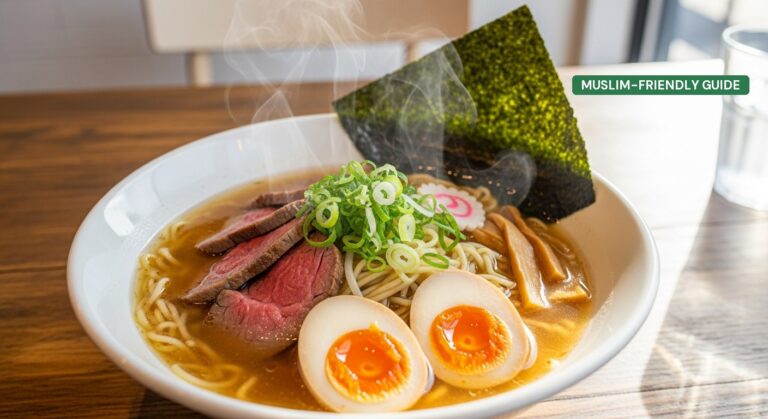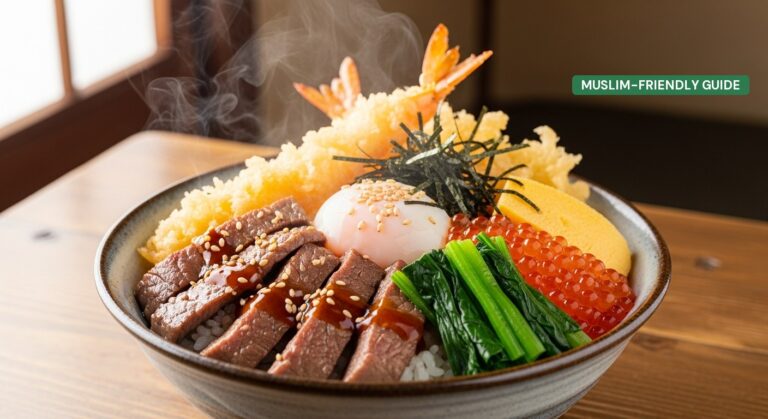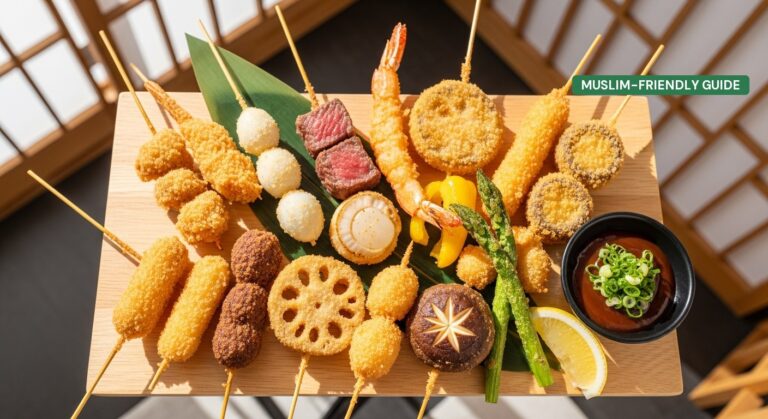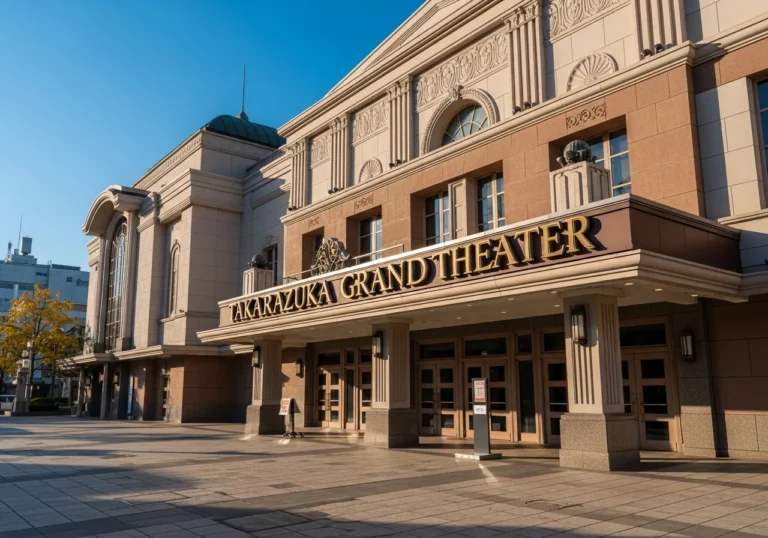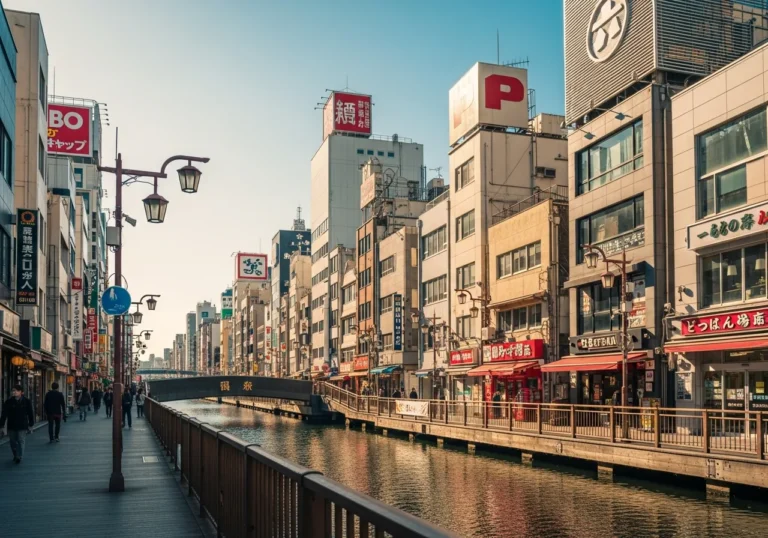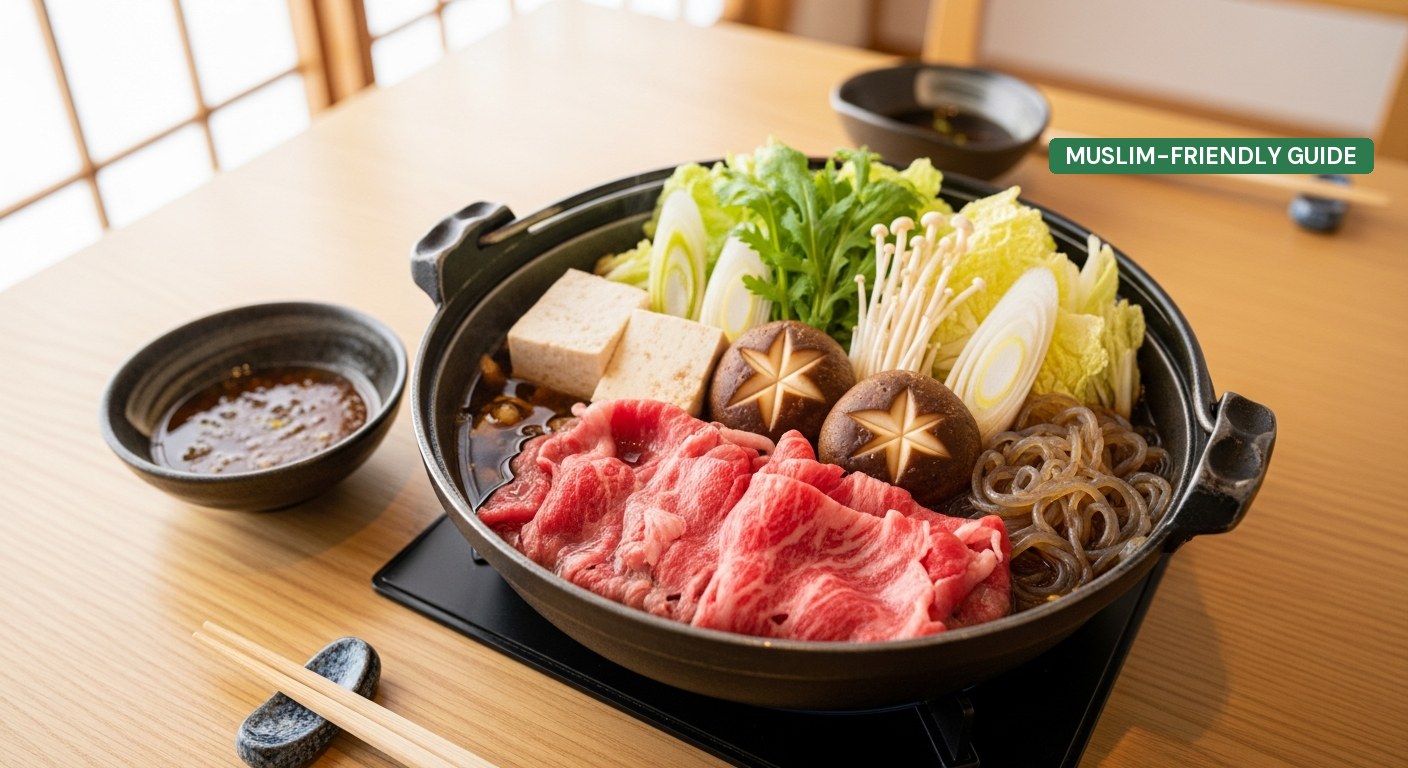
Looking for halal food in Osaka? The city has a growing number of verified halal and Muslim-friendly sukiyaki restaurants — from budget-friendly all-you-can-eat hotpots in Namba to A5 wagyu kaiseki in Juso and halal-certified wagyu sukiyaki in Shinsaibashi. Whether you’re after a casual lunch or a special-occasion dinner, check our Osaka halal guide for the full picture.
MICHI’s Pick — Selected by our Osaka-based team, based on places we’ve visited and on research using Tabelog and Google Maps ratings. In Japan, a Tabelog score of 3.4+ is genuinely high — Japanese reviewers are famously strict, and most locals consider anything above 3.4 a place worth a detour. We feature venues meeting at least one of: Tabelog 3.4+, Google Maps 4.3+, or 100+ reviews — the kind of spots locals quietly trust.
Tabelog and Google Maps scores are accurate as of the time of writing.
1. BULLS (ブルズ) — Namba OCAT
BULLS is a restaurant that serves halal Japanese cuisine such as shabu-shabu, sukiyaki, and steak. It is the most accessible halal sukiyaki option in central Osaka, sitting inside the OCAT building directly above JR Namba Station.
- ☪️ Halal status: Muslim-friendly
- 🍲 Must-order: Sukiyaki Set (¥1,500 lunch / ¥3,500 dinner)
- 📍 Access: JR Namba Station (1 min walk, inside OCAT 5F)
- 🕒 Hours: 11:00–15:00 (LO 14:30), 17:00–22:00 (LO 21:30) (Open daily)
- 📞 Reservation: Recommended
- 🧎 Prayer room: Available on-site
- 🍷 Alcohol served: Yes
- 🗣 English menu: Yes
- 🗺 View on Google Maps
- 🔗 Source: halalgourmet.jp
What to order: BULLS uses different tableware, kitchen utensils, and storage for halal foods, and sources halal meat that Japanese diners find delicious, with condiments changed to halal-friendly items. The lunch sukiyaki set is ¥1,500 (tax included), while the dinner all-you-can-eat sukiyaki and shabu-shabu runs 90 minutes for ¥5,000. The sweet soy broth is rich and warming — order the sukiyaki set at lunch for the best value.
2. Wagyu Sukiyaki GYUMON (牛門) — Shinsaibashi
At Wagyu Sukiyaki Gyumon, thinly sliced A5 halal wagyu beef simmers gently in a sweet soy-based broth; set in the lively Shinsaibashi district, the restaurant combines Japanese tradition with halal integrity, offering Muslim diners a chance to enjoy one of Japan’s most iconic hot pot meals without compromise.
- ☪️ Halal status: halal-certified
- 🍲 Must-order: A5 Wagyu Sukiyaki Course (from ¥4,600)
- 📍 Access: Nagahoribashi Station (3 min walk) / Shinsaibashi Station (8 min walk)
- 🕒 Hours: Lunch & Dinner (check TableCheck for current slots) (Open daily)
- 📞 Reservation: Required
- 🧎 Prayer room: None
- 🍷 Alcohol served: No
- 🗣 English menu: Yes
- ⭐ Rating: Google 4.7 (Tripadvisor) (as of writing)
- 🗺 View on Google Maps
- 🔗 Source: groovyjapan.com
What to order: Gyumon holds 100% Halal status, certified by a Halal Authority. Located 248 metres from Nagahoribashi Station, you can enjoy the finest A5 wagyu beef sukiyaki in a relaxed atmosphere — this is the only restaurant in the Gyumon Group where you can enjoy the traditional Japanese dish, sukiyaki. Book via TableCheck in advance; walk-ins are rarely possible at dinner. If you want to explore more of Osaka after your meal, Shinsaibashi’s shopping arcade is right on your doorstep.
3. WASHOKU KADEN — Hotel Plaza Osaka, Juso
For Muslims craving authentic Japanese cuisine, the restaurant WASHOKU KADEN inside Hotel Plaza Osaka is a strong choice, offering halal-friendly kaiseki meals in a convenient location — just a 5-minute train ride from Osaka Umeda to Hankyu Kobe Line’s Juso Station, followed by a 5-minute walk.
- ☪️ Halal status: Muslim-friendly
- 🍲 Must-order: Halal-Certified Beef Sukiyaki & Tempura Set (¥5,000)
- 📍 Access: Juso Station (5 min walk)
- 🕒 Hours: Weekdays 11:30–14:30 (LO 14:00), 17:00–21:30 (LO 21:00) (Closed: check hotel calendar)
- 📞 Reservation: Required
- 🧎 Prayer room: None
- 🍷 Alcohol served: Yes
- 🗣 English menu: Yes
- 🗺 View on Google Maps
- 🔗 Source: plazaosaka.com
What to order: The Halal Certified Beef Sukiyaki & Tempura Set is ¥5,000, and the Halal Certified Beef Sukiyaki & Tempura & Temakizushi Set is ¥6,000. Reservations for the halal menu must be made at least three days in advance. Private rooms are available, making this an excellent choice for families or groups who want a quiet, refined setting. The kitchen uses only halal-certified meat and halal-certified seasonings for the halal menu, with cutting boards, knives, bowls, fryers, and other cooking utensils used separately for halal use only.
4. Halal Washoku Minori (ハラール和食みのり) — Matsuyamachi
HALAL WASHOKU MINORI is a halal Japanese restaurant in Osaka offering traditional dishes such as shabu-shabu and sukiyaki made with halal-certified ingredients. It is one of the few spots in the city where you can enjoy wagyu sukiyaki in a traditional tatami-style setting.
- ☪️ Halal status: halal-certified
- 🍲 Must-order: Wagyu Sukiyaki (price on request)
- 📍 Access: Matsuyamachi Station (5 min walk)
- 🕒 Hours: 11:00–21:00 approx. (Open daily — confirm directly)
- 📞 Reservation: Recommended
- 🧎 Prayer room: Available on-site
- 🍷 Alcohol served: No
- 🗣 English menu: Limited
- 🗺 View on Google Maps
- 🔗 Source: washokuminori.jp
What to order: Guests appreciate the wagyu sukiyaki, shabu-shabu, karaage, beef ramen, and tempura shrimp — as well as the proper prayer space and accommodating staff. Halal Washoku Minori is particularly known for its authentic Japanese shabu-shabu and sukiyaki, with the A5 wagyu being a standout dish. The basement-level dining room with floor seating gives it a distinctly local feel that sets it apart from hotel restaurants. For more ideas on where to eat across the city, browse the best food in Osaka.
Frequently Asked Questions
Q. Is it easy to find halal food in Osaka?
Easier than almost anywhere else in Japan. Osaka is the easier of the two major Kansai cities for halal dining — the food scene is denser, the certification options are broader, and several major venues installed prayer rooms during the run-up to Expo 2025. For sukiyaki specifically, you now have certified and Muslim-friendly options across Namba, Shinsaibashi, Juso, and Matsuyamachi.
Q. What does “Muslim-friendly” mean in Japan?
In Japan, “Muslim-friendly” typically means a restaurant has removed pork and alcohol from a specific menu and uses halal-certified meat, but the kitchen may not be exclusively halal. Some venues explicitly state that although they are not certified by any halal certification body, they have established a halal-friendly policy under the guidance of experts, and their kitchen is not dedicated to halal food but is used for general meals as well. Always ask about cross-contamination if this matters to you.
Q. Are there prayer rooms near halal restaurants in Osaka?
Yes — and increasingly inside them. BULLS in Namba is very popular among Muslims, and a prayer space is now available as a response to requests from many customers. Halal Washoku Minori in Matsuyamachi also has an on-site prayer room. For larger dedicated prayer facilities, the Osaka Muslim Association mosque in Ibaraki is the main option for the wider Kansai region.
Q. What hidden ingredients should Muslim travelers watch out for in Japan?
Mirin, sake, and dashi appear in many “plain-looking” Japanese dishes — even at a Muslim-friendly venue, ask specifically about seasonings, not only meat. Sukiyaki sauce (warishita) traditionally contains mirin, which is alcohol-based; at the restaurants listed here, halal-certified or alcohol-free alternatives are used, but it is always worth confirming when you book.
Last updated: July 9, 2026 · Corrections: [email protected]