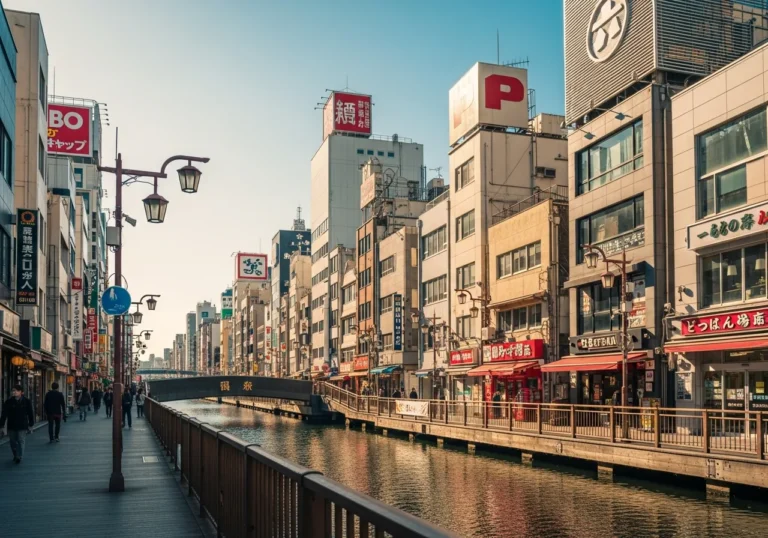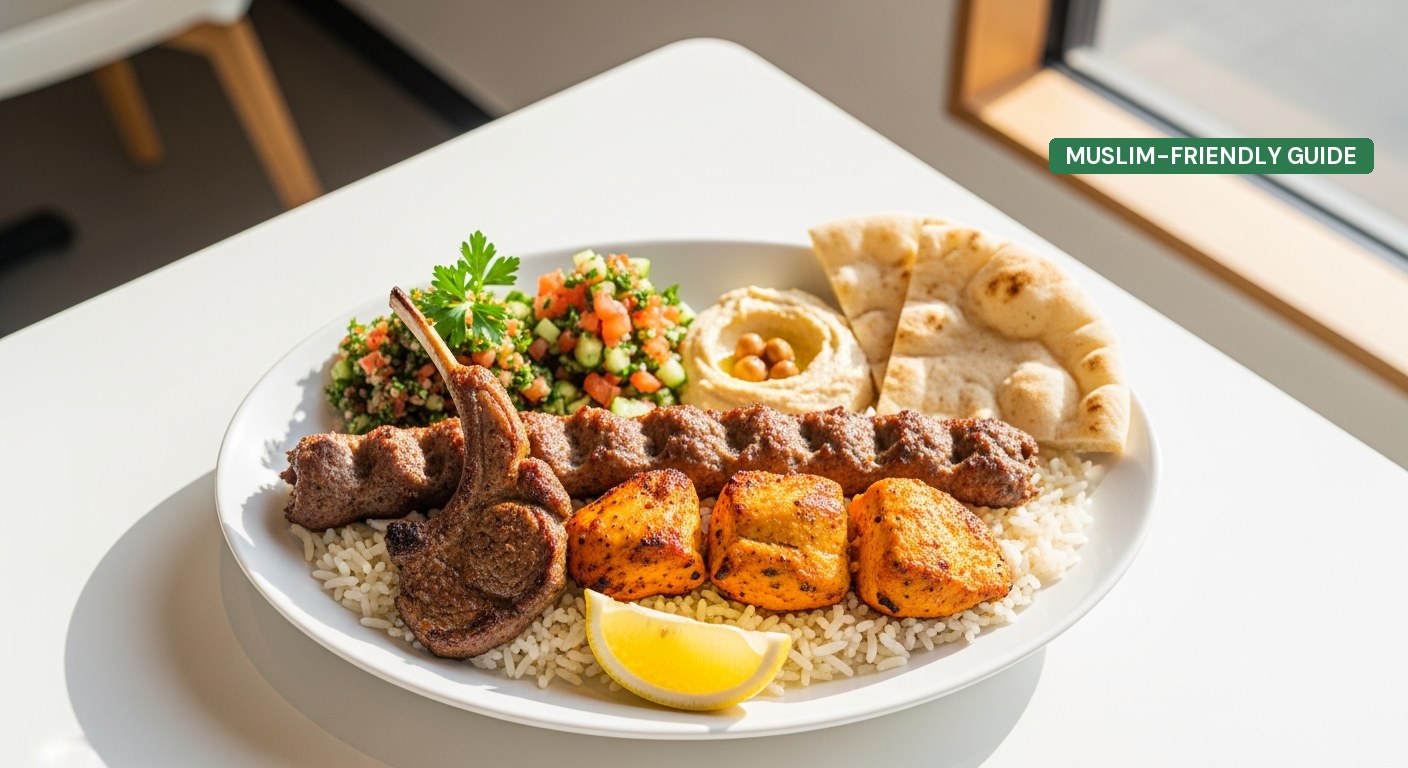
Looking for halal food in Osaka? The city has a growing cluster of Turkish and Middle Eastern grills — from Persian kebab specialists near Shinsaibashi to a halal-certified Turkish restaurant in Tennoji. Whether you want a sit-down feast or a quick doner wrap, check our Osaka halal guide for the full picture. Four verified spots are covered below.
MICHI’s Pick — Selected by our Osaka-based team, based on places we’ve visited and on research using Tabelog and Google Maps ratings. In Japan, a Tabelog score of 3.4+ is genuinely high — Japanese reviewers are famously strict, and most locals consider anything above 3.4 a place worth a detour. We feature venues meeting at least one of: Tabelog 3.4+, Google Maps 4.3+, or 100+ reviews — the kind of spots locals quietly trust.
Tabelog and Google Maps scores are accurate as of the time of writing.
1. Hafez
The go-to halal restaurant for Iranian, Turkish, Indian, and Middle Eastern dishes in Osaka — run single-handedly by a warm Iranian owner who personally confirms every dish is halal.
- ☪️ Halal status: Muslim-friendly
- 🍢 Must-order: Joojeh Kebab with basmati rice (¥1,800)
- 📍 Access: Yotsubashi Station (3 min walk)
- 🕒 Hours: 12:00–14:30 / 18:00–22:00 (Closed: Monday)
- 📞 Reservation: Recommended
- 🧎 Prayer room: None
- 🍷 Alcohol served: No
- 🗣 English menu: Yes
- ⭐ Rating: Tabelog 3.31 / (86 Tabelog reviews) (as of writing)
- 🗺 View on Google Maps
- 🔗 Source: tabelog.com
What to order: The Joojeh Kebab is perfectly cooked, juicy, and full of flavour; the Kobeedah kebab with basmati rice is equally praised for its rich flavours and fluffy rice. Both come with fresh salad and warm bread — a complete, satisfying halal meal.
2. Nazar (ナザール) — Shinsaibashi
Nazar offers a variety of authentic Turkish dishes that are Muslim-friendly, welcoming guests with warm hospitality, colorful interiors, and a cozy atmosphere that feels like stepping into Turkey.
- ☪️ Halal status: Muslim-friendly
- 🍢 Must-order: İskender Kebab (¥2,000)
- 📍 Access: Shinsaibashi Station (3 min walk)
- 🕒 Hours: 12:00–15:00 (Sat/Sun/Public holidays only) / 17:30–23:30 (Closed: Open daily)
- 📞 Reservation: Recommended
- 🧎 Prayer room: Available on-site
- 🍷 Alcohol served: Yes
- 🗣 English menu: Limited
- 🗺 View on Google Maps
- 🔗 Source: halalgourmet.jp
What to order: The İskender Kebab is the undisputed star — tender döner slices placed over pide bread soaked in tomato sauce, topped with cool yogurt, then finished tableside with sizzling melted butter poured over the dish. It is rich, dramatic, and deeply satisfying.
3. Ali’s Kitchen
Since 2012, Ali’s Kitchen has been serving traditional halal biryanis, masalas, and other authentic dishes from Pakistan and the Middle East, and is known as the first Pakistani and Middle Eastern food establishment to offer a 100% halal menu in Osaka.
- ☪️ Halal status: Muslim-friendly
- 🍛 Must-order: Seekh Kebab with naan (¥1,200)
- 📍 Access: Shinsaibashi Station (1 min walk)
- 🕒 Hours: 12:00–22:00 (Open daily)
- 📞 Reservation: Not needed
- 🧎 Prayer room: Available on-site
- 🍷 Alcohol served: No
- 🗣 English menu: Yes
- 🗺 View on Google Maps
- 🔗 Source: halalfoodinjapan.com
What to order: The restaurant is renowned for its diverse selection of Pakistani, Arabic, Indian, and Middle Eastern dishes; signature items like tandoori kebabs, chicken biryani, and falafel are favorites among visitors. The Seekh Kebab with garlic naan is the quickest way to understand why this basement spot earned a Michelin Bib Gourmand.
4. Karakushu (カラクシュ)
Karakushu serves kebab sandwiches and stretchy Turkish ice cream as takeout, alongside home-cooked Turkish café dishes — a casual, wallet-friendly stop in the Namba–Den Den Town corridor.
- ☪️ Halal status: Muslim-friendly
- 🥙 Must-order: Doner Kebab sandwich (¥800)
- 📍 Access: Nankai Namba Station (4 min walk)
- 🕒 Hours: 11:00–21:00 (Open daily)
- 📞 Reservation: Not needed
- 🧎 Prayer room: None
- 🍷 Alcohol served: Yes
- 🗣 English menu: Limited
- 🗺 View on Google Maps
- 🔗 Source: halalgourmet.jp
What to order: The doner kebab sandwich is the signature grab-and-go item — halal-sourced meat shaved from the rotisserie and wrapped with fresh vegetables. Finish with a pull of stretchy Turkish dondurma ice cream for the full experience. If you want to explore more of Osaka after lunch, Den Den Town and Shinsekai are both a short walk away.
Frequently Asked Questions
Q. Is it easy to find halal food in Osaka?
Easier than most Japanese cities. Osaka has a growing number of Turkish, Middle Eastern, Pakistani, and Arabic restaurants that serve fully halal menus, particularly around Shinsaibashi, Namba, and Tennoji. Apps like Halal Gourmet Japan and the Osaka Mosque’s halal corner list are reliable starting points.
Q. What does “Muslim-friendly” mean in Japan?
In Japan, “Muslim-friendly” typically means the restaurant uses halal-sourced meat and avoids pork and lard, but may not hold a formal halal certificate from a recognised certifying body. It does not automatically mean alcohol is absent from the premises — always check the 🍷 line in each shop card above before visiting.
Q. Are there prayer rooms near halal restaurants in Osaka?
Nazar in Shinsaibashi has a prayer room available on-site. Ali’s Kitchen also has a prayer space. For other areas, the Osaka Mosque (Ibaraki) maintains an updated list of prayer facilities, and major shopping centres such as Abeno Harukas near Tennoji have designated prayer rooms.
Q. What hidden ingredients should Muslim travelers watch out for in Japan?
Mirin (sweet rice wine) and sake are used in many Japanese sauces, marinades, and broths — including seemingly plain dishes like teriyaki glaze, ramen tare, and dashi stock. Lard is sometimes used in ramen and fried rice. At the restaurants listed here, the owners use halal-sourced ingredients and are accustomed to answering questions in English — ask directly if you are unsure about a specific dish.
Last updated: June 26, 2026 · Corrections: [email protected]