Last updated: July 3, 2026
This article reflects information available at the time of writing. Check Google Maps for the latest hours and availability.
Introduction
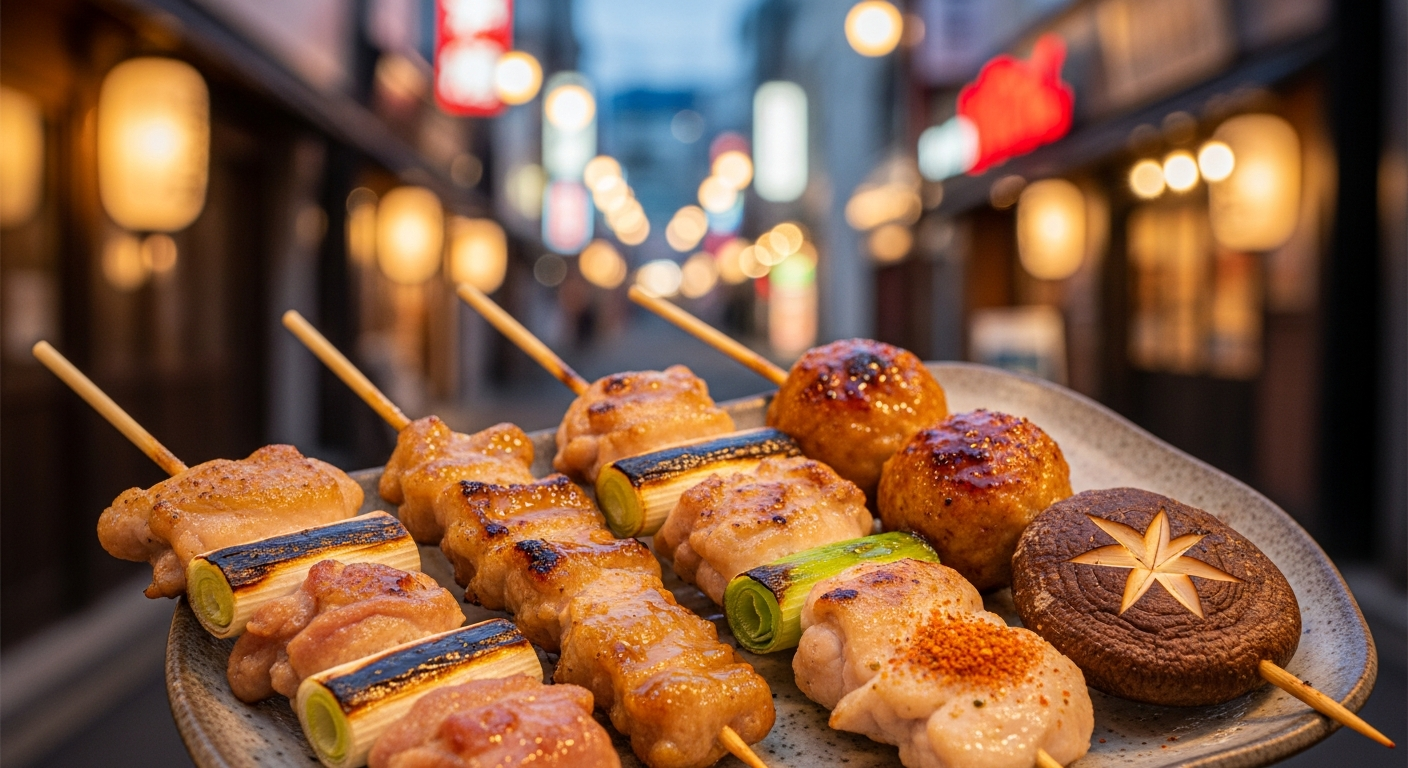
Tsuruhashi has a reputation problem — and it’s entirely undeserved. Ask most visitors what to eat here and they’ll say yakiniku, full stop. The Korean barbecue streets are real and worth your time, but they’ve completely overshadowed a quieter, smokier tradition that’s been running in the neighbourhood’s back alleys for decades: charcoal yakitori.
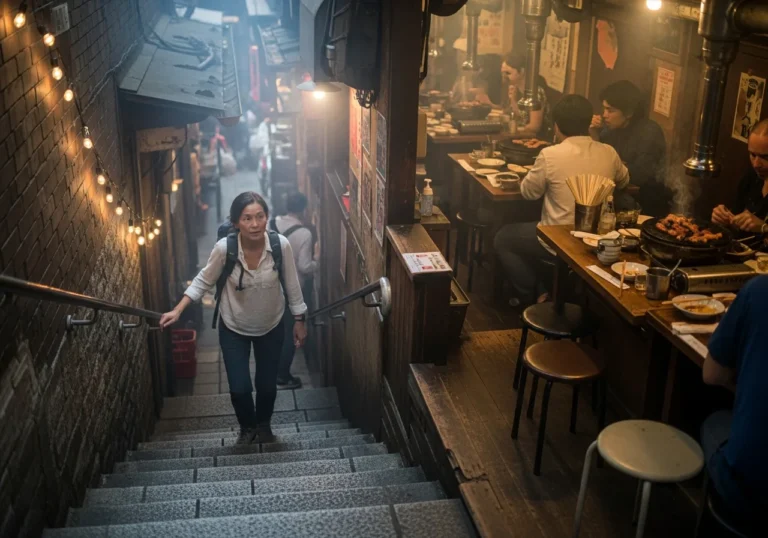
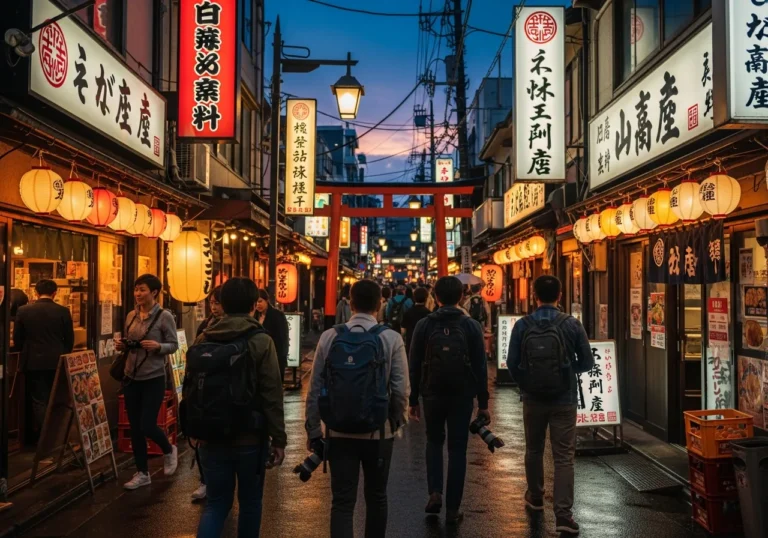
The yakitori spots in Tsuruhashi don’t look like the polished counter bars you’d find in Fukushima or Kitashinchi. They’re tucked into converted shophouses, wedged under train viaducts, and lit by the amber glow of binchotan coals. The clientele is mostly local — shift workers, market traders, regulars who’ve been coming since before you were born. Prices are honest. The chicken is fresh. Nobody is performing for tourists.
What makes this neighbourhood different is the sourcing. Several shops here use named regional breeds — Yamato Jidori from Nara, Amakusa Daio from Kumamoto — that you’d pay considerably more for in Shinsaibashi. The proximity to Tsuruhashi’s wholesale market keeps supply chains short and quality high.
This guide covers three charcoal-grill specialists worth going out of your way for. They’re not famous. They don’t need to be. If you want to understand the best food in Osaka beyond the obvious hits, start here — and explore more of Tsuruhashi while you’re at it.
1. Tsugumiya (鶫屋)
- 📍 2-8-20 Tsuruhashi, Ikuno-ku, Osaka (near Tsuruhashi Station east exit)
- 🕐 Mon, Wed–Thu, Sun & holidays: 17:30–23:00 (food LO 22:00) / Fri, Sat & holiday eves: 17:30–23:30 (food LO 22:00) (as of May 2026)
- 💰 ¥3,000–¥5,000 per person (food only) / ¥4,500–¥7,000 (with drinks)
- 🚃 Tsuruhashi Station (5 min walk)
- 🗺 Open in Google Maps
- 📋 Tabelog
- 🌐 Official site
What to order: Hontsukune charcoal-grilled meatball with Ranoh egg (¥550); Yamato Jidori skewer assortment (¥300–¥450 per skewer)
Tsugumiya is the most distinctive yakitori bar in the neighbourhood — not because of the chicken, but because of what comes alongside it. The owner sources Yamato Jidori from Nara and Amakusa Daio from Kumamoto, grilling each skewer over charcoal one by one. The house tsukune is made with a konjac paste worked into the mix, giving it a bouncier texture than the standard meatball. The konjac theme runs through the whole menu: there’s a konjac soba to close out the meal that’s become something of a cult item among regulars. The ground floor runs as a bar-style counter; the upstairs tatami room fits groups. Craft beer on rotating taps, good natural sake list. Closed Tuesdays.
2. Yakitori Umu Tsuruhashi (焼鳥うむ 鶴橋)
- 📍 2-8-18 Tsuruhashi, Ikuno-ku, Osaka
- 🕐 Daily 09:00–23:00 (food LO 22:30) (as of May 2026)
- 💰 ¥2,000–¥3,000 per person (food only) / ¥2,500–¥4,000 (with drinks)
- 🚃 Tsuruhashi Station (1 min walk)
- 🗺 Open in Google Maps
- 📋 Tabelog
- 🌐 Official site
What to order: Hine-tori momo-niku shio-yaki — aged chicken thigh, natural salt (¥390); negima skewer (¥390)
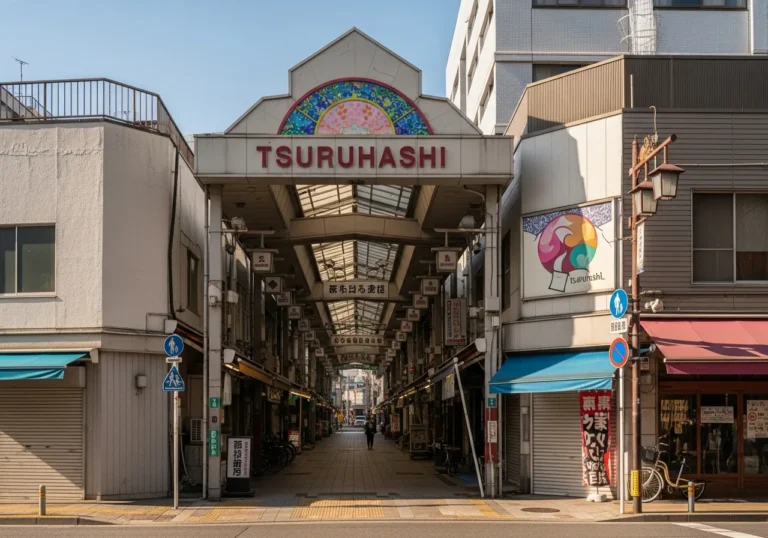
The fact that this place opens at 9am tells you everything about who it’s for. Umu sits in a converted old shophouse right off the market arcade, and the morning crowd is exactly what you’d expect: market workers, early-shift regulars, and the occasional night-owl finishing a long evening. The charcoal grill runs all day. The signature is the hine-tori — older, tougher chicken with more concentrated flavour than standard broiler — grilled over coals and finished with nothing but natural salt. Skewers run ¥390 across the board, which is about as fair as it gets in Osaka. The ground floor counter seats face the grill; the second floor has tables for groups up to 70.
3. Sumimoto (炭元)
- 📍 3-20-32 Higashi-Kobashi, Higashinari-ku, Osaka
- 🕐 Dinner from 17:00; closed Sundays (confirm ahead) (as of May 2026)
- 💰 ¥2,500–¥4,000 per person (food only) / ¥3,500–¥5,500 (with drinks)
- 🚃 Tsuruhashi Station (6 min walk)
- 🗺 Open in Google Maps
- 📋 Tabelog
What to order: Chicken sashimi assortment — momo tataki, liver, sasami (¥900); seseri with yuzu kosho (¥300); tsukune (¥300)
Sumimoto is the kind of place that doesn’t advertise itself. It’s a charcoal izakaya a short walk east of the station, and the draw is the chicken sashimi — a full assortment of momo tataki, breast, liver, and sasami, all served raw or lightly seared, sourced fresh enough that it’s genuinely worth the risk if you’re comfortable with it. The yakitori skewers are priced at ¥200–¥400 and cover the full range of cuts: seseri (neck), kawa (skin), sunazuri (gizzard), haramiand the house tsukune. The room is small, the counter faces the grill, and the owner keeps the pace unhurried. This is a MICHI Osaka travel guide favourite for a reason: it rewards the extra six-minute walk from the station.
How to Order
Most yakitori bars in Tsuruhashi operate on a per-skewer ordering system — you call out what you want as you go, rather than ordering everything upfront. At smaller counter spots like Sumimoto, it’s fine to simply say “omakase” (leave it to the chef) for the first round and let the grill dictate the pace.
The two key choices for each skewer are tare (a sweet soy-based glaze) or shio (salt). For higher-quality cuts — thigh, breast, seseri — go shio first so you can taste the chicken itself. Tare works well on fattier cuts like kawa (skin) and tsukune.
At Umu, skewers are ¥390 flat, so ordering freely won’t break the bank. Budget ¥1,500–¥2,000 for a solid round of six to eight skewers plus a drink. At Tsugumiya, the course menus (from ¥2,500 per person) are worth considering for groups — they include the konjac dishes that you’d otherwise have to know to ask for.
None of these three shops have English menus, but pointing at neighbouring tables or using Google Translate’s camera function works fine. The staff at all three are accustomed to non-Japanese speakers navigating the menu.
FAQ
Q: Is yakitori in Tsuruhashi expensive?
A: No. Skewers at Umu are a flat ¥390. At Sumimoto, most skewers run ¥200–¥400. A full evening with drinks — six to eight skewers, a couple of sides, two or three drinks — typically lands between ¥2,500 and ¥4,500 per person. Tsugumiya runs slightly higher if you order the premium breed skewers, but you’re still looking at ¥3,000–¥5,000 all-in.
Q: Do these shops have English menus?
A: None of the three have dedicated English menus. Tsugumiya and Umu both have photo menus or visual displays that make ordering manageable. At Sumimoto, the menu is handwritten — Google Translate’s camera mode handles it well. Pointing at what other diners are eating is always a reliable fallback.
Q: When is the best time to visit?
A: Weekday evenings between 18:00 and 20:00 are your best window — busy enough to feel lively, but you’ll get a counter seat without waiting. Friday and Saturday nights at Tsugumiya fill up fast; book ahead or arrive right at opening (17:30). Umu is the only option if you want yakitori before noon — it opens at 9am and the morning crowd is genuinely worth experiencing.
Information is accurate as of May 2026. We recommend checking Google Maps for the latest hours and prices before visiting.