Last updated: July 3, 2026
This article reflects information available at the time of writing. Check Google Maps for the latest hours and availability.
Introduction
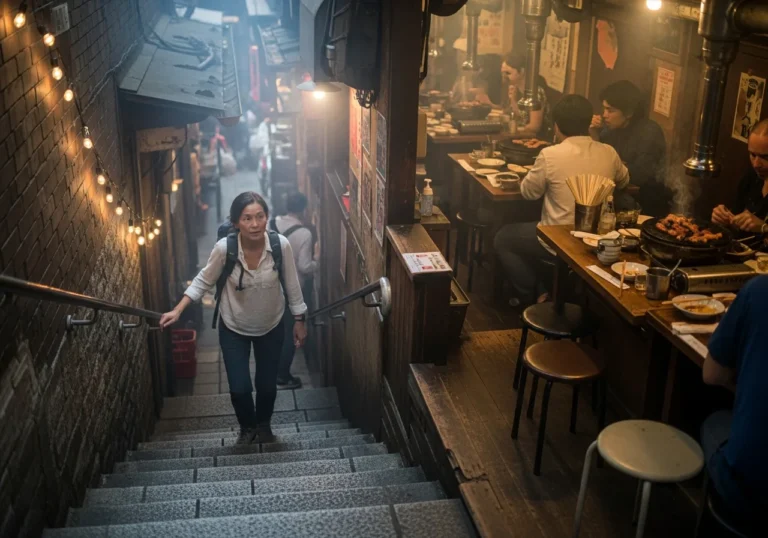
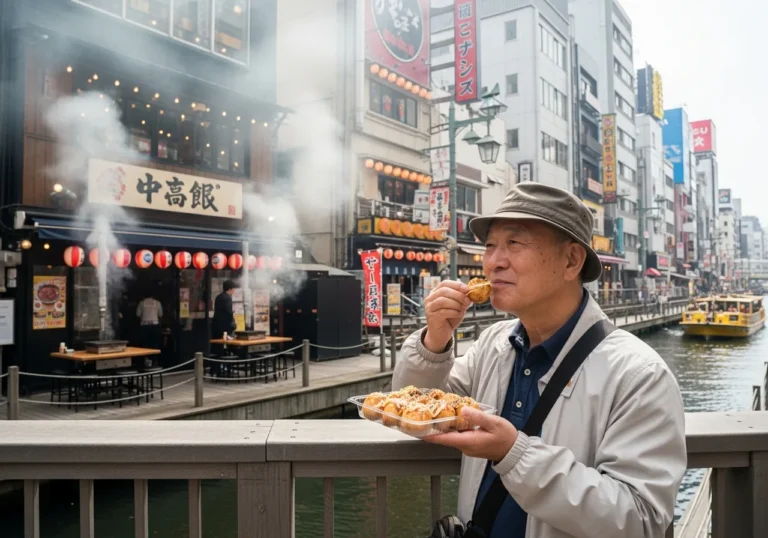
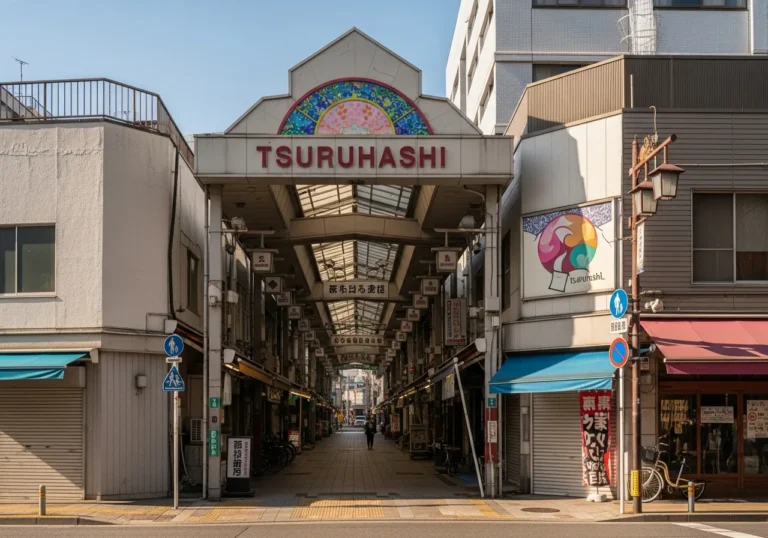
Tsuruhashi doesn’t do subtle. Step off the train and the smell hits you first — charcoal smoke and sesame oil drifting out of the covered market alleys before you’ve even reached street level. This is Osaka’s Korean quarter, the largest in western Japan, and it runs on lunch. the best food in Osaka doesn’t always require a reservation or a big budget — and Tsuruhashi is proof of that.
The neighbourhood splits into two distinct eating zones. Around the station’s west exit, you get the old-school yakiniku strip: narrow lanes under the train tracks, smoke-blackened ventilation hoods, and lunch sets that have barely changed in price since the 1980s. Walk ten minutes south and you’re in Koreatown proper — the covered shopping streets of Tsuruhashi Hontoori and Miyuki-dori, where kimbap rolls are made to order, tteokbokki bubbles in street-side pots, and Korean-style set lunches come with four or five banchan without you having to ask.
The range here is genuinely wide. You can eat a bowl of ramen for under ¥1,000, grill wagyu harami over charcoal for ¥1,500, or sit down to a full samgyeopsal set with rice and soup for ¥1,200. Most places open for lunch from 11:30am, but the market stalls get going earlier. Crowds peak between noon and 1pm on weekdays; weekends are busier from 11am. To explore more of Tsuruhashi beyond the obvious yakiniku strip, this guide covers eight spots across the full spectrum — from a 57-year-old yakiniku institution to a Tabelog-ranked ramen counter that opened in the last few years.
1. Yakiniku Daikichi (焼肉 蔘鶏湯 大吉 鶴橋店)
- 📍 1-9-18 Tsuruhashi, Tennoji-ku, Osaka 543-0062
- 🕐 Lunch: 11:30am–3:00pm; Dinner: 5:00pm–11:00pm (as of May 2026)
- 💰 ¥1,200–¥2,000 (food only) / ¥2,000–¥3,500 (with drinks)
- 🚃 Tsuruhashi Station (1 min walk)
- 🗺 Open in Google Maps
- 📋 Tabelog
- 🌐 Official site
What to order: Yakiniku teishoku — 3-cut set (¥1,500), Samgyetang (¥1,800)
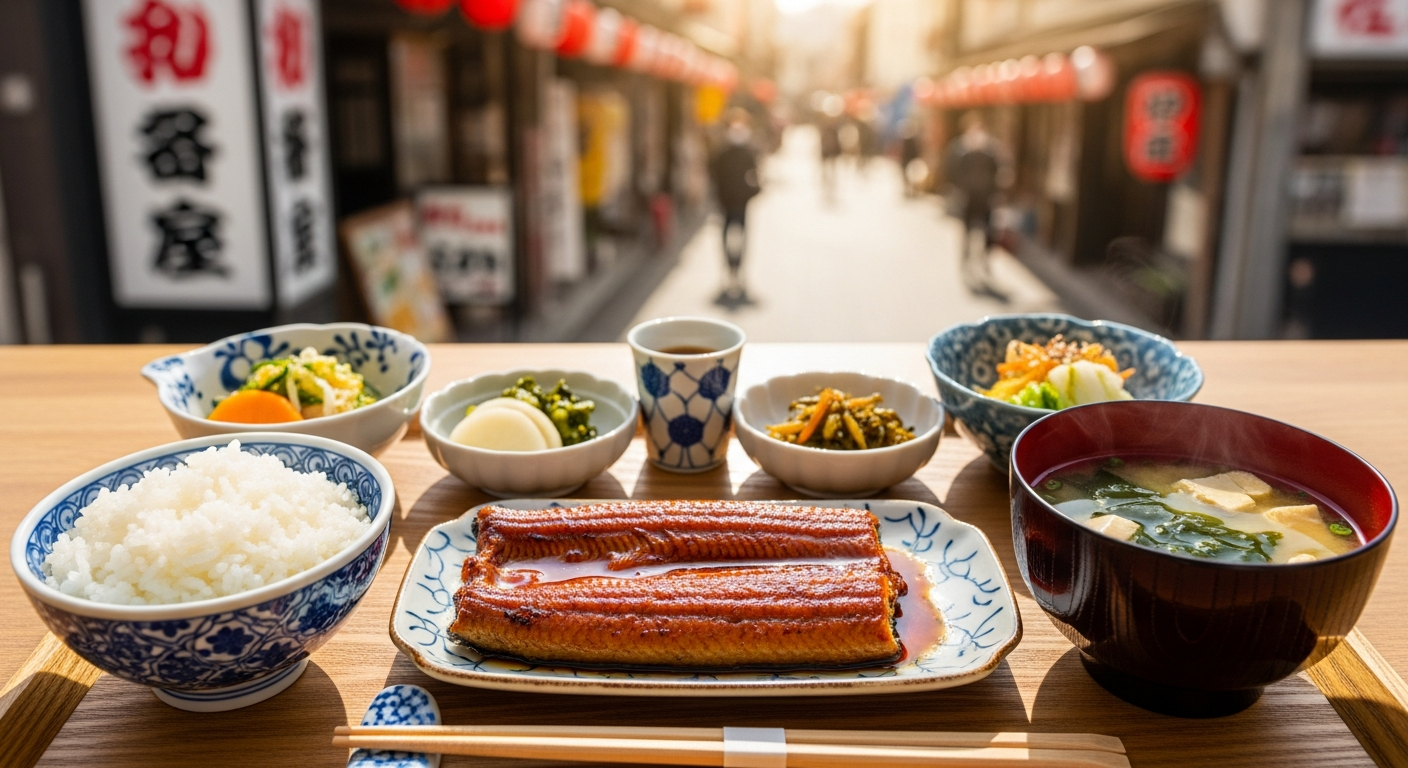
Founded in 1967, Daikichi is the kind of place that has celebrity autographs on the wall and doesn’t need to mention it twice. The lunch sets come with rice, wakame soup, house-made kimchi, and two types of namul — all included. The samgyetang, slow-cooked with Korean ginseng, jujube, and glutinous rice, has its own loyal following entirely separate from the yakiniku crowd.
2. Tsuruhashi Fugetsu Hon Ten (鶴橋風月 本店)
- 📍 2-1-17 Tsuruhashi, Ikuno-ku, Osaka 544-0034
- 🕐 11:00am–10:00pm (last order 9:30pm) (as of May 2026)
- 💰 ¥900–¥1,800 (food only)
- 🚃 Tsuruhashi Station (1 min walk)
- 🗺 Open in Google Maps
- 📋 Tabelog
What to order: Cheese and egg modern-yaki (¥1,200), pork okonomiyaki (¥950)
This is the original Tsuruhashi branch of the Fugetsu chain — the one that started it all over 60 years ago. The modern-yaki, loaded with Fugetsu’s signature thick-boiled noodles and finished with a sauce recipe unchanged for decades, is the move. Staff cook it on the teppan right in front of you, which makes the wait feel shorter than it is.
3. Ramen Fukurou (ラーメンフクロウ)
- 📍 2-8-7 Tsuruhashi, Ikuno-ku, Osaka 544-0034 (Silk Road Building 1F)
- 🕐 11:30am–3:00pm, 6:00pm–10:00pm; closed Tuesdays (as of May 2026)
- 💰 ¥1,000–¥1,500 (food only)
- 🚃 Tsuruhashi Station (3 min walk)
- 🗺 Open in Google Maps
- 📋 Tabelog
What to order: Spicy hormone mazesoba (¥1,280), add a seasoned egg (¥120)
A Tabelog Osaka Ramen 100 Famous Shops 2025 pick, Fukurou is a 12-seat counter shop that punches well above its size. The hormone mazesoba — chewy flat noodles tangled with beef offal, chicken thigh, kimchi, and a broth made from six types of shellfish and dried fish — is the kind of bowl that makes you want to come back the next day. Arrive before noon or expect a queue.
4. Maitsuru Daitsuru (麺と肉 だいつる 鶴橋店)
- 📍 1-1 Tsuruhashi, Ikuno-ku, Osaka 544-0034 (near Tsuruhashi Station underpass)
- 🕐 11:30am–3:00pm, 5:30pm–10:00pm; irregular holidays (as of May 2026)
- 💰 ¥1,000–¥1,500 (food only)
- 🚃 Tsuruhashi Station (1 min walk)
- 🗺 Open in Google Maps
- 📋 Tabelog
What to order: Spicy hormone mazesoba, regular size (¥1,280)
Daitsuru sits right at the station exit and does one thing: hormone noodles, customisable to your spice level and toppings. The broth uses kombu, bonito, sea bream, clams, scallops, and shijimi clams — you pour it in at the end to finish the bowl as a soup. Counter-only, 12 seats, and a Tabelog score of 3.65 that keeps the lunchtime line moving steadily.
5. Maguro Shokudo (まぐろ食堂)
- 📍 Inside Tsuruhashi Market (Osaka Tsuruhashi Ichiba), Tsuruhashi, Ikuno-ku, Osaka 544-0034
- 🕐 10:00am–3:00pm; closed Wednesdays (as of May 2026)
- 💰 ¥800–¥1,500 (food only)
- 🚃 Tsuruhashi Station (3 min walk)
- 🗺 Open in Google Maps
- 📋 Tabelog
What to order: Kaisen-don (seafood rice bowl, ¥1,200), maguro-zuke-don (marinated tuna bowl, ¥800)
A small tuna restaurant tucked inside the covered Tsuruhashi Market, Maguro Shokudo is the antidote to meat overload. The kaisen-don piles uni, ikura, tuna, and salmon over rice with a small udon on the side. It’s a proper market lunch — no frills, fast service, and fresh enough that the fish moves before noon.
6. Semawool Shokudo Tsuruhashi (セマウル食堂 鶴橋店)
- 📍 2-8-7 Tsuruhashi, Ikuno-ku, Osaka 544-0034 (Silk Road Building 1F)
- 🕐 11:30am–3:00pm (lunch), 5:00pm–11:00pm (dinner); open daily (as of May 2026)
- 💰 ¥1,000–¥2,000 (food only)
- 🚃 Tsuruhashi Station (3 min walk)
- 🗺 Open in Google Maps
- 📋 Tabelog
What to order: Samgyeopsal lunch set (¥1,500), sundubu jjigae set (¥1,100)
The Tsuruhashi branch of this Korean chain is more local-facing than the tourist-heavy Namba outlets — the lunch crowd here is mostly neighbourhood regulars and office workers from the surrounding streets. The samgyeopsal lunch set comes with wrapping leaves, a special green onion sauce, rice, and soup. Solid, consistent, and open every day.
7. Tsuruhashi Hontoori Kimbap Stalls (鶴橋本通商店街 キムパブ屋台)
- 📍 Tsuruhashi Hontoori Shopping Street, Ikuno-ku, Osaka 544-0034
- 🕐 Approx. 10:00am–5:00pm (individual stalls vary; most close by late afternoon) (as of May 2026)
- 💰 ¥300–¥600 per roll (takeaway)
- 🚃 Tsuruhashi Station (5 min walk)
- 🗺 Open in Google Maps
- 📋 Tabelog
What to order: Tuna kimbap (¥400–¥500), bulgogi kimbap (¥500)
The covered shopping street running south from the station is lined with Korean side-dish shops and a handful of stalls rolling kimbap to order. There’s no single “best” stall — the quality is consistent across most of them, and half the fun is picking one based on what’s freshest in the display case. Grab a roll, eat it standing, and keep walking. This is the fastest and cheapest lunch in the neighbourhood.
8. Tsuruhashi Yakiniku Kuu Honten (焼肉ホルモン 空 鶴橋本店)
- 📍 1-7-15 Tsuruhashi, Ikuno-ku, Osaka 544-0034
- 🕐 Lunch: 11:30am–3:00pm (Fri–Sun and holidays only); Dinner: 5:00pm–11:00pm daily (as of May 2026)
- 💰 ¥1,200–¥2,000 (food only at lunch)
- 🚃 Tsuruhashi Station (3 min walk)
- 🗺 Open in Google Maps
- 📋 Tabelog
What to order: Wagyu yakiniku teishoku Set A — salt tongue 30g + lunch kalbi 70g (¥1,300)
Kuu only started lunch service in 2020, and it’s been busy ever since. The back-alley location keeps the tourist foot traffic lower than the main strip, but locals know it. The wagyu lunch set comes with rice (free refills), salad, egg soup, and a free-drink bar — at ¥1,300, it’s one of the better-value wagyu lunches in the area. Note: lunch is weekends and holidays only; weekday lunch is not available.
How to Order
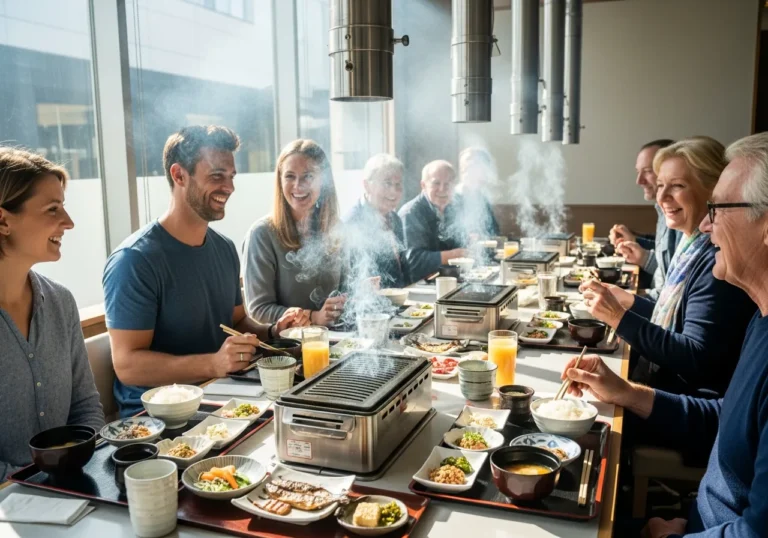
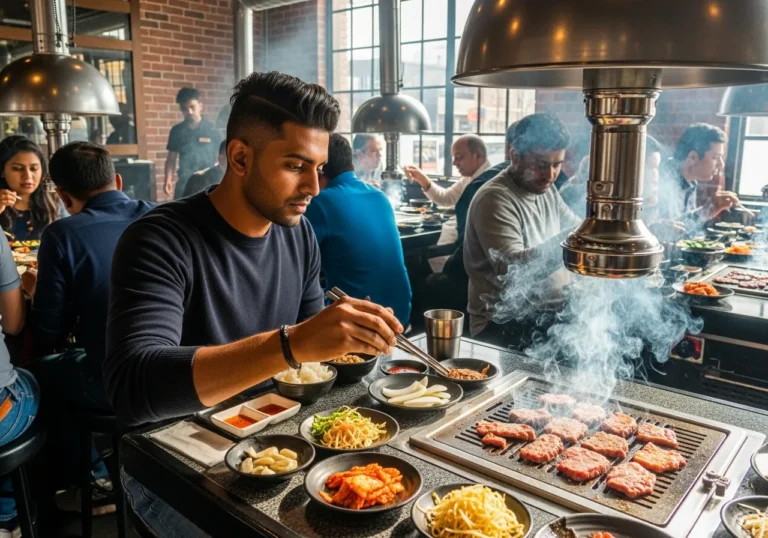
Most yakiniku restaurants in Tsuruhashi use table grills — charcoal at the older spots, smokeless electric at the newer ones. Lunch sets are almost always fixed combinations: meat + rice + soup + kimchi. You’ll rarely need to build your own order from scratch. Point at the menu photo or say the set number and you’re done.
For Korean set meals (bibimbap, sundubu, samgyeopsal), the side dishes (banchan) come automatically — don’t order them separately. Rice refills are free at most places. At ramen and mazesoba counters, you typically order at a ticket machine near the entrance; look for the photo buttons if you can’t read Japanese.
The kimbap stalls in Koreatown are walk-up and takeaway only. Point at what you want, pay cash, and they’ll wrap it in foil. Most stalls don’t have seating — eat standing or find a bench in the covered arcade.
A few practical notes: many Tsuruhashi restaurants are cash-only, particularly the older yakiniku spots and market stalls. Bring ¥3,000–¥5,000 in cash to be safe. English menus are rare outside the larger chain restaurants, but photo menus are common. Google Translate’s camera function handles most situations.
FAQ
Q: Is lunch in Tsuruhashi expensive?
A: No. Yakiniku lunch sets run ¥1,200–¥2,000 per person including rice and sides. Korean set meals (bibimbap, jjigae) are ¥900–¥1,500. Kimbap from the market stalls is ¥300–¥600 per roll. Ramen and mazesoba land around ¥1,000–¥1,300. You can eat very well for under ¥1,500.
Q: Do restaurants in Tsuruhashi have English menus?
A: Rarely at the older yakiniku spots and market stalls. Chain restaurants like Semawool Shokudo and Tsuruhashi Fugetsu usually have photo menus or multilingual options. For everything else, Google Translate’s camera mode works well — most menus have photos alongside the Japanese text.
Q: When is the best time to visit for lunch?
A: Arrive by 11:30am to beat the rush. The yakiniku strip and popular ramen counters fill up fast between noon and 1pm, especially on weekends. The Koreatown shopping streets are busiest on Saturday and Sunday afternoons — if you want the kimbap stalls without a crowd, go on a weekday morning. Most restaurants stop lunch service at 2:30–3:00pm, so don’t leave it too late.
Q: Is Tsuruhashi easy to get to?
A: Very. Tsuruhashi Station is served by three lines — JR Osaka Loop Line, Osaka Metro Sennichimae Line, and Kintetsu Railway — making it a straightforward 10–15 minute ride from Namba, Tennoji, or Osaka/Umeda. The MICHI Osaka travel guide has full transport details for getting around the city.
Information is accurate as of May 2026. We recommend checking Google Maps for the latest hours and prices before visiting.