Last updated: July 3, 2026
This article reflects information available at the time of writing. Check Google Maps for the latest hours and availability.
Introduction
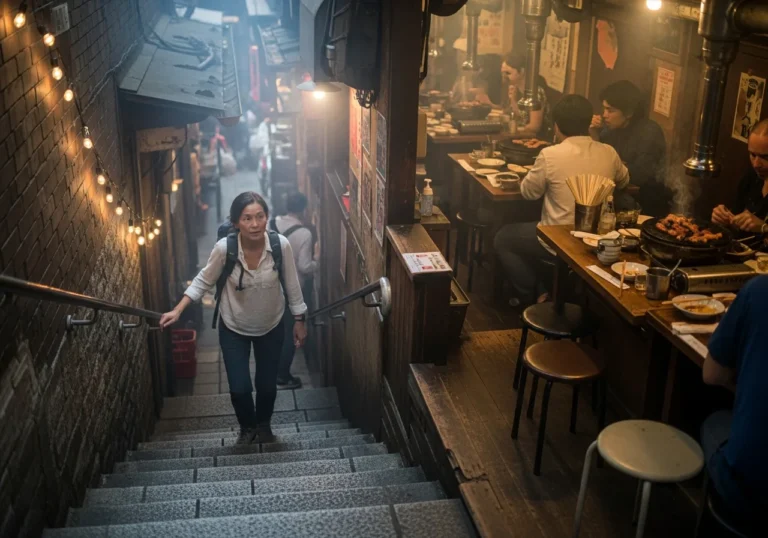
Step off the train at Tsuruhashi and the smell hits you before you’ve even cleared the ticket gates — charcoal smoke, sesame oil, and something frying nearby. Tsuruhashi is Osaka’s Koreatown, and Japan’s largest Korean district. That’s not marketing copy. It’s just the reality of a neighbourhood that has been feeding Osaka’s Korean community for generations, and now draws visitors from across Japan and the world.
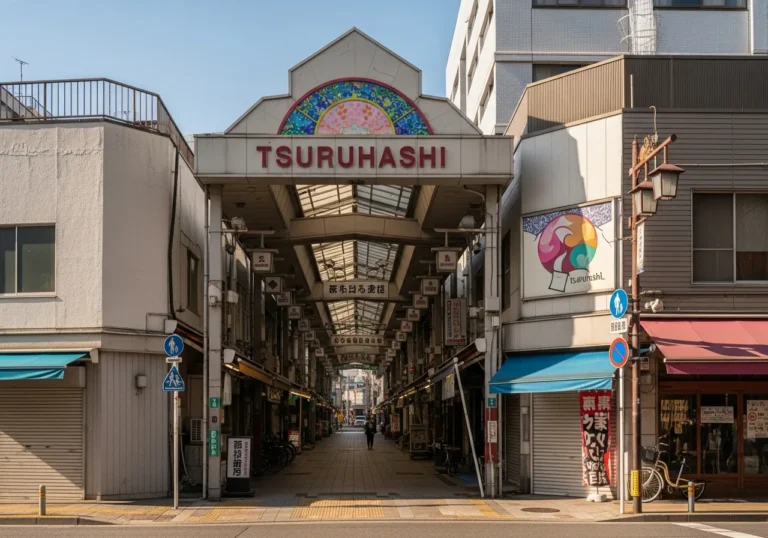
Tsuruhashi station is surrounded by six markets and shopping streets, with Korean restaurants, clothing shops, and grocery stores numbering more than 800. The area actually splits into two distinct zones: the tight, smoky lanes of Tsuruhashi Shopping Street right outside the station, and the broader, more photogenic Miyuki-dori (also called Ikuno Koreatown or Osaka Koreatown), a 15-minute walk south. Both are worth your time, and this guide covers the best eating across both.
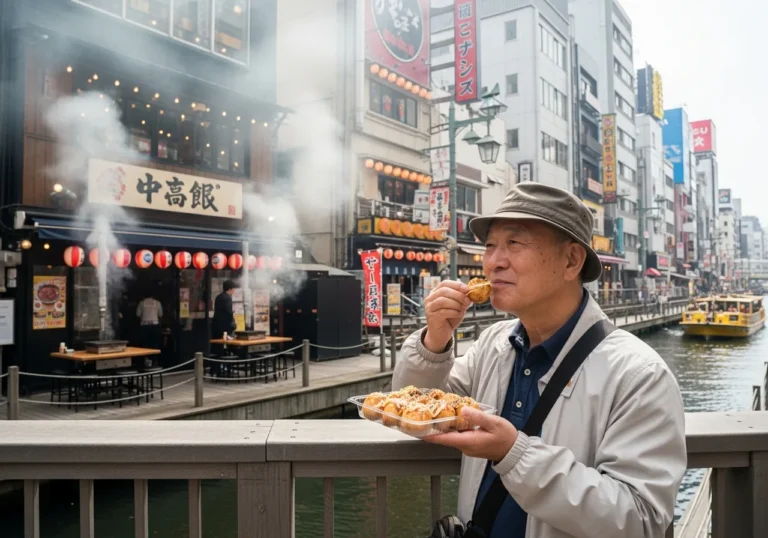
What you’ll find here isn’t a theme-park version of Korean food. The market is lined primarily with yakiniku restaurants and shops selling Korean foods like kimchi and buchimgae Korean pancakes, but also packed with shops selling traditional clothing, fresh fish, meat, and much more. For the best food in Osaka, this neighbourhood punches well above its tourist profile — the yakiniku alone justifies the trip. Come hungry, wear something you don’t mind smelling of smoke, and plan to eat in stages. One meal won’t cut it.
One practical note: many shops in Tsuruhashi’s market area close on Wednesdays, so plan your visit for any other day of the week. Weekends are lively but crowded; a weekday lunch is the sweet spot.
1. Yakiniku Horumon Sora Tsuruhashi Sohonten (焼肉ホルモン空 鶴橋総本店)
- 📍 1-10 Shimoadachi-cho, Tennoji-ku, Osaka
- 🕐 11:00–22:00, closed Tuesdays (as of May 2026)
- 💰 ¥2,000–¥4,000 per person (food only) / ¥3,000–¥5,500 (with drinks)
- 🚃 JR / Kintetsu / Subway Tsuruhashi Station (3 min walk)
- 🗺 Open in Google Maps
- 📋 Tabelog
What to order: Horumon (offal) set (¥1,200–¥1,800), kalbi short rib (¥1,500)
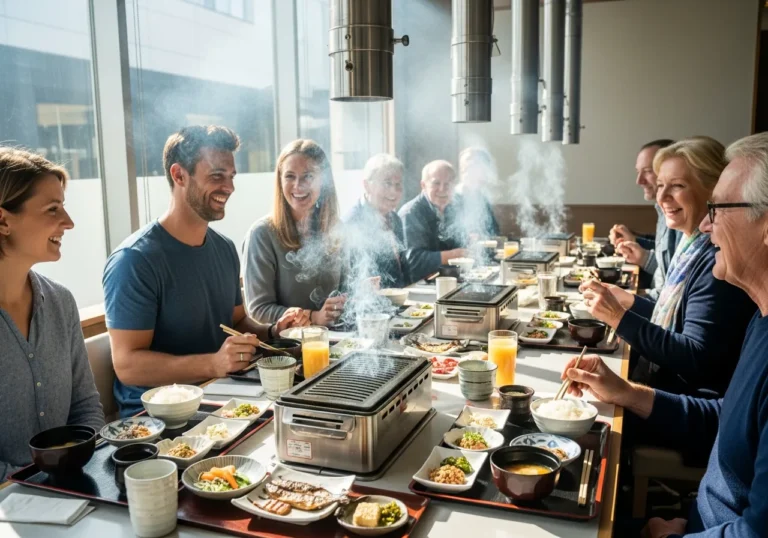
Tsuruhashi is the yakiniku mecca of Osaka, and many of its best restaurants are directly operated by butchers, offering high-quality meat at excellent value. Sora is the one locals point to when visitors ask where to actually eat — queues form daily, the smoke is real, and the horumon is the reason to come. The Tsuruhashi flagship is open 11:00–22:00 and closed on Tuesdays (except public holidays).
2. Mugi no Ie (麦の家)
- 📍 Tsuruhashi Shopping Street, Ikuno-ku, Osaka (near JR Tsuruhashi Station north exit)
- 🕐 9:00–16:00 (or until sold out), closed Wednesdays (as of May 2026)
- 💰 ¥500–¥1,200 per person
- 🚃 JR Tsuruhashi Station (2 min walk)
- 🗺 Open in Google Maps
- 📋 Tabelog
What to order: Yakiniku kimbap with wagyu (¥800–¥1,000), Bakudan kimbap (¥900)
The queue outside Mugi no Ie is a reliable landmark in Tsuruhashi — it’s almost always there. This kimbap specialist makes everything to order, and the rolls sell out most days before closing time. The yakiniku kimbap uses black-wagyu beef; the bakudan version is stuffed with a thick-cut tamagoyaki that makes each roll genuinely filling. Get here before noon if you want options. Hours run 9:00–16:00, or until sold out.
3. Doi Shoten (土井商店)
- 📍 Tsuruhashi Market, Ikuno-ku, Osaka
- 🕐 9:00–19:00 (until 19:30 Sundays and holidays), open daily (as of May 2026)
- 💰 ¥300–¥1,200 per person
- 🚃 JR / Kintetsu / Subway Tsuruhashi Station (3 min walk)
- 🗺 Open in Google Maps
- 📋 Tabelog
What to order: Seafood buchimgae / pajeon (¥400–¥700), Korean seaweed rolls (¥300–¥500)
When you pass by Doi Shoten, you’ll catch the smell of buchimgae pancakes being grilled. You can buy food like buchimgae and Korean seaweed rolls as takeout or sit down in the dine-in space. The shop values authentic and traditional Korean tastes, with a large variety of buchimgae including tilefish, beef tendon, chives, and more. The seaweed rolls use Korean-imported nori and are seasoned with sesame oil — grab one to eat while you walk the market.
4. Fukuichi (福一)
- 📍 Tsuruhashi Shopping Street area, Ikuno-ku, Osaka
- 🕐 11:00–21:00, closed Wednesdays (as of May 2026)
- 💰 ¥1,000–¥2,500 per person (food only)
- 🚃 JR Tsuruhashi Station (5 min walk)
- 🗺 Open in Google Maps
- 📋 Tabelog
What to order: Seafood jeon (¥900–¥1,200), lunch set with banchan (¥1,200–¥1,800)
Fukuichi is the kind of sit-down lunch spot that Tsuruhashi regulars steer friends toward when they want something more substantial than street food. The thick seafood jeon arrives crispy on the outside and chewy inside, and the lunch sets come with a spread of banchan side dishes that make the price feel like a bargain. Multiple 2025 guides flag it as the best-value Korean restaurant in the area, and the portions back that up.
5. Songhot Osaka (ソンホット大阪)
- 📍 2-16-21 Tsuruhashi, Ikuno-ku, Osaka
- 🕐 9:00–18:00, open daily (as of May 2026)
- 💰 ¥300–¥700 per person
- 🚃 JR Tsuruhashi Station (8 min walk)
- 🗺 Open in Google Maps
- 📋 Tabelog
What to order: Mozzarella Cheese Dog (¥480)
Songhot, which opened in 2023, is the corn-dog shop most worth your time in Koreatown — they’re freshly fried and genuinely crispy, taking 5–7 minutes from order to hand. The Mozzarella Cheese Dog at ¥480 delivers chewy mozzarella that stretches with every bite. Top it with sugar and mustard sauce. It’s messy, it’s hot, and it’s exactly what you want while walking the market.
6. Koufuku Shokudo (幸福食堂)
- 📍 Near JR Tsuruhashi Station, Ikuno-ku, Osaka
- 🕐 11:30–21:00, closed Wednesdays (as of May 2026)
- 💰 ¥1,200–¥2,500 per person (food only)
- 🚃 JR Tsuruhashi Station (2 min walk)
- 🗺 Open in Google Maps
- 📋 Tabelog
What to order: Cheese dak-galbi (¥1,500–¥1,800), pork cartilage stir-fry (¥1,200)
Two minutes from the station and a world away from the tourist-facing stalls, Koufuku Shokudo is a proper Korean home-cooking restaurant. K-pop plays on the TV, idol photos cover the walls, and the food is the kind of thing you’d eat at someone’s house in Seoul. The cheese dak-galbi — spicy chicken and vegetables blanketed in molten cheese — is the signature dish. Wrap it in perilla leaves and eat it fast before the cheese sets.
7. Toyoda Shoten (豊田商店)
- 📍 Miyuki-dori Shopping Street (Ikuno Koreatown), Ikuno-ku, Osaka
- 🕐 9:00–18:00 weekdays, 9:00–18:00 weekends and holidays (as of May 2026)
- 💰 ¥500–¥3,000 (kimchi to take home)
- 🚃 JR Tsuruhashi Station (15 min walk) or JR Momodani Station (5 min walk)
- 🗺 Open in Google Maps
- 📋 Tabelog
What to order: Handmade baechu kimchi (¥800–¥2,000 per pack), yangnyeom chicken skewer (¥100 per skewer)
Toyoda Shoten sells purely handmade kimchi, and to ensure quality, they source peppers and garlic from specific growing regions. The ¥100 yangnyeom chicken skewers out front are the best-value snack in the whole market — spicy, sticky, and gone in two bites. If you’re buying kimchi to take home, the vacuum-packed versions travel well. Sample before you buy; the staff expect it.
8. Rakuen (楽園)
- 📍 Miyuki-dori Shopping Street (Ikuno Koreatown), Ikuno-ku, Osaka
- 🕐 10:00–18:00, open daily (as of May 2026)
- 💰 ¥200–¥800 per person
- 🚃 JR Tsuruhashi Station (15 min walk) or JR Momodani Station (5 min walk)
- 🗺 Open in Google Maps
- 📋 Tabelog
What to order: Rice cake assortment, small (¥500), hotteok (¥200)
The colourful rice cakes displayed at the front of Rakuen are hard to walk past. You’ll find steamed black soybean and sesame rice cakes alongside mugwort and purple sweet potato varieties, and the ¥500 assortment includes six flavours. The hotteok at ¥200 — a grilled wheat-and-rice-flour pancake filled with brown sugar syrup and cocoa powder — has a distinctive hit of cinnamon. Eat it immediately; it’s best when the sugar inside is still liquid.
How to Order
Tsuruhashi operates across two distinct zones, and knowing which you’re in changes how you eat. The Tsuruhashi Shopping Street area (right outside the station) is denser, smokier, and more focused on yakiniku and market stalls. Miyuki-dori (Ikuno Koreatown), a 15-minute walk south, is the broader pedestrian street with the famous gate — better for street food, kimchi shops, and cafes.
For yakiniku restaurants, most operate on a ticket machine or table-order system. Point at the menu photos if you’re unsure — staff are used to it. Many yakiniku spots offer lunch sets until 3:00 or 4:00pm that include rice, kimchi, and a salad alongside the meat, which is significantly better value than ordering à la carte at dinner.
Street food stalls are cash-and-carry. Have small bills ready (¥1,000 notes are fine). Most stalls don’t have seating — you eat standing or walking. For sit-down restaurants, a few have picture menus; English menus are rare but not unheard of. Google Translate’s camera function handles Korean and Japanese menus well enough to get you through an order.
Wednesday is the market’s traditional closing day. Many food shops in the Tsuruhashi market area are closed on Wednesdays, so if you’re coming specifically for the market stalls and kimchi shops, avoid that day. Cafes and clothing stores tend to stay open regardless.
To explore more of Tsuruhashi beyond the food, the Osaka Korea Town Museum (¥300 entry) on Miyuki-dori gives useful context on the neighbourhood’s history and is worth 30 minutes of your time.
FAQ
Q: Is eating in Tsuruhashi expensive?
A: Not at all. Street food runs ¥200–¥700 per item. A proper sit-down Korean lunch with banchan costs ¥1,200–¥2,000. Yakiniku dinner with drinks lands around ¥3,000–¥5,000 per person. It’s one of the better-value eating neighbourhoods in Osaka.
Q: Do shops in Tsuruhashi have English menus?
A: Rarely, but most yakiniku and Korean restaurants have photo menus that make ordering manageable. Street food stalls are point-and-pay. Google Translate’s camera mode works well on both Korean and Japanese menus. A few newer cafes have bilingual menus.
Q: When is the best time to visit?
A: Weekday mornings (from around 10:00) are the calmest. Weekends get genuinely crowded by noon, especially on Miyuki-dori. If you want kimbap from Mugi no Ie, arrive before 11:00 — it sells out. Avoid Wednesdays if your main goal is food; most market stalls are closed. The area is liveliest and most atmospheric on Saturday afternoons, if crowds don’t bother you.
Q: How do I get to Tsuruhashi?
A: Tsuruhashi Station is served by JR, Kintetsu, and the Osaka Metro Sennichimae Line, making it easy to reach from most parts of Osaka. From Namba, it’s about 10 minutes on the Kintetsu Osaka Line. From Osaka Station, take the JR Loop Line to Tsuruhashi (about 15 minutes). For Miyuki-dori (Ikuno Koreatown), JR Momodani Station is closer — one stop further on the Loop Line.
Q: Is Tsuruhashi worth visiting if I’ve already been to Korea?
A: Yes, but with adjusted expectations. The food is genuinely good — not a pale imitation — but the neighbourhood has its own Osaka-Japanese-Korean hybrid character that’s different from Seoul. The yakiniku culture here, in particular, is something you won’t find in Korea. Think of it as its own thing rather than a substitute.
For more ideas on where to eat across the city, check out MICHI Osaka travel guide for neighbourhood-by-neighbourhood breakdowns.
Information is accurate as of May 2026. We recommend checking Google Maps for the latest hours and prices before visiting.