Last updated: July 19, 2026
This article reflects information available at the time of writing. Check Google Maps for the latest hours and availability.
Introduction
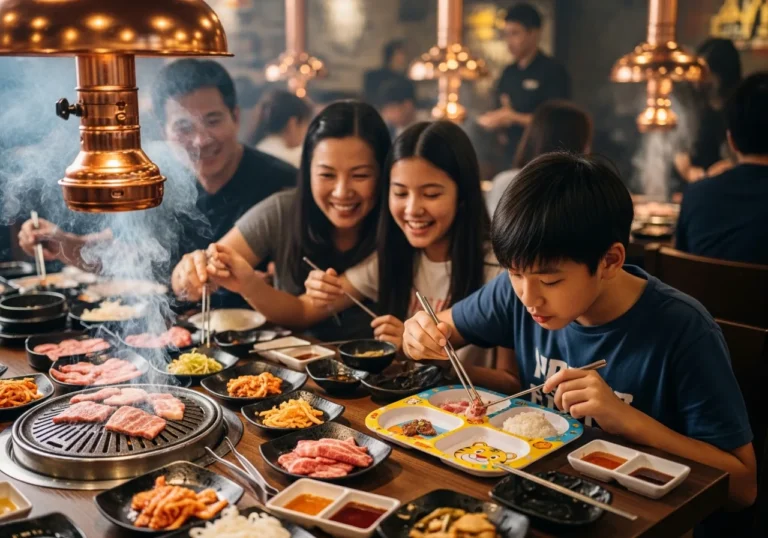
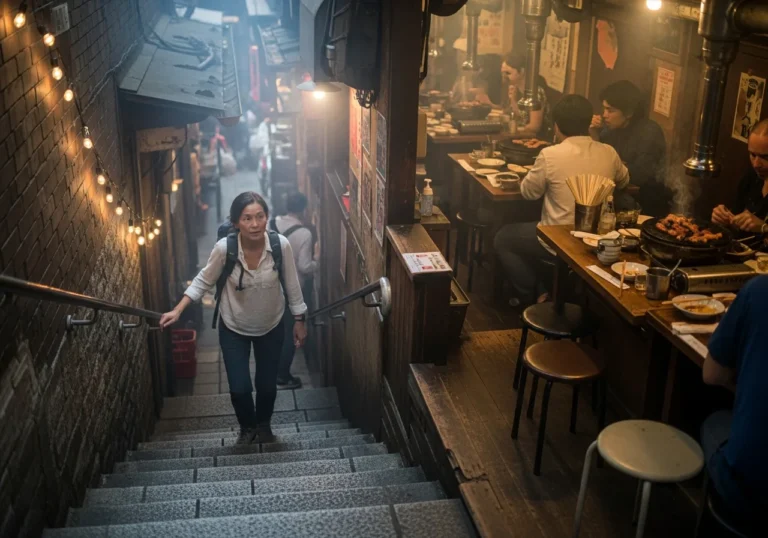
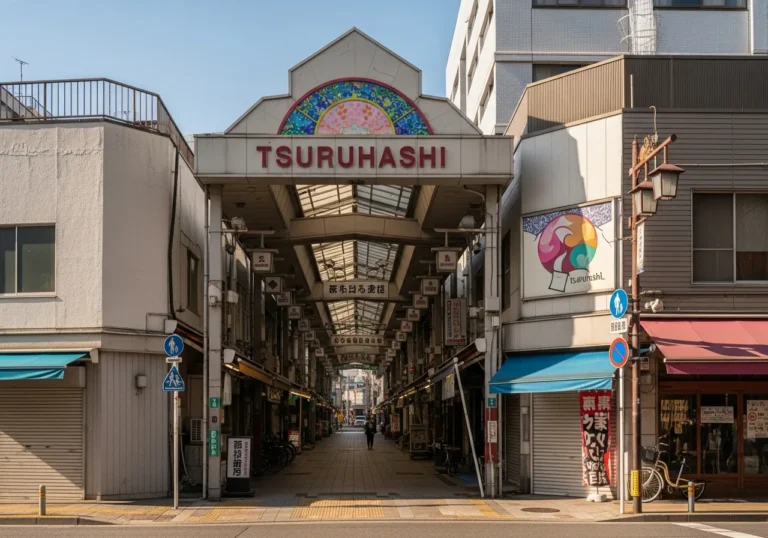
Step off the train at Tsuruhashi and the smell hits you before you’ve even cleared the ticket gates — charcoal smoke, caramelised tare, and the faint sweetness of marinating beef. This is Osaka’s Korean quarter, and it has been feeding the city’s appetite for yakiniku longer than most restaurants in Japan have existed. The streets around the station are dense with grill smoke and neon, and on a Friday evening the whole neighbourhood feels like one enormous, very delicious party.
What makes Tsuruhashi different from every other yakiniku district in Japan is the Korean-Japanese hybrid DNA of the cooking. The cuts lean toward the Korean tradition — thick-sliced tongue, marinated kalbi, offal in every form — but the sourcing is often premium Japanese wagyu, and the sauces are house-made secrets passed down across generations. You’ll find ¥600 horumon joints operating next to ¥10,000-a-head wagyu specialists, sometimes on the same block. For the best food in Osaka, this neighbourhood punches well above its weight.
This guide covers ten verified, currently operating yakiniku restaurants across the full price spectrum — from the legendary hole-in-the-wall that’s been grilling since 1948 to the polished wagyu specialist worth booking a week in advance. Whether you’re after a solo counter seat and a cold beer or a full group feast, Tsuruhashi has a grill with your name on it. Read on, then go hungry.
1. Manmasa (万正)
- 📍 3-3-2 Momodani, Ikuno-ku, Osaka
- 🕐 17:30–23:00 (L.O. 22:00), closed Mon & Wed (as of May 2026)
- 💰 ¥4,000–¥6,000 per person (food only) / ¥5,000–¥8,000 (with drinks)
- 🚃 Tsuruhashi Station (15 min walk) / Momodani Station (5 min walk)
- 🗺 Open in Google Maps
- 📋 Tabelog
What to order: Shio Tan / salted beef tongue (¥1,430), Harami / outside skirt (¥1,430), Omakase course (¥4,620 for 2)
Manmasa sits in Ikuno Ward, about a 15-minute walk from Tsuruhashi Station, with a simple retro interior — counter and table seats downstairs, tatami on the second floor. The walk is worth every minute. Every cut arrives thick and generously portioned; the shio tan is firm-textured and juicy, best eaten with a touch of garlic. A four-time consecutive winner of the Tabelog Yakiniku West Hyakumeiten award, this is the kind of place locals guard jealously. Groups of four or more can book ahead; solo and duo diners queue from opening time — arrive 30 minutes early or call at 10am for a same-day slot.
2. Yakiniku Hakuundai Tsuruhashi Ekimae (焼肉 白雲台 鶴橋駅前店)
- 📍 1-9-20 Tsuruhashi, Tennoji-ku, Osaka (JR/Kintetsu Tsuruhashi Station west exit)
- 🕐 Mon–Thu 11:30–15:00 & 17:00–21:30; Fri–Sat 11:30–15:00 & 17:00–22:00; Sun & holidays 11:30–21:30; closed Jan 1 & irregular days (as of May 2026)
- 💰 ¥3,000–¥5,000 per person (food only) / ¥4,000–¥7,000 (with drinks)
- 🚃 Tsuruhashi Station (1 min walk)
- 🗺 Open in Google Maps
- 📋 Tabelog
- 🌐 Official site
What to order: Kogané Kalbi set lunch (¥1,500–¥2,000), Gyutan teishoku / beef tongue set (¥1,500)
Hakuundai has been at this spot — right in front of Tsuruhashi Station’s west exit — for over 40 years, serving grade-5 select wagyu alongside house-made kimchi and cold noodles. The location is unbeatable: a 10-second walk from JR Tsuruhashi Station, and the homemade sauces and kimchi are as much a draw as the meat itself. Three floors of seating — including private tatami rooms on the third floor — make it one of the most versatile spots in the neighbourhood for groups. Note: the original Hakuundai Honten (main branch) is permanently closed; this Ekimae branch is the one to visit.
3. Yakiniku Meigetsu (焼肉めいげつ)
- 📍 2-1-22 Tsuruhashi, Tennoji-ku, Osaka
- 🕐 Tue–Thu & Sun/holidays 11:00–23:00; Fri–Sat & holiday eves 11:00–23:30; closed Mon (as of May 2026)
- 💰 ¥3,000–¥5,000 per person (food only) / ¥4,000–¥6,000 (with drinks)
- 🚃 Tsuruhashi Station (2 min walk)
- 🗺 Open in Google Maps
- 📋 Tabelog
What to order: Harami teishoku / skirt steak set lunch (¥1,200–¥1,500), Wagyu yakiniku teishoku (¥1,500–¥2,000)
Yakiniku Meigetsu is a stone’s throw from Tsuruhashi Station — northwest of the station, north of the Kintetsu line, just a one-minute walk away. The owner has been in the industry for nearly 40 years and personally sources the black wagyu every day. The lunch sets are a genuine bargain — wagyu kalbi, harami, and a refillable egg soup that regulars treat as a side dish in its own right. The restaurant faces a main street close to the station, and while Tsuruhashi can feel chaotic, Meigetsu is clean and welcoming — a reliable spot for quality yakiniku without the anxiety of navigating the back alleys.
4. Sora Tsuruhashi Sohonten (空 鶴橋総本店)
- 📍 2-3-2 Shimoajihara-cho, Tennoji-ku, Osaka
- 🕐 Mon–Fri 17:00–23:00; Sat–Sun & holidays 12:00–23:00 (as of May 2026)
- 💰 ¥2,000–¥4,000 per person (food only) / ¥3,000–¥5,000 (with drinks)
- 🚃 Tsuruhashi Station (3 min walk)
- 🗺 Open in Google Maps
- 📋 Tabelog
What to order: Tare Tan / marinated tongue (¥600), Tecchan / beef large intestine (¥600–¥800), Harami (¥800–¥1,000)
Sora Tsuruhashi Sohonten is a one-minute walk from JR Tsuruhashi Station, and there are five Sora locations clustered in the same area. The concept is simple and brilliant: half-portion plates at half the price of most competitors, with dishes starting from ¥500 — which means you can work through a dozen different cuts without committing to a full order of anything. The menu includes rare cuts like Uchiwa and Harami Suji alongside Tecchan (beef large intestine), which has a satisfying chew and leaves a subtle sweetness on the palate. Counter seats make it perfectly viable for solo diners. Expect a queue on weekends.
5. Yakiniku Sanmatsu (焼肉 三松)
- 📍 2-8-22 Tsuruhashi, Tennoji-ku, Osaka
- 🕐 Lunch 11:30–14:30; Dinner 17:00–22:00; closed irregular days (as of May 2026)
- 💰 ¥2,500–¥5,000 per person (food only) / ¥3,500–¥6,500 (with drinks)
- 🚃 Tsuruhashi Station (1 min walk)
- 🗺 Open in Google Maps
- 📋 Tabelog
What to order: Tokujo teishoku / premium set (salted tongue, bara, loin + 3 sides) (¥2,000–¥2,500), Samgyeopsal teishoku (¥1,500)
Sanmatsu is a black wagyu specialist just a one-minute walk from Tsuruhashi Station’s west exit. The lunch menu is the main event: a premium set that stacks thick-cut salted tongue, bara, and loin alongside three side dishes and a salad — the kind of spread that makes you feel like you’ve gotten away with something. The dinner menu expands into full à la carte territory, with samgyeopsal and horumon options rounding out a menu that covers all the bases. Straightforward, consistent, and reliably good.
6. Daeguya (大邱家)
- 📍 2-10-21 Tsuruhashi, Ikuno-ku, Osaka
- 🕐 11:00–14:00 & 16:00–22:00; closed Wed (as of May 2026)
- 💰 ¥3,000–¥6,000 per person (food only) / ¥4,000–¥8,000 (with drinks)
- 🚃 Tsuruhashi Station (1 min walk)
- 🗺 Open in Google Maps
- 📋 Tabelog
What to order: Tokusen A Lunch (salted tongue, premium kalbi, loin, harami + rice, soup, salad, jeon, kimchi) (¥2,500–¥3,000)
Daeguya is near Tsuruhashi Station and uses carefully selected wagyu — black wagyu kalbi and loin grilled on natural lava stones, which keeps the meat tender and juicy. The lunch menu runs to six different sets, including Korean home-cooking options like kamjatang and seolleongtang alongside the yakiniku plates. The Tokusen A Lunch is the one to order: four premium cuts, a jeon pancake, and all the sides, for a price that would barely cover a single cut at a comparable restaurant in Namba. The house-made cold noodles — hand-pulled daily — are also worth ordering if you have room.
7. Tsuruichi (鶴一)
- 📍 2-4-5 Shimoajihara-cho, Tennoji-ku, Osaka
- 🕐 Lunch 11:30–14:30; Dinner 17:00–22:30; closed irregular days (as of May 2026)
- 💰 ¥2,500–¥5,000 per person (food only) / ¥3,500–¥6,500 (with drinks)
- 🚃 Tsuruhashi Station (4 min walk)
- 🗺 Open in Google Maps
- 📋 Tabelog
What to order: Yakiniku set (various cuts, rice, soup, kimchi) (¥1,500–¥2,500), Kalbi (¥1,200–¥1,800)
Tsuruichi has been operating since 1948, sitting on the Korean Street of Osaka just a four-minute walk from Tsuruhashi Station. If you’re worried about your clothes smelling like smoke, Tsuruichi uses smokeless roasters — you get all the flavour without the souvenir scent. The restaurant is group-friendly with children’s options available, and different set menus run across lunch and dinner. Nearly 80 years of continuous operation in one of Japan’s most competitive yakiniku neighbourhoods is the only review you need.
8. Yakiniku Yoshida (焼肉 吉田)
- 📍 3-9-19 Tsuruhashi, Ikuno-ku, Osaka
- 🕐 17:00–23:00 (L.O. 22:30); closed irregular days (as of May 2026)
- 💰 ¥3,000–¥5,500 per person (food only) / ¥4,000–¥7,000 (with drinks)
- 🚃 Tsuruhashi Station (5 min walk)
- 🗺 Open in Google Maps
- 📋 Tabelog
What to order: Horumon nabe / offal hot pot (¥1,500–¥2,000 per person), Kalbi (¥1,200–¥1,800)
Yoshida is one of Tsuruhashi’s most established names, and the second branch — opened after the original became a neighbourhood institution — is where to go if you want something the main store doesn’t offer. The second branch’s signature is the horumon nabe: offal including mino, hachinosu, and akacen, carefully prepped and marinated in the house tare, served as a hot pot. It’s a different experience from standard yakiniku — more communal, more warming, and a good choice for a cold evening or a group that wants to share. The yakiniku cuts are solid too, but the nabe is the reason to make the trip.
9. Yakiniku Todoroki (焼肉 轟)
- 📍 2-6-18 Tsuruhashi, Tennoji-ku, Osaka
- 🕐 Lunch (Sat–Sun & holidays only) 12:00–14:00; Dinner 17:00–22:00; closed irregular days (as of May 2026)
- 💰 ¥5,000–¥10,000 per person (food only) / ¥7,000–¥15,000 (with drinks)
- 🚃 Tsuruhashi Station (5 min walk)
- 🗺 Open in Google Maps
- 📋 Tabelog
What to order: Lunch course (5 cuts + sides) (¥1,200–¥2,200), Dinner omakase course (¥8,000–¥12,000)
Todoroki is the upscale option in Tsuruhashi — a calm, well-appointed space suited to anniversaries, business dinners, and anyone who wants attentive service alongside their wagyu. The weekend lunch is the smart entry point: five courses running from ¥1,200 to ¥2,200, offering the same quality meat as dinner at a fraction of the price. The saarloin with grated ponzu is the dish that gets talked about most — rich fat cut clean by the citrus, the kind of combination that makes the whole table go quiet for a moment. Book ahead for dinner; weekend lunches fill up fast too. To explore more of Tsuruhashi beyond the grill, the Korean market streets around the station are worth an hour of wandering before or after your meal.
10. Yamatoiku Yamatoku (大和焼肉やまとく)
- 📍 3-15 Shimoajihara-cho, Tennoji-ku, Osaka
- 🕐 Tue–Thu & Sun/holidays 11:00–23:00; Fri–Sat & holiday eves 11:00–23:30; closed Mon (as of May 2026)
- 💰 ¥4,000–¥9,000 per person (food only) / ¥5,000–¥12,000 (with drinks)
- 🚃 Tsuruhashi Station (2 min walk)
- 🗺 Open in Google Maps
- 📋 Tabelog
What to order: Yamatoku Otegaru Course (¥8,680 per person, includes premium loin and fillet), Gokujo Rosu / premium loin (¥2,500–¥3,000 à la carte)
Yamatoku buys Yamato beef — a branded wagyu raised in Nara — whole, which means rare cuts that most restaurants never see make it onto the menu. The Otegaru course at ¥8,680 bundles premium loin and fillet cuts that would cost significantly more ordered individually. The private rooms and polished service make this a strong choice for a special occasion, but the real draw is the beef itself: Yamato cattle are a relatively rare breed outside Nara, and this is one of the few places in Osaka where you can eat it properly. The house-made cold noodles — pulled fresh daily — are worth ordering to finish. Check the MICHI Osaka travel guide for more on planning a full day in this part of the city.
How to Order
Most Tsuruhashi yakiniku restaurants use a table grill — either charcoal (shichirin) or gas — and bring the raw meat to you in batches. At mid-range and budget spots, you order à la carte from a paper menu or tablet; at higher-end places, a set course is the norm. A few things to know before you sit down:
Portion sizes: At places like Sora, portions are intentionally small (half the standard size) so you can try more cuts. At Manmasa and Todoroki, portions are generous — don’t over-order early.
Tare vs. shio: Most Tsuruhashi restaurants use a momidare (marinated) style — the sauce is worked into the meat before it reaches the grill. If you want to taste the beef itself, ask for shio (salt) cuts like tongue or harami.
Grilling: Staff at most restaurants will grill for you if you look uncertain. At casual spots, you’re expected to do it yourself. Tongue goes on high heat, quick; kalbi and harami need medium heat and a flip when the edges start to colour.
Reservations: Essential at Manmasa (call at 10am for same-day, or book 4+ people in advance). Recommended at Todoroki and Yamatoku for dinner. Walk-ins are generally fine at Sora, Meigetsu, and Sanmatsu outside peak hours (7–9pm on weekends).
Language: Most menus are Japanese-only, but picture menus are common. Sora has English-speaking staff available. At any restaurant, pointing at the menu or neighbouring tables’ dishes works perfectly well.
FAQ
Q: Is yakiniku in Tsuruhashi expensive?
A: It covers the full range. Budget spots like Sora start from ¥500 per dish, and a full meal with drinks runs ¥2,000–¥4,000 per person. Mid-range restaurants like Meigetsu, Sanmatsu, and Hakuundai land at ¥3,000–¥6,000 with drinks. The top end — Manmasa, Todoroki, Yamatoku — runs ¥6,000–¥15,000 per person for dinner with drinks. Lunch sets across the board are excellent value: most offer ¥1,200–¥2,500 sets that include rice, soup, and kimchi.
Q: Do yakiniku restaurants in Tsuruhashi have English menus?
A: Most do not, but picture menus are standard at casual and mid-range spots. Sora has English-speaking staff. At higher-end restaurants like Todoroki and Yamatoku, staff are accustomed to international guests and will guide you through the menu. Google Translate’s camera function works well on Japanese menus in a pinch.
Q: When is the best time to visit?
A: Weekday lunches (11:30–13:30) are the least crowded and often the best value. Weekday dinners from 17:30–18:30 are manageable at most spots. Friday and Saturday evenings from 19:00 onward are peak hours — expect queues at Sora and Manmasa. For Manmasa specifically, arrive 30 minutes before the 17:30 opening or call at 10am sharp for a same-day reservation. Weekend lunches at Todoroki and Yamatoku book out quickly, so reserve a few days ahead.
Information is accurate as of May 2026. We recommend checking Google Maps for the latest hours and prices before visiting.