Last updated: July 3, 2026
This article reflects information available at the time of writing. Check Google Maps for the latest hours and availability.
Introduction
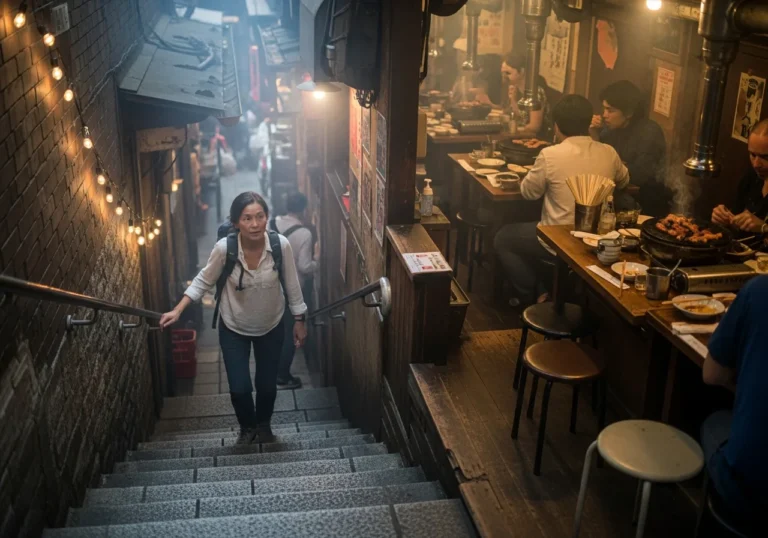
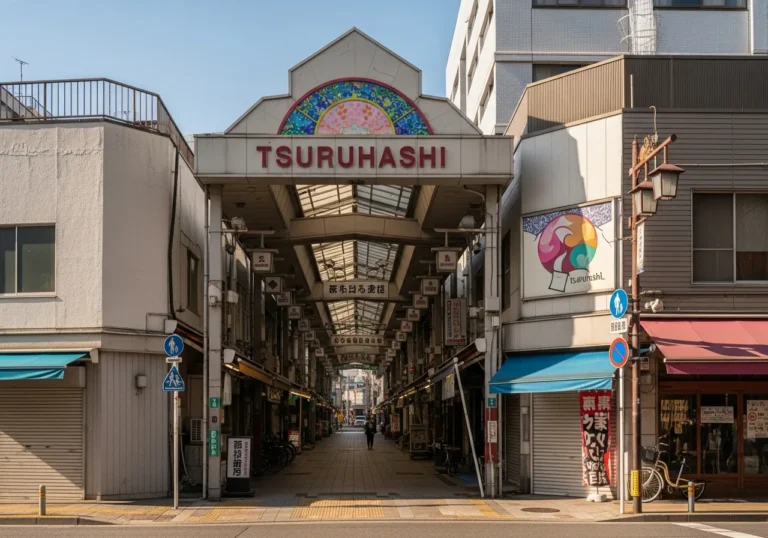
Step off the train at Tsuruhashi and your nose does the navigating. The smoke hits you before you even reach the ticket gates — charcoal, caramelised fat, and the faintly sweet tang of miso-based tare drifting through the covered shopping arcades. This is Osaka’s yakiniku heartland, and it has been for the better part of a century.
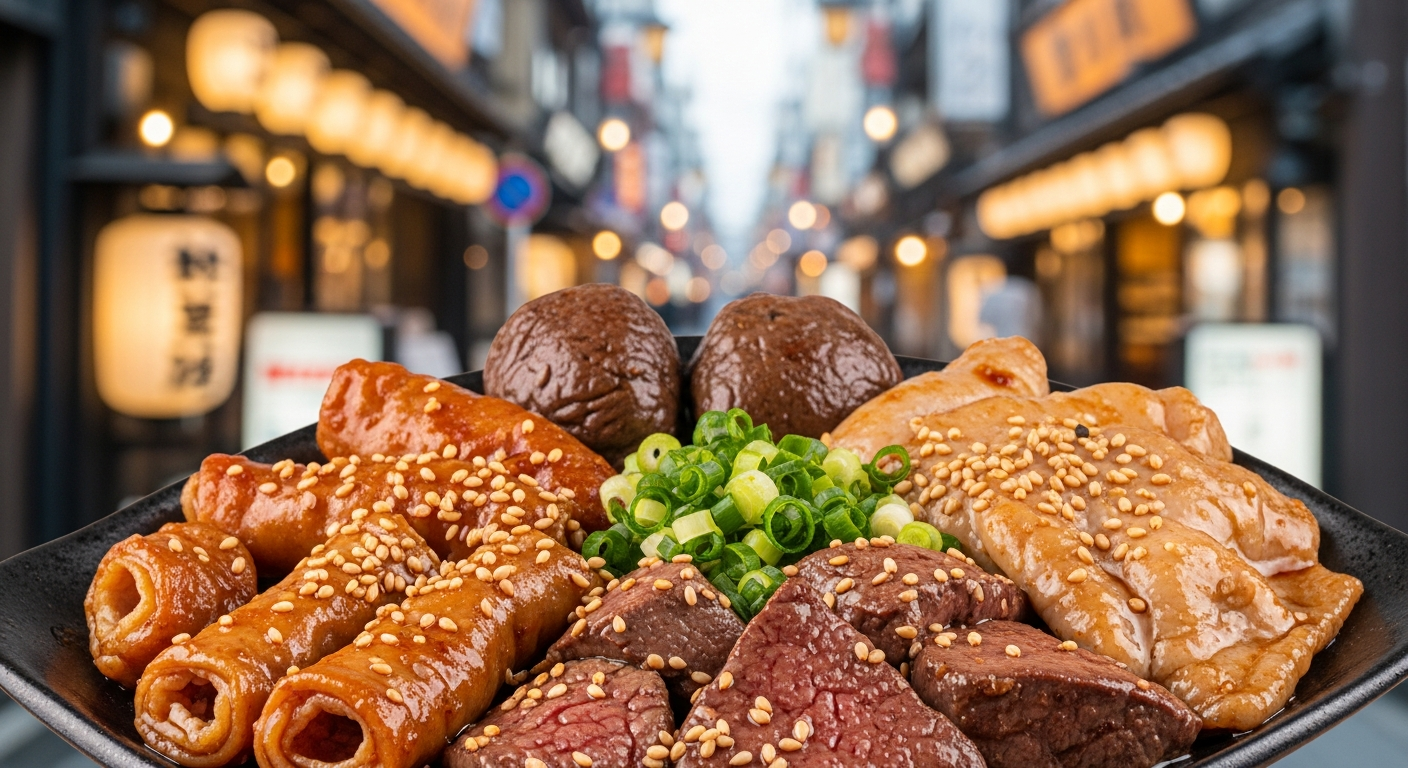
But Tsuruhashi isn’t just about premium wagyu cuts. The neighbourhood’s real soul lives in its horumon — offal BBQ, the stuff that butchers once threw away and that Osaka turned into a civic obsession. Small intestine (hoso), tripe (mino, hachinosu), aorta (yonton), lung (puppugi), liver, heart: the list goes on, and the best spots here grill it all over charcoal with a confidence that comes from decades of practice. If you want to understand the best food in Osaka, horumon in Tsuruhashi is a non-negotiable stop.
This guide covers six of the most reliable horumon spots in the area — from a 1981-founded institution that packs out before the doors open, to a standing-bar-style spot where every skewer costs ¥200. Some are rough around the edges. None of them are trying to impress you with their interior design. All of them will make you want to come back. Ready to explore more of Tsuruhashi? Start here.
1. Sora Tsuruhashi Sohonten (空 鶴橋総本店)
- 📍 1-10 Shimoadahara-cho, Tennoji-ku, Osaka
- 🕐 Mon–Fri 11:30–22:00; Sat–Sun 11:00–22:00 (as of May 2026)
- 💰 ¥2,000–¥4,000 per person (food only) / ¥3,000–¥5,000 (with drinks)
- 🚃 Tsuruhashi Station (1 min walk)
- 🗺 Open in Google Maps
- 📋 Tabelog
What to order: Horumon 5-piece set (¥550–¥600)
Founded in 1981 and now running four locations in the same block, Sora is the name that comes up first whenever anyone in Tsuruhashi talks horumon. The concept is deliberately low-barrier: portions are roughly half the size of a standard yakiniku plate, which means you can work through 10 or 12 different cuts in a single sitting without committing to anything. The horumon selection runs to 30-plus varieties — including cuts like puppugi (lung) and yonton (aorta) that most restaurants don’t bother stocking. Look for the blue awning. Expect a queue from opening time, especially on weekends.
2. Tsuruhashi Sakaba Jonetsu Horumon (鶴橋酒場 情熱ホルモン)
- 📍 2-1-18 Higashinari-ku, Osaka (1 min from Tsuruhashi Station Exit 5)
- 🕐 Mon–Fri 17:00–midnight; Sat–Sun & holidays 11:30–23:00 (as of May 2026)
- 💰 ¥2,500–¥4,500 per person (food only) / ¥3,500–¥6,000 (with drinks)
- 🚃 Tsuruhashi Station (1 min walk, Exit 5)
- 🗺 Open in Google Maps
- 📋 Tabelog
What to order: Kuro Horu — black wagyu small intestine (¥550); draft beer (¥319)
2025 is Jonetsu Horumon’s 20th anniversary, and the place shows no signs of slowing down. The signature is kuro horu — small intestine from black-haired wagyu, hand-washed and cut in-house, with a fat content that renders down beautifully over the grill. The menu lists over 20 horumon varieties, with small-plate options from ¥198 for the indecisive. A QR-code “Hormone Encyclopedia” on the table explains each cut’s characteristics and how to grill it — genuinely useful if you’re new to offal. Drinks are priced to encourage lingering: draft beer at ¥319, highball at ¥209.
3. Matsuyoshi (松よし)
- 📍 6 Shimoadahara-cho, Tennoji-ku, Osaka
- 🕐 Approx. 17:00–22:00; closed irregularly — call ahead (as of May 2026)
- 💰 ¥2,500–¥4,000 per person (food only) / ¥3,500–¥5,500 (with drinks)
- 🚃 Tsuruhashi Station (2 min walk)
- 🗺 Open in Google Maps
- 📋 Tabelog
What to order: Charcoal-grilled skewers (¥200–¥350 per skewer); nama senmai (raw tripe, ¥700)
Matsuyoshi is the kind of place that regulars don’t talk about too loudly. It’s a small, no-frills counter spot a short walk from the station, where the smoke from the charcoal grill drifts up into the Tsuruhashi evening air. The skewers are the draw — grilled to order, with a house tare that leans on miso and sesame in a way that’s genuinely distinctive. The nama senmai (raw tripe served with a spicy dipping sauce) is a test of nerve for first-timers and a ritual for everyone else. Hours can be irregular; it’s worth a quick call before making the trip.
4. Taisei-ya (大成屋)
- 📍 3-18-9 Higashikobashi, Higashinari-ku, Osaka
- 🕐 Approx. 17:00–22:00; closed Tuesdays (as of May 2026)
- 💰 ¥1,500–¥3,000 per person (food only) / ¥2,500–¥4,000 (with drinks)
- 🚃 Tsuruhashi Station (3 min walk)
- 🗺 Open in Google Maps
- 📋 Tabelog
What to order: Omakase skewer set (approx. ¥200 per skewer); nama senmai (¥600)
Taisei-ya relocated from its original address — the old Tabelog listing shows 【移転】 — but the new spot in Higashikobashi carries on the same format: no printed menu, just a steady procession of horumon skewers that the kitchen decides on the day. Sit down, order a highball, and let the food come to you. The house tare is the talking point — a thick, sweet-savoury blend with sesame that works on everything from small intestine to cartilage. Skewers at ¥200 a piece mean you can eat 15 of them and still walk out having spent under ¥4,000 with drinks. That’s the whole point.
5. Tsuruhashi Horumon Honpo Ekimae-ten (鶴橋ホルモン本舗 駅前店)
- 📍 1F, 2-1-1 Higashinari-ku, Osaka (west exit of Tsuruhashi Station)
- 🕐 Mon–Fri 11:30–14:30, 17:00–23:00; Sat–Sun 11:30–23:00 (as of May 2026)
- 💰 ¥2,000–¥4,000 per person (food only) / ¥3,000–¥5,500 (with drinks)
- 🚃 Tsuruhashi Station (1 min walk, west exit)
- 🗺 Open in Google Maps
- 📋 Tabelog
What to order: Horumon moriawase — mixed offal platter (¥880); salt tongue (¥1,430)
The pitch here is whole-carcass buying: Horumon Honpo purchases cattle whole, which keeps prices down and freshness up. It’s right outside the station’s west exit — you can smell it from the platform on a still evening. The mixed horumon platter is the entry point, and it’s a solid one: hoso, hachinosu,焼senmai, harami suji, and tsurami all in one go. The salt tongue is thick-cut and worth ordering alongside. Lunch service makes this one of the few horumon spots in the area where you can eat offal before dark, which is either a selling point or a warning, depending on your constitution.
6. Hakuundai Tsuruhashi Honten (白雲台 鶴橋本店)
- 📍 2-1-1 Tsuruhashi, Tennoji-ku, Osaka
- 🕐 Mon–Fri 11:30–14:30, 17:00–23:00; Sat–Sun 11:30–23:00; closed Wednesdays (plus one irregular Tuesday per month) (as of May 2026)
- 💰 ¥2,500–¥5,000 per person (food only) / ¥3,500–¥7,000 (with drinks)
- 🚃 Tsuruhashi Station (1 min walk)
- 🗺 Open in Google Maps
- 📋 Tabelog
What to order: Horumon 20-variety selection (from ¥313 per plate); salt tongue (¥1,100)
Hakuundai has been in Tsuruhashi for over 40 years and has expanded to multiple locations including Grand Front Osaka, but the original Tsuruhashi honten is where the formula was worked out. The horumon menu runs to 20 varieties at a flat ¥313 per plate — an unusually transparent pricing structure that makes it easy to order adventurously. The three-floor space seats over 90 people across tables and tatami, which means it can absorb groups that would overwhelm smaller spots. The Wednesday closure plus one irregular Tuesday per month is worth checking before you go; confirm on their official site or Google Maps. For a broader look at what the MICHI Osaka travel guide covers in this part of the city, it’s a good starting point.
How to Order
Most horumon restaurants in Tsuruhashi operate on a self-order or table-order system. At counter-style spots like Matsuyoshi and Taisei-ya, the staff will often just start bringing food — go with it, and flag them down if you want to slow the pace or request something specific.
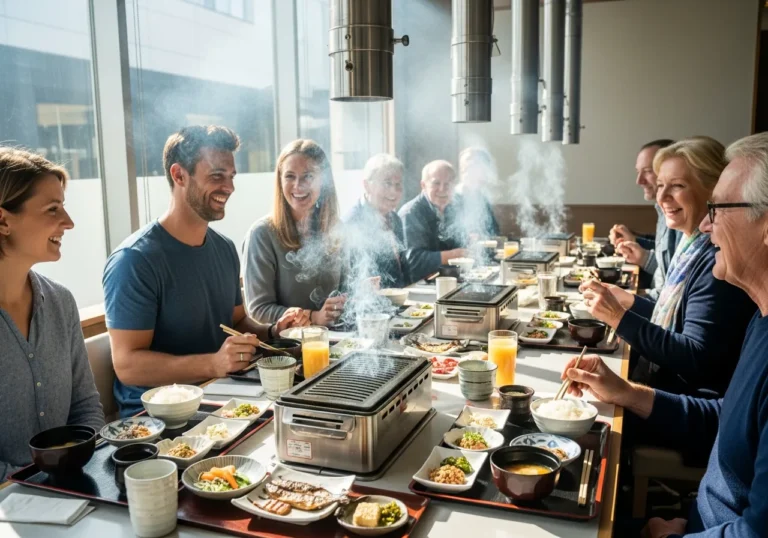
At table-service spots, order in rounds rather than all at once. Horumon cooks fast and is best eaten immediately off the grill; a pile of raw offal sitting on the table while you work through the first batch is a waste. Start with something fatty — hoso (small intestine) or hachinosu (honeycomb tripe) — to season the grill, then move to leaner cuts like liver or heart.
Dipping sauces vary by restaurant. Some use a soy-based tare, others a miso blend, and a few serve certain cuts with just salt and lemon. Ask the staff which sauce goes with what if you’re unsure — this is a normal question and they’ll appreciate it.
Most spots in Tsuruhashi are cash-friendly, but an increasing number now accept IC cards and major credit cards. Bring cash as a backup. Smoking is permitted in several of these restaurants — if that’s a concern, check the Tabelog listing before visiting, as the no-smoking policy varies by shop.
FAQ
Q: Is horumon in Tsuruhashi expensive?
A: No — it’s one of the most affordable ways to eat well in Osaka. Budget ¥2,000–¥3,500 per person for food at most spots, or ¥3,500–¥5,500 with drinks. Taisei-ya’s ¥200-per-skewer format is the cheapest entry point; Hakuundai’s flat ¥313-per-plate horumon menu is similarly accessible. Premium wagyu cuts will push the bill higher, but if you stick to offal, you can eat very well for very little.
Q: Do horumon shops in Tsuruhashi have English menus?
A: Most don’t, or have only partial English. Jonetsu Horumon has a QR-code menu with cut descriptions that can help. At counter-style spots, pointing at what other diners are eating is a perfectly valid strategy. Google Translate’s camera function works reasonably well on printed menus. Staff at most places are used to non-Japanese-speaking customers and will do their best.
Q: When is the best time to visit?
A: Weekday evenings from 17:00–19:00 are your best window — busy enough to feel lively, but before the post-work rush fills every seat. Weekend lunches at spots like Sora and Horumon Honpo are popular but manageable if you arrive at opening time. Avoid Friday and Saturday evenings after 19:00 unless you’re happy to queue; the most popular spots fill up fast and don’t take reservations for small groups.
Information is accurate as of May 2026. We recommend checking Google Maps for the latest hours and prices before visiting.