Looking for the best depachika in Osaka? This guide covers six major department store food halls — from Umeda’s cluster of competing giants to Namba’s flagship Takashimaya and the south-side behemoth at Abeno Harukas — with what to buy, what to skip, and how to navigate each one without losing an hour to indecision. For more on the best food in Osaka, we’ve got you covered.
MICHI’s Pick — Selected by our Osaka-based team, based on places we’ve visited and on research using Tabelog and Google Maps ratings. In Japan, a Tabelog score of 3.4+ is genuinely high — Japanese reviewers are famously strict, and most locals consider anything above 3.4 a place worth a detour. We feature venues meeting at least one of: Tabelog 3.4+, Google Maps 4.3+, or 100+ reviews — the kind of spots locals quietly trust.
Tabelog and Google Maps scores are accurate as of the time of writing.
1. Hankyu Umeda Main Store (阪急うめだ本店)
📍 8-7 Kakudacho, Kita-ku, Osaka 530-8350
🕐 Food floors (B1–B2): 10:00–20:00 daily (as of May 2026)
💰 ¥500–¥3,000 per person (food only)
🚃 Hankyu Osaka-Umeda Station (direct access)
🗣 English menu: Partial signage in English; most counters are self-service or point-and-order
⭐ Rating: Google 4.3 (8,000+ reviews) (as of writing)
🗺 Open in Google Maps
📋 Tabelog
🌐 Official site
What to order: Wagyu bento from the deli counters (¥1,500–¥3,000); seasonal wagashi from the Japanese sweets section (¥300–¥800 per piece)
Hankyu’s depachika feels more refined than its neighbours, with a calmer atmosphere and spacious walkways. With 13 floors above and 2 below, this is one of the most prominent department stores in Osaka — and the two basement food floors are where Osaka’s most discerning home cooks do their shopping. The B1 level handles prepared foods, bento, and Western sweets; B2 goes deep on fresh produce, premium seafood, and sake. Locals know the difference between Hankyu and Hanshin well: Hankyu offers rather fancy and gorgeous delicacies for a more upscale crowd, and shoppers choose accordingly. Come before noon on weekdays — the queues at the bento counters get serious by lunchtime.
2. Hanshin Department Store Umeda Main Store — Snack Park (阪神百貨店梅田本店 スナックパーク)
📍 1-13-13 Umeda, Kita-ku, Osaka 530-8224
🕐 10:00–21:30 (Snack Park L.O. 21:30) (as of May 2026)
💰 ¥187–¥1,500 per person (food only)
🚃 Hanshin Osaka-Umeda Station (direct access — the station is literally in the basement)
⭐ Rating: Google 4.2 (5,000+ reviews) (as of writing)
🗺 Open in Google Maps
📋 Tabelog
What to order: Ikayaki (¥187); beef croquette from the deli counters (¥200–¥350)
While Hanshin has fashionable boutiques and home goods, the real highlight is its basement food hall. Rebuilt and reopened in 2022, the store feels modern yet maintains its welcoming atmosphere that locals love. The Snack Park on B1 is the main event: a standing-eat food court where you grab a tray and work your way through Osaka classics. The famous ikayaki broke through here — it’s said to sell up to 10,000 pieces on busy days. At ¥187 a piece, it’s the cheapest, most satisfying thing you’ll eat in Umeda. If you want to feel the real Osaka pulse, come on a weekday evening between 17:00 and 19:00, when office workers pack in for a standing drink and a quick bite.
3. Daimaru Umeda Store (大丸梅田店)
📍 3-1-1 Umeda, Kita-ku, Osaka 530-8202
🕐 B1–B2 food floors: 10:00–20:00 daily (as of May 2026)
💰 ¥400–¥2,500 per person (food only)
🚃 JR Osaka Station (direct connection via Osaka Station City)
🗣 English menu: Some English labelling on packaged goods
⭐ Rating: Google 4.3 (6,000+ reviews) (as of writing)
🗺 Open in Google Maps
📋 Tabelog
🌐 Official site
What to order: 551 Horai butaman (pork bun, ¥230 each); Rikuro Ojisan no Mise cheesecake (¥965 whole)
Daimaru Umeda is not your quiet, typical department store — it’s a bustling hub of energy where shopping feels like an event. The food floors are split across B1 and B2, with B1 handling sweets, bread, and prepared foods, and B2 covering fresh produce and deli. This is the most tourist-accessible depachika in Umeda: signage is clearer, the layout is more intuitive, and the mix of brands skews toward recognisable Osaka names. Rikuro Ojisan no Mise and Kyowa Coffee both have counters here — the cheesecake sells out by mid-afternoon on weekends, so arrive early or go on a weekday.
4. Osaka Takashimaya (大阪タカシマヤ)
📍 5-1-5 Namba, Chuo-ku, Osaka 542-8510
🕐 B1–B2 food floors: 10:00–20:00 daily (as of May 2026)
💰 ¥500–¥4,000 per person (food only)
🚃 Namba Station (direct access via Osaka Metro Midosuji, Yotsubashi, and Sennichimae lines)
🗣 English menu: English labelling on most packaged goods; tax-free counter on floor 7
⭐ Rating: Google 4.3 (10,000+ reviews) (as of writing)
🗺 Open in Google Maps
📋 Tabelog
🌐 Official site
What to order: Harijyu (はり重) Wagyu from the butcher counter (¥2,000–¥5,000 per 100g); seasonal fruit from the produce section (¥500–¥3,000 per item)
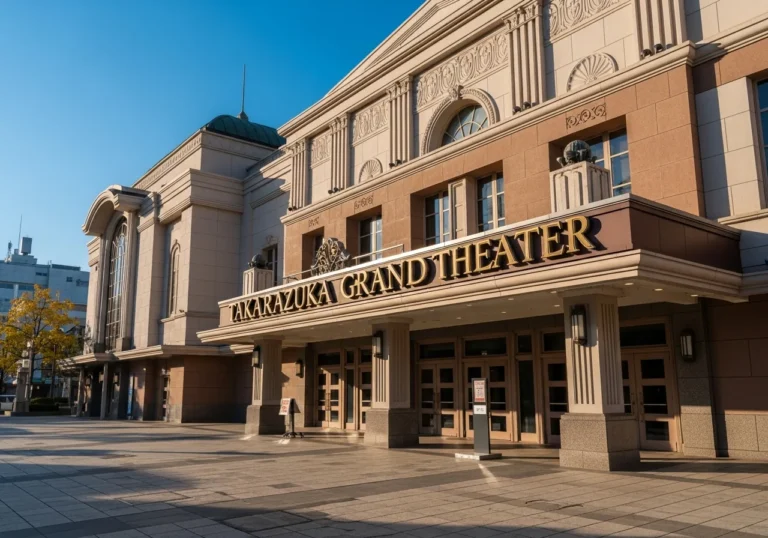
Located in Namba, Osaka Takashimaya is a flagship department store that has been an iconic symbol of the city’s southern downtown core for over a century — originally established as a small second-hand clothing and cloth store in 1831. The depachika here is the one most regulars point to as Osaka’s best overall: two full basement floors, a staggering range of vendors, and a 2025 renovation that added 39 new or refreshed stalls. The renovation concept was “shops worth making a special trip for,” with about 20% of the food vendors overhauled. Harijyu, the century-old Wagyu specialist with its Dotonbori roots, has a butcher counter here — it’s one of only three depachika locations in Osaka. Foreign tourists can get a consumption tax refund on purchases over ¥5,000 by bringing receipts and a passport to the dedicated duty-free counter.
5. Daimaru Shinsaibashi Store (大丸心斎橋店)
📍 1-7-1 Shinsaibashisuji, Chuo-ku, Osaka 542-8501
🕐 B1 food floor: 10:00–20:00 daily (as of May 2026)
💰 ¥400–¥2,500 per person (food only)
🚃 Shinsaibashi Station (Osaka Metro Midosuji Line, 1 min walk)
⭐ Rating: Google 4.2 (4,000+ reviews) (as of writing)
🗺 Open in Google Maps
📋 Tabelog
🌐 Official site
What to order: Freshly baked pastries from the in-store bakery section (¥250–¥600); seasonal wagashi gift sets (¥800–¥2,500)
The Shinsaibashi Daimaru reopened its north building in 2019 after a full rebuild, and the B1 food floor is noticeably more curated than the Umeda branch — fewer vendors, but each one earns its spot. It’s the most convenient depachika for anyone staying in Shinsaibashi or Dotonbori, and the gift-wrapping counters here are particularly well-staffed, making it the go-to for omiyage (souvenir) shopping. Purchases are lovingly gift-wrapped and placed in a miniature freezer bag, complete with a tiny ice pack and care instructions — standard depachika service, but Daimaru does it with particular efficiency. For more on what to do in the area, explore more of Osaka with our neighbourhood guides.
6. Kintetsu Department Store Abeno Harukas (近鉄百貨店 あべのハルカス近鉄本店)
📍 1-1-43 Abenosuji, Abeno-ku, Osaka 545-8545
🕐 B2 food floor: 10:00–20:00 daily (as of May 2026)
💰 ¥400–¥3,000 per person (food only)
🚃 Tennoji Station (JR/Osaka Metro, direct access) / Osaka-Abenobashi Station (Kintetsu, direct access)
🗣 English menu: English signage available in key sections
⭐ Rating: Google 4.2 (5,000+ reviews) (as of writing)
🗺 Open in Google Maps
📋 Tabelog
🌐 Official site
What to order: Kansai-style oshi-zushi (pressed sushi) from local vendors (¥800–¥1,800 per box); Kintetsu-exclusive seasonal sweets (¥300–¥1,200)
Abeno Kintetsu at Tennoji/Abenobashi with the Harukas tower is supposedly the largest department store in Japan by sales area, at 100,000 square metres. The depachika sits on B2 and draws a very different crowd from the Umeda stores — more local families, fewer tourists, and a noticeably stronger selection of Kansai-regional specialties. It’s worth checking out alongside the Kintetsu Uehonmachi store if you’re spending time in the south of the city. The Tennoji location also means you can combine a depachika run with a visit to Tennoji Zoo or Shinsekai — a very Osaka afternoon. Check out the MICHI Osaka travel guide for a full south-Osaka itinerary.
FAQ
Q: What is the best depachika in Osaka?
A: For sheer scale and quality, Osaka Takashimaya in Namba is the one most regulars recommend — two full basement floors, a 2025 renovation, and a Wagyu butcher counter that’s hard to beat. If you’re in Umeda, Hankyu Umeda Main Store is the most refined option, while Hanshin’s Snack Park wins on atmosphere and value.
Q: How many depachika are in Osaka?
A: Osaka has at least a dozen major depachika across the city, with the heaviest concentration in Umeda (Hankyu, Hanshin, Daimaru) and Namba (Takashimaya). Osaka’s Umeda area is said to be the most competitive department store district in Japan. Shinsaibashi and Tennoji/Abeno each add another one or two strong options.
Q: Do Osaka depachika have English menus?
A: Most depachika are counter-service or self-select, so you point at what you want rather than reading a menu. Packaged goods at Takashimaya and Daimaru often have English labelling. Staff at major stores are accustomed to tourists and will usually help with gestures and a smile. Tax-free counters at Takashimaya and Daimaru have English-speaking staff.
Q: What should I order at depachika in Osaka?
A: At Hanshin, the ikayaki (squid pancake, ¥187) is non-negotiable. At Takashimaya, go for the Wagyu from Harijyu’s butcher counter or a seasonal fruit purchase. Across all stores, the bento boxes — especially the kaiseki-style multi-compartment ones — are a genuine meal worth sitting down with. Premium Wagyu beef bento boxes range from ¥3,000 to ¥5,000 and are a serious step up from anything you’d find at a convenience store.
Last updated: July 19, 2026 · Corrections: [email protected]