Last updated: July 3, 2026
This article reflects information available at the time of writing. Check Google Maps for the latest hours and availability.
Introduction
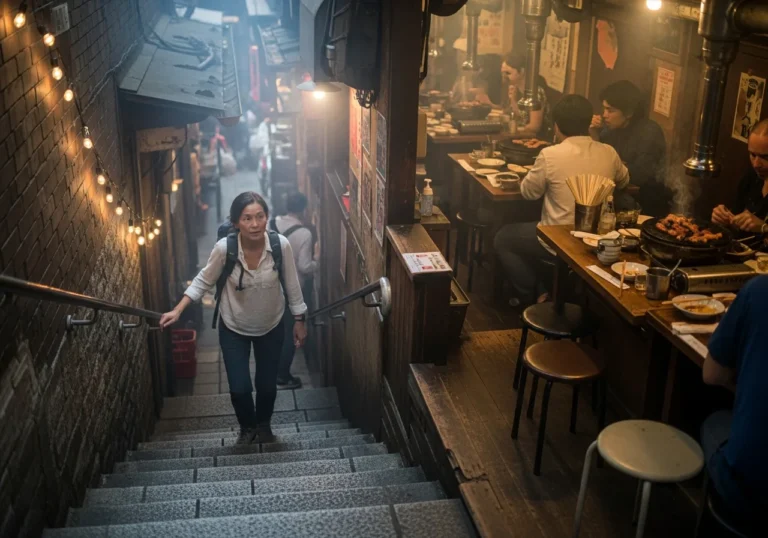
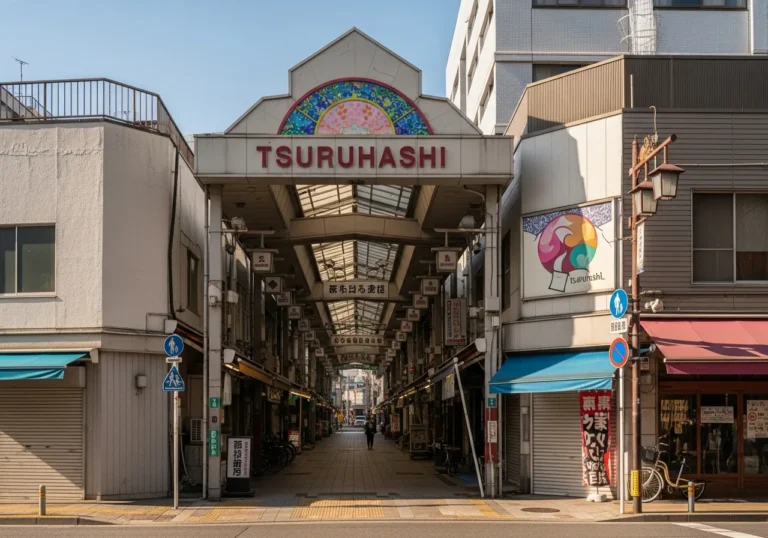
Tsuruhashi has two distinct personalities. There’s the covered market around the station — smoke-stained, loud, smelling of yakiniku and kimchi — and then there’s the stretch heading toward Ikuno Koreatown, where a newer wave of Korean-style cafes has taken root. The sweets scene here has exploded over the past few years, and it now rivals anything you’d find in Seoul’s Seongsu-dong or Hongdae, minus the flight.
What makes Tsuruhashi’s Korean sweets scene worth your time is the range. You can eat a ¥200 hotteok straight off a street grill, then walk five minutes and sit down to a ¥1,700 seasonal bingsu in a concrete-walled cafe that could pass for a Seoul design district. The area covers everything from traditional rice-flour mochi desserts made by Korean couples who’ve lived here for decades, to croffle shops that update their menus every season. If you want to understand the best food in Osaka, Tsuruhashi’s Korean sweets corridor is one of the most interesting places to start.
This guide covers eight spots — sit-down cafes, street stalls, and one bagel shop that’s been selling out before noon since it opened in 2024. Most are within a 15-minute walk of Tsuruhashi Station. A few require a short detour into the residential streets of Momodani, but they’re worth the extra steps. Explore more of Tsuruhashi once you’ve had your fill of sugar.
1. CAFE BINGGO Tsuruhashi (カフェビンゴ 鶴橋店)
- 📍 Orion Building 2F/3F, 3-15-2 Higashikobashi, Higashinari-ku, Osaka
- 🕐 Mon–Fri 8:00–19:30 / Sat–Sun & Holidays 8:00–20:00, irregular closures (as of May 2026)
- 💰 ¥900–¥1,600 (food only) / ¥1,400–¥2,200 (with drinks)
- 🚃 Tsuruhashi Station (2 min walk)
- 🗺 Open in Google Maps
- 📋 Tabelog
What to order: Caramel Lotus Bingsu (¥1,450)
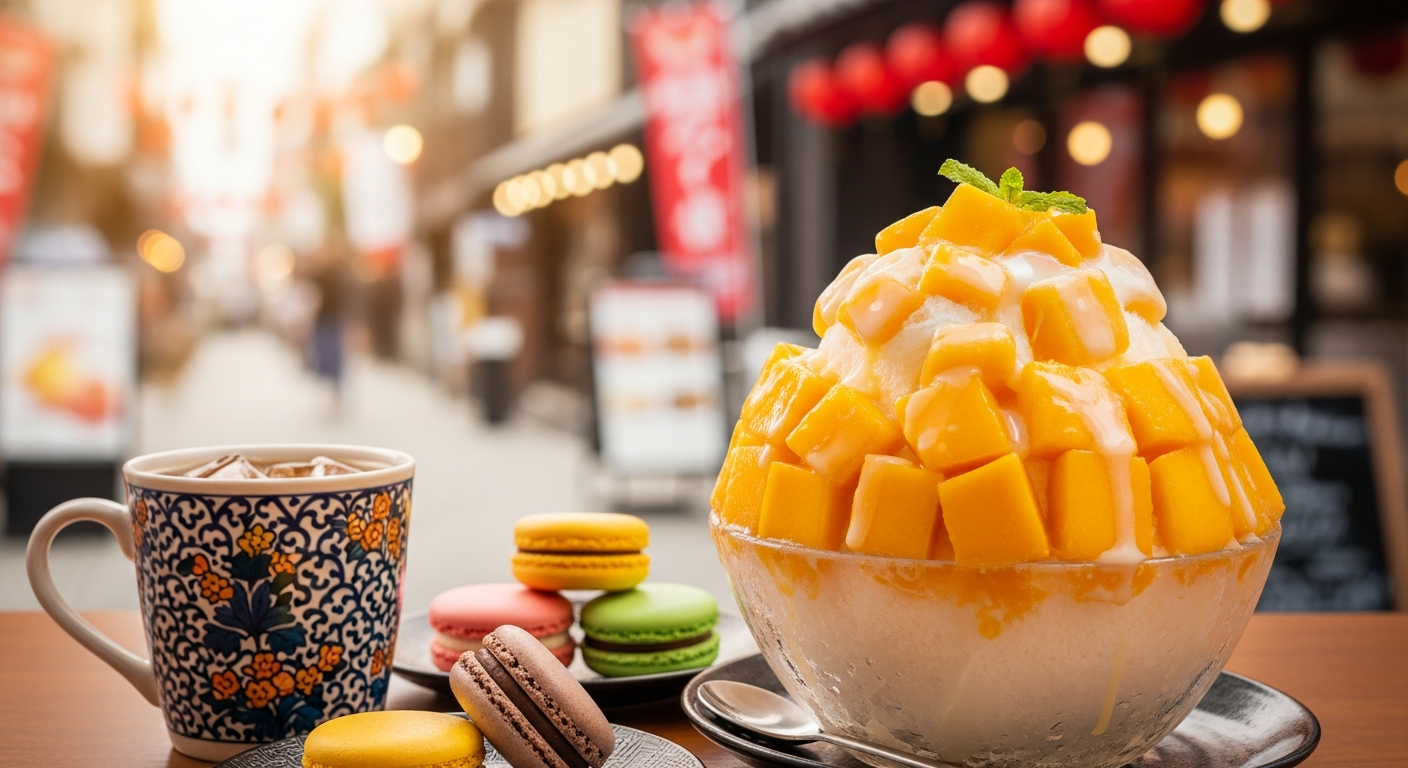
This Seoul-origin cafe is the closest thing Tsuruhashi has to a flagship Korean dessert destination — two floors of hanok-inspired interiors, two minutes from the station, and a bingsu menu that rotates with the seasons. The Caramel Lotus version layers powdery shaved milk ice over condensed milk, topped with crushed Lotus biscuits and a scoop of vanilla — it’s substantial enough to share, though most people don’t.
2. Busan Hotteok (ブサンホットク)
- 📍 5-7-1 Momodani, Ikuno-ku, Osaka
- 🕐 10:00–19:00, irregular closures (as of May 2026)
- 💰 ¥200–¥500 (food only)
- 🚃 Tsuruhashi Station (10 min walk)
- 🗺 Open in Google Maps
- 📋 Tabelog
What to order: Hotteok (¥200–¥300)
A street-stall specialist inside Ikuno Koreatown, doing one thing: hotteok, the pan-fried Korean pancake filled with brown sugar syrup, cinnamon, and crushed nuts. The dough is a kneaded wheat and rice flour crust grilled into round cakes on an iron grill, filled with brown sugar syrup, cocoa powder, and a distinctive touch of cinnamon, then topped with pumpkin seeds, peanuts, walnuts, and other nuts — soft and chewy with a satisfying bite. Eat it immediately, standing up, before the syrup cools.
3. TAMO Tsuruhashi Bekkan (茶母 鶴橋別館)
- 📍 2-6-23 Tsuruhashi, Ikuno-ku, Osaka
- 🕐 11:30–22:00 (LO 21:30), irregular closures (as of May 2026)
- 💰 ¥700–¥1,400 (sweets only) / ¥1,500–¥3,500 (with food and drinks)
- 🚃 Tsuruhashi Station (2 min walk)
- 🗺 Open in Google Maps
- 📋 Tabelog
What to order: Patbingsu (¥900) or Hotteok (¥600)
Patbingsu, hotteok, and Korean-style parfaits are all on the menu here, alongside a full Korean food menu — so you can come just for dessert or make an afternoon of it. The atmosphere is bright and clean, with healthy handmade Korean dishes and original herbal teas. It’s one of the few spots near the station where you can sit down properly, order a classic patbingsu with handmade red bean, and not feel rushed out the door.
4. Cafe de Pojagi (カフェ ド ポジャギ)
- 📍 K-EAST Building 2F, 3-10-9 Momodani, Ikuno-ku, Osaka
- 🕐 11:00–17:30 (LO 17:00), irregular closures — check Instagram before visiting (as of May 2026)
- 💰 ¥1,000–¥1,800 (food only) / ¥1,500–¥2,400 (with drinks)
- 🚃 Tsuruhashi Station (10 min walk)
- 🗺 Open in Google Maps
- 📋 Tabelog
What to order: Pessol (bingsu) — seasonal pricing from ¥1,200
Cafe de Pojagi is a Korean sweets cafe in a corner of Tsuruhashi Koreatown, and its signature is pessol — a Korean-style shaved ice made from an ultra-fine milk-based sherbet that dissolves almost instantly on the tongue. The fluffy ice comes topped with seasonal fruits. The “Sleeping Bear Pessol” — a vanilla ice cream bear nestled on top of the shaved ice — is limited to ten portions a day and sells out fast. Worth the ten-minute walk from the station.
5. S cafe+bar (エスカフェプラスバー)
- 📍 御幸通商店街, Ikuno-ku, Osaka (above the tapioca shop “sin an ju” — look for the croffle sign on the narrow staircase)
- 🕐 12:00–19:00 (LO 18:30), irregular closures (as of May 2026)
- 💰 ¥750–¥900 (croffle) / ¥1,300–¥1,600 (with drinks)
- 🚃 Tsuruhashi Station (13 min walk)
- 🗺 Open in Google Maps
- 📋 Tabelog
What to order: Choco Oreo Croffle (¥750)
Croffle is a Korean-origin sweet made by pressing croissant dough in a waffle iron — crispy outside, chewy inside. S cafe+bar does six versions, and the Choco Oreo — warm croffle, cold soft-serve, crushed Oreo — is the one that keeps people coming back. The shop also sells skewered takeaway croffles for eating while you walk, with seasonal flavours rotating throughout the year. The space seats fewer than ten people, so expect a wait on weekends.
6. SHELTER COFFEE (シェルターコーヒー)
- 📍 Ikuno-ku, Osaka (on the route from Tsuruhashi Station toward Koreatown)
- 🕐 10:00–18:00, irregular closures (as of May 2026)
- 💰 ¥600–¥1,200 (food only) / ¥1,100–¥1,800 (with drinks)
- 🚃 Tsuruhashi Station (3 min walk)
- 🗺 Open in Google Maps
- 📋 Tabelog
What to order: Croffle + single-origin filter coffee (¥1,100–¥1,300 combined)
SHELTER Coffee Stand is a stylish, concrete-interior cafe in Tsuruhashi that takes its coffee seriously — beans are self-roasted and change by season. The croffle is a signature menu item alongside the single-origin coffee. It’s the kind of place that feels more Seongsu-dong than Koreatown, which is exactly the point. Good for a quieter sit-down before or after the market crowds.
7. Dudoji Cafe (ドゥドジカフェ)
- 📍 Momodani, Ikuno-ku, Osaka (renovated traditional townhouse — look for the mole logo)
- 🕐 11:00–17:00, irregular closures — check Instagram before visiting (as of May 2026)
- 💰 ¥700–¥1,400 (food only) / ¥1,200–¥2,000 (with drinks)
- 🚃 Tsuruhashi Station (10 min walk)
- 🗺 Open in Google Maps
- 📋 Tabelog
What to order: Seasonal Mochi Waffle with ice cream (¥900–¥1,100)
A Korean couple runs this cafe out of a renovated traditional townhouse in the residential streets of Momodani, making Korean desserts by hand using rice flour and glutinous rice flour. The menu leans into traditional formats — solgi (steamed rice cake), Korean tteok platters, and the seasonal mochi waffle that comes buried under fresh fruit and cream. The shop name “Dudoji” means “mole” in Korean, and the logo is exactly as cute as that sounds. One of the most genuinely local-feeling spots on this list.
8. TOMORROW TIGER BAGEL (トゥモロータイガーベーグル)
- 📍 2-8-11 Momodani, Ikuno-ku, Osaka
- 🕐 11:00–18:00 (or until sold out), no regular closing day (as of May 2026)
- 💰 ¥380–¥700 (per bagel)
- 🚃 Tsuruhashi Station (12 min walk)
- 🗺 Open in Google Maps
- 📋 Tabelog
What to order: Rice flour bagel — flavour varies daily (¥380–¥500)
TOMORROW TIGER BAGEL sits near the entrance of Koreatown and has been a trending hotspot since it opened in 2024, constantly buzzing on social media. The bagels are baked using a unique method that makes them super chewy and satisfyingly filling. They use rice flour, which gives the dough a slightly different chew from a standard wheat bagel — denser, more elastic. Many items sell out by the afternoon, so arriving in the morning is your best bet. The MICHI Osaka travel guide recommends pairing a bagel here with a coffee from SHELTER COFFEE on the walk back to the station.
How to Order
Most of these spots are small, and a few operate on a first-come, first-served basis with no reservations. Here’s what to know before you go.
Street stalls (Busan Hotteok, Koreatown vendors): Cash only at most stalls. Point at what you want, hold up fingers for quantity. Hotteok is made to order and takes two to three minutes — step aside and wait rather than blocking the queue.
Sit-down cafes (CAFE BINGGO, TAMO, Cafe de Pojagi): CAFE BINGGO and TAMO accept walk-ins; Cafe de Pojagi does not take reservations. For Cafe de Pojagi, check their Instagram (@cafe.de.pojagi) before visiting — hours are irregular and they sometimes close early when items sell out.
S cafe+bar: Walk-in only, but you can register on arrival and explore the area while you wait. Check their Instagram for same-day availability on weekends.
Bingsu timing: Most cafes serve bingsu year-round, but seasonal varieties (strawberry in spring, chestnut in autumn) are limited. If you’re visiting specifically for a seasonal flavour, check the shop’s Instagram the morning of your visit.
Language: English menus are not standard at most of these spots. Photos on the menu board or pointing at neighbouring tables’ orders works fine. CAFE BINGGO has the most tourist-friendly setup, with picture menus and some English signage.
FAQ
Q: Is Korean sweets in Tsuruhashi expensive?
A: Street food is cheap — hotteok runs ¥200–¥300, bagels ¥380–¥500. Sit-down cafes are mid-range: bingsu and pessol typically cost ¥1,200–¥1,700, croffles ¥750–¥900. Budget ¥1,500–¥2,500 per person for a cafe stop with a drink.
Q: Do shops in Tsuruhashi have English menus?
A: A few do — CAFE BINGGO has picture menus with some English, and TAMO Tsuruhashi Bekkan has English-language Tabelog listings. Most smaller cafes and street stalls operate in Japanese only, but photo menus and pointing are universally understood. Google Translate’s camera function handles most situations.
Q: When is the best time to visit?
A: Weekday mornings (opening until noon) are the quietest. Weekends from noon onward get crowded, especially at CAFE BINGGO and along the Koreatown shopping street. For limited-edition items like Cafe de Pojagi’s Sleeping Bear Pessol (ten per day) or TOMORROW TIGER BAGEL’s popular flavours, arrive within the first hour of opening. Summer weekends see the longest queues for bingsu — if that’s your priority, go on a weekday.
Information is accurate as of May 2026. We recommend checking Google Maps for the latest hours and prices before visiting.