Last updated: July 3, 2026
This article reflects information available at the time of writing. Check Google Maps for the latest hours and availability.
Introduction
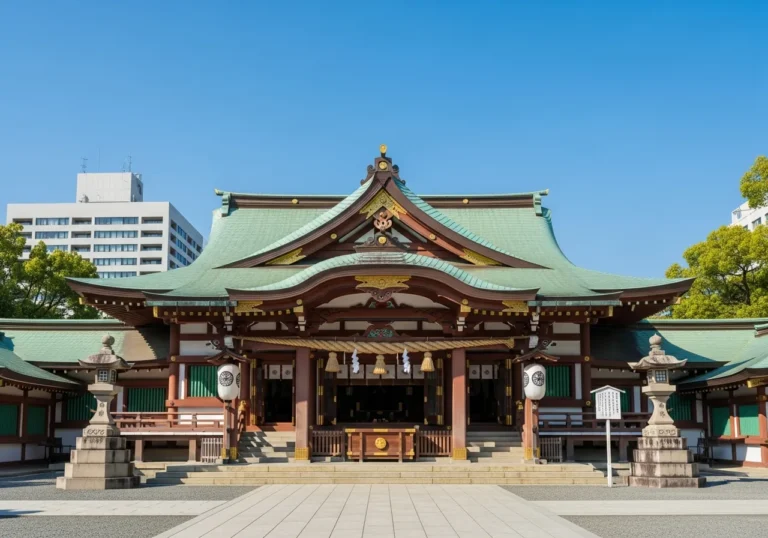
Most visitors to Sumiyoshi Taisha come for the shrine — the arched stone bridge, the ancient cedar trees, the quiet that somehow holds even when the crowds are thick. What they don’t always plan for is lunch. That’s a missed opportunity. The streets fanning out from the shrine and down toward Koshihama are home to a small but serious cluster of handmade soba shops, the kind that operate on their own schedule, sell out when they feel like it, and don’t particularly care about Instagram.
Soba is not Osaka’s signature dish — that’s udon country, and everyone knows it. But that’s exactly why the soba scene here is interesting. The handful of shops that have taken root in this quiet residential pocket aren’t chasing trends. They’re run by people who genuinely care about buckwheat: where it comes from, how it’s milled, how long it rests. You’ll find 100% buckwheat juwari soba, rare kanzarashi (cold-soaked) noodles, and aged noodles that most Osaka visitors have never heard of. For the best food in Osaka, you often have to leave the tourist corridors — and Sumiyoshi is a perfect example of why.
This guide covers three verified, currently operating handmade soba shops within easy reach of Sumiyoshi Taisha. All three are small, cash-preferred, and worth the detour. Come hungry, come early, and don’t expect an English menu — but do expect a bowl that will make you rethink what soba can be.
1. Kanzarashi Soba Ashiu (寒ざらしそば 芦生)
- 📍 3-27-18 Higashikohama, Sumiyoshi-ku, Osaka
- 🕐 Tue–Fri, Sat–Sun, Holidays: 11:00–15:00 & 17:00–21:00 (L.O. 20:30); Thu: 11:00–15:00 only (as of May 2026)
- 💰 ¥1,200–¥2,000 (food only) / ¥2,000–¥3,500 (with drinks)
- 🚃 Sumiyoshi Station (Hankai Tramway) — 1 min walk
- 🗺 Open in Google Maps
- 📋 Tabelog
What to order: Kanzarashi soba (¥1,200–¥1,500)
This is the only place in the Kansai region serving kanzarashi soba — buckwheat harvested in autumn, soaked in cold water through winter, then dried in the wind to concentrate its sweetness and strip out any bitterness. The shop is a one-minute walk from the Hankai tram stop, which makes it the most logical post-shrine lunch in the area. Every bowl is 100% buckwheat, and the staff will suggest eating it with salt first to let the noodle’s natural flavour come through before you reach for the dipping broth — which, unusually for Osaka, runs on the sharper, more assertive side. Counter seats mean solo diners are well catered for.
2. Teuchisoба Wa (手打ちそば 和)
- 📍 5-7-2 Karita, Sumiyoshi-ku, Osaka
- 🕐 Mon, Wed–Fri: 11:30–14:00 & 18:00–21:30; Sat–Sun & Holidays: 11:30–15:00 & 17:00–21:00; closed Tue (as of May 2026)
- 💰 ¥1,500–¥2,500 (food only) / ¥2,500–¥4,000 (with drinks)
- 🚃 Abiko Station (Osaka Metro Midosuji Line) — 6 min walk
- 🗺 Open in Google Maps
- 📋 Tabelog
What to order: Tebiki juwari soba — hand-milled 100% buckwheat (¥1,500 approx.)
A solo chef runs this 12-seat room tucked into a residential street near Karita, and he mills his own buckwheat by hand — a level of commitment that’s rare even in dedicated soba towns. The menu splits between the tebiki juwari (stone-milled, 100% buckwheat) and a 9:1 buckwheat-to-wheat aged noodle that rests for three days before service. Condiment options go well beyond the standard wasabi and spring onion: look for karami daikon (spicy grated radish) and kamo-zaru (duck dipping soba) when available. Lunch is short — doors close at 14:00 on weekdays — so plan accordingly. To explore more of Sumiyoshi, this neighbourhood makes a good base for an afternoon walk after your bowl.
3. Soba-dokoro Myokouan (そば処妙幸庵)
- 📍 6-18-23 Karita, Sumiyoshi-ku, Osaka
- 🕐 Hours vary — confirm by phone before visiting (as of May 2026)
- 💰 ¥900–¥1,800 (food only)
- 🚃 Abiko Station (Osaka Metro Midosuji Line) — 6 min walk
- 🗺 Open in Google Maps
- 📋 Tabelog
What to order: Mori soba (cold dipping soba, ¥900–¥1,100 approx.)
Myokouan is the neighbourhood shop that regulars treat as a given and visitors almost never find. It sits a short walk from Ashiu in the same Karita pocket, draws a loyal local crowd, and has reportedly won over at least one diner who thought they had a buckwheat allergy — a testament to the quality of the noodles rather than any medical miracle. The MICHI Osaka travel guide recommends calling ahead, as hours can be irregular for a shop of this size. Go for the mori soba and keep it simple on your first visit.
How to Order
All three shops are small, owner-operated, and run on limited soba supplies — when the noodles are gone, service ends for the day. Arriving within the first hour of opening is the safest strategy, especially on weekends near Sumiyoshi Taisha when foot traffic from the shrine spills into the surrounding streets.
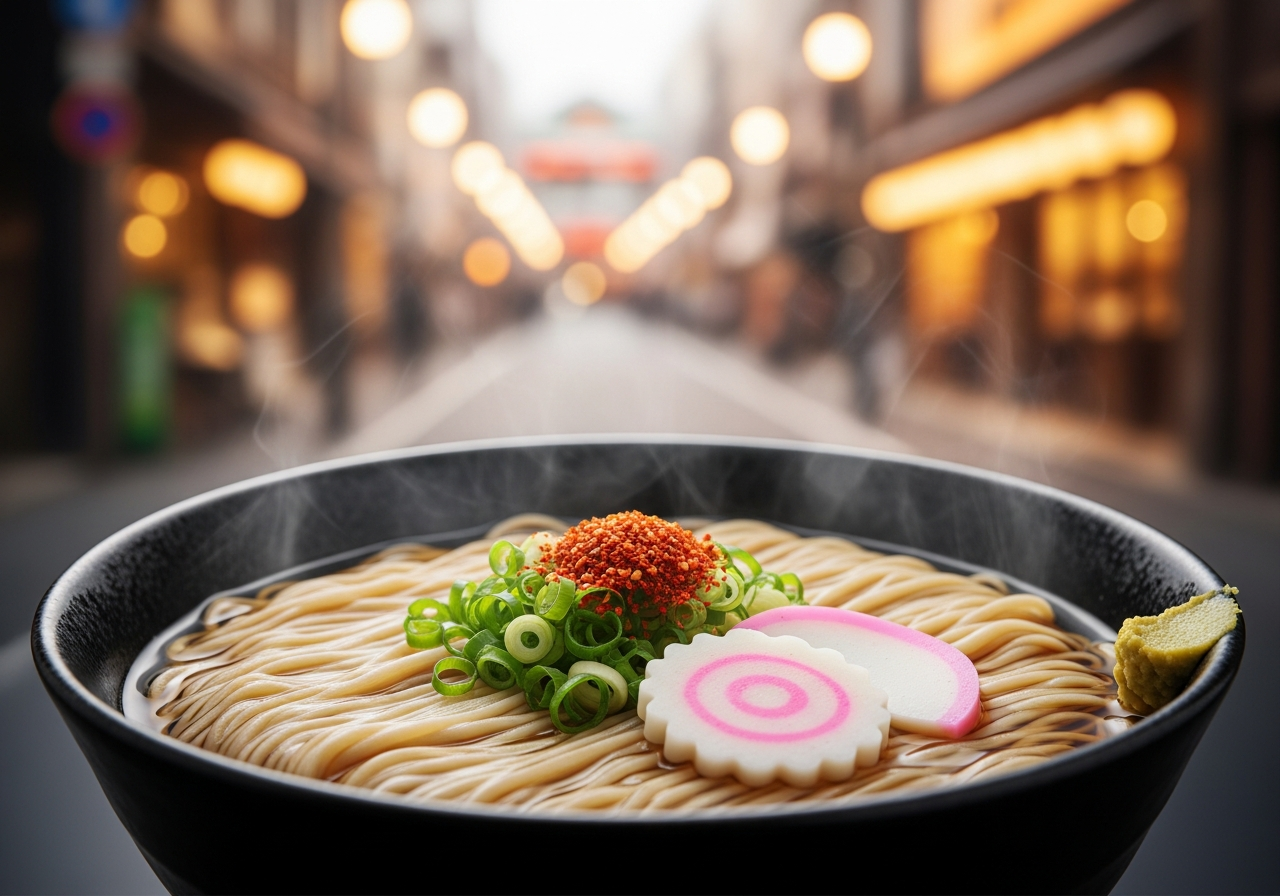
None of these shops have English menus, but soba ordering is straightforward. The two key decisions are temperature (cold/zaru or hot/kake) and noodle type if the shop offers a choice. Point at the menu or hold up fingers for quantity. Most dishes arrive with a small cup of dipping broth (tsuyu), a mound of spring onion, and wasabi on the side — mix the condiments into the broth, dip the noodles, and finish by pouring the hot sobayu (buckwheat cooking water) into your remaining broth to drink at the end.
Cash is strongly preferred at all three shops — bring coins and small notes. Reservations are accepted at Teuchisoба Wa for evening visits, which is worth doing if you’re planning a dinner rather than a lunch drop-in. At Ashiu, the counter seats fill quickly on weekends; arriving alone or as a pair gives you the best chance of getting seated without a wait.
FAQ
Q: Is soba near Sumiyoshi Taisha expensive?
A: No. Lunch at all three shops runs ¥900–¥1,500 for a standard bowl. Add ¥300–¥500 for toppings like duck or tempura. Evening visits with sake and side dishes at Teuchisoба Wa can push toward ¥3,000–¥4,000 per person, but that’s a full meal with drinks.
Q: Do these soba shops have English menus?
A: None of the three currently offer English menus. That said, soba menus are short and repetitive — cold (zaru/mori) or hot (kake), with a few topping options. A translation app pointed at the menu will get you through it in under a minute.
Q: When is the best time to visit?
A: Weekday lunches are the quietest. Weekend mornings after a visit to Sumiyoshi Taisha are popular — arrive by 11:30 to avoid a wait. All three shops can sell out of noodles before their listed closing time, so earlier is always better. Ashiu also opens for dinner most evenings, making it a solid option if you’re visiting the shrine in the afternoon.
Information is accurate as of May 2026. We recommend checking Google Maps for the latest hours and prices before visiting.