Last updated: July 3, 2026
This article reflects information available at the time of writing. Check Google Maps for the latest hours and availability.
Introduction
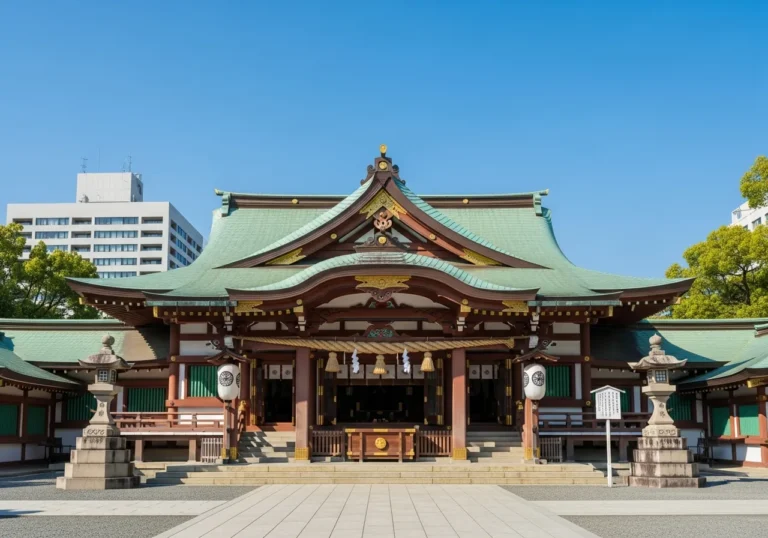
Most visitors to Sumiyoshi Taisha come for the shrine — the arched Sorihashi bridge, the four main halls built in a style found nowhere else in Japan, the quiet that somehow holds even on busy weekends. What they don’t always plan for is lunch. That’s a mistake worth correcting.
The streets around Sumiyoshi Taisha Station and the neighbouring Hankai tram stops sit in one of Osaka’s most genuinely local residential pockets. There’s no tourist-facing restaurant row here, no English signage cluster. What you get instead is a neighbourhood that has been feeding itself for decades: a 90-year-old yoshoku diner whose egg croquette has won national awards, a French-trained chef quietly making some of the best spice curry in the city, a soba shop that cold-soaks its buckwheat in winter water, an okonomiyaki counter that has barely changed since the Showa era.
If you’re already making the trip south on the Nankai Line — and you should be, because the best food in Osaka is rarely where the crowds are — tacking on a proper meal here costs you nothing but time. The shrine is 10 minutes from Namba. The food is the reason to stay longer.
This guide covers eight spots within easy walking distance of the shrine, spanning breakfast coffee, lunch sets, spice curry, okonomiyaki, soba, udon, kushiage, and a taiyaki stall that draws a queue every single day. Prices are low, waits can be real, and almost nothing has an English menu — but none of that should stop you. Explore more of Sumiyoshi and you’ll find a neighbourhood that rewards the curious.
1. Yaroku Restaurant Honten (やろく レストラン本店)
- 📍 3-30-16 Higashikohama, Sumiyoshi-ku, Osaka 558-0051
- 🕐 Lunch: 11:00–13:30 / Dinner: 17:00–19:30 (closes early when sold out) as of May 2026
- 💰 ¥1,000–¥1,800 (food only)
- 🚃 Sumiyoshi Station (Hankai Line) — 2 min walk
- 🗺 Open in Google Maps
- 📋 Tabelog
- 🌐 Official site
What to order: Tamago Korokke set (¥1,200–¥1,500)
Yaroku has been in the same spot for over 90 years, and its egg croquette — a creamy, round, boiled-egg-and-béchamel affair with a whisper of curry — has won the Japan Croquette Grand Prix four years running. The lunch queue starts before 11am on weekends; arrive early or expect to wait. A takeaway-only branch sits under the Nankai railway tracks nearby if you’d rather eat walking.
2. M Kasse (Mカッセ)
- 📍 2-11-3 Kohama, Suminoe-ku, Osaka (near Kohama Station)
- 🕐 Tue, Mon, Wed, Sat, Sun: 11:30–15:00 / 17:30–20:30; closed Thu & Fri as of May 2026
- 💰 ¥1,000–¥1,999 (food only)
- 🚃 Kohama Station (Nankai Line) — 1 min walk; Sumiyoshi Taisha Station — 6 min walk
- 🗺 Open in Google Maps
- 📋 Tabelog
What to order: Three-curry aiigake plate (¥1,500–¥1,800)
The chef trained in French and Italian kitchens before pivoting to spice curry, and the result is something genuinely unusual: a chicken curry built on kombu dashi and ten-plus spices, rich but clean on the finish, served alongside a Sète-style dry keema and a rotating third option. Selected as a Tabelog Curry West Top 100 shop in 2024. It sells out — go at opening or call ahead after 3pm.
3. Kokoji (古々路)
- 📍 2-9-20 Sumiyoshi, Sumiyoshi-ku, Osaka (near Sumiyoshi Taisha Station)
- 🕐 Lunch from 11:30; dinner from 17:00; closed Tuesdays as of May 2026
- 💰 ¥700–¥1,500 (food only)
- 🚃 Sumiyoshi Taisha Station (Nankai Line) — 1 min walk
- 🗺 Open in Google Maps
- 📋 Tabelog
What to order: Kokoji-yaki (¥1,200–¥1,400)
Right in front of the shrine’s main torii, this okonomiyaki shop is best known for its signature kokoji-yaki: a modan-yaki base loaded with 170g of Okinawan Agu pork, salt-seasoned soba noodles inside, and a crack of black pepper on top. It’s a big, bold, unapologetically filling plate — the kind of thing you eat after a long morning of shrine-hopping. Prices are firmly in the neighbourhood range.
4. Kansazarashi Soba Ashiu (寒ざらしそば 芦生)
- 📍 Sumiyoshi-ku, Osaka (short walk from Sumiyoshi Taisha Station)
- 🕐 Lunch hours; closed irregularly — check before visiting as of May 2026
- 💰 ¥1,000–¥2,000 (food only)
- 🚃 Sumiyoshi Taisha Station (Nankai Line) — 5 min walk
- 🗺 Open in Google Maps
- 📋 Tabelog
What to order: Kansazarashi soba with tororo (¥1,300–¥1,600)
Kansazarashi is a traditional technique where buckwheat seeds are soaked in cold winter water before milling — it mellows the bitterness and draws out a natural sweetness. Ashiu is one of the very few places in Osaka doing this properly. The room is modern and calm, the soba is best eaten plain with salt first, then with grated tororo yam. Slightly pricier than the neighbourhood average, but the quality justifies it.
5. Menya Sougetsu (麺屋・爽月)
- 📍 2-11-3 Kohama, Suminoe-ku, Osaka 559-0023
- 🕐 Mon, Wed, Sat, Sun: 11:30–15:00 / 17:30–20:30; Tue: 11:30–15:00; closed Thu & Fri as of May 2026
- 💰 ¥980–¥1,500 (food only)
- 🚃 Kohama Station (Nankai Line) — 1 min walk; Sumiyoshi Taisha Station — 6 min walk
- 🗺 Open in Google Maps
- 📋 Tabelog
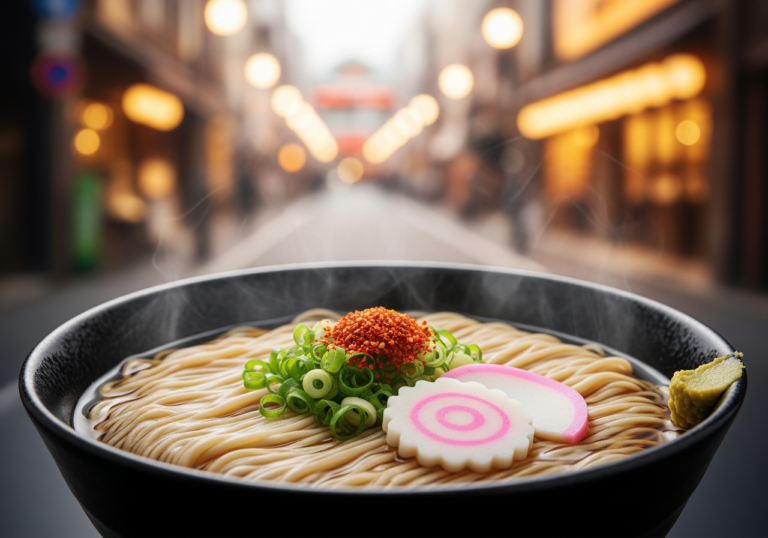
What to order: Dashimaki udon (¥980)
Inside the Kohama covered shopping arcade, this small counter-and-table shop is known for two things: a dashi-rolled egg the size of a dinner plate draped over thick, glossy udon, and a curated selection of premium sake that the owner is genuinely enthusiastic about discussing. The udon is house-made, the broth is clean and slightly sweet, and the whole bowl is the kind of thing that makes you slow down. Come for lunch; the evening sake crowd fills it fast.
6. Kushiage 010 (串揚げ010)
- 📍 Near Sumiyoshi Taisha Station, Sumiyoshi-ku, Osaka
- 🕐 Dinner from 17:00; reservations recommended as of May 2026
- 💰 ¥2,000–¥4,000 (with drinks, omakase)
- 🚃 Sumiyoshi Taisha Station (Nankai Line) — 1 min walk
- 🗺 Open in Google Maps
- 📋 Tabelog
What to order: Omakase kushiage course (¥2,500–¥3,500)
A stop-style kushiage counter right by the station — you call stop when you’ve had enough, and the skewers keep coming until you do. The oil is notably light, the batter crisp without being heavy, and the house sauce has a fruity depth that doesn’t overwhelm. The owner’s eclectic taste in décor (expect some apparel on the walls alongside the fryers) makes it one of the more characterful spots in the neighbourhood for an evening drink-and-eat.
7. Okonomiyaki Shirakaba (お好み焼き 白樺)
- 📍 Sumiyoshi-ku, Osaka (near Sumiyoshi Taisha / Hankai tram stop)
- 🕐 Lunch and dinner; closed Mondays as of May 2026
- 💰 ¥700–¥1,200 (food only)
- 🚃 Sumiyoshi Toriimae Station (Hankai Line) — 3 min walk
- 🗺 Open in Google Maps
- 📋 Tabelog
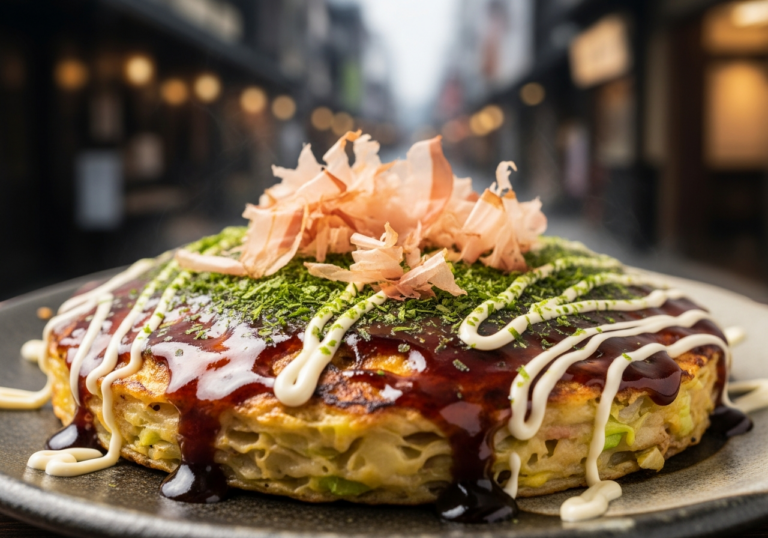
What to order: Buta-tama (¥730) / Naniwa-yaki set (¥900–¥1,000)
Founded in 1958, Shirakaba is the kind of okonomiyaki shop that doesn’t need to explain itself. The buta-tama is textbook Osaka-style: cabbage-heavy, fluffy, pork-sweet, with a thin batter that lets the ingredients do the work. The portions are deliberately modest — the idea being that you order an okonomiyaki, a yakisoba, and maybe a kurumiochi dessert mochi, and leave having eaten a full meal without feeling wrecked. Showa-era atmosphere included at no extra charge.
8. Kineya Sumiyoshi Taisha Shop (きねや 住吉大社店)
- 📍 3-14 Nagaocho, Sumiyoshi-ku, Osaka (inside the Nankai Sumiyoshi shopping area)
- 🕐 Daytime hours, roughly 10:00–17:00; check before visiting as of May 2026
- 💰 ¥200–¥600 (snacks and sweets)
- 🚃 Sumiyoshi Toriimae Station (Hankai Line) — 1 min walk
- 🗺 Open in Google Maps
- 📋 Tabelog
What to order: Taiyaki (¥200–¥280 per piece)
The taiyaki stall directly facing the shrine’s main approach draws a queue on most days — the fish-shaped cakes come out of the iron mould hot, with a thin, slightly crisp shell and a generous red bean filling. It’s the most natural post-shrine snack in the area, and at under ¥300 a piece, the easiest decision you’ll make all day. The MICHI Osaka travel guide recommends pairing it with a slow walk back along the tram tracks toward Tennoji.
How to Order
Almost none of the restaurants in this neighbourhood have English menus, and very few staff speak conversational English. That said, ordering is manageable with a few basics.
At okonomiyaki and kushiage counters, pointing at what other diners are eating works perfectly well. At Yaroku, the set menus are fixed — just say “ranchi setto” (lunch set) and you’ll get the right thing. At M Kasse, the three-curry plate is the default order; hold up three fingers and say “aiigake” if you want all three. At Menya Sougetsu, the dashimaki udon is the signature — show the staff the Japanese name (だし巻きうどん) on your phone.
For kushiage, the stop system is universal: say “sutoppu” when you’ve had enough skewers. At soba and udon shops, cold (hiyashi/zaru) or hot (atatakai/kake) is usually the first decision — staff will ask, and a nod toward another diner’s bowl communicates clearly.
Cash is still the norm at most of these spots. Bring ¥3,000–¥5,000 per person to cover lunch plus a snack. IC cards (Suica, ICOCA) are accepted on the Nankai Line and Hankai tram but not at the restaurants themselves.
FAQ
Q: Is eating near Sumiyoshi Taisha expensive?
A: No. This is a residential neighbourhood, not a tourist zone. Lunch at most spots runs ¥800–¥1,500 per person. Even a full dinner with drinks at Kushiage 010 rarely exceeds ¥4,000. Yaroku is the priciest lunch option at around ¥1,500 for a set, and it’s worth every yen.
Q: Do restaurants near Sumiyoshi Taisha have English menus?
A: Mostly no. Yaroku has some English on its website but not necessarily in-store. M Kasse and Menya Sougetsu are Japanese-only. Your best tool is Google Translate’s camera function — point it at the menu board and you’ll get the gist. Staff are generally patient and helpful even without a shared language.
Q: When is the best time to visit?
A: Weekday lunches are the calmest. Weekends — especially Sunday mornings when locals visit the shrine — mean queues at Yaroku from 10:45am and a full Kokoji by noon. January (hatsumode season) is the busiest period of the year; expect 30-minute waits at popular spots. For the shrine itself, early morning on any day is quieter and more atmospheric than midday.
Q: How do I get to Sumiyoshi Taisha from central Osaka?
A: Take the Nankai Main Line from Namba to Sumiyoshitaisha Station — about 10 minutes, roughly ¥230. Alternatively, the Hankai tram (Osaka’s last surviving streetcar line) runs from Tennoji and stops at Sumiyoshi Toriimae, directly in front of the shrine’s main gate. The tram is slower but more atmospheric, and a flat ¥230 fare covers the whole line.
Information is accurate as of May 2026. We recommend checking Google Maps for the latest hours and prices before visiting.