Last updated: July 3, 2026
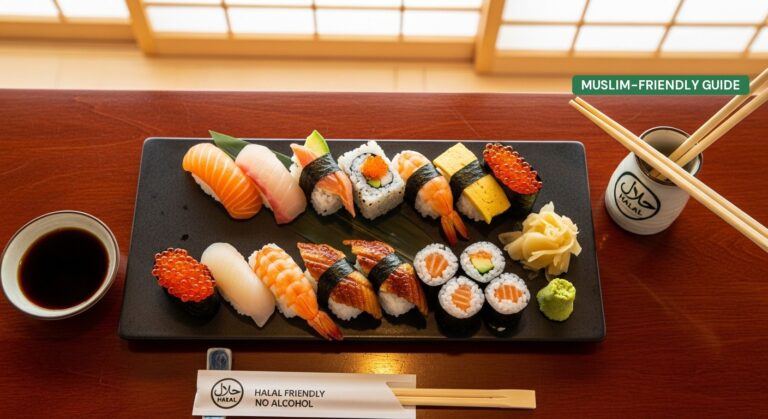
Halal status changes — always confirm with the restaurant before your visit.
Introduction
Muslim travelers in Osaka no longer need to worry about missing out on Japan’s most celebrated beef — certified halal wagyu is now a genuine dining option right in the heart of the city’s most energetic shopping corridor. Shinsaibashi runs the length of the Shinsaibashi-suji covered arcade, anchored by Daimaru department store and the Apple Store, and its side streets have quietly become one of Osaka’s most Muslim-friendly dining zones. This guide covers three verified wagyu beef experiences — two halal-certified and one Muslim-friendly — ranging from tabletop yakiniku grills to wagyu rice bowls and ramen, suited to solo travelers, couples, and groups alike. For a broader picture of where to eat across the city, browse our Osaka halal guide before you set out.
1. A5 Wagyu Yakiniku Osaka Panga (和牛焼肉ぱんが)
- 📍 2-3-31 Shinsaibashisuji, Chuo-ku, Osaka 542-0085
- 🕐 Lunch 11:30–14:00 / Dinner 17:00–22:30 (as of 2026-06-11)
- 💰 ¥3,500–6,000 per person
- 🚃 Shinsaibashi Station (Midosuji Line) — 6 min walk
- 🕌 Certification: halal-certified
- 🧎 Prayer room: No
- 🍷 Alcohol served: No
- 🗣 English menu: Yes
- 🗺 Open in Google Maps
What to order: Halal A5 Wagyu Platter — sirloin, ribeye, and tenderloin cuts grilled at your table (from ¥4,800)
Panga sources only A5-grade Japanese wagyu — representing the top 4% of the highest rank — and has obtained formal halal certification so that as many people from around the world as possible can enjoy it. The Shinsaibashi branch offers halal-certified A5 wagyu with halal seasonings and sauces, takes cross-contamination seriously, and uses separate utensils and grills for halal meals upon request. This is the benchmark wagyu yakiniku experience in the area for Muslim diners.
2. Halal Ramen Naniwaya (浪速屋)
- 📍 2-7-22 Nishi-Shinsaibashi, Chuo Ward, Osaka 542-0086
- 🕐 12:00–22:30 (L.O. 22:00), open daily (as of 2026-06-11)
- 💰 ¥1,200–2,500 per person
- 🚃 Namba Station (Midosuji Line) — 10 min walk / Shinsaibashi Station — 12 min walk
- 🕌 Certification: halal-certified
- 🧎 Prayer room: Yes
- 🍷 Alcohol served: No
- 🗣 English menu: Yes
- 🗺 Open in Google Maps
What to order: Halal Wagyu Yakiniku Rice Bowl (¥1,500–1,800)
Naniwaya serves a halal wagyu yakiniku rice bowl alongside its ramen menu, and the Japan Islamic Trust certifies and endorses this establishment — which also provides a dedicated prayer space. The wagyu beef used is carefully selected and halal-certified, and the kitchen makes no compromise on flavour while fully complying with halal standards. If you want a wagyu fix at a more accessible price point, this is your spot — and you can perform wudu and pray on-site before or after your meal. When you’re done, explore more of Shinsaibashi along the arcade just minutes away.
3. Honolu Grande Shinsaibashi
- 📍 1-6-24 Shinsaibashisuji, Chuo-ku, Osaka (approx. — confirm on booking)
- 🕐 11:00–22:00, open daily (as of 2026-06-11)
- 💰 ¥1,500–3,000 per person
- 🚃 Shinsaibashi Station (Midosuji Line) — 6 min walk
- 🕌 Certification: Muslim-friendly
- 🧎 Prayer room: Nearby
- 🍷 Alcohol served: No
- 🗣 English menu: Yes
- 🗺 Open in Google Maps
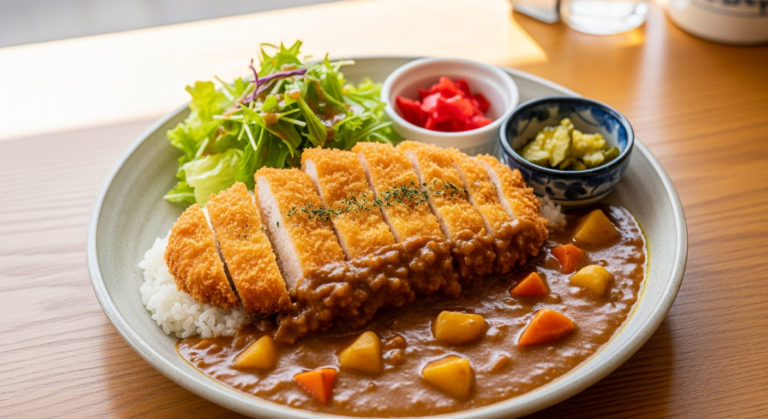
What to order: Wagyu Beef Ramen or Kobe Beef Gyukatsu (beef cutlet)
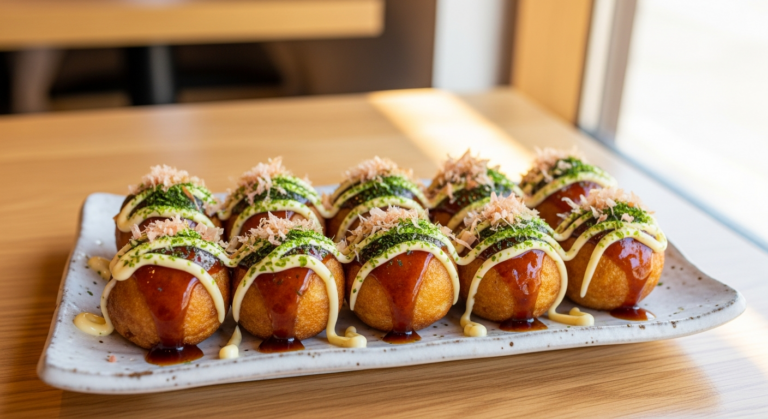
Honolu Grande Shinsaibashi is a sister store of Halal Ramen Honolu Osaka Namba, located just a five-minute walk north from Ebisubashi Bridge in Dotonbori, with a nostalgic “Halal Alley” interior theme. Here you can enjoy halal versions of must-try Japanese dishes — including Osaka soul foods takoyaki and okonomiyaki — as well as Kobe beef gyukatsu, steak, and gyoza, all made with halal ingredients and sauces. It is the most genre-spanning option on this list, making it a strong choice for groups with mixed tastes who still want wagyu on the table. For even more dining ideas across the city, see the best food in Osaka on MICHI.
Practical Info for Muslim Visitors
- 🕌 The Muslim Tourist Information Centre (JAPANeid building, Shinsaibashi) provides a prayer room and is approximately 5–15 minutes on foot from Shinsaibashi Station — the closest dedicated facility to all three restaurants listed above.
- 📱 Download Halal Navi (iOS/Android) to locate halal restaurants, mosques, and prayer rooms near you in real time across Japan.
- 🛒 FamilyMart and Lawson branches along Shinsaibashi-suji stock halal-safe snacks including onigiri with plain fillings, packaged nuts, fruit cups, and clearly labelled vegetable-based items — check ingredient labels or use the Halal Gourmet Japan app barcode scanner to confirm.
Last updated: July 3, 2026 · Corrections: [email protected]