Looking for halal food in Shinsaibashi, Osaka? You’re in luck — this shopping-district stretch has at least three verified halal-certified restaurants within walking distance of Shinsaibashi Station, covering takoyaki, ramen, and A5 wagyu yakiniku. Whether you’re a first-time visitor or a returning foodie, check our Osaka halal guide for the full city picture.
MICHI’s Pick — Selected by our Osaka-based team, based on places we’ve visited and on research using Tabelog and Google Maps ratings. In Japan, a Tabelog score of 3.4+ is genuinely high — Japanese reviewers are famously strict, and most locals consider anything above 3.4 a place worth a detour. We feature venues meeting at least one of: Tabelog 3.4+, Google Maps 4.3+, or 100+ reviews — the kind of spots locals quietly trust.
Tabelog and Google Maps scores are accurate as of the time of writing.
1. Halal Honolu Grande Shinsaibashi
Opened in July 2024, this halal-certified restaurant in Shinsaibashi serves an unusually wide menu — takoyaki, okonomiyaki, gyukatsu, steak sukiyaki, and shabu-shabu — all prepared with halal-certified A5-grade Kobe beef and Kurohana beef from Kumamoto.
- ☪️ Halal status: halal-certified
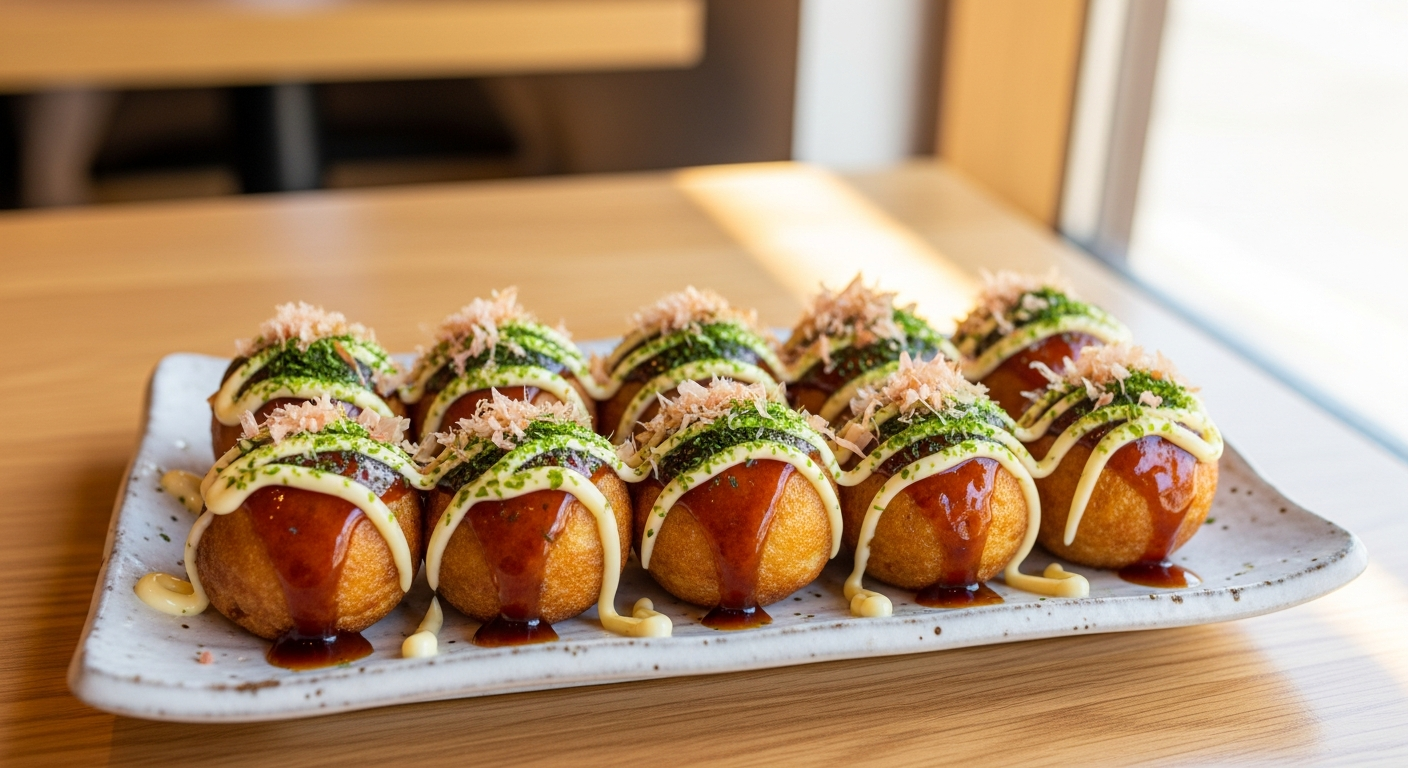
- 🍢 Must-order: Halal Takoyaki (¥600–¥800)
- 📍 Access: Shinsaibashi Station (6 min walk, Exit 6)
- 🕒 Hours: 11:30–21:00 (Open daily)
- 📞 Reservation: Not needed
- 🧎 Prayer room: Available on-site
- 🍷 Alcohol served: No
- 🗣 English menu: Yes
- 🗺 View on Google Maps
- 🔗 Source: enjoy-osaka-kyoto-kobe.com
What to order: Halal takoyaki and okonomiyaki are the Osaka soul-food highlights here, made entirely with halal ingredients and sauces — a rare find in a city where standard street-stall versions use alcohol-based sauce. The restaurant also provides a prayer space and wudu facilities for Muslim guests, making it one of the most complete halal stops in the area.
2. Halal Ramen Naniwaya
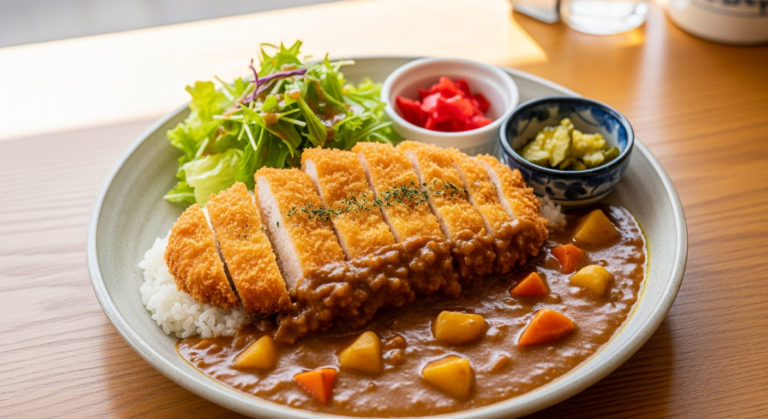
A compact kitchen with counter seating, Halal Ramen Naniwaya offers halal-certified ramen, wagyu bowls, and katsu dishes, and is known for its halal-certified Japanese cuisine including beef cutlet, fried chicken, and yakiniku donburi.
- ☪️ Halal status: halal-certified
- 🍜 Must-order: Special Naritaya Ramen (¥1,000–¥1,300)
- 📍 Access: Shinsaibashi Station (5 min walk, Exit 7)
- 🕒 Hours: 12:00–22:30, L.O. 22:00 (Open daily)
- 📞 Reservation: Not needed
- 🧎 Prayer room: None
- 🍷 Alcohol served: No
- 🗣 English menu: Yes
- 🗺 View on Google Maps
- 🔗 Source: naniwaya-osaka.com
What to order: Visitors have praised the Special Naritaya Ramen (Size L) for its juicy chicken and soft yet chewy noodles. If you want to explore the best food in Osaka beyond takoyaki, this is the halal ramen counter that locals and Muslim travelers alike keep coming back to. The shop is located at 2-7-22 Nishi-Shinsaibashi, Chuo Ward, and is open every day.
3. Halal Wagyu Yakiniku Panga Osaka
Panga’s A5 Japanese Wagyu beef is carefully raised with balanced feed for a smooth, flavorful texture; the restaurant selects only the top 4% of A5-grade beef and has been awarded halal certification so that Muslim guests can dine with full confidence.
- ☪️ Halal status: halal-certified
- 🥩 Must-order: A5 Wagyu Sirloin (¥3,000–¥5,000)
- 📍 Access: Shinsaibashi Station (6 min walk)
- 🕒 Hours: 17:00–23:00 (Closed: Monday)
- 📞 Reservation: Recommended
- 🧎 Prayer room: None
- 🍷 Alcohol served: Yes
- 🗣 English menu: Yes
- 🗺 View on Google Maps
- 🔗 Source: wagyu-panga.jp
What to order: Panga sits in Shinsaibashi and is best known for its tender all-halal meat — make sure to check the sirloin steak and halal wagyu. Note that alcohol is served at the table for other guests; the kitchen and all meat sourcing are halal-certified, but if you prefer a fully alcohol-free dining room, Honolu Grande (Shop 1) is the better fit. To plan your full day around the area, explore more of Shinsaibashi with our neighbourhood guide.
Frequently Asked Questions
Q. Is it easy to find halal food in Shinsaibashi, Osaka?
Easier than most visitors expect. The Honolu Grande chain alone covers takoyaki, okonomiyaki, gyukatsu, and Kobe beef steaks — all prepared without alcohol or pork — and is located right in vibrant Shinsaibashi. The three shops in this guide are all within a 6-minute walk of Shinsaibashi Station.
Q. What does “Muslim-friendly” mean in Japan?
In Japan, “Muslim-friendly” typically means a restaurant has removed pork and lard from its menu and made efforts to reduce cross-contamination, but does not hold a formal third-party halal certificate. The takoyaki sauce, batter dashi, and bonito-flake topping at standard stalls commonly contain mirin, alcohol-fermented soy sauce, and non-certified fish stock — the octopus itself is permissible, but the seasonings are the problem. All three shops in this guide go further and hold formal halal certification.
Q. Are there prayer rooms near halal restaurants in Shinsaibashi?
Halal Honolu Grande Shinsaibashi provides a prayer space and wudu facilities on-site, making it the most convenient option for prayer in the immediate area. For the other two restaurants, the nearest public prayer room is inside Daimaru Shinsaibashi (a short walk along Shinsaibashi-suji arcade) — check the store’s information desk on arrival for current floor and hours.
Q. What hidden ingredients should Muslim travelers watch out for in Japan?
Takoyaki sauce typically contains mirin (sweet rice wine) and soy sauce brewed with alcohol; the dashi may contain alcohol-based flavour enhancers — the octopus and most other ingredients are permissible, but the finishing sauce makes the dish not halal at standard stalls. Beyond takoyaki, watch for mirin in teriyaki glazes, sake in ramen broths, and lard in some fried-food oils — always confirm with staff at any restaurant not listed in a verified halal directory.
Last updated: August 14, 2026 · Corrections: [email protected]