Looking for halal food in Shinsaibashi, Osaka? You’ll find at least three verified halal-certified spots within walking distance of the arcade — a Michelin-recognised Pakistani kitchen, a Japanese-food hall serving halal gyukatsu and Kobe beef, and a halal ramen and wagyu specialist. All three suit solo diners, couples, and families, and none require advance booking for lunch.
MICHI’s Pick — Selected by our Osaka-based team, based on places we’ve visited and on research using Tabelog and Google Maps ratings. In Japan, a Tabelog score of 3.4+ is genuinely high — Japanese reviewers are famously strict, and most locals consider anything above 3.4 a place worth a detour. We feature venues meeting at least one of: Tabelog 3.4+, Google Maps 4.3+, or 100+ reviews — the kind of spots locals quietly trust.
Tabelog and Google Maps scores are accurate as of the time of writing.
1. Ali’s Kitchen
The first 100% halal Pakistani and Arabic restaurant in Osaka, tucked into the basement of the Torres Building just a one-minute walk from Shinsaibashi Station — look for the Pakistani flag at street level.
- ☪️ Halal status: halal-certified
- 🍛 Must-order: Beef Biryani (¥1,800)
- 📍 Access: Shinsaibashi Station (1 min walk, Exit 4 or 5)
- 🕒 Hours: 11:00–23:30 daily (Closed: Thursday)
- 📞 Reservation: Not needed
- 🧎 Prayer room: Available on-site
- 🍷 Alcohol served: Yes
- 🗣 English menu: Yes
- ⭐ Rating: Google 4.3 (1,557 reviews) (as of writing)
- 🗺 View on Google Maps
- 🔗 Source: halalfoodinjapan.com
What to order: Certified by the President of the Japan Biryani Association as the best biryani in Japan, it’s slow-cooked with 24 spices and basmati rice — not a simple fried-rice shortcut. The restaurant has also been featured in the Michelin Guide as a Bib Gourmand for Pakistani cuisine, making it one of the most decorated halal tables in the city. For a broader look at what the area has to offer, explore more of Shinsaibashi on MICHI.
2. Halal Honolu Grande Shinsaibashi
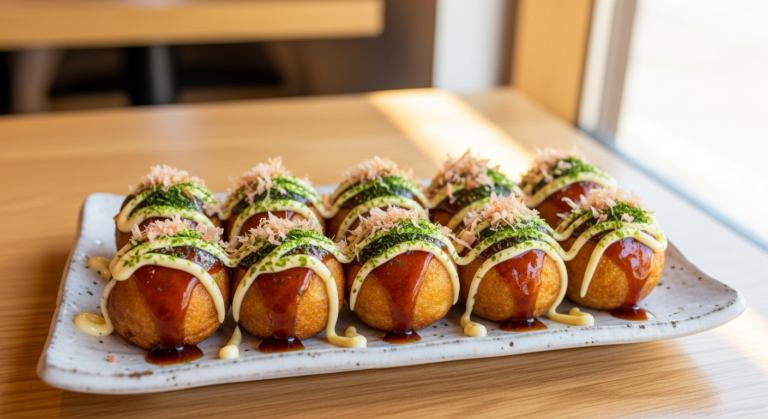
Established in July 2024, this halal-certified Japanese food hall in Shinsaibashi serves gyukatsu, steak sukiyaki, shabu-shabu, takoyaki, and okonomiyaki — all made with halal-certified A5-grade Kobe beef and Kurohana beef from Kumamoto.
- ☪️ Halal status: halal-certified
- 🍢 Must-order: Halal Gyukatsu — A5 Kobe Beef Cutlet (¥2,500 approx.)
- 📍 Access: Shinsaibashi Station (6 min walk)
- 🕒 Hours: 11:00–22:00 (Open daily — confirm on-site)
- 📞 Reservation: Not needed
- 🧎 Prayer room: Available on-site
- 🍷 Alcohol served: No
- 🗣 English menu: Limited
- ⭐ Rating: Google 4.8 (1,346 reviews) (as of writing)
- 🗺 View on Google Maps
- 🔗 Source: halalramenjapan.com
What to order: Beyond rich bowls of chicken and beef ramen, the menu stretches to takoyaki, okonomiyaki, gyukatsu, and even Kobe beef steaks — all prepared without alcohol or pork. The gyukatsu is the standout for Muslim diners wanting a genuinely Japanese experience: premium beef, panko crust, halal-only kitchen. A prayer room with qibla direction and gender-separated spaces is available; the nearest additional prayer room is in the Daimaru South Building, 7th floor, a short walk away.
3. Halal Ramen Naniwaya
Located at 2-7-22 Nishi-Shinsaibashi, Chuo Ward, Osaka, this halal ramen specialist is open every day from 12:00 to 22:30 (last order 22:00).
- ☪️ Halal status: halal-certified
- 🍜 Must-order: Halal Wagyu Yakiniku Rice Bowl (¥1,500 approx.)
- 📍 Access: Shinsaibashi Station (3 min walk)
- 🕒 Hours: 12:00–22:30, L.O. 22:00 (Open daily)
- 📞 Reservation: Not needed
- 🧎 Prayer room: None
- 🍷 Alcohol served: No
- 🗣 English menu: Yes
- 🗺 View on Google Maps
- 🔗 Source: naniwaya-osaka.com
What to order: The kitchen uses carefully selected halal-certified wagyu beef; the fragrant yakiniku aroma harmonises with the rice, and the team makes no compromise on flavour while staying fully halal-compliant. If you’re building a full Osaka itinerary around halal dining, our Osaka halal guide covers the city’s best options neighbourhood by neighbourhood. For a spice hit, the miso ramen is adjustable in heat level — useful if you’re dining with children.
Frequently Asked Questions
Q. Is it easy to find halal food in Shinsaibashi, Osaka?
Easier than most Japanese shopping districts. In the heart of Osaka, a warm and delicious answer is unfolding — the city’s legendary hospitality is extending its arms wider, creating a burgeoning scene of halal-certified and Muslim-friendly restaurants. The three shops above are all within a 6-minute walk of Shinsaibashi Station, and the Shinsaibashi-suji arcade itself is a useful landmark to orient yourself.
Q. What does “Muslim-friendly” mean in Japan?
In Japan, “Muslim-friendly” typically means a restaurant has removed pork and lard from its menu and may have reduced or eliminated alcohol from cooking, but it does not necessarily hold a formal halal certificate from a recognised certifying body. “Halal-certified” means a third-party organisation — such as the Japan Islamic Trust or a Malaysian halal authority — has audited the kitchen, ingredients, and supply chain. All three restaurants in this article are halal-certified, not merely Muslim-friendly.
Q. Are there prayer rooms near halal restaurants in Shinsaibashi?
A prayer room with qibla direction and gender-separated spaces is available inside Halal Honolu Grande Shinsaibashi itself; the Daimaru South Building 7th floor also has a prayer room at 1-6-3 Shinsaibashisuji, a short walk away. Ali’s Kitchen also has a prayer space on-site per the Osaka Mosque’s halal directory.
Q. What hidden ingredients should Muslim travelers watch out for in Japan?
The most common pitfalls are mirin (sweet rice wine used in sauces and glazes), sake (used in broths and marinades), and dashi made from pork bones or bonito. Even dishes that appear meat-free — such as vegetable tempura or pickles — can contain these. At halal-certified restaurants like the three above, these ingredients are replaced or eliminated entirely; at general Japanese restaurants, always ask specifically about mirin, sake, and the broth base before ordering. The best food in Osaka guide on MICHI also flags which popular dishes are easiest to verify as halal-safe.
Last updated: August 14, 2026 · Corrections: [email protected]