Last updated: July 3, 2026
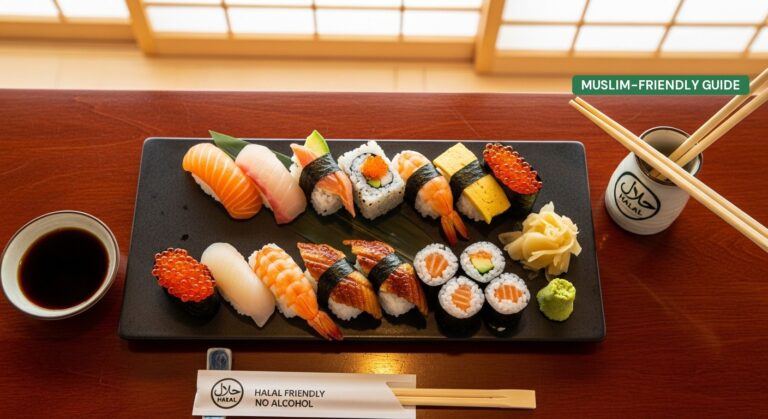
Halal status changes — always confirm with the restaurant before your visit.
Introduction
Muslim travelers in Osaka no longer need to worry about finding a satisfying, fully verified halal meal in one of the city’s most energetic neighborhoods. Shinsaibashi is Osaka’s premier fashion and shopping corridor — a covered arcade stretching between Namba and Honmachi, anchored by Daimaru department store and buzzing with foot traffic from morning to midnight. This guide covers four verified halal and Muslim-friendly restaurants in the Shinsaibashi area, spanning Japanese ramen, wagyu teppanyaki, Pakistani cuisine, and Southeast Asian comfort food — something for every palate and budget. Whether you are a first-time visitor or a returning regular, pair this guide with our Osaka halal guide for a complete picture of Muslim-friendly dining across the city, and explore more of Shinsaibashi beyond the plate.
1. Halal Ramen Naniwaya (ハラールラーメン浪花屋)
- 📍 2 Chome-7-22 Nishishinsaibashi, Chuo Ward, Osaka 542-0086
- 🕐 Daily 12:00–21:30 (as of 2026-06-10)
- 💰 ¥900–1,400
- 🚃 Namba Station (Osaka Metro Midosuji Line) (10 min walk)
- 🕌 Certification: halal-certified
- 🧎 Prayer room: Yes
- 🍷 Alcohol served: No
- 🗣 English menu: Limited
- 🗺 Open in Google Maps
What to order: Chicken paitan ramen (rich white chicken broth, ¥950)
Certified by the Japan Islamic Trust and operating a dedicated prayer space on the premises, Halal Ramen Naniwaya is one of the most rigorously verified halal ramen shops in southern Osaka. The kitchen runs entirely without pork or alcohol, and the chicken-based broth — made fresh daily — delivers the deep umami that ramen lovers travel to Japan for, with none of the compromise.
2. Halal Honolu Grande Shinsaibashi (ハラール ホノル グランデ 心斎橋)
- 📍 2 Chome-1-3 Shinsaibashisuji, Chuo Ward, Osaka 542-0085
- 🕐 Daily 11:00–22:00 (as of 2026-06-10)
- 💰 ¥1,500–4,500
- 🚃 Shinsaibashi Station (Osaka Metro Midosuji Line) (6 min walk)
- 🕌 Certification: halal-certified
- 🧎 Prayer room: Yes
- 🍷 Alcohol served: No
- 🗣 English menu: Yes
- 🗺 Open in Google Maps
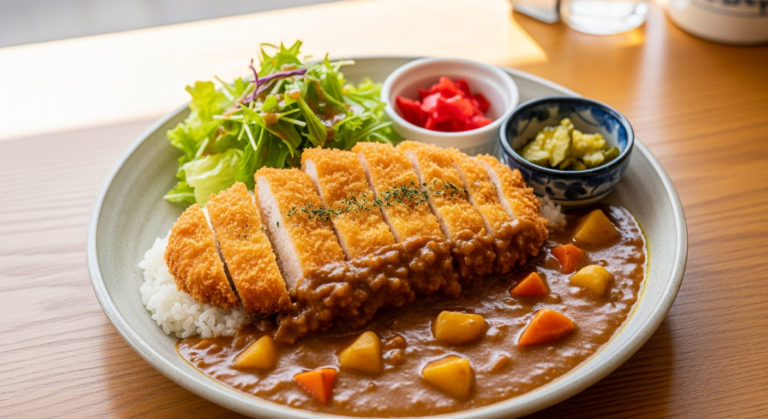
What to order: Gyukatsu (halal-certified A5 Kobe beef cutlet, from ¥2,800); spicy chicken ramen (¥1,200)
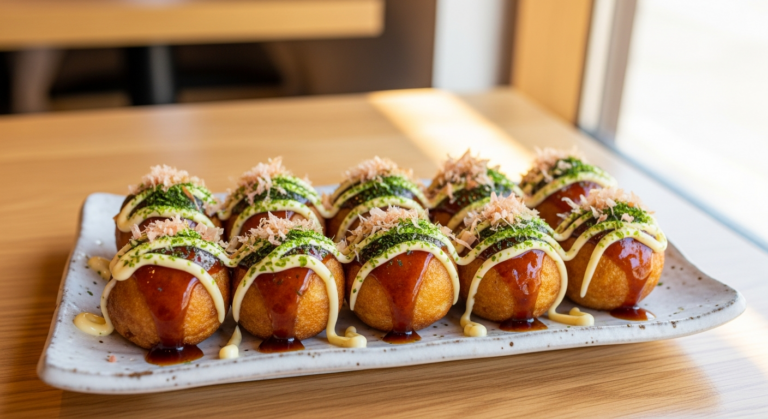
Opened in July 2024, Halal Honolu Grande Shinsaibashi is the area’s most versatile halal dining destination — a single certified kitchen covering ramen, wagyu steak, gyukatsu, okonomiyaki, and takoyaki, all prepared with halal-certified A5-grade Kobe beef and Kumamoto Kurohana beef. A prayer space and wudu facility are available on site, making this a genuine one-stop destination for Muslim visitors spending a full day along the Shinsaibashi-suji arcade. For more Japanese dining ideas across the city, see the best food in Osaka.
3. Ali’s Kitchen (アリーズキッチン)
- 📍 1 Chome-10-12 Shinsaibashisuji, Chuo Ward, Osaka 542-0085
- 🕐 Mon–Sun 11:00–14:30 & 17:00–21:30, closed Thursday (as of 2026-06-10)
- 💰 ¥1,200–2,500
- 🚃 Shinsaibashi Station (Osaka Metro Midosuji Line) (4 min walk)
- 🕌 Certification: halal-certified
- 🧎 Prayer room: No
- 🍷 Alcohol served: No
- 🗣 English menu: Yes
- 🗺 Open in Google Maps
What to order: Chicken biryani (¥1,400); seekh kebab appetizer (¥800)
Ali’s Kitchen is a halal-certified Pakistani and Arabic restaurant that earned a Michelin Guide listing in 2017, a rare distinction for any halal eatery in Japan. The menu spans aromatic biryanis, masala curries, shrimp tandoori, and samosas — all prepared in a halal-only kitchen just a four-minute walk from Shinsaibashi Station. It is a strong choice for travelers who want a substantial, spice-forward meal after a long day of shopping along the arcade.
4. Cafe Bintang (カフェ ビンタン)
- 📍 4F Katie’s Shinsaibashi, 1-19-19 Higashi Shinsaibashi, Chuo-ku, Osaka 542-0083
- 🕐 Mon–Sun 12:00–22:00 (Friday 14:00–22:00) (as of 2026-06-10)
- 💰 ¥900–1,600
- 🚃 Shinsaibashi Station (Osaka Metro Midosuji Line) (5 min walk)
- 🕌 Certification: Muslim-friendly
- 🧎 Prayer room: Yes
- 🍷 Alcohol served: No
- 🗣 English menu: Yes
- 🗺 Open in Google Maps
What to order: Nasi goreng (Indonesian fried rice, ¥1,100); gado gado (¥950)
This Muslim-owned fourth-floor cafe brings Javanese and Malaysian home cooking to the heart of Shinsaibashi, with a halal menu, bento takeaway options, and a prayer space available for guests. Cafe Bintang is a welcoming change of pace from Japanese cuisine — ideal for travelers craving familiar Southeast Asian flavors mid-trip, or for families who want a relaxed, alcohol-free environment with room to pray.
Practical Info for Muslim Visitors
- 🕌 The nearest dedicated prayer facility is the Osaka Masjid (Ibaraki Masjid area) — for central Shinsaibashi visitors, the prayer rooms inside Halal Honolu Grande Shinsaibashi and Halal Ramen Naniwaya are the most convenient options, both within 10 minutes of Shinsaibashi Station on foot. Cafe Bintang also has a prayer space on its 4th-floor premises.
- 📱 Download Halal Navi (available on iOS and Android) to search verified halal restaurants near your current location in real time — Halal Honolu Grande Shinsaibashi is already listed on the platform.
- 🛒 For halal-safe snacks on the go, FamilyMart and Lawson branches along Shinsaibashi-suji stock onigiri made with tuna or kombu (seaweed) fillings, plain potato chips, and individually wrapped sweets — check the ingredient label for lard (ラード) and alcohol-based flavoring before purchasing.
Last updated: July 3, 2026 · Corrections: [email protected]