Last updated: July 19, 2026
This article reflects information available at the time of writing. Check Google Maps for the latest hours and availability.
Introduction
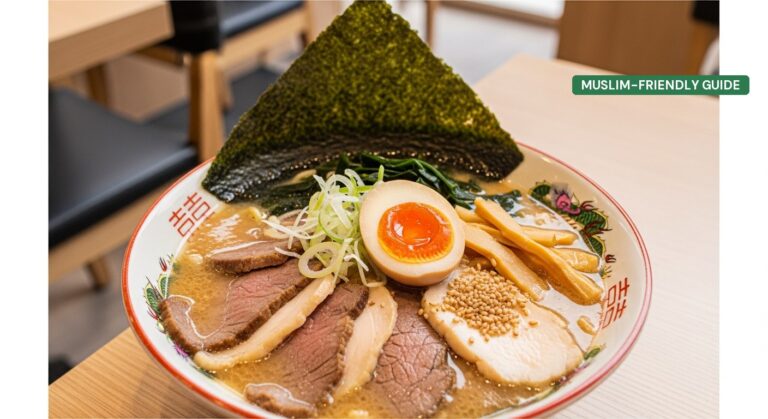
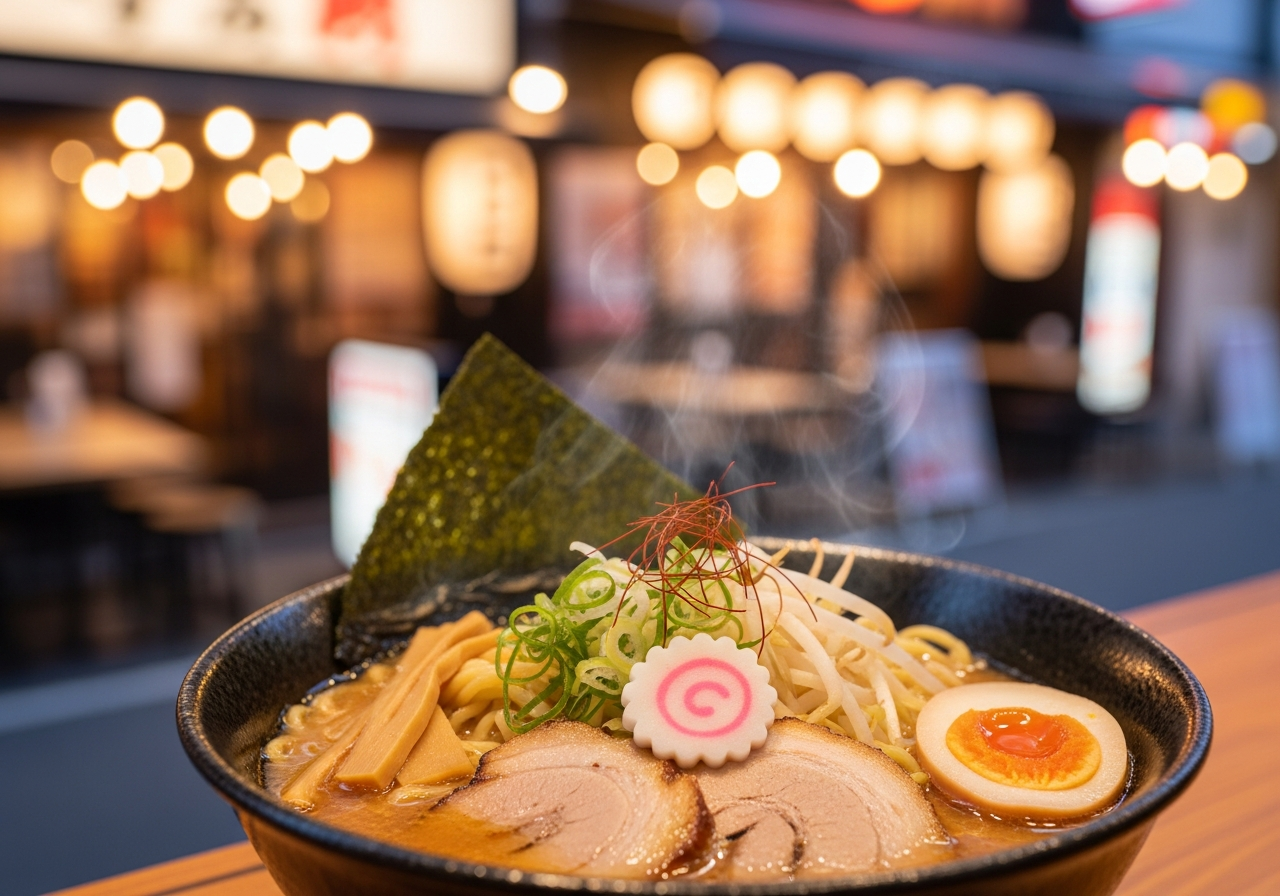
Fukushima is Osaka’s most concentrated ramen district — a compact ward just one stop from Umeda where a single block can hold three Tabelog Hyakumeiten (100 Best) selections and a queue that starts before the shutters go up. It’s not a tourist destination in the conventional sense. There’s no landmark, no famous street food strip. Just a dense cluster of obsessive chefs who happen to have all ended up in the same neighbourhood.
The range here is genuinely unusual. You can eat a bowl of cement-thick niboshi that looks like it was poured from a concrete mixer, then walk five minutes and sit down to a silken duck broth so delicate it barely leaves a trace on the spoon. Chicken paitan, pork-bone doro-kei, Kishu duck shoyu, sea bream salt, Nagoya Cochin chintan — Fukushima does all of it at a high level, often within a few hundred metres of each other.
This guide covers eight shops across the full flavour spectrum, from the Tabelog Hyakumeiten stalwarts that put Fukushima on the map to a couple of lower-profile spots worth knowing. All are currently operating as of May 2026. Most are cash-only and ticket-machine operations — bring yen, arrive early, and expect to queue at peak hours. That’s the deal, and it’s worth it.
1. Ramen Jinsei JET (ラーメン人生JET)
- 📍 7-12-2 Fukushima, Fukushima-ku, Osaka
- 🕐 11:00–15:00 / 18:00–23:00 (as of May 2026)
- 💰 ¥900–¥1,400 (food only)
- 🚃 JR Fukushima Station (3 min walk)
- 🗺 Open in Google Maps
- 📋 Tabelog
What to order: Tori Nikomisoba / Chicken Simmered Noodles (¥1,100–¥1,300)
Selected for Tabelog Ramen OSAKA “Tabelog 100” 2025, JET is the shop most locals name first when someone asks about Fukushima ramen. The signature chicken simmered noodles are built on a broth of chicken carcasses, feet, and water — cooked for over ten hours to produce a thick, collagen-heavy paitan. The result is rich without being greasy, with a clean finish that keeps you going back for the next spoonful. No days off, which means you can show up on a Sunday night and it’ll still be open — a rarity in this neighbourhood.
2. Moeyo Mensuke (燃えよ麺助)
- 📍 5-12-21 Fukushima, Fukushima-ku, Osaka
- 🕐 Tue–Sat 11:00–15:00 / 18:00–21:00; Sun 11:00–16:00; closed Mon (as of May 2026)
- 💰 ¥900–¥1,300 (food only)
- 🚃 JR Fukushima Station (1 min walk)
- 🗺 Open in Google Maps
- 📋 Tabelog
What to order: Kishu Duck Soba — Tokussei (Special) (¥1,100–¥1,200)
Nine counter seats, two bowls on the menu, and a queue that forms before opening. The highlight is the ramen made with Kishu duck — they offer limited quantities of special Kishu duck soba and golden shellfish soba, and the duck version is known for its sweet, clean broth and excellent housemade noodles. Toppings include duck chashu and Hokkaido scallops. This is the most refined bowl in Fukushima — the kind of place that makes you slow down and pay attention.
3. Resshishoyu Menkobo Sanku (烈志笑魚油 麺香房 三く)
- 📍 2-6-5 Fukushima, Fukushima-ku, Osaka
- 🕐 11:39–14:39 / 18:00–22:39 (closes when sold out); closed Tue (as of May 2026)
- 💰 ¥800–¥1,200 (food only)
- 🚃 Shin-Fukushima Station (2 min walk)
- 🗺 Open in Google Maps
📋 Tabelog
What to order: Kake Ramen (¥800)
Sanku is a popular ramen shop famous for niboshi ramen in Fukushima — they specialise in it, but across many varieties. The entry-level Kake Ramen is the one to start with: a whole dried sardine sits right in the middle of the bowl, and the soup — full of flavour from long simmering — softens the bitterness of the sardines into something that drinks easily, like a refined dashi, yet still hits with proper ramen weight. The name is a mouthful (it reads “resshi-shoyu menkobo sanku”) but the bowl is worth memorising.
4. Mitsuboshi Seimenjo Fukushima Honten (みつ星製麺所 福島本店)
- 📍 7-17-21 Fukushima, Fukushima-ku, Osaka (Belmaison Fukushima 1F)
- 🕐 11:00–15:00 (approx); closed irregularly — check Instagram (as of May 2026)
- 💰 ¥900–¥1,100 (food only)
- 🚃 JR Fukushima Station (3 min walk)
- 🗺 Open in Google Maps
- 📋 Tabelog
What to order: Noukou Ramen Mitsuboshi Mori / Rich Ramen Special (¥1,000–¥1,100)
Mitsuboshi Seimenjo Fukushima Honten was selected for Tabelog Ramen OSAKA Hyakumeiten in 2023 and 2024. The shop recently underwent a renovation and the interior is now noticeably cleaner and brighter. The rich tonkotsu-gyokai soup gets a crunch from diced onion, which cuts through the heaviness in a way that keeps the bowl interesting to the last spoonful. The tsukemen at ¥950 for a large portion is one of the better-value bowls in the neighbourhood.
5. Fukushima Ichimen (福島壱麺)
- 📍 B1F Hotel Hanshin Osaka, 3-8-10 Fukushima, Fukushima-ku, Osaka
- 🕐 11:00–15:00 / 18:00–23:00; no regular holidays (as of May 2026)
- 💰 ¥900–¥1,400 (food only)
- 🚃 JR Fukushima Station (2 min walk)
- 🗺 Open in Google Maps
- 📋 Tabelog
What to order: Noukou Tai Shio Ramen / Rich Sea Bream Salt Ramen (¥1,000–¥1,200)
Tucked into the basement of the Hotel Hanshin, Ichimen runs on an unusual concept: fifteen types of katsuobushi and a rotating daily fresh-fish dashi for the salt ramen, alongside a 100% pork-knuckle tonkotsu — and a sake list curated to match both. The rich sea bream salt ramen is the standout — a foamy, creamy soup with a prominent tai flavour that seafood lovers will find hard to stop drinking. The late-night hours make it a natural post-drinks stop, which is exactly how many regulars use it.
6. Ramen Kozou (らーめん小僧)
- 📍 2-8-19 Fukushima, Fukushima-ku, Osaka
- 🕐 Mon–Fri 11:00–04:00 (next day); Sat–Sun 11:00–23:00; irregular holidays (as of May 2026)
- 💰 ¥1,000–¥1,300 (food only)
- 🚃 Shin-Fukushima Station (3 min walk)
- 🗺 Open in Google Maps
- 📋 Tabelog
What to order: Kindan Ramen / Forbidden Ramen (¥1,250)
Selected for Tabelog Ramen OSAKA Hyakumeiten 2025, Kozou builds its signature bowl from 100% domestic pork bones and water, boiled to an extreme concentration, then finished with a custom tare from a long-established Shimane soy sauce producer and a hit of back fat — the spoon stands up in it. The flat, medium-thick straight noodles are made by a specialist supplier and hold up well in the thick soup. The late-night hours (until 4am on weekdays) make this the most practical option after a long evening in Fukushima’s izakayas.
7. Chuka Soba Mugen (中華そば 無限)
- 📍 5-5-10 Ebie, Fukushima-ku, Osaka
- 🕐 Wed–Sun 11:00–16:00 (approx); closed Tue (as of May 2026)
- 💰 ¥1,000–¥1,500 (food only)
- 🚃 Ebie Station (3 min walk)
- 🗺 Open in Google Maps
- 📋 Tabelog
What to order: Chuka Soba (¥1,000)
Ebie Station is one stop west of Shin-Fukushima — a ten-minute walk from the main cluster, but Mugen is worth the detour. A six-time consecutive Michelin Guide listee, Mugen uses 100% pure Nagoya Cochin chicken — one of Japan’s premium heritage breeds — for its broth, with no MSG, just water, soy, and the whole bird. The shop has been selected for Tabelog Ramen OSAKA Hyakumeiten consistently since 2023. The bowl is the opposite of everything else on this list: light, clear, and intensely aromatic. Eight counter seats, lunch only, no evenings — plan accordingly.
8. Mankai Ramen Fukushima Honke (まんかい 福島本家)
- 📍 7-13-11 Fukushima, Fukushima-ku, Osaka
- 🕐 11:00–22:00 (L.O. 21:45); closed Mon–Tue (as of May 2026)
- 💰 ¥800–¥1,200 (food only)
- 🚃 JR Fukushima Station (3 min walk)
- 🗺 Open in Google Maps
- 📋 Tabelog
What to order: Junton Tonkotsu Ramen (¥900–¥1,000)
Mankai’s signature Junton is built on a pork-bone broth simmered for 16 hours, paired with thin noodles sourced directly from Hakata — the birthplace of tonkotsu ramen. It’s a straightforward, honest bowl without the extreme thickness of Kozou — closer to a classic Hakata-style tonkotsu than the doro-kei style that dominates Fukushima. The longer evening hours (until 10pm last order) make it one of the more accessible options if you’re arriving after the lunch rush has cleared.
How to Order
Almost every shop in Fukushima runs on a ticket machine (券売機) at the entrance. Buy your ticket before you sit down. Most machines are cash-only — ¥1,000 and ¥500 coins are your best friends. A few shops now accept IC cards (Suica, ICOCA) at the machine, but don’t count on it.
Portion customisation is common at the heavier shops. At Kozou and Mitsuboshi, you’ll typically be asked about noodle firmness (katasa), soup richness (kosa), and fat level (abura) — a simple point at the relevant kanji on the counter card works fine if your Japanese is limited.
Toppings like seasoned egg (ajitama, ¥100–¥150), extra chashu (¥200–¥300), and nori are usually available as add-ons via the ticket machine. At the lighter, more refined shops like Mensuke and Mugen, the bowl is designed as-is — resist the urge to load it up.
Queues at peak hours (12:00–13:30 for lunch, 19:00–20:30 for dinner) can run 20–40 minutes at the top spots. Arriving at opening time or after 14:00 for lunch cuts the wait significantly. Solo diners get seated faster at counter-only shops — most of Fukushima’s best ramen spots are counter-only anyway.
FAQ
Q: Is ramen in Fukushima, Osaka expensive?
A: Not particularly. Most bowls land between ¥900 and ¥1,300. The entry-level Kake Ramen at Sanku is ¥800. Adding a seasoned egg and extra chashu at most places keeps you under ¥1,500. Mugen is the priciest at around ¥1,000–¥1,500 for the full experience, but the quality justifies it.
Q: Do ramen shops in Fukushima have English menus?
A: Most don’t. The ticket machines are in Japanese only, but the top items are usually numbered — number 1 is almost always the signature bowl. Google Translate’s camera function works well on menu boards. A few shops have picture menus or laminated English cards on the counter; Fukushima Ichimen and Mankai are the most accessible for non-Japanese speakers.
Q: When is the best time to visit?
A: Weekday lunches between 11:00 and 11:45 (before the office crowd arrives) or after 14:00 are your best bet for minimal queuing. Saturday mornings are surprisingly manageable at most shops. Avoid the 12:00–13:30 window on any day — that’s when the queues at JET, Mensuke, and Sanku get serious. For Mugen specifically, arrive at opening (around 11:00) as it’s lunch-only and sells out.
Information is accurate as of May 2026. We recommend checking Google Maps for the latest hours and prices before visiting.