Last updated: July 3, 2026
This article reflects information available at the time of writing. Check Google Maps for the latest hours and availability.
Introduction
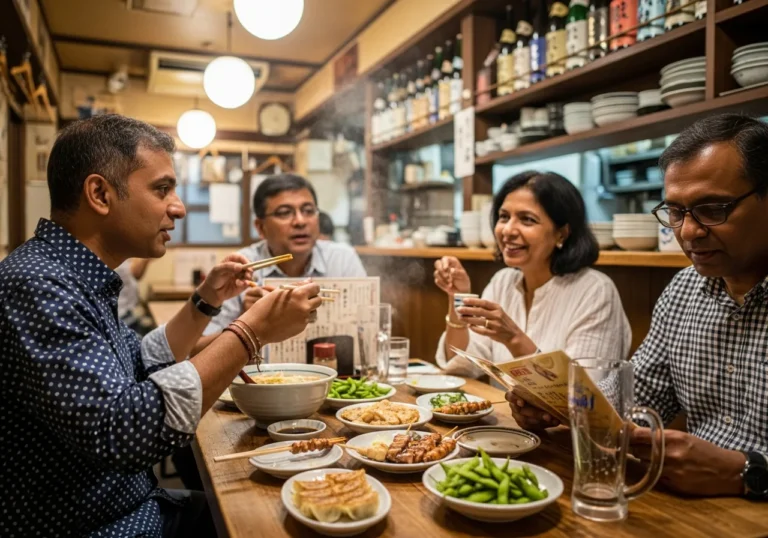
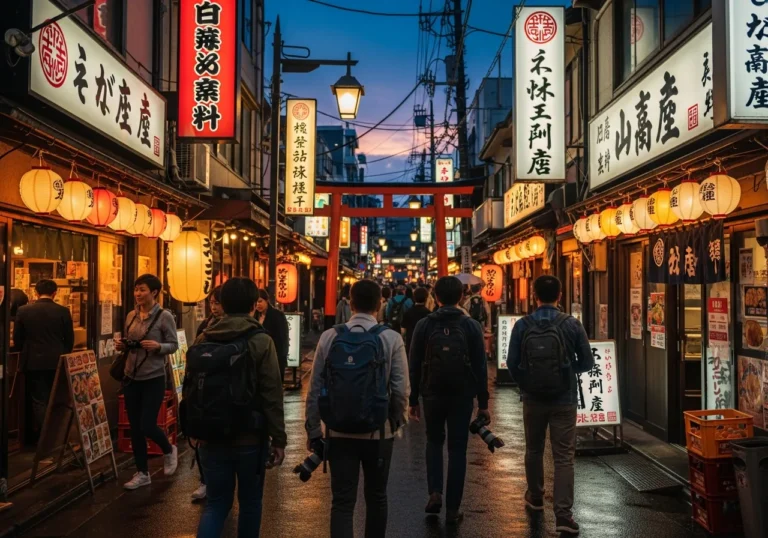
Fukushima sits one stop west of Osaka Station on the Loop Line — close enough to Umeda that office workers flood in every evening, far enough that the tourist coaches never bother. The result is a neighbourhood that eats seriously without performing for anyone. Located in Osaka’s Fukushima Ward, it’s a district where retro and modern blend together — Showa-era bones lined with restaurants incorporating new trends, creating an atmosphere that sets it apart from other central Osaka neighbourhoods.
The main drag along the elevated Loop Line tracks is lively and easy to find. That’s not what this guide is about. Step into the backstreets and you’ll discover character-filled eateries with a local vibe that feel completely different from the bustle of Umeda. We’re talking about the lanes south of the station, the stretch of Seiten-dori that runs under the expressway, and the residential blocks around Shin-Fukushima where a ramen counter or a standing sake bar can appear between a coin laundry and a shuttered hardware shop.
Beyond the main intersection of Naniwasuji Avenue, the neighbourhood grows more residential. Restaurants thin out — but this is where genuine finds await, often family-run for years, with menus unchanged because they simply don’t need to be. The six places in this guide range from a Tabelog 100-list ramen counter to a standing sake bar that regulars walk past three times before they spot it. All of them are the kind of places Fukushima residents would rather you didn’t know about.
1. Moeyo Mensuke (燃えよ麺助)
- 📍 5-12-21 Fukushima, Fukushima Ward, Osaka
- 🕐 Lunch 11:00–15:00; Dinner 18:00–21:00 (Sun lunch only, closes 16:00) (as of May 2026)
- 💰 Budget per person: ¥900–¥1,200 (food only)
- 🚃 JR Fukushima Station (5 min walk) / Shin-Fukushima Station (3 min walk)
- 🗺 Open in Google Maps
- 📋 Tabelog
What to order: Kishu Duck Soba (¥980) / Golden Clam Soba (¥980)
Selected for the Tabelog Ramen Osaka “Tabelog 100” list in 2025, this ten-seat counter is tucked into a side street south of the station — you’ll usually spot the queue before you spot the shop. The two signatures are a soy-based duck broth and a clam dashi that’s deceptively light until the umami hits the back of your throat. The Kishu Duck Soba and the Golden Clam Soba are the menu anchors — order either and add the charcoal-seared rice bowl (¥270) on the side. Closed Mondays.
2. Ponshuya Santoku Rokumi Fukushima Honten (ぽんしゅや三徳六味 福島本店)
- 📍 1-6-11 Fukushima, Fukushima Ward, Osaka
- 🕐 Approx. 17:00–23:00 daily (as of May 2026)
- 💰 Budget per person: ¥3,000–¥5,000 (with drinks)
- 🚃 Hanshin Fukushima Station (1 min walk)
- 🗺 Open in Google Maps
- 📋 Tabelog
What to order: Seasonal sake by the glass (from ¥600) with sashimi of the day
A Tabelog Standing Bar 100 selection for 2025, this is the kind of place you walk past twice before you notice the door. Eighteen counter seats, no tables — the interior is far more elegant than the words “standing bar” suggest, and the crowd at peak hours reflects that. Four minutes from Fukushima Station, it’s a spot where you can work through a variety of sake and seasonal small plates — the atmosphere suits solo drinkers and dates equally well. Arrive before 18:30 or expect to wait outside.
3. Balance Shokudo Shichigen (バランス食堂 七源)
- 📍 3-11-26 Fukushima, Fukushima Ward, Osaka
- 🕐 Lunch 11:30–14:00; Dinner 17:30–22:00 (check for current days) (as of May 2026)
- 💰 Budget per person: ¥900–¥1,400 (lunch) / ¥3,000–¥4,500 (dinner with drinks)
- 🚃 Shin-Fukushima Station (4 min walk)
- 🗺 Open in Google Maps
- 📋 Tabelog
- 🌐 Official site
What to order: Mackerel set lunch (¥1,100) / Seasonal fish teishoku
Sitting 134 metres from Shin-Fukushima Station on a quiet residential block, Shichigen is built around a philosophy of eating seven specific food groups — beans, sesame, seaweed, vegetables, fish, mushrooms, and root vegetables — in a single meal. It sounds like a wellness lecture; it eats like a very good Japanese lunch. The blue-fish sets (mackerel, horse mackerel, saury depending on the season) are the reason regulars come back weekly. Lunch fills up fast on weekdays — the office crowd from the surrounding blocks knows exactly what they’re doing.
4. Birreria & Pizzeria LUCE (ビッレリア&ピッツェリア ルーチェ)
- 📍 7-1 Fukushima, Fukushima Ward, Osaka (OK2 Building)
- 🕐 Lunch 11:30–14:00 (LO); Dinner 17:00–23:00 (LO); closed Sundays (as of May 2026)
- 💰 Budget per person: ¥1,500–¥2,500 (food only) / ¥2,500–¥4,000 (with drinks)
- 🚃 JR Fukushima Station (1 min walk)
- 🗺 Open in Google Maps
- 📋 Tabelog
What to order: Bismarck pizza — prosciutto and soft-yolk egg (¥1,780) / Quattro Formaggi (¥1,780)
One minute from the station but tucked into the OK2 building arcade, LUCE is a proper Italian beer hall with a wood-fired stone oven and a counter seat that faces directly into the kitchen. The stone-oven pizzas are the draw — the Bismarck, with its salt-forward prosciutto and runny egg, is the one to order. The wine bar side specialises in meat dishes, and the all-you-can-drink wine option at ¥1,500 makes it one of the better-value evenings in the neighbourhood. Closed Sundays, which keeps it firmly in the local-favourite category.
5. Spice Curry Tairiku (スパイスカリー大陸)
- 📍 Fukushima Ward, Osaka (near Shin-Fukushima Station — confirm exact address via Google Maps)
- 🕐 Lunch approx. 11:30–14:00; Dinner approx. 18:00–22:00; closed Tuesdays (as of May 2026)
- 💰 Budget per person: ¥1,000–¥1,500 (food only)
- 🚃 Shin-Fukushima Station (3–5 min walk)
- 🗺 Open in Google Maps
- 📋 Tabelog
What to order: Daily spice curry plate (¥1,100–¥1,300)
A Tabelog Curry West 100 selection for both 2024 and 2023, Tairiku is the kind of curry shop that makes Osaka’s spice curry scene look effortless. The daily plate changes with the season — expect two or three curry types served over rice with pickles and a soft-boiled egg, the kind of lunch that takes fifteen minutes to eat and stays with you all afternoon. The shop is small, the signage is minimal, and the queue at noon is not. Go at 11:30 when it opens or try the dinner service instead.
6. Gyutan Bekogushi (牛タン べこ串)
- 📍 2-8-15 Fukushima, Fukushima Ward, Osaka
- 🕐 Lunch 11:30–14:00; Dinner 17:00–23:00 (LO 22:00); Sat from 16:00; closed Sundays and public holidays (as of May 2026)
- 💰 Budget per person: ¥1,500–¥2,500 (food only) / ¥3,000–¥4,500 (with drinks)
- 🚃 Shin-Fukushima Station (1 min walk) / JR Fukushima Station (3 min walk)
- 🗺 Open in Google Maps
- 📋 Tabelog
What to order: 30-day aged beef tongue (¥1,295) / Beef tongue arrabbiata (¥755)
A beef tongue specialist housed in a renovated 60-year-old kominka — the kind of old wooden townhouse with a courtyard and tatami rooms that developers keep trying to knock down. The menu runs from classic salt-grilled tongue to Italian-inflected preparations like arrabbiata and carpaccio, which sounds like a gimmick until you taste the 30-day aged cut. The courtyard-facing tatami room is the most popular seat in the house — worth requesting when you book. Closed Sundays, so plan accordingly.
How to Order
Fukushima’s back-street restaurants run the full range from ticket machines to chalk-board menus to no menu at all — just whatever the chef decides to cook that day. A few things to know before you go:
- Ticket machines (食券機): Moeyo Mensuke uses one. Buy your ticket immediately on entry — the staff will guide you to a seat once you have it. Point at the buttons if you’re unsure; photos are usually displayed.
- Standing bars: At Ponshuya Santoku Rokumi, you order drinks and food at the counter as you go. There’s no set menu — ask what sake is open that day and let the staff suggest a pairing. The word “osusume” (recommendation) gets you far.
- Lunch sets: Most of the sit-down spots here do a fixed teishoku at lunch — rice, miso soup, main dish, pickles — for ¥900–¥1,300. It’s the best-value eating in the neighbourhood and often sells out by 13:00.
- Reservations: The ramen counter and the standing bar don’t take them. For Bekogushi and Shichigen dinner, a same-day phone call is usually enough on weeknights. Weekends are harder — book a day ahead.
- Cash: Several of these shops are cash-only or have limited card acceptance. Bring ¥5,000–¥10,000 in cash to be safe.
FAQ
Q: Is eating in Fukushima’s backstreets expensive?
A: Not particularly. Ramen and curry lunch runs ¥900–¥1,300. A full dinner with drinks at a standing bar or izakaya lands around ¥3,000–¥5,000 per person. The kominka beef tongue restaurant and the sake bar sit at the higher end of that range. Nothing here requires a special-occasion budget.
Q: Do these shops have English menus?
A: Most don’t. Moeyo Mensuke has photo buttons on its ticket machine, which covers the basics. LUCE’s pizza menu is straightforward enough to navigate visually. At the standing bar and the fish shokudo, pointing at what the person next to you is eating works reliably. Google Translate’s camera mode handles the rest.
Q: When is the best time to visit?
A: Arriving around 18:00 gives you the start of the evening rush — lively but not yet overwhelming, with a better chance of getting a seat at popular spots without a reservation. Peak hours run from 19:00 to 21:00, when queues form at the ramen counter and the standing bar fills completely. For lunch, 11:30 sharp beats the office crowd. Avoid Friday and Saturday evenings unless you’ve booked ahead or are happy to wait.
Information is accurate as of May 2026. We recommend checking Google Maps for the latest hours and prices before visiting.