Last updated: July 3, 2026
This article reflects information available at the time of writing. Check Google Maps for the latest hours and availability.
Introduction
Nipponbashi doesn’t try to be Dotonbori. It has no giant crab claws, no Glico man, no tour groups blocking the pavement. What it does have is a genuinely strange and entertaining mix of electronics stores, anime figure shops, retro game dealers, maid cafés, and — tucked in between all of it — a surprisingly solid eating scene that most visitors walk straight past.
The neighbourhood splits into two main arteries. Sakaisuji (the main boulevard) is where the big electronics chains sit. One block west runs Otaroad — officially the Nipponbashisuji West Shopping Street — which is where the anime shops, cosplay boutiques, and maid cafés cluster. Between and around these two streets you’ll find ramen counters, curry joints, kebab stands, and izakayas that feed the area’s regulars: collectors, students, and the kind of people who spend Saturday afternoon hunting for a specific 1990s Gundam kit.
This guide covers the food and drink worth your time in Nipponbashi — from a bowl of clam-broth ramen to a full maid café experience to a proper steak lunch. If you want to the best food in Osaka, this neighbourhood deserves a spot on your itinerary alongside the obvious Namba stops. It’s a ten-minute walk from Dotonbori, but it feels like a different city.
The area is compact and walkable. Most of what’s listed here sits within a five-minute walk of either Nipponbashi Station (Kintetsu/Osaka Metro Sennichimae Line) or Ebisucho Station (Osaka Metro Sakaisuji Line). Come on a weekday if you want breathing room; weekends draw serious crowds, especially around the Animate building on Otaroad. To explore more of Nipponbashi beyond the food, the MICHI Osaka travel guide has you covered.
1. Menya Gaten Z Nipponbashi (麺屋ガテンZ 日本橋店)
- 📍 1-1-5 Nipponbashishi-Nishi, Naniwa-ku, Osaka
- 🕐 Mon–Fri 11:30–15:00, 17:30–21:30 / Sat–Sun & Holidays 11:00–16:00, 17:30–22:00 (as of May 2026)
- 💰 ¥900–¥1,300 (food only)
- 🚃 Ebisucho Station (5 min walk) / Namba Station (5 min walk)
- 🗺 Open in Google Maps
- 📋 Tabelog
What to order: MAZE Soba (¥930)
Right on Otaroad, yellow sign, ticket machine at the door — this is the Otaroad ramen counter in its purest form. The mazesoba (brothless mixed noodles) is the move: thick noodles, punchy tare, and a heap of toppings you stir together yourself. Vegetables, fat, and garlic are all free add-ons, and the “mashi” (extra) portion is genuinely enormous. The branch of a Shinsaibashi original that won a national ramen competition — the pedigree shows.
2. Curry-ya Madras (カレーや マドラス 日本橋本店)
- 📍 4-3-12 Nipponbashi, Naniwa-ku, Osaka
- 🕐 Daily 11:00–20:00 (as of May 2026)
- 💰 ¥650–¥1,200 (food only)
- 🚃 Nipponbashi Station (5 min walk)
- 🗺 Open in Google Maps
- 📋 Tabelog
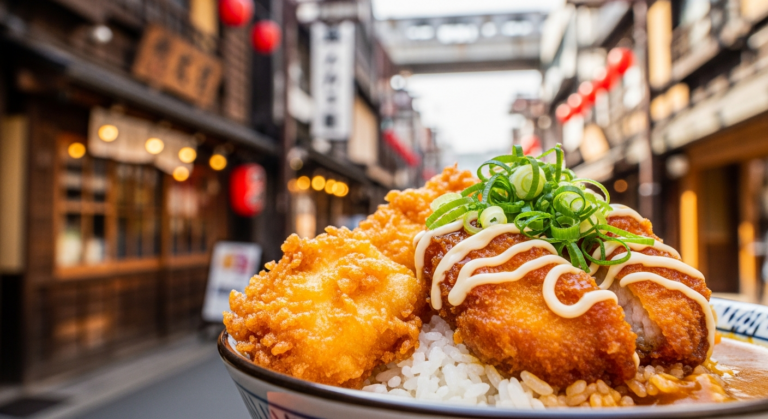
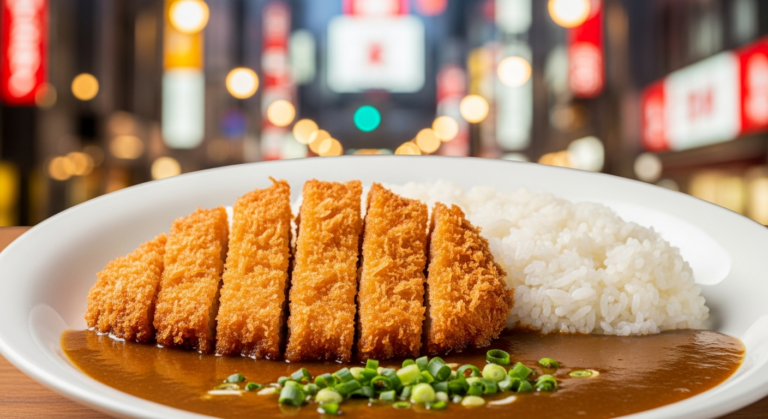
What to order: Katsu Curry, small (¥650)
Open since around 1988, Madras is the kind of curry shop that Osaka does better than anywhere else: one menu item, multiple sizes, fast turnover, and a roux built from 30-plus spices and fruit that hits sweet first, then spicy. The katsu on top is properly crisp. Counter seating only, and the lunch rush clears fast — if there’s a queue, it moves.
3. Kuso Oyaji Saigo no Hitofuri (くそオヤジ最後のひとふり)
- 📍 Naniwa-ku, Nipponbashi area (near Otaroad — confirm exact address on Google Maps)
- 🕐 Lunch and dinner hours — check Google Maps before visiting (as of May 2026)
- 💰 ¥900–¥1,400 (food only)
- 🚃 Ebisucho Station (5 min walk)
- 🗺 Open in Google Maps
- 📋 Tabelog
What to order: Asari (clam) ramen (¥1,000–¥1,100)
Part of the same group as the cult Osaka ramen brands Jinrui Minna Menrui and Sekai Ichi Hima na Ramen-ya, this shop does clam-broth ramen — asari, hamaguri, or shijimi — that’s clean, savoury, and nothing like the tonkotsu you’ll find everywhere else. The broth is concentrated shellfish umami without being heavy. Women make up a big chunk of the regulars, which tells you something about how approachable the flavours are.
4. Konshinja Osaka Namba (横浜家系ラーメン 魂心家 大阪なんば店)
- 📍 Nipponbashishi-Nishi, Naniwa-ku, Osaka (Otaroad area — confirm on Google Maps)
- 🕐 Daily 11:00–23:00 (as of May 2026)
- 💰 ¥800–¥1,200 (food only)
- 🚃 Namba Station (5 min walk) / Ebisucho Station (5 min walk)
- 🗺 Open in Google Maps
- 📋 Tabelog
What to order: Ie-kei ramen (¥850–¥950)
Yokohama ie-kei ramen — thick tonkotsu-soy broth, flat noodles, spinach, nori — done properly on Otaroad. You can dial in noodle firmness, broth richness, and oil level at the counter. Queues form at lunch. The kind of shop that turns first-time visitors into repeat customers who plan their next Nipponbashi trip around it.
5. 1 Pound Steak Hamburg Takeru Nipponbashi Otaroad (1ポンドのステーキハンバーグ タケル 日本橋オタロード店)
- 📍 Nipponbashishi-Nishi, Naniwa-ku, Osaka (Otaroad — confirm exact address on Google Maps)
- 🕐 Daily 11:00–22:00 (LO 21:30) (as of May 2026)
- 💰 ¥1,200–¥2,500 (food only)
- 🚃 Ebisucho Station (5 min walk)
- 🗺 Open in Google Maps
- 📋 Tabelog
What to order: Hamburg steak set (¥1,200–¥1,600)
An Osaka-born chain that does exactly what it says: big steaks and thick hamburger steaks, with around ten condiments on the table so you can eat the same piece of meat four different ways. It’s not a fine-dining experience — it’s a proper lunch stop for people who’ve been walking Otaroad for three hours and need something substantial. The hamburg steak set with rice and soup is the reliable order.
6. Karakusu (カラクシュ)
- 📍 Nipponbashishi-Nishi, Naniwa-ku, Osaka (Otaroad area)
- 🕐 Daily approx. 11:00–21:00 (as of May 2026)
- 💰 ¥600–¥1,200 (food only)
- 🚃 Ebisucho Station (5 min walk)
- 🗺 Open in Google Maps
- 📋 Tabelog
What to order: Chicken doner kebab in pita (¥700–¥900)
A Turkish-run kebab shop on Otaroad that’s become a genuine local institution. The doner is the real thing — slow-roasted on a vertical spit, sliced to order, stuffed into pita or tortilla with vegetables and your choice of sauce. Takeaway is the main format, which makes it ideal for eating while you browse the shops. The staff’s energy alone is worth the stop.
7. Maidreamin Nipponbashi Otaroad (めいどりーみん 日本橋オタロード店)
- 📍 4-9-12 Nipponbashi, Naniwa-ku, Osaka (Otaroad)
- 🕐 Weekdays 12:00–22:00 / Weekends & Holidays 11:00–22:00 (as of May 2026)
- 💰 ¥2,000–¥4,000 per person (food + table charge)
- 🚃 Ebisucho Station (5 min walk)
- 🗣 English menu: Yes
- 🗺 Open in Google Maps
- 📋 Tabelog
- 🌐 Official site
What to order: Omurice with demi-glace sauce (¥1,200–¥1,500)
If you’re going to do a maid café, Maidreamin is the right call for first-timers — the staff are used to international guests, English menus exist, and the whole production (the spells cast over your food, the group chants, the Polaroids) is handled with enough self-awareness to be fun rather than awkward. The omurice is genuinely decent. Budget for the table charge on top of food.
8. Kuromon Ichiba Market (黒門市場)
- 📍 2-4-1 Nipponbashi, Chuo-ku, Osaka (10 min walk from Otaroad)
- 🕐 Most stalls open daily 9:00–18:00; some close Monday (as of May 2026)
- 💰 ¥300–¥2,000 per item (street food / eat-as-you-go)
- 🚃 Nipponbashi Station (3 min walk)
- 🗺 Open in Google Maps
- 📋 Tabelog
- 🌐 Official site
What to order: Fresh sea urchin, grilled scallops, or tuna sashimi from individual stalls (¥500–¥2,000)
Technically a short walk from the heart of Den Den Town, but close enough to pair with a Nipponbashi morning. Kuromon is a covered market with over 150 stalls selling fresh seafood, meat, produce, and ready-to-eat food. Prices have crept up with tourism, but the quality of the raw ingredients — sea urchin, tuna, wagyu — is still the real deal. Go before noon for the best selection and the least crowding.
How to Order
Most ramen and curry shops in Nipponbashi use a ticket vending machine (券売機) at the entrance. Buy your ticket before sitting down. The machines at Menya Gaten Z and Madras have picture buttons — point if you’re unsure. At Madras, the menu is essentially one item in different sizes, so ordering is straightforward.
At Maidreamin, there’s a table charge (around ¥500–¥700 per person) on top of food and drinks. This is standard for maid cafés across Japan — it’s not a scam, it’s the format. Budget accordingly. English menus are available at this location.
For Kuromon Market, most stalls are cash only, though some now accept IC cards. Bring yen. Prices are displayed per item or per 100g — point and nod, and the vendor will handle the rest. Eating while walking is normal and expected here.
At Karakusu and the kebab stalls, ordering is verbal and simple: chicken or beef, pita or tortilla, spicy or mild. The staff will guide you through it.
Most shops in the area open around 11:00 and close between 20:00 and 22:00. A handful of ramen counters run split shifts (lunch and dinner) with a break in the afternoon — check Google Maps before making a special trip.
FAQ
Q: Is eating in Nipponbashi expensive?
A: No. Ramen runs ¥850–¥1,300, curry from ¥650, and kebab takeaway from ¥700. A full lunch at most spots here costs under ¥1,500. Kuromon Market is the exception — fresh seafood stalls can run ¥1,000–¥2,000 per item. Maid cafés add a table charge of ¥500–¥700 per person on top of food.
Q: Do restaurants in Nipponbashi have English menus?
A: It varies. Maidreamin has English menus as standard. Ticket machine shops (ramen, curry) have picture buttons that make ordering manageable without Japanese. Kuromon Market stalls are point-and-buy. Karakusu’s staff are used to non-Japanese speakers. At smaller ramen counters, a translation app on your phone covers any gaps.
Q: When is the best time to visit?
A: Weekday mornings and early afternoons are the most comfortable. Weekends — especially Saturday afternoons — draw large crowds around Otaroad and the Animate building. Lunch queues at popular ramen shops peak between 12:00 and 13:30; arrive before noon or after 14:00 to avoid the worst of it. Kuromon Market is best before 11:00 when stalls are fully stocked and the aisles are still walkable.
Information is accurate as of May 2026. We recommend checking Google Maps for the latest hours and prices before visiting.