Last updated: July 3, 2026
This article reflects information available at the time of writing. Check Google Maps for the latest hours and availability.
Introduction
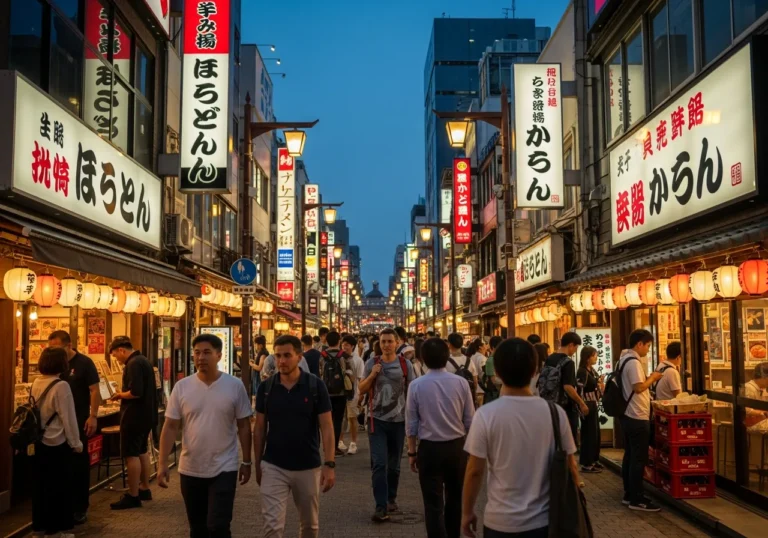
Nipponbashi — or Denden Town, as locals call it — is Osaka’s answer to Tokyo’s Akihabara. The streets running south from Kintetsu Nippombashi Station are lined with manga shops, figure stores, retro game dealers, and maid cafes. It’s a neighbourhood built for browsing, and browsing works up an appetite. The good news: the lunch scene here punches well above its weight for a district that most visitors treat as a shopping stop rather than a food destination.
You won’t find the polished restaurant rows of Shinsaibashi or the tourist-facing conveyor belts of Dotonbori. What you get instead is a tight cluster of working-class lunch spots — curry counters that have been feeding the same regulars for thirty years, Italian trattorias tucked into side streets, ramen shops with vending-machine ordering, and kebab stands doing brisk trade with the otaku crowd. Most meals land between ¥800 and ¥1,500. Almost everything is within a five-minute walk of the station.
If you’re already planning to explore more of Nipponbashi for its shops and subculture, build in an extra hour for lunch — you’ll eat better than you expect. This guide covers six spots that are genuinely worth your time, from a decades-old Osaka curry institution to a Turkish kebab counter that’s become a neighbourhood staple. For a broader look at where to eat across the city, check out the best food in Osaka — but for a quick, satisfying midday meal in Denden Town, read on.
1. Curry-ya Madras (カレーや マドラス 日本橋本店)
- 📍 4-3-12 Nipponbashi, Naniwa-ku, Osaka 556-0005
- 🕐 11:00–20:00 daily (as of May 2026)
- 💰 ¥600–¥1,000 (food only)
- 🚃 Ebisucho Station (3 min walk) / Kintetsu Nippombashi Station (5 min walk)
- 🗺 Open in Google Maps
- 📋 Tabelog
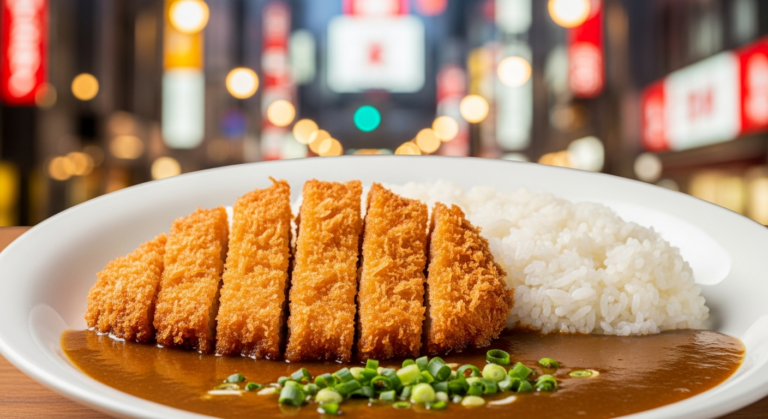
What to order: Curry (medium, with katsu topping) (¥850–¥950)
Madras has been at this address since 1988, and the formula hasn’t changed: one curry, three sizes, a short list of toppings. The sauce opens sweet — fruit-forward, almost jammy — then the spice from 30-plus blended spices builds slowly at the back of your throat. It’s the Osaka sweet-spicy style at its most unapologetic, and the lunch crowd of regulars cycling through in under ten minutes tells you everything about how this place works.
2. Gaffurio (ガフーリオ)
- 📍 2-3-1 Sennichimae, Chuo-ku, Osaka 542-0074 (Seven Mansion 103)
- 🕐 Lunch: Mon–Fri 11:30–14:30 (last entry), Sat–Sun 11:30–14:15 (last entry); Dinner: daily 17:30–22:15 (last entry) (as of May 2026)
- 💰 ¥900–¥1,800 (food only, lunch)
- 🚃 Kintetsu Nippombashi Station (2 min walk)
- 🗺 Open in Google Maps
- 📋 Tabelog
What to order: Two-pasta lunch set (¥1,000) or pizza lunch (¥900)
The owner trained in Milan under the original Gaffurio and was given permission to use the name — a detail that explains why the pasta here tastes different from every other Italian in the neighbourhood. The lunch menu is short and rotates daily, but the two-pasta plate (two different preparations on one dish, with bread or rice, salad, and a drink) is the move. Book ahead for weekends; it fills up fast.
3. 1 Pound Steak Hamburg Takeru Otaroad (1ポンドのステーキハンバーグ タケル 日本橋オタロード店)
- 📍 3-4-12 Nipponbashi, Naniwa-ku, Osaka 556-0005
- 🕐 11:00–22:00 (LO 21:30) daily (as of May 2026)
- 💰 ¥1,000–¥2,000 (food only)
- 🚃 Ebisucho Station (2 min walk)
- 🗺 Open in Google Maps
- 📋 Tabelog
What to order: 200g steak set with rice and soup (¥1,200–¥1,500)
This Osaka-born chain does one thing well: serious cuts of branded beef, ordered by the 100g, with around ten condiments on the table so you can eat the same steak four different ways. The “refill meat” option — essentially a second cut at a reduced price — is the kind of lunch-hour logic that makes sense after a morning of figure hunting. Note: the separate Gyukatsu Takeru branch at this address closed permanently; this Otaroad steak-and-hamburg location is the one still operating.
4. Tamashinkoya Osaka Namba (横浜家系ラーメン 魂心家 大阪なんば店)
- 📍 4-12-1 Nipponbashi, Naniwa-ku, Osaka 556-0005 (Kyokujitsu Travel Building 1F)
- 🕐 11:00–23:00 daily (as of May 2026)
- 💰 ¥900–¥1,300 (food only)
- 🚃 Ebisucho Station (3 min walk)
- 🗺 Open in Google Maps
- 📋 Tabelog
What to order: Ramen (regular, rich soy) (¥950)
Yokohama-style ie-kei ramen — thick, tonkotsu-soy broth, flat noodles, spinach, chashu, nori — done properly in the middle of Otaroad. You customise noodle firmness, broth richness, and oil level at the ticket machine before you sit down. It’s the kind of bowl that converts people who thought they didn’t like ramen, and the all-day hours mean you can eat here at 2pm when everywhere else has shut the lunch service.
5. Karakusu (カラクシュ)
- 📍 3-chome Nipponbashi, Naniwa-ku, Osaka 556-0005 (Otaroad)
- 🕐 11:00–21:00 daily (as of May 2026)
- 💰 ¥700–¥1,200 (food only)
- 🚃 Ebisucho Station (2 min walk)
- 🗺 Open in Google Maps
- 📋 Tabelog
What to order: Chicken doner kebab in pita (¥750) or kebab rice plate (¥1,000)
A Turkish-run kebab counter on Otaroad that’s been pulling in the manga-shopping crowd for years. The doner is the real thing — proper rotisserie meat, not the compressed stuff — and the Turkish staff’s easy banter with regulars gives the place more personality than most fast-lunch spots in the area. Takeaway is the default, but there’s counter seating inside if you want to eat in.
6. Udon no Gokushin Mare (うどんの極真まれ)
- 📍 1-chome Nipponbashi, Chuo-ku, Osaka 542-0073
- 🕐 Lunch: 11:30–14:30; Dinner: 18:00–22:00; closed irregularly (as of May 2026)
- 💰 ¥900–¥1,500 (food only)
- 🚃 Kintetsu Nippombashi Station (5 min walk)
- 🗺 Open in Google Maps
- 📋 Tabelog
What to order: Handmade udon set (¥1,000–¥1,200)
A compact, owner-run udon shop using additive-free, handmade noodles and dashi built from natural, carefully sourced seafood stock. The noodles have real chew — the kind that comes from being made and cut the same day — and the broth is clean without being bland. The owner also runs udon-making experiences for groups, which makes this a good pick if you’re travelling with people who want more than just a meal.
How to Order
Most lunch spots in Nipponbashi fall into one of two systems: ticket vending machines (券売機, kenbaiki) or counter ordering. At ramen and udon shops, you’ll almost always buy a ticket from a machine near the entrance before sitting down. The machine will have photos or English labels at better-equipped spots — if not, the default bowl is usually the first button in the top-left corner, which is the house standard.
At curry counters like Madras, you order at the counter and pay when you collect your tray. Point to the size you want (small/medium/large) and indicate any toppings. At Italian spots like Gaffurio, a reservation is strongly recommended for weekend lunch — walk-ins are possible on weekdays but the room fills quickly.
Cash is still king at most of these places, particularly the older curry and udon shops. Carry at least ¥2,000 in coins and small notes. A few spots — Takeru and Tamashinkoya — accept IC cards and some credit cards, but don’t assume. Lunch service at most spots runs 11:30–14:00; arrive by 11:45 to avoid queues at the most popular counters.
FAQ
Q: Is lunch in Nipponbashi expensive?
A: No. Most of the spots in this guide land between ¥700 and ¥1,500 per person for food. Curry at Madras starts around ¥600 for a small. The priciest option here — a full lunch course at Gaffurio — tops out at ¥1,800. Budget ¥1,000–¥1,200 as a comfortable average.
Q: Do these restaurants have English menus?
A: It varies. Tamashinkoya’s ticket machine has English labels. Takeru has English-language menus at the table. Madras has a single-item menu (curry in three sizes) so language is rarely a barrier — just point. Gaffurio and Gokushin Mare are Japanese-only, but staff at both are used to non-Japanese customers and will help you navigate.
Q: When is the best time to visit for lunch?
A: Aim for 11:30–11:45 if you want to eat without waiting. By noon on weekdays, Madras and Gaffurio both have queues. On weekends, Gaffurio in particular fills up fast — book ahead or arrive right at opening. The ramen and kebab spots are more forgiving and handle the lunch rush quickly. Most places close their lunch service by 14:00–14:30, so don’t leave it too late.
Information is accurate as of May 2026. We recommend checking Google Maps for the latest hours and prices before visiting.