Looking for halal food in Dotonbori, Osaka? You’ll find at least three verified Muslim-friendly and halal-certified restaurants right on the canal strip — covering wagyu ramen, gyukatsu (beef cutlet), teppanyaki okonomiyaki, and halal wagyu steak. Options suit solo diners, families, and groups, with English menus across all three. Check our Osaka halal guide for the wider city picture.
MICHI’s Pick — Selected by our Osaka-based team, based on places we’ve visited and on research using Tabelog and Google Maps ratings. In Japan, a Tabelog score of 3.4+ is genuinely high — Japanese reviewers are famously strict, and most locals consider anything above 3.4 a place worth a detour. We feature venues meeting at least one of: Tabelog 3.4+, Google Maps 4.3+, or 100+ reviews — the kind of spots locals quietly trust.
Tabelog and Google Maps scores are accurate as of the time of writing.
1. Halal Wagyu & Vegan Ramen Gyumon Osaka Dotonbori
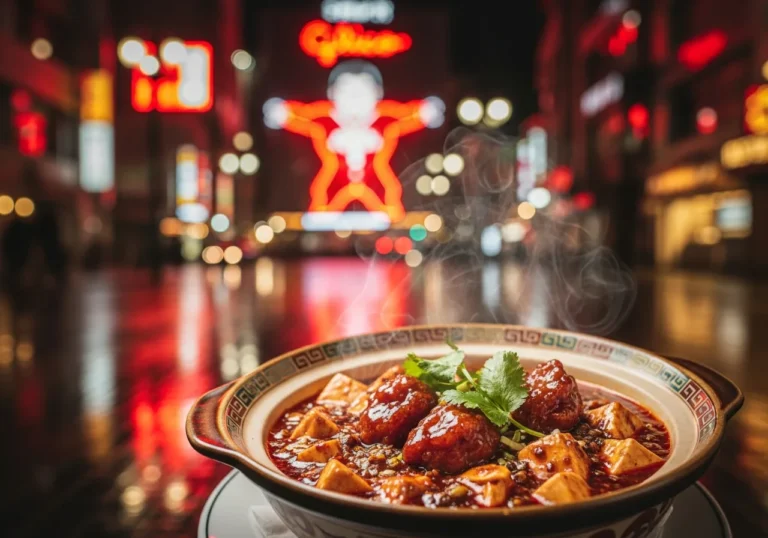
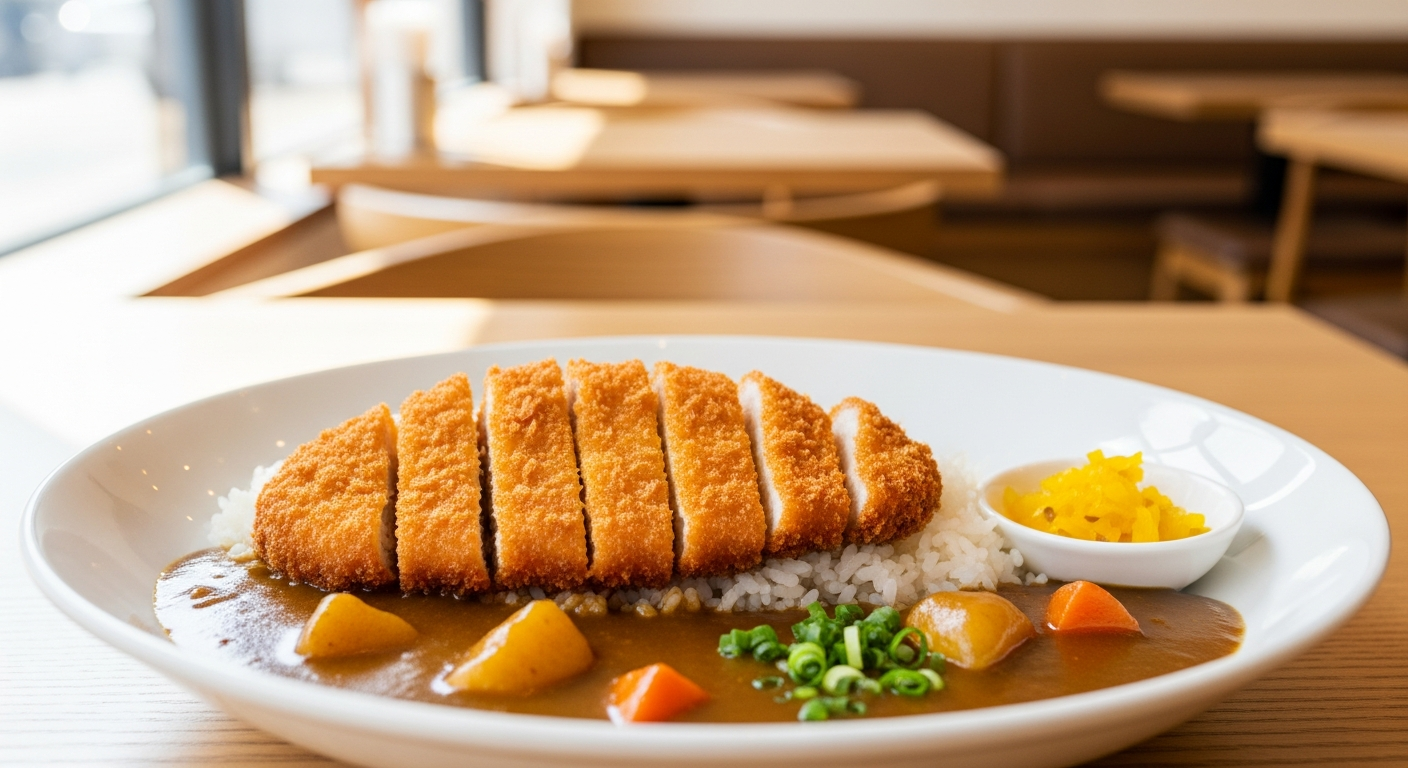
The closest halal-certified ramen and gyukatsu (beef cutlet) shop to the Glico Running Man sign — walk-ins only, steps from Ebisubashi Bridge.
- ☪️ Halal status: halal-certified
- 🍜 Must-order: Spicy Wagyu Ramen (¥1,500 approx.)
- 📍 Access: Namba Station (5 min walk)
- 🕒 Hours: Check official site for current hours (Open daily)
- 📞 Reservation: Not needed
- 🧎 Prayer room: Available on-site
- 🍷 Alcohol served: No
- 🗣 English menu: Yes
- ⭐ Rating: Google 4.8 (3,684 reviews) (as of writing)
- 🗺 View on Google Maps
- 🔗 Source: gyumon-group.com
What to order: The spicy wagyu ramen uses A5 halal wagyu beef sliced over homemade curly noodles in a rich beef-bone broth — choose your spice level from 1 to 10. The gyukatsu (beef cutlet) is a solid second order if you want something closer to a katsu experience without the curry sauce.
2. CHIBO Diversity Dotonbori
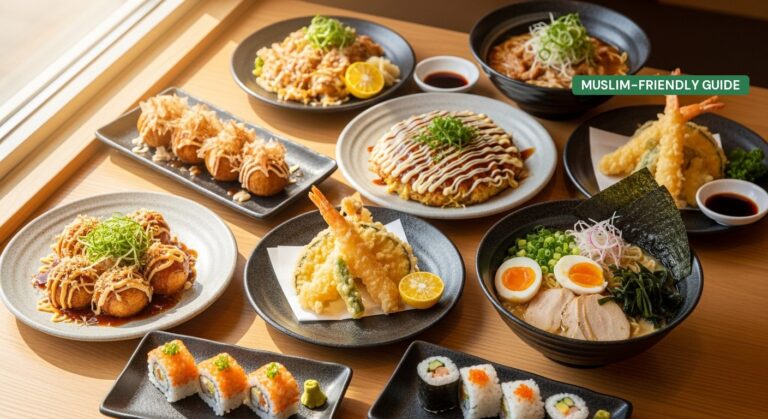
Osaka’s most famous okonomiyaki chain runs a dedicated Muslim-friendly floor on the Dotonbori main street, with a separate halal kitchen, prayer room, and wudu facility on-site.
- ☪️ Halal status: Muslim-friendly
- 🍢 Must-order: Chiboyaki — beef, shrimp, scallop & squid okonomiyaki (¥2,000 approx.)
- 📍 Access: Namba Station (5 min walk)
- 🕒 Hours: 12:00–21:00 (Open daily)
- 📞 Reservation: Required
- 🧎 Prayer room: Available on-site
- 🍷 Alcohol served: Yes (halal floor is separate)
- 🗣 English menu: Yes
- ⭐ Rating: Google 4.0 (635 reviews) (as of writing)
- 🗺 View on Google Maps
- 🔗 Source: groovyjapan.com
What to order: The Chiboyaki — a mixed seafood and beef okonomiyaki — is the signature dish, cooked on a teppan grill at your table using halal-certified meat and Muslim-friendly seasonings. If you want to explore more of Dotonbori after dinner, the 7th-floor location gives you a great view of the neon strip before you head back down.
3. Wagyu (Halal) Steak-Burger & Ramen Dotonbori Restaurant Namba-Tei
A halal-certified wagyu specialist founded by a fifth-generation butcher, serving 100% Japanese halal wagyu steak, burgers, and ramen from a second-floor spot in Soemoncho — right in the Dotonbori entertainment zone.
- ☪️ Halal status: halal-certified
- 🥩 Must-order: Halal Wagyu Steak on Rice (¥2,500 approx.)
- 📍 Access: Namba Station (5 min walk)
- 🕒 Hours: Check official site for current hours (Open daily)
- 📞 Reservation: Recommended
- 🧎 Prayer room: None
- 🍷 Alcohol served: No
- 🗣 English menu: Yes
- ⭐ Rating: Google 4.8 (1,500+ reviews) (as of writing)
- 🗺 View on Google Maps
- 🔗 Source: tablecheck.com
What to order: The halal wagyu steak on rice is the dish that built this restaurant’s reputation — tender, marbled Japanese beef from a family butchery lineage going back to 1962. The wagyu burger is equally popular and a good choice if you want something you can eat quickly before hitting the best food in Osaka elsewhere on the strip.
Frequently Asked Questions
Q. Is it easy to find halal food in Dotonbori, Osaka?
Easier than most tourist areas in Japan — Dotonbori has at least three verified halal-certified or Muslim-friendly restaurants within a five-minute walk of Namba Station, covering ramen, okonomiyaki, wagyu steak, and gyukatsu. The density is high enough that you can eat every meal in the area without repeating a venue.
Q. What does “Muslim-friendly” mean in Japan?
In Japan, “Muslim-friendly” typically means a restaurant has removed pork and alcohol from specific menu items or a dedicated floor, and uses halal-certified ingredients where possible — but it does not always mean the kitchen is fully halal-certified by a recognised body. “Halal-certified” means a certifying organisation (such as Japan Islamic Trust or a registered overseas body) has audited the kitchen and supply chain. Always check the specific label in each shop entry above before ordering.
Q. Are there prayer rooms near halal restaurants in Dotonbori?
Yes — CHIBO Diversity has a prayer room and wudu facility on-site (7th floor), and Halal Wagyu & Vegan Ramen Gyumon also has a private prayer room for Muslim guests. Namba-Tei does not have a prayer room, but the Osaka City Namba Prayer Room (Namba Walk underground mall area) is within a short walk.
Q. What hidden ingredients should Muslim travelers watch out for in Japan?
The most common issues are mirin (sweet rice wine used in sauces and glazes), sake (used in marinades and broths), lard (used in some ramen broths and fried-food oils), and dashi made from pork bones. Even dishes that appear meat-free may contain these. At the three restaurants listed above, the halal-certified and Muslim-friendly labels mean these ingredients have been removed or substituted — but if you are eating elsewhere in Dotonbori, always ask staff specifically about mirin and cooking oil.
Last updated: August 14, 2026 · Corrections: [email protected]