Looking for halal food in Dotonbori, Osaka? Dedicated halal sushi counters are rare here, but three verified Muslim-friendly spots stand out: a hands-on halal sushi class run by a Muslim owner, a halal-certified wagyu ramen shop steps from the Glico sign, and a Japan Islamic Trust–certified okonomiyaki restaurant. Check our Osaka halal guide for the full city picture.
MICHI’s Pick — Selected by our Osaka-based team, based on places we’ve visited and on research using Tabelog and Google Maps ratings. In Japan, a Tabelog score of 3.4+ is genuinely high — Japanese reviewers are famously strict, and most locals consider anything above 3.4 a place worth a detour. We feature venues meeting at least one of: Tabelog 3.4+, Google Maps 4.3+, or 100+ reviews — the kind of spots locals quietly trust.
Tabelog and Google Maps scores are accurate as of the time of writing.
1. Sushi Making Osaka
The only Muslim-owned, halal-only sushi venue in Dotonbori — and the one place where you can both make and eat halal nigiri on the canal strip.
- ☪️ Halal status: Muslim-friendly
- 🍣 Must-order: Halal Nigiri & Gunkan Sushi Making Course (¥10,000/person)
- 📍 Access: Shinsaibashi Station (5 min walk); Namba Station (5 min walk) — Galleria Acca Building 3F, Dotonbori
- 🕒 Hours: By reservation only (Open daily, session times vary)
- 📞 Reservation: Required
- 🧎 Prayer room: Available on-site
- 🍷 Alcohol served: No
- 🗣 English menu: Yes
- 🗺 View on Google Maps
- 🔗 Source: muslim-guide.jp
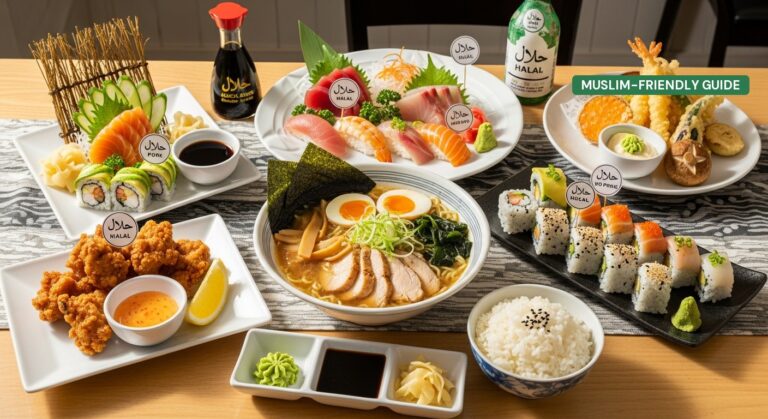
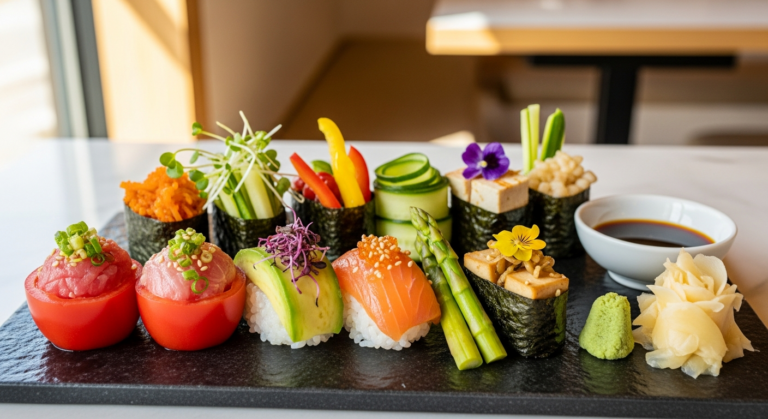
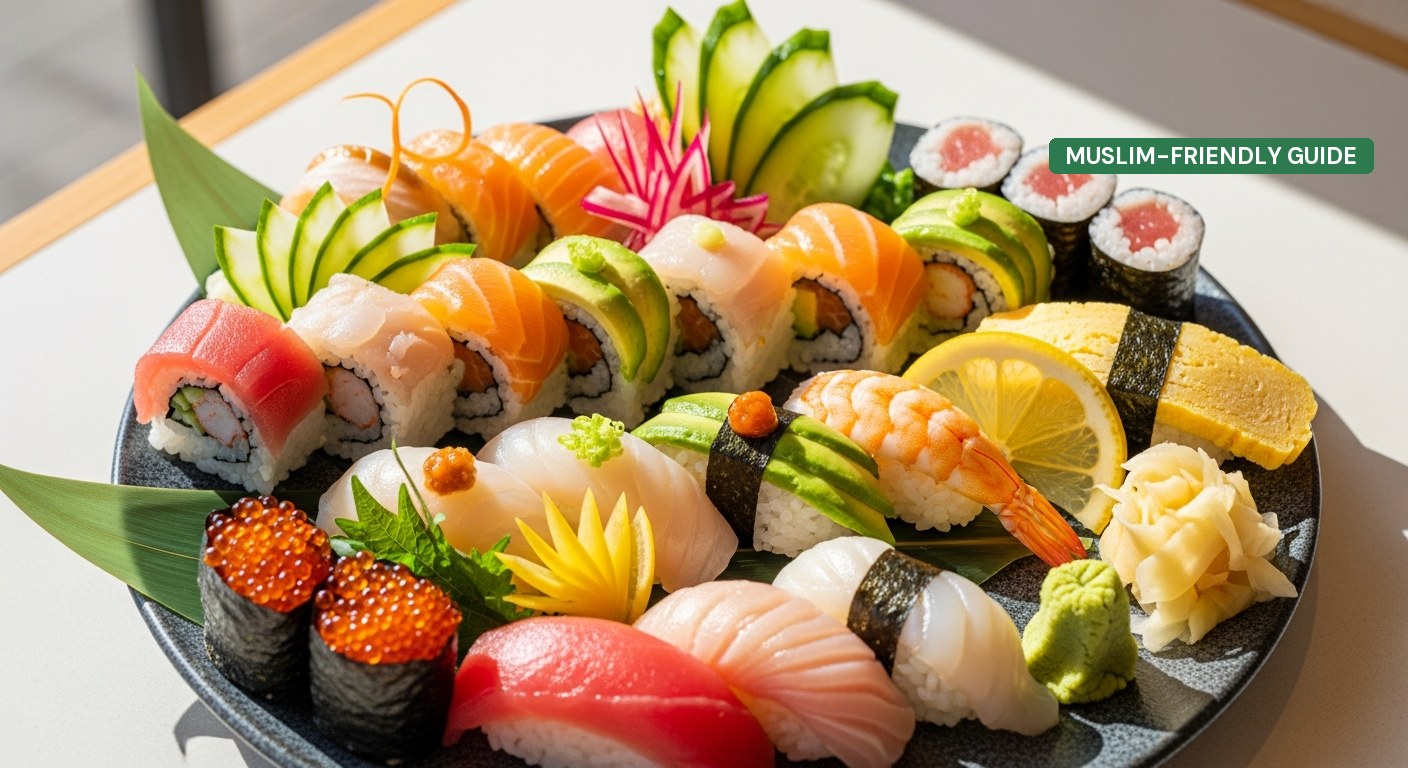
What to order: The halal nigiri and gunkan-maki course uses halal-certified seasoning throughout — rice vinegar, soy sauce, and toppings are all verified — so you shape and eat 12 pieces with complete confidence. Book at least three days ahead and specify halal when reserving, as the class also runs vegan sessions.
2. Halal Wagyu & Vegan Ramen Gyumon Dotonbori
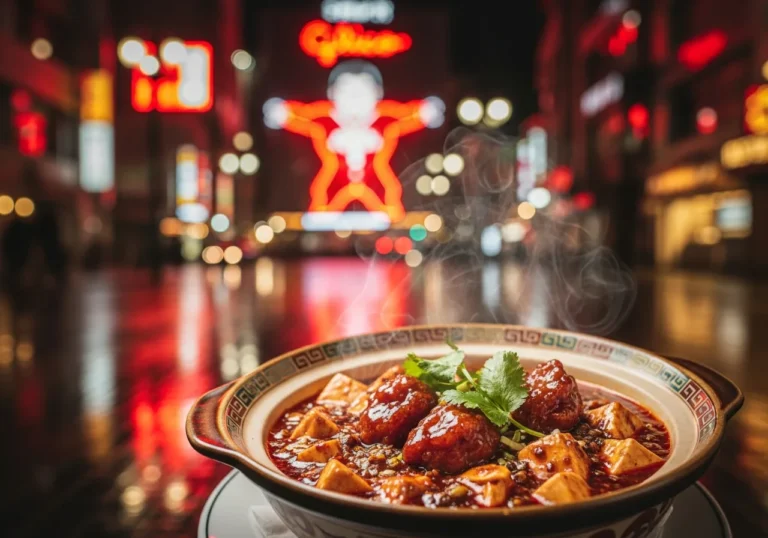
A halal-certified ramen counter right behind the Glico Running Man sign, serving A5 wagyu broth bowls that are entirely pork-free and alcohol-free.
- ☪️ Halal status: halal-certified
- 🍜 Must-order: White Broth Wagyu Ramen (¥1,980)
- 📍 Access: Namba Station (5 min walk) — 1F Kimura Building, 1 Chome-10-5 Dotonbori, Chuo-ku
- 🕒 Hours: Check official site for current hours (Open daily)
- 📞 Reservation: Not needed
- 🧎 Prayer room: None
- 🍷 Alcohol served: No
- 🗣 English menu: Yes
- 🗺 View on Google Maps
- 🔗 Source: groovyjapan.com
What to order: The creamy white-broth wagyu ramen — made from over 20 varieties of wagyu beef with no pork stock whatsoever — is the signature bowl. Spice levels run from 1 to 10, making it a practical stop for Muslim diners who want a full Japanese ramen experience without compromise. If you want to explore the best food in Osaka beyond sushi, this bowl is a strong starting point.
3. Chibo Dotonbori (Muslim & Vegetarian Friendly)
A Japan Islamic Trust–certified okonomiyaki restaurant on Dotonbori’s main street, with a dedicated prayer room and a menu built entirely around halal-certified ingredients.
- ☪️ Halal status: halal-certified
- 🥩 Must-order: Chibo-yaki Okonomiyaki with halal wagyu (price varies by course)
- 📍 Access: Namba Station (9 min walk) — 7F Dotonbori Building, 1 Chome-5-5 Dotonbori, Chuo-ku
- 🕒 Hours: Lunch Mon–Fri 11:30–14:30, Sat–Sun 11:30–15:00; Dinner daily 17:00–21:30 (LO 21:00)
- 📞 Reservation: Recommended
- 🧎 Prayer room: Available on-site
- 🍷 Alcohol served: No
- 🗣 English menu: Yes
- 🗺 View on Google Maps
- 🔗 Source: halalfoodinjapan.com
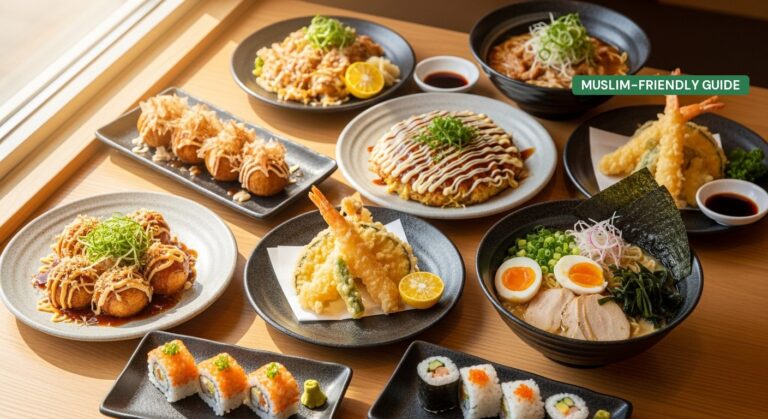
What to order: The Chibo-yaki — Chibo’s signature okonomiyaki — is prepared with halal-certified meat and Muslim-friendly seasonings, with no contact with pork or alcohol at any stage. The teppan counter lets you watch the chef work, and private rooms are available if your group prefers a more enclosed dining space. For more ideas in the neighbourhood, explore more of Dotonbori with our area guide.
Frequently Asked Questions
Q. Is it easy to find halal food in Dotonbori, Osaka?
Halal dining in Dotonbori is growing but still selective — you will find a handful of certified or Muslim-friendly spots along the main canal strip, but they are outnumbered by conventional restaurants. The three venues above are all walkable from Namba Station and cover sushi, ramen, and okonomiyaki, so a full halal day in Dotonbori is genuinely achievable.
Q. What does “Muslim-friendly” mean in Japan?
In Japan, “Muslim-friendly” typically means a restaurant has removed pork and alcohol from specific menu items or an entire menu, but may not hold formal halal certification from a recognised Islamic body. The kitchen may still handle non-halal ingredients for other dishes, so cross-contamination risk varies. Always confirm with staff if you have strict requirements — the venues above all have English menus to help.
Q. Are there prayer rooms near halal restaurants in Dotonbori?
Both Sushi Making Osaka and Chibo Dotonbori have prayer rooms on-site. Namba City shopping mall (connected to Nankai Namba Station, roughly 5–8 minutes on foot from the Dotonbori strip) also has a prayer room available via the information counter.
Q. What hidden ingredients should Muslim travelers watch out for in Japan?
Mirin (sweet rice wine) and sake are used in many Japanese sauces, marinades, and glazes — including soy-based dipping sauces for sushi. Dashi stock is often made from bonito (dried fish) but occasionally contains pork-derived additives. At non-certified restaurants, always ask whether the sushi rice vinegar and soy sauce contain alcohol, and whether the kitchen uses a shared grill or fryer with pork products.
Last updated: July 28, 2026 · Corrections: [email protected]