Last updated: July 3, 2026
This article reflects information available at the time of writing. Check Google Maps for the latest hours and availability.
Introduction
Kitashinchi is Osaka’s most serious dining district — a compact grid of narrow streets north of Dojima River where expense accounts and anniversary dinners have been the norm for decades. The best food in Osaka is a contested title, but Kitashinchi makes a strong case: the neighbourhood packs more Michelin-listed kaiseki and kappo restaurants per block than almost anywhere else in the country.
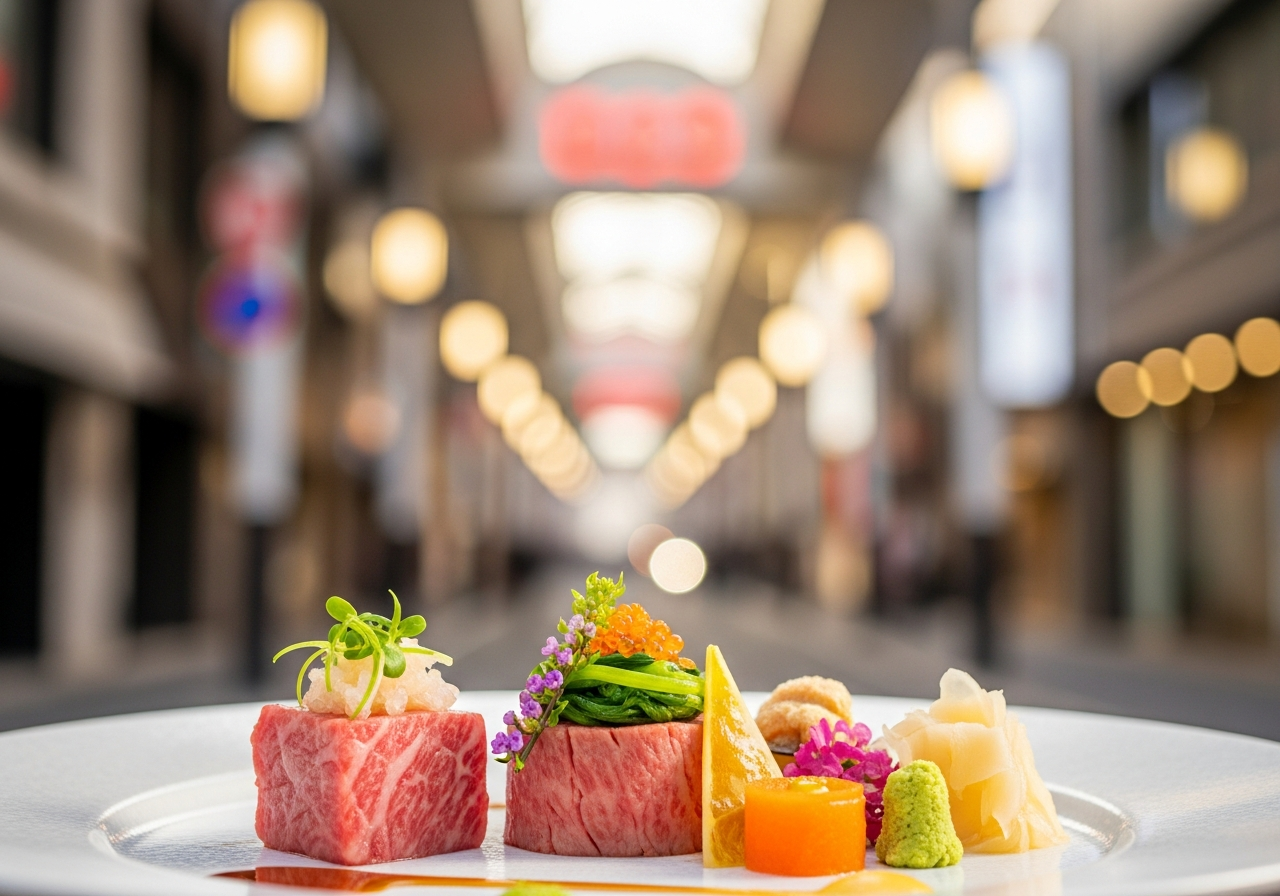
The distinction between the two formats matters here. Kaiseki is the formal multi-course tradition — a fixed sequence of small, seasonally calibrated dishes, each one a considered statement. Kappo is looser: the chef cooks in front of you at the counter, the menu shifts with what arrived that morning, and the conversation flows. Explore more of Kitashinchi and you’ll find both styles thriving side by side, often in the same building.
What sets Kitashinchi apart from Kyoto’s kaiseki scene is the Osaka sensibility underneath the formality. Chefs here are less precious about tradition and more interested in what actually tastes good — you’ll find wagyu alongside dashi-simmered vegetables, charcoal-grilled fish paired with inventive sauces, and sake lists that run deep. Prices are high by any measure, but the quality justifies the spend. Book well in advance — most of these counters seat fewer than twelve people, and weekends fill up months out. This guide covers six of the best kaiseki and kappo spots currently operating in the neighbourhood, from a Michelin one-star with eleven consecutive years on the list to a more accessible lunch-friendly kaiseki room that won’t require a second mortgage.
1. Kappou Iwaki (割烹いわき)
- 📍 1-8-16 Sonezaki Shinchi, Kita-ku, Osaka 530-0002
- 🕐 Dinner only: 18:00–22:00; closed Sundays and public holidays (as of May 2026)
- 💰 ¥25,000–¥35,000 per person (food only) / ¥35,000–¥50,000 (with drinks)
- 🚃 Kitashinchi Station (3 min walk)
- 🗺 Open in Google Maps
- 📋 Tabelog
What to order: Omakase kappo course (¥27,500–¥33,000)
Kappou Iwaki has held one Michelin star for eleven consecutive years — a streak that speaks to consistency rather than novelty. Owner Ryoichi Endo draws on both traditional ryotei and kappo techniques, with a signature style built around artfully arranged appetizers featuring seasonal flowers and leaves, and charcoal-grilled fish and meat paired with creative sauces. The counter is intimate, the pacing unhurried, and the sourcing obsessive — Iwaki places particular emphasis on natural seafood, aiming for the utmost freshness in every ingredient.
2. Kitashinchi Okurano (北新地 おおくらの)
- 📍 3F Kitashinchi FOODEAR Building, 1-3-23 Sonezaki Shinchi, Kita-ku, Osaka 530-0002
- 🕐 Lunch 11:30–15:00 / Dinner 17:30–22:30; closed during New Year holidays (as of May 2026)
- 💰 ¥4,000–¥8,000 per person (lunch) / ¥15,000–¥25,000 (dinner, food only)
- 🚃 Kitashinchi Station (2 min walk)
- 🗣 English menu: Yes
- 🗺 Open in Google Maps
- 📋 Tabelog
What to order: Ichiju Jussai Zen lunch set (¥6,000) / Dinner omakase kaiseki (from ¥15,000)
Kitashinchi Okurano made it into the Michelin Guide for Kyoto and Osaka in 2024, and it remains one of the most accessible entry points into serious kaiseki in the neighbourhood. Dinner starts from ¥15,000, while the ¥6,000 lunch set — “Ichiju Jussai Zen” — arrives with ten colourful side dishes that change daily. The tai-meshi (sea bream rice) served at the end of the course, made with natural sea bream, is a highlight worth saving room for.
3. Kassen Iritani (花仙 入谷)
- 📍 1-7-11 Sonezaki Shinchi, Kita-ku, Osaka 530-0002
- 🕐 Dinner only: 18:00–22:00; closed Sundays and public holidays (as of May 2026)
- 💰 ¥20,000–¥30,000 per person (food only) / ¥30,000–¥45,000 (with drinks)
- 🚃 Kitashinchi Station (3 min walk)
- 🗺 Open in Google Maps
- 📋 Tabelog
What to order: Omakase kappo course (¥22,000–¥28,000)
Kassen Iritani has been selected for the Michelin Guide in 2023, 2024, and 2025. The kitchen’s secret is its dashi — drawn from natural Rausu kelp and the ultra-soft water of Nose Town, Osaka, combined with freshly shaved bonito flakes from Makurazaki. The result is a broth with a clarity and depth that anchors every course. This is Naniwa cuisine at its most considered: technically precise, rooted in Osaka’s own culinary identity rather than Kyoto’s shadow.
4. Naniwa Kappou Noboru (浪速割烹 のぼる)
- 📍 1-6-7 Sonezaki Shinchi, Kita-ku, Osaka 530-0002
- 🕐 Dinner only: 18:00–22:00; closed Sundays (as of May 2026)
- 💰 ¥9,000–¥15,000 per person (food only) / ¥15,000–¥22,000 (with drinks)
- 🚃 Kitashinchi Station (3 min walk)
- 🗺 Open in Google Maps
- 📋 Tabelog
What to order: Seasonal kappo omakase course (from ¥9,900)
Naniwa Kappou Noboru held one Michelin star in 2024 and has been selected for the Michelin Guide in both 2025 and 2026. It’s one of the more approachable counters in Kitashinchi — the atmosphere is elegant but not stiff, and the price point sits below most of its starred neighbours. The kitchen leans hard into dashi, offering dishes with gentle flavours that showcase the broth’s subtle, carefully calibrated saltiness. Ingredients include Naniwa traditional vegetables, Oma tuna, and Shiro wagyu from Shikoku — sourcing that reflects genuine conviction rather than menu decoration.
5. Kappo Matsumoto Eiraku (割烹 松本永楽)
- 📍 1F Yamana Building, 1-6-19 Sonezaki Shinchi, Kita-ku, Osaka 530-0002
- 🕐 Lunch (weekdays) 11:30–14:00 / Dinner 17:30–22:00; closed Sundays and public holidays (as of May 2026)
- 💰 ¥2,500–¥5,000 per person (lunch) / ¥15,000–¥25,000 (dinner, food only)
- 🚃 Kitashinchi Station (3 min walk)
- 🗺 Open in Google Maps
- 📋 Tabelog
What to order: Chef’s choice kaiseki course (¥16,500–¥22,000) / Weekday shokado bento lunch (¥2,500–¥3,500)
Kappo Matsumoto Eiraku has been a fixture in Kitashinchi for over 40 years. The restaurant occupies the ground floor of the building that houses the famous Club Yamana, and the evening kaiseki course follows the traditional sequence while incorporating Western touches — the beef tenderloin cutlet with demi-glace sauce is a quietly celebrated house specialty. Weekday lunches offer shokado bento and single-dish options, making this one of the few places in Kitashinchi where you can taste the kitchen’s craft without committing to a full dinner course.
6. Sui Okazaki (粋 岡崎)
- 📍 1-5-15 Sonezaki Shinchi, Kita-ku, Osaka 530-0002
- 🕐 Lunch and dinner by reservation; closed Sundays (as of May 2026)
- 💰 ¥15,000–¥22,000 per person (food only) / ¥22,000–¥35,000 (with drinks)
- 🚃 Kitashinchi Station (1 min walk)
- 🗣 English menu: Yes
- 🗺 Open in Google Maps
- 📋 Tabelog
What to order: Omakase kappo course (from ¥16,500)
Sui Okazaki has been recognised as a Michelin Selected Restaurant in both 2024 and 2025, and offers two horigotatsu-style private rooms that can be combined for up to ten guests. Chef Naoya Okazaki trained at traditional ryotei and kappo restaurants in Osaka before developing his own style — one that respects classical foundations while incorporating new techniques, such as blending two types of kombu to deepen the dashi and using fruit to layer acidity into vinegared mackerel. He collaborates directly with ceramic artists on custom tableware, and the beverage programme runs to 15–20 sake varieties and around 50 wine labels. Full English support is available, making this one of the most internationally accessible counters in the neighbourhood.
7. Kitashinchi Koryu (北新地 弧柳)
- 📍 1F Espace Kitashinchi 23, 1-5-1 Dojima, Kita-ku, Osaka 530-0003
- 🕐 Lunch Tue–Sat 12:00–14:30 / Dinner 18:00–23:30 (two seatings: 18:00 and 20:30); closed Sundays and public holidays (as of May 2026)
- 💰 ¥20,000–¥30,000 per person (dinner, food only)
- 🚃 Kitashinchi Station (3 min walk)
- 🗺 Open in Google Maps
- 📋 Tabelog
What to order: Omakase kaiseki course (¥22,000–¥28,000)
Koryu is a kaiseki restaurant in the Kitashinchi district that has remained dedicated to traditional Japanese cuisine and meticulous attention to detail since its founding. The dinner service runs two seatings — 18:00 and 20:30 — which makes it a practical choice if you’re pairing dinner with a later evening in the neighbourhood. Guests sit kappo-style at an open counter, watching the kitchen work through both raw and cooked seafood delivered fresh from nearby waters. The Michelin Guide has taken notice, and the compact counter fills quickly — book at least two to three weeks ahead.
How to Order
Almost every restaurant in this guide operates on a reservation-only basis, and most require you to book at least a week in advance — often more for weekends. Use platforms like Tablecheck, OMAKASE JapanEatinerary, or Ikyu Restaurant to book in English; many of these counters do not accept walk-ins or phone reservations from overseas numbers.
Courses are typically fixed-price omakase — you don’t order individual dishes. When booking, you’ll usually be asked about dietary restrictions and allergies. Be specific: shellfish, gluten, and raw fish are common components of kaiseki and kappo courses, and last-minute substitutions are difficult in kitchens this small.
Cancellation policies are strict. Most restaurants charge 50–100% of the course price for same-day cancellations. If your plans change, notify the restaurant as early as possible — these are tiny operations where a no-show genuinely hurts.
Dress code is smart casual at minimum. No shorts, no sportswear. A collared shirt or blouse is appropriate; you don’t need a jacket, but you won’t look out of place in one. Perfume and strong cologne are generally frowned upon — the kitchen’s aromas are part of the experience.
Tipping is not practised in Japan. A sincere “gochisosama deshita” (thank you for the meal) as you leave is the appropriate way to express appreciation. The MICHI Osaka travel guide has more on dining etiquette if you’re new to the format.
FAQ
Q: Is fine dining in Kitashinchi expensive?
A: Yes, by most standards. Dinner at a Michelin-listed kappo or kaiseki counter typically runs ¥20,000–¥35,000 per person for food alone; add drinks and you’re looking at ¥30,000–¥50,000. Lunch is the exception — Kitashinchi Okurano’s set lunch starts at ¥4,000, and Kappo Matsumoto Eiraku offers weekday bento from around ¥2,500. If you want to experience the neighbourhood’s cooking without the full dinner spend, lunch is the move.
Q: Do restaurants in Kitashinchi have English menus?
A: It varies. Kitashinchi Okurano and Sui Okazaki both offer English menus and English-speaking staff. Others — including Kappou Iwaki and Kassen Iritani — operate primarily in Japanese, though booking platforms like OMAKASE JapanEatinerary can arrange English support at the time of reservation. When in doubt, ask when you book rather than on the night.
Q: When is the best time to visit?
A: Weekday evenings are quieter and easier to book than Fridays and Saturdays, which fill up weeks in advance. Seasonally, spring (March–May) and autumn (October–November) are when Japanese cuisine is at its most expressive — the ingredients are at their peak and the courses reflect it. Summer brings ayu (sweetfish) and cold preparations; winter is the season for fugu, crab, and warming nabe. There is no bad time, but spring and autumn reward the most.
Information is accurate as of May 2026. We recommend checking Google Maps for the latest hours and prices before visiting.