Last updated: July 3, 2026
This article reflects information available at the time of writing. Check Google Maps for the latest hours and availability.
Introduction
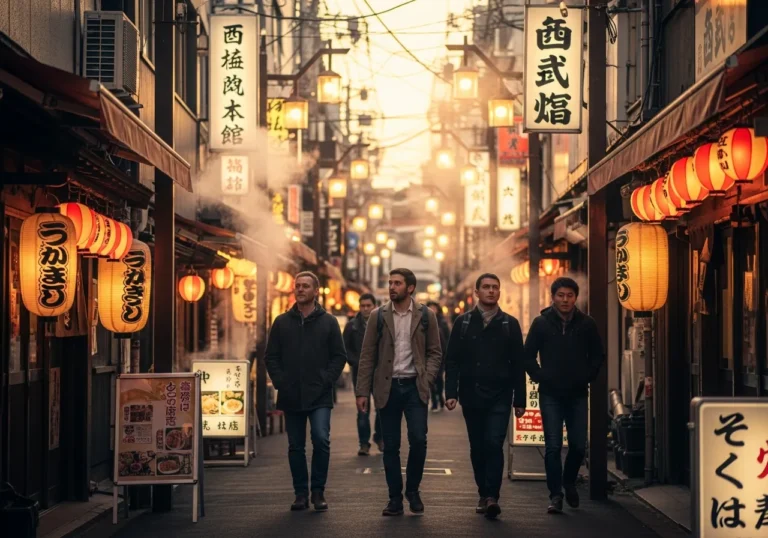
Kitashinchi runs on a different clock to the rest of Osaka. The suits arrive around 7pm, the hostess bars fill up by 9, and by midnight the whole district is humming with the particular energy of people who have been drinking expensive whisky for three hours and now desperately want noodles. That last part — the shime, the closing bowl — is where this guide comes in.
The neighbourhood sits just south of JR Osaka Station, packed into a tight grid of streets that somehow contains around 3,000 restaurants and bars. Most of them are kaiseki rooms and private clubs that will cost you a small fortune. But tucked into basement floors, second-floor walk-ups, and the gaps between buildings, there’s a surprisingly strong ramen scene built almost entirely around the post-midnight crowd. These aren’t tourist ramen shops. They’re the places where bartenders eat after their shifts and where salarymen decompress before the last train.
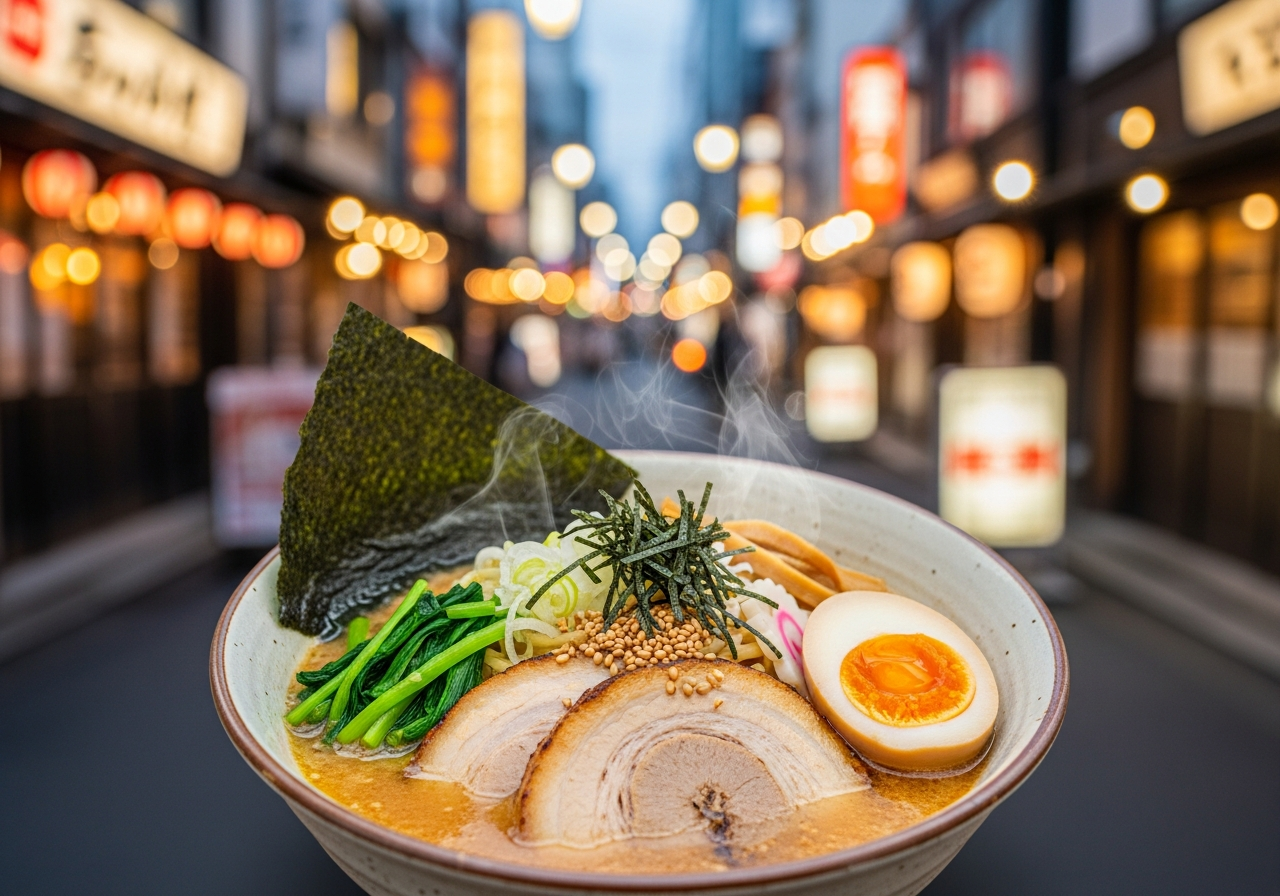
The bowls here skew lighter than what you’d find in Dotonbori — shio and shoyu dominate, because nobody wants a gut-bomb of tonkotsu after four hours of drinking. But there are exceptions, and this guide covers the full range. Whether you want a clean, dashi-forward salt ramen at 1am or a spicy tantanmen to sober up, Kitashinchi has it. For more on what to eat across the city, check out the best food in Osaka — but for late-night bowls in this particular corner of Kita-ku, read on.
1. Ramen Pepe (らーめん ぺぺ)
- 📍 2F NIPPO Kitashinchi Building, 1-8-16 Sonezaki Shinchi, Kita-ku, Osaka
- 🕐 Mon–Sat 18:00–05:00 (as of May 2026)
- 💰 ¥900–¥1,400 (food only)
- 🚃 Kitashinchi Station (JR Tozai Line) — 3 min walk
- 🗺 Open in Google Maps
- 📋 Tabelog
What to order: Pepe Shio DX (¥1,200)
The most beloved shime spot in Kitashinchi, open until 5am and operating out of a second-floor room that seats maybe a dozen people. The salt ramen is the move — a clean, chicken-forward broth with a silky finish and noodles that hold their texture even at 3am. Rice is included, which is exactly what you need.
2. Shinchi Ramen Chikamatsu (新地ら~麺 近松)
- 📍 B1F, 1-9-20 Sonezaki Shinchi, Kita-ku, Osaka
- 🕐 Mon–Sat 18:00–04:00 (as of May 2026)
- 💰 ¥900–¥1,300 (food only) / ¥1,500–¥2,500 (with drinks)
- 🚃 Kitashinchi Station (JR Tozai Line) — 2 min walk
- 🗺 Open in Google Maps
- 📋 Tabelog
What to order: Miso Hakutou Ramen (¥1,100)
Down a flight of stairs into a basement that feels like it was designed for exactly this kind of night — low lighting, counter seating, no fuss. The miso-white soup ramen is richer than most things in this neighbourhood, but it’s calibrated for post-drinking stomachs: warming without being heavy. Solo diners are genuinely welcome here.
3. Shintora Kitashinchi Honten (神虎 北新地本店)
- 📍 1-7-14 Sonezaki Shinchi, Kita-ku, Osaka
- 🕐 Mon–Sat 18:00–03:00 (as of May 2026)
- 💰 ¥850–¥1,200 (food only)
- 🚃 Kitashinchi Station (JR Tozai Line) — 3 min walk
- 🗺 Open in Google Maps
- 📋 Tabelog
What to order: Hakata Tonkotsu Ramen (¥850)
Shintora is the rare Kitashinchi ramen shop that leans into tonkotsu — a Hakata-style broth that’s lighter than you’d expect, built on a collaboration between Fukuoka pork-bone technique and Kansai dashi sensibility. The result is a bowl that’s rich enough to satisfy but won’t wreck you. Regulars from the nearby bars have been coming here for years.
4. Noguchi Taro Ramen Kitashinchi Honten (野口太郎ラーメン 北新地本店)
- 📍 1-5-28 Sonezaki Shinchi, Kita-ku, Osaka
- 🕐 Mon–Sat 18:00–03:00 (as of May 2026)
- 💰 ¥1,000–¥1,400 (food only)
- 🚃 Kitashinchi Station (JR Tozai Line) — 4 min walk
- 🗺 Open in Google Maps
- 📋 Tabelog
What to order: Clam Dashi Shoyu Ramen (¥1,200)
The kitchen here takes its dashi seriously — the clam-based shoyu broth is delicate and savoury in a way that reads more like a high-end Japanese restaurant than a late-night ramen shop. Tsukemen (dipping noodles) are also available for those who want something more substantial. A good pick if you’ve been drinking lightly and want something that actually tastes considered.
5. Kinkuemon Umeda (金久右衛門 梅田店)
- 📍 1-1-20 Dojima, Kita-ku, Osaka
- 🕐 Mon–Sat 18:00–03:00 (as of May 2026)
- 💰 ¥900–¥1,300 (food only)
- 🚃 Kitashinchi Station (JR Tozai Line) — 4 min walk / Watanabebashi Station — 3 min walk
- 🗺 Open in Google Maps
- 📋 Tabelog
What to order: Osaka Black Shoyu Ramen (¥950)
Kinkuemon built its reputation on “Osaka Black” — a dark, deeply savoury soy sauce ramen that’s become something of a local signature. The Umeda branch sits just north of the Kitashinchi grid, close enough to count and open late enough to matter. The broth is bolder than most things in this neighbourhood, which makes it a good call if you’ve been drinking something light all night.
6. maren Kitashinchi Honten (maren 北新地本店)
- 📍 1-6-19 Sonezaki Shinchi, Kita-ku, Osaka
- 🕐 Mon–Sat 18:00–05:00 (as of May 2026)
- 💰 ¥1,200–¥1,800 (food only)
- 🚃 Kitashinchi Station (JR Tozai Line) — 3 min walk
- 🗺 Open in Google Maps
- 📋 Tabelog
What to order: Shoyu Soba with Foie Gras Fragrant Oil (¥1,600)
The newest serious entry in Kitashinchi ramen — maren relocated here from Nakasakicho in late 2024 and immediately became the most talked-about bowl in the district. The shoyu soba is built on a layered chicken-and-seafood broth finished with foie gras-infused oil, topped with five different preparations of meat. It’s the kind of ramen that makes you wonder why you ever settled for anything less. Counter-only, open until 5am, and worth every yen of the ¥1,600 price tag. If you want to explore more of Kitashinchi, maren is a strong anchor for an evening that starts here and works outward.
7. Shichidaime Tamagoro Kitashinchi (七代目 玉五郎 北新地店)
- 📍 1-9-7 Sonezaki Shinchi, Kita-ku, Osaka
- 🕐 Mon–Sat 18:00–05:00 (as of May 2026)
- 💰 ¥900–¥1,300 (food only)
- 🚃 Kitashinchi Station (JR Tozai Line) — 3 min walk
- 🗺 Open in Google Maps
- 📋 Tabelog
What to order: Niboshi Shoyu Ramen (¥950)
Tamagoro is Osaka’s best-known niboshi (dried sardine) ramen chain, and the Kitashinchi branch is the one that stays open until 5am — which tells you everything about who it’s for. The broth is assertive and umami-forward, with a slight bitterness from the sardines that cuts through a night of drinking better than almost anything else on this list. Bring cash.
8. Mara Tantanmen Dojima (麻辣担々麺堂島)
- 📍 1-6-7 Dojima, Kita-ku, Osaka (between buildings — look for the narrow entrance)
- 🕐 Mon–Fri 11:30–15:00, 18:00–23:00 (as of May 2026)
- 💰 ¥1,000–¥1,400 (food only)
- 🚃 Watanabebashi Station — 3 min walk / Kitashinchi Station — 5 min walk
- 🗺 Open in Google Maps
- 📋 Tabelog
What to order: Mara Tantanmen (¥1,200)
The entrance is genuinely hard to find — it’s tucked between two buildings in the Dojima stretch just west of Kitashinchi proper, and the signage is minimal. Worth the effort. The Sichuan-style tantanmen here is properly numbing, built on a sesame-and-chilli base with enough mala heat to reset your palate after a long night. Note that this one closes at 11pm, so plan accordingly — it’s a pre-midnight option rather than a 3am rescue. For more late-night eating ideas across the city, the MICHI Osaka travel guide has you covered.
How to Order
Most ramen shops in Kitashinchi use a ticket vending machine (券売機) at the entrance — buy your ticket before you sit down. The machines usually have photo buttons, so pointing works fine even without Japanese. A few of the smaller spots (Pepe, maren) take orders at the counter directly; just hold up fingers for the number of bowls and point at the menu.
Toppings are typically ordered separately. Common additions: ajitsuke tamago (seasoned soft-boiled egg, ¥100–¥150), chashu (extra pork, ¥200–¥300), and nori (seaweed, ¥100). If you want extra noodles (kaedama), ask at the counter — most tonkotsu shops offer this for ¥100–¥150.
Seating is almost always counter-only in this neighbourhood. Solo diners are the norm, not the exception. Don’t linger too long after finishing — turnover matters, especially after midnight when queues form outside. Water is self-serve at most spots. Tipping is not a thing; just say “gochisosama deshita” when you leave.
Most shops in Kitashinchi are cash-only or have limited card acceptance. Bring ¥2,000–¥3,000 in cash per person to be safe. IC cards (Suica, ICOCA) are not accepted at ramen shops.
FAQ
Q: Is ramen in Kitashinchi expensive?
A: By Kitashinchi standards, ramen is the cheapest thing you’ll eat all night. Most bowls run ¥900–¥1,400. maren is the priciest at around ¥1,600, but it’s genuinely a cut above. Budget ¥1,200–¥1,500 per person including a topping or two.
Q: Do ramen shops in Kitashinchi have English menus?
A: Rarely, but most have photo menus or ticket machines with pictures, which makes ordering manageable. maren and Noguchi Taro are the most likely to have some English signage. At the others, pointing and holding up fingers gets you through fine.
Q: When is the best time to visit?
A: For the full shime experience, arrive between midnight and 2am — that’s when the atmosphere is at its peak and the crowd is most interesting. If you want a quieter bowl, go between 7pm and 9pm before the post-bar rush hits. Avoid Friday and Saturday after 1am unless you’re happy to queue; those nights get genuinely busy at the popular spots like Pepe and Tamagoro.
Information is accurate as of May 2026. We recommend checking Google Maps for the latest hours and prices before visiting.