Last updated: July 19, 2026
This article reflects information available at the time of writing. Check Google Maps for the latest hours and availability.
Introduction
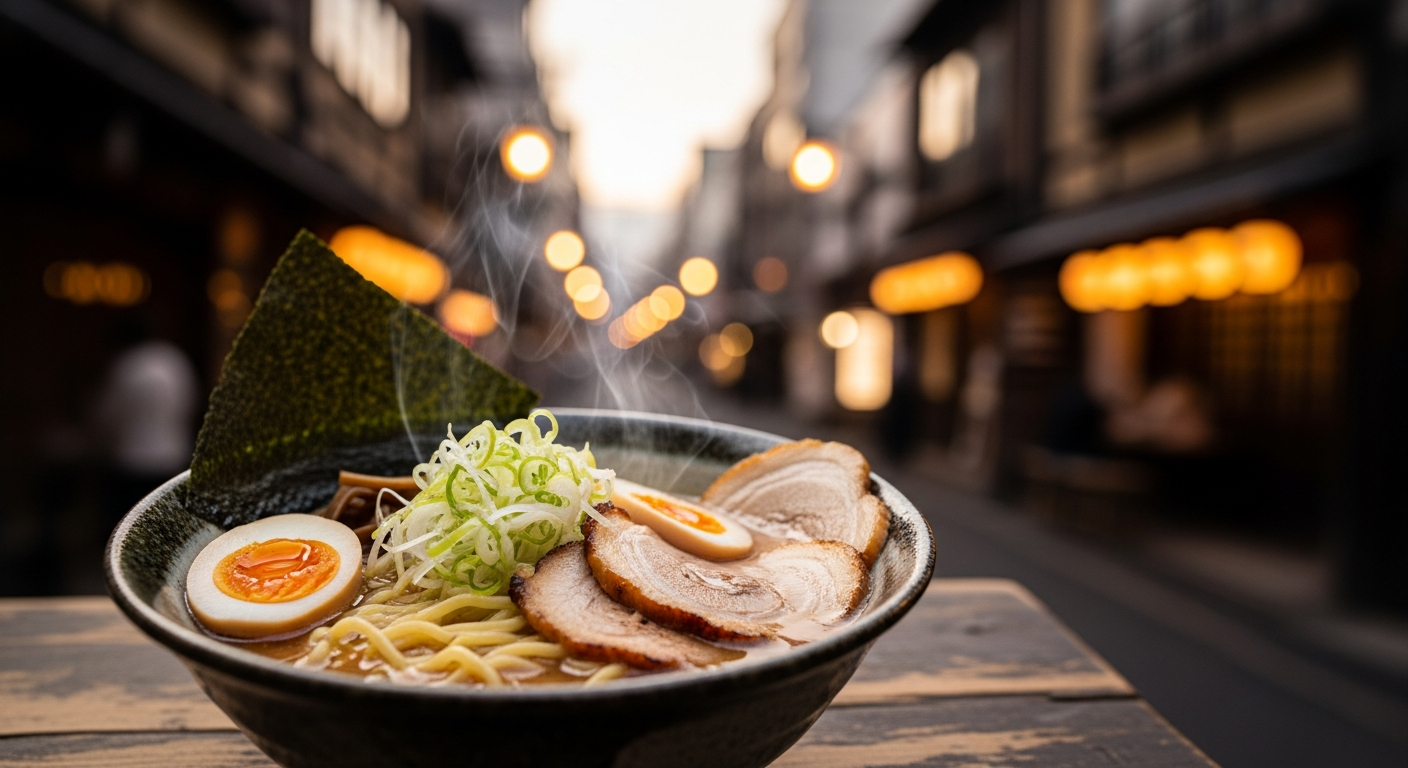
Tanimachi doesn’t get the ramen headlines that Namba or Umeda do. That’s exactly why it’s worth your time. The stretch of the Osaka Metro Tanimachi Line between Tanimachi 4-chome and Tanimachi 6-chome is a working neighbourhood — government offices, law firms, the quiet residential streets behind Osaka Castle — and the ramen shops here cook for people who eat lunch here every day. That means less theatre, more craft.
The bowls in this pocket of the city skew toward the refined end of the spectrum. You’ll find clear, dashi-forward shoyu broths that take their cues from Kyoto-style chukasoba, shellfish-and-chicken combinations that taste like the sea distilled into a cup, and at least one Michelin Bib Gourmand that’s been quietly earning its stripes since 2022. If you’re chasing the best food in Osaka, Tanimachi’s ramen scene is one of the most underrated arguments for venturing east of Shinsaibashi.
This guide covers five shops across the Tanimachi corridor — from the pure-dashi end of the dial to a rich miso that’ll have you scraping the bowl. Each one is within a short walk of a subway station, and most are open for both lunch and dinner. Come hungry, come on a weekday if you can, and don’t skip the side rice.
Ready to explore more of Tanimachi? Read on.
1. RAMEN CHORO (貝と地鶏だしのらぁ麺 ちょろ)
- 📍 2-3-8 Uchihonmachi, Chuo-ku, Osaka (Dia Palace Building 213)
- 🕐 11:00–15:00 / 17:30–22:00 (as of May 2026)
- 💰 ¥1,000–¥1,500 (food only)
- 🚃 Tanimachi 4-chome Station (5 min walk)
- 🗺 Open in Google Maps
- 📋 Tabelog
What to order: Shellfish and free-range chicken dashi ramen (¥1,100)
The combination of shellfish broth and free-range chicken soup is unusual — the result is a clear, deeply flavoured bowl with a transparency that makes you want to drink every last drop. RAMEN CHORO is a minimalist noodle house that keeps the focus squarely on that broth, and with over 1,800 reviews on Tabelog, it’s the most talked-about ramen shop in the immediate Tanimachi 4-chome area. Arrive at opening or expect to wait.
2. Ramen Tsuji (ラーメン 辻)
- 📍 1-1-10 Yariyamachi, Chuo-ku, Osaka (Yamadai Building 1F)
- 🕐 Mon–Fri 11:30–14:30 / 17:30–21:15; Sat–Sun & holidays 11:30–21:15 (as of May 2026)
- 💰 ¥1,000–¥1,500 (food only)
- 🚃 Tanimachi 4-chome Station, Exit 3 (2 min walk)
- 🗺 Open in Google Maps
- 📋 Tabelog
What to order: Chicken paitan ramen (¥1,100)
Ramen Tsuji has built its reputation on a creamy, luxurious chicken paitan broth — the kind of ramen that reads as approachable but rewards attention. The shop runs on just eight seats and pulls in over 50,000 diners a year, which tells you everything about the pace of service. The concept — a ramen shop where a woman can walk in alone without feeling out of place — has made it a genuine neighbourhood fixture rather than a destination for ramen obsessives only. No reservations; just show up.
3. Chukasoba Uemachi (中華そば うえまち)
- 📍 A-22 Uemachi, Chuo-ku, Osaka
- 🕐 11:00–14:30 / 18:00–21:00; closed Monday (as of May 2026)
- 💰 ¥1,000–¥1,500 (food only)
- 🚃 Tanimachi 6-chome Station (4 min walk)
- 🗺 Open in Google Maps
- 📋 Tabelog
What to order: Shoyu chukasoba (¥1,000) or limited shio (¥1,200)
Chukasoba Uemachi opened in 2012, run by an alumnus of the legendary Kadoya Shokudo — and that lineage shows in every bowl. The shio version arrives as a clean, pale broth built on Yamato chicken from Nara and Kirishima Plateau Royal Pork from Kagoshima, with yuzu oil and a thin layer of chicken fat providing quiet richness rather than weight. The shoyu is the daily workhorse and what most regulars order; the shio is limited and worth timing your visit around. Both the soy sauce and salt versions showcase the shop’s commitment to a clear, ingredient-forward soup.
4. Jinsei Yumeji Tokumen (人生夢路 徳麺)
- 📍 3-4-9 Tanimachi, Chuo-ku, Osaka (EM&C Tanimachi Building 1F)
- 🕐 Lunch and dinner service (check Google Maps for current hours) (as of May 2026)
- 💰 ¥900–¥1,500 (food only)
- 🚃 Tanimachi 4-chome Station (1 min walk)
- 🗺 Open in Google Maps
- 📋 Tabelog
What to order: Seafood broth chukasoba (¥1,000–¥1,100)
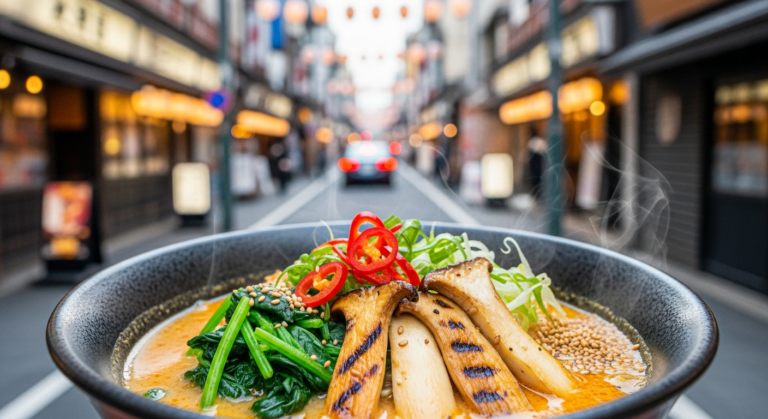
Jinsei Yumeji Tokumen builds its broth entirely from seafood — no animal products — using house-made noodles and no chemical seasonings. That’s a rare proposition in a city where pork bones are the default. The result is a bowl that tastes of the ocean in the most precise way: clean, mineral, with a depth that sneaks up on you. Tabelog reviewers consistently flag the golden shio chukasoba as the standout, and at a 3.60 rating with nearly 450 reviews, this is one of the most quietly respected bowls in the neighbourhood. Practically on top of the station exit — no excuses for skipping it.
5. Mugito Mensuke (麦と麺助)
- 📍 Near Tanimachi 6-chome Station, Chuo-ku, Osaka (check Google Maps for exact address)
- 🕐 11:00–15:00 (approx); closed Tuesday (as of May 2026)
- 💰 ¥1,000–¥2,000 (food only)
- 🚃 Tanimachi 6-chome Station, Exit 7 (4 min walk)
- 🗺 Open in Google Maps
- 📋 Tabelog
What to order: Chicken soy ramen (¥1,200–¥1,500)
Mugito Mensuke has held a Michelin Bib Gourmand for four consecutive years and appeared seven times in Japan’s Top 100 Ramen rankings — and it earns that recognition through an obsessive approach to ingredients, including raising its own breed of chicken specifically for the soup. The signature dish is a soy-based ramen built on a blend of Horo-Horo chicken, Hinai chicken, and the house-raised Mensuke Chicken — the kind of birds that top yakitori restaurants use — producing a broth with concentrated, layered umami. The side aburi chashu don — a rice bowl buried under torched pork slices and a soft-boiled egg — is worth ordering alongside. Eight seats. Lunch only. Go early.
How to Order
Most ramen shops in Tanimachi use a ticket vending machine (券売機) at the entrance. Insert your cash, press the button for the bowl you want, and hand the ticket to the staff when you sit down. Machines at higher-end shops like Mugito Mensuke sometimes have photo buttons or basic English prompts — when in doubt, the top-left button is almost always the house special.
Customisation is less common here than at tonkotsu chains. You won’t typically be asked about noodle firmness or broth richness unless the shop specifically offers it. If you want extra noodles (kaedama) or a side rice, ask at the counter — most shops in this area offer both.
Tipping is not a thing in Japan. Don’t do it. Saying “oishikatta desu” (it was delicious) on your way out is the correct currency.
Lunch hours run roughly 11:00–14:30 at most shops. Several close between lunch and dinner service, so check Google Maps before making the trip in the afternoon. Dinner is generally less crowded than lunch, but some shops sell out of broth and close early — especially on weekdays when the office crowd has cleaned them out by 13:30.
Cash is still king at smaller counters. Bring ¥2,000 and you’ll be fine at every shop on this list.
FAQ
Q: Is ramen in Tanimachi expensive?
A: Most bowls land between ¥1,000 and ¥1,500. A standard shoyu or shio ramen at Chukasoba Uemachi or Jinsei Yumeji Tokumen runs around ¥1,000–¥1,100. Mugito Mensuke sits at the higher end (¥1,200–¥1,500) given its Michelin pedigree and premium ingredients. Add ¥200–¥450 for a side rice or extra toppings. Budget ¥1,500–¥2,000 per person to eat well.
Q: Do ramen shops in Tanimachi have English menus?
A: Mostly no, but it rarely matters. Ticket machines at most shops have photo buttons, and the menus are short — usually three to five items. Pointing works fine. Ramen Tsuji and RAMEN CHORO both attract enough international visitors that staff are used to non-Japanese speakers. If you’re anxious, screenshot the shop’s Tabelog page before you go — the photos make ordering by pointing entirely viable.
Q: When is the best time to visit?
A: Weekday lunches between 11:00 and 11:45 are your best shot at a short wait. The 12:00–13:30 window is peak office-lunch rush and queues form fast, especially at RAMEN CHORO and Mugito Mensuke. Weekday evenings after 18:30 are generally relaxed. Avoid Saturday lunch if you’re short on patience — the neighbourhood draws visitors from across Osaka on weekends and waits can stretch to 30–40 minutes at the top shops.
For more on what to eat and where to go in this part of the city, check out the MICHI Osaka travel guide.
Information is accurate as of May 2026. We recommend checking Google Maps for the latest hours and prices before visiting.