Last updated: July 3, 2026
This article reflects information available at the time of writing. Check Google Maps for the latest hours and availability.
Introduction
Tanimachi doesn’t get the Chinese food headlines that Tsuruhashi or Namba do. That’s exactly why it’s worth paying attention. The strip running from Tanimachi 4-chome down to Tanimachi 9-chome is a working neighbourhood — government offices, law firms, the odd antique dealer — and the restaurants here cook for people who eat lunch at the same table three times a week. That means less theatre, more technique.
The Chinese spots along this corridor cover serious ground: Sichuan tantanmen with house-made chilli oil, black vinegar sweet-and-sour pork that’s been on the menu for decades, Northeastern Chinese dumplings, and basement izakaya-style dining rooms where the mapo tofu arrives in a clay pot still spitting. None of it is dressed up for tourists. Most of it is very, very good.
If you’re building a day around the best food in Osaka, Tanimachi’s Chinese scene deserves a slot — especially at lunch, when set menus drop to ¥900–¥1,500 and the salaryman crowd keeps things moving fast. This guide covers six spots across the Tanimachi corridor, from a Sichuan specialist with house-ground spice blends to a Taiwanese dining room that’s been packing in the after-work crowd for years. Come hungry, and don’t skip the vinegar.
1. AJITO (中華居酒家アジト)
- 📍 1-2-3 Itoyadori, Chuo-ku, Osaka (Otemae Megumi Bldg. 1F)
- 🕐 Lunch: 11:30–14:00 / Dinner: 17:30–22:00 (as of May 2026)
- 💰 ¥1,000–¥1,999 (lunch) / ¥3,000–¥3,999 (dinner)
- 🚃 Tanimachi 4-chome Station (4 min walk)
- 🗺 Open in Google Maps
- 📋 Tabelog
What to order: Tantanmen (¥1,000), Mapo tofu set (¥900)
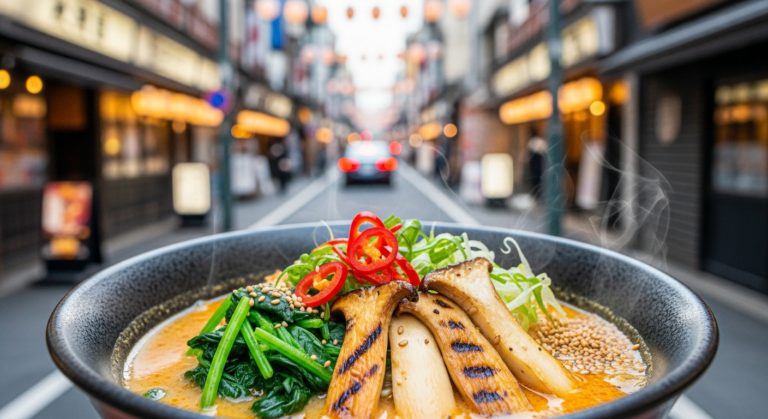
AJITO makes everything in-house — the chilli oil, the doubanjiang-based sauces, the spice blends — and you can taste the difference the moment the tantanmen lands. The Sichuan pepper heat builds slowly, then the sesame richness pulls it back. Lunch sets come with rice and a small side; dinner is the place to linger over a bottle of Shaoxing wine and the spring rolls, which arrive crackling hot.
2. MAMA Chinese Restaurant (MAMAチャイニーズ)
- 📍 Near Tanimachi 4-chome Station, Chuo-ku, Osaka
- 🕐 Lunch and dinner service (check Google Maps for current hours) (as of May 2026)
- 💰 ¥950–¥1,500 (lunch) / ¥2,000–¥3,000 (dinner)
- 🚃 Tanimachi 4-chome Station (1 min walk)
- 🗺 Open in Google Maps
- 📋 Tabelog
What to order: Mapo tofu set (¥900), Ebi chilli lunch (¥1,000)
The name is a deliberate nod to home cooking, and the chef — who trained in China before opening here — delivers exactly that. The menu leans Northeastern Chinese with Sichuan detours: mapo tofu spiked with just enough Sichuan pepper to tingle, sweet-and-sour pork that’s lighter on the vinegar than you’d expect, and handmade dumplings that are garlic-free and genuinely juicy. The long, narrow room is calm even at peak lunch hour, and solo diners are well catered for at the counter.
3. Misenkaku (みせんかく)
- 📍 Basement floor, near Tanimachi 4-chome Station, Chuo-ku, Osaka
- 🕐 Lunch and dinner (check Google Maps for current hours) (as of May 2026)
- 💰 ¥800–¥1,200 (lunch) / ¥2,000–¥3,000 (dinner)
- 🚃 Tanimachi 4-chome Station (1 min walk)
- 🗺 Open in Google Maps
- 📋 Tabelog
What to order: Daily lunch set (¥700–¥900), Mapo tofu
Down a flight of stairs, past a building lobby that gives nothing away — Misenkaku is the kind of place you only find because someone told you about it. The basement room has a Taiwanese izakaya feel, the lunch menu rotates daily, and the mapo tofu is the reason regulars keep coming back. Portions are generous, prices are low, and the owner runs the kitchen with the quiet efficiency of someone who has been doing this for a very long time.
4. Itsukaen Tanimachi 4-chome (五花苑 谷町四丁目店)
- 📍 Chuo-ku, Osaka (near Tanimachi 4-chome Station)
- 🕐 Lunch and dinner (check Google Maps for current hours) (as of May 2026)
- 💰 ¥900–¥1,500 (lunch) / ¥2,000–¥3,500 (dinner)
- 🚃 Tanimachi 4-chome Station (3 min walk)
- 🗺 Open in Google Maps
- 📋 Tabelog
What to order: Sichuan mapo tofu set (¥900), Ebi chilli (¥1,000)
Itsukaen is the kind of neighbourhood Chinese restaurant that Tanimachi’s office workers treat as a canteen — and that’s a compliment. Every lunch set comes with a side of Sichuan mapo tofu regardless of what you order, which tells you something about the kitchen’s priorities. The Sichuan chilli heat is real, not decorative, and the fried rice that comes alongside is properly wok-tossed. Arrive before 12:30 or expect a short wait.
5. Ran Tei Tanikyuu Honten (蘭亭 谷九本店)
- 📍 Near Tanimachi 9-chome Station, Chuo-ku, Osaka
- 🕐 Lunch and dinner; check Google Maps for current hours (as of May 2026)
- 💰 ¥1,500 (lunch set) / ¥3,000–¥6,500 (dinner/course)
- 🚃 Tanimachi 9-chome Station (1 min walk)
- 🗺 Open in Google Maps
- 📋 Tabelog
- 🌐 Official site
What to order: Rantei set (¥1,500) — sweet-and-sour pork, Taiwan ramen, mini fried rice
Ran Tei’s sweet-and-sour pork is the reason this place made the Tabelog China Food West 100 list in 2024. The pork is fried crisp, then dressed in a sauce built on garlic, spring onion, and chilli — less cloying than the standard version, with a clean vinegar finish that actually makes you want another piece. The ¥1,500 lunch set is one of the better-value meals in the Tanimachi corridor: you get the pork, a bowl of Taiwan-style ramen, and a mini fried rice. The room seats 42 and fills up fast on weekdays.
6. Gyokukaen (玉花苑)
- 📍 Near Tanimachi 4-chome Station, Chuo-ku, Osaka
- 🕐 Lunch and dinner (check Google Maps for current hours) (as of May 2026)
- 💰 ¥800–¥1,200 (lunch) / ¥2,000–¥3,500 (dinner)
- 🚃 Tanimachi 4-chome Station (4 min walk)
- 🗺 Open in Google Maps
- 📋 Tabelog
What to order: Pan-fried handmade dumplings, Sichuan mapo tofu
Gyokukaen’s handmade pan-fried dumplings are the draw here — thin-skinned, properly blistered on the bottom, with a filling that stays juicy without being greasy. The Sichuan mapo tofu is a close second: silken tofu in a sauce that has real numbing heat from the peppercorns rather than just raw chilli burn. The room is simple and the service is no-frills, which is exactly what you want when the food is this straightforward and this good. If you’re exploring more of Tanimachi, this is a reliable dinner stop after a walk through the antique district.
How to Order
Most of these restaurants operate a set-lunch format on weekdays. You’ll typically choose from a small board or laminated card — one or two mains, with rice, soup, and a small side included. At places like Itsukaen and MAMA, the mapo tofu comes as a standard side regardless of your main, so don’t be surprised when it appears uninvited. At dinner, ordering is à la carte; point at the menu or neighbouring tables if the language barrier is an issue.
Tantanmen and mapo tofu are almost always available in adjustable spice levels — hold up fingers to indicate heat preference, or say “karakuchi” (hot) or “amakuchi” (mild). At AJITO, the house chilli oil is on the table; use it sparingly until you know how it sits. Ran Tei’s sweet-and-sour pork is a shared dish at dinner — order one portion per two people and add a noodle or rice dish alongside. Black vinegar (kurozu) is a common table condiment at Taiwanese-leaning spots; a splash over the pork or dumplings is worth trying.
Reservations are generally not needed for lunch. For dinner at Ran Tei or AJITO, especially on Friday evenings, booking ahead via Tabelog or the restaurant’s own site is a good idea. Most spots are cash-friendly; card acceptance varies, so carry ¥3,000–¥5,000 in cash for a dinner outing. For more context on eating your way around this part of the city, the MICHI Osaka travel guide has you covered.
FAQ
Q: Is Chinese food in Tanimachi expensive?
A: Lunch is very reasonable — most set menus run ¥900–¥1,500 per person, food only. Dinner is slightly higher: budget ¥2,000–¥3,500 for a full à la carte meal with drinks. Ran Tei’s dinner courses start at ¥6,500 if you want the full spread.
Q: Do these restaurants have English menus?
A: Most do not carry printed English menus. MAMA Chinese Restaurant and Ran Tei have some English on their Tabelog pages and online menus, which you can screenshot before visiting. At lunch, pointing at the set menu board or a neighbouring table’s food works fine. Google Translate’s camera mode handles most laminated menus without trouble.
Q: When is the best time to visit?
A: Weekday lunches between 11:30 and 12:15 are the sweet spot — kitchens are fresh, sets are available, and you’ll be in and out in under an hour. After 12:30, popular spots like Itsukaen and Ran Tei fill up and waits of 10–20 minutes are common. For dinner, Tuesday through Thursday evenings are quieter than Friday and Saturday. Most restaurants are closed Sundays and public holidays — always check Google Maps before making the trip.
Information is accurate as of May 2026. We recommend checking Google Maps for the latest hours and prices before visiting.