Last updated: July 3, 2026
This article reflects information available at the time of writing. Check Google Maps for the latest hours and availability.
Introduction
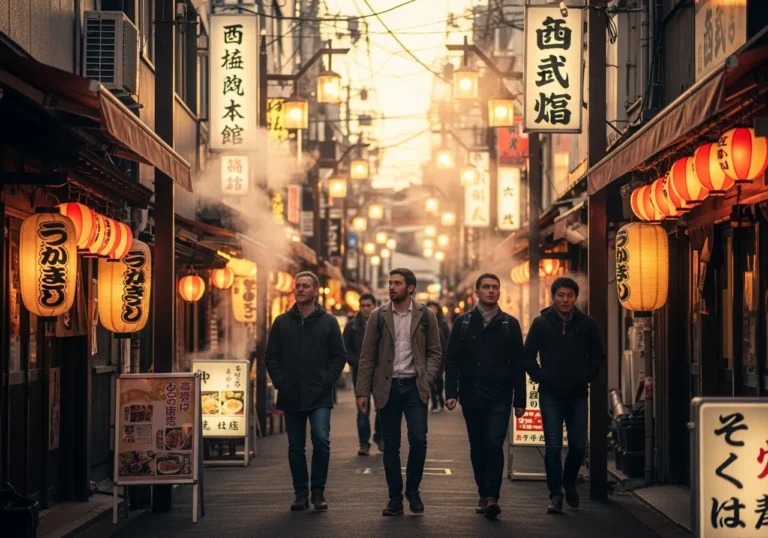
Horie has a split personality. By day it’s Osaka’s most design-conscious neighbourhood — vintage furniture shops, independent coffee bars, the kind of boutiques that don’t put prices on anything. By night it loosens up into izakayas and cocktail bars. What it doesn’t look like, at first glance, is a serious ramen destination. That’s exactly why it is one.
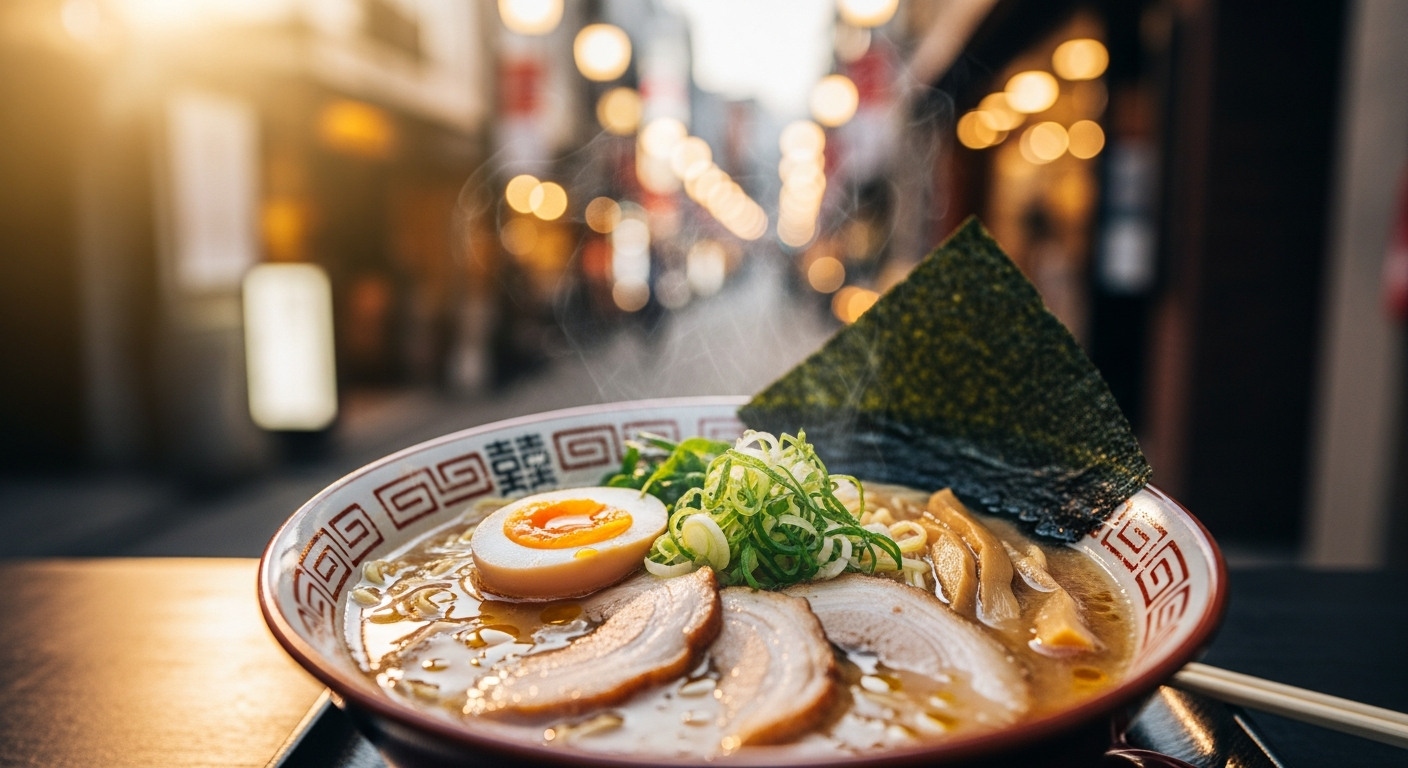
The ramen scene here doesn’t follow the Dotonbori playbook of neon signs and tourist queues. Shops are tucked into ground-floor units of residential buildings, behind frosted glass, or inside converted storefronts that could just as easily be selling ceramics. The clientele skews local — Horie residents, design-industry workers, the occasional couple who wandered over from Amerikamura. Standards are high because the competition is quiet but fierce.
You’ll find genuine range here: a morning-only shoyu shop that sells out before noon, a mapo-noodle specialist that draws a lunchtime queue, a late-night chicken paitan spot that’s open until midnight. Whether you’re after the best food in Osaka or just a reliable bowl after an afternoon of shopping, Horie delivers without the fanfare. This guide covers eight shops across the full day — from 8 a.m. to last orders — so you can plan around your schedule rather than rearrange your whole day for a single bowl.
1. Ramen KURUMU (ラーメン クルム)
- 📍 1-9-11 Kitahorie, Nishi-ku, Osaka
- 🕐 8:00–15:00 (until sold out) (as of May 2026)
- 💰 ¥1,100–¥1,400 (food only)
- 🚃 Yotsubashi Station (3 min walk)
- 🗺 Open in Google Maps
- 📋 Tabelog
What to order: Meat & Prawn Wonton Noodles — Black (¥1,100)
The owner trained at Yakumo in Tokyo, one of Japan’s most respected wonton-noodle houses, and it shows: the clear shoyu broth is clean and precise, the hand-folded wontons come two meat and two prawn per bowl, and the whole thing is done by 15:00 — often earlier. KURUMU opens at 8 a.m. and runs until the soup sells out, so this is your morning ramen. Arrive before 10:00 on weekends if you want a seat without waiting.
2. Menya Taku (麺や拓)
- 📍 3-5-2 Kitahorie, Nishi-ku, Osaka
- 🕐 11:00–15:00 / 18:00–21:30 (as of May 2026)
- 💰 ¥900–¥1,300 (food only)
- 🚃 Nishi-Ohashi Station (4 min walk)
- 🗺 Open in Google Maps
- 📋 Tabelog
- 🌐 Official site
What to order: W Ramen — Double (fish & pork) (¥1,100) / Niboshi Soba (¥1,000)
Menya Taku makes its noodles in-house every day, and the menu is built around a fish-and-pork double broth that’s rich without being heavy — the kind of bowl that earns regulars. Recent visitors in April 2025 were still rating it among their best picks in the area, and the niboshi soba (dried sardine broth) has developed its own following. Counter seating only; expect a short wait at peak lunch.
3. Mensho Shisei (麺匠至誠)
- 📍 1-11-14 Kitahorie, Nishi-ku, Osaka
- 🕐 11:30–15:00 / 18:00–21:00 (check Google Maps — hours vary) (as of May 2026)
- 💰 ¥900–¥1,400 (food only)
- 🚃 Yotsubashi Station (1 min walk)
- 🗺 Open in Google Maps
- 📋 Tabelog
What to order: Tokusei Shoyu (Special Soy Sauce Ramen) (¥1,200)
This shop was previously known as Ramen Jikon, a clam-soba destination that built a loyal following. It rebranded as Mensho Shisei in 2023 with a fully overhauled menu — the legacy clam soba is gone, replaced by a refined shoyu-forward lineup. Visitors in mid-2025 were still rating the special shoyu among the best in the area, with the shop filling up quickly after opening. One minute from Yotsubashi Station exit makes it the most convenient bowl on this list.
4. Mapo Men Majan Horie (麻婆麺専門店 マジン 堀江本店)
- 📍 1-15-8 Kitahorie, Nishi-ku, Osaka (Yamada Building 1F)
- 🕐 11:30–15:00 (until sold out, closed Sundays and public holidays) (as of May 2026)
- 💰 ¥900–¥1,200 (food only)
- 🚃 Yotsubashi Station (3 min walk)
- 🗺 Open in Google Maps
- 📋 Tabelog
What to order: Mapo Men (Mapo Tofu Noodles) (¥950)
Majan sits in a ground-floor unit on Kitahorie’s main drag, a three-minute walk from Yotsubashi, and runs a tight lunch-only operation — 11:30 until the pot runs dry. The concept is singular: mapo tofu, but served over ramen noodles. The Sichuan-inflected broth is numbing and fragrant, and the kitchen doesn’t water it down for the neighbourhood crowd. Regulars show up 15 minutes before opening to secure a spot. Skip it on Sundays — it’s closed.
5. Ramen Shion Horie (らーめん四恩 堀江店)
- 📍 1-20-14 Kitahorie, Nishi-ku, Osaka
- 🕐 11:00–15:00 / 18:00–22:00 (check Google Maps for latest) (as of May 2026)
- 💰 ¥900–¥1,300 (food only)
- 🚃 Yotsubashi Station (3 min walk)
- 🗺 Open in Google Maps
- 📋 Tabelog
What to order: Hiyashi Chuka (Cold Ramen, seasonal) (¥1,200) / Signature Shoyu (¥950)
Shion is the Horie outpost of a small Osaka group known for clean, ingredient-led broths and a willingness to run seasonal specials that actually change. The summer cold ramen draws repeat visitors who track how many times they can get through it before the season ends. The room is compact and the vibe is relaxed — this is the kind of place you linger over a second beer rather than rush through. Worth checking their social media before visiting, as the seasonal menu rotates.
6. Ippudo Horie (一風堂 堀江店)
- 📍 1-2-16 Kitahorie, Nishi-ku, Osaka (Okini Saita Saita Building 1F)
- 🕐 11:00–23:00 (check Google Maps for latest) (as of May 2026)
- 💰 ¥900–¥1,400 (food only) / ¥1,500–¥2,500 (with drinks)
- 🚃 Yotsubashi Station (3 min walk)
- 🗣 English menu: Yes
- 🗺 Open in Google Maps
- 📋 Tabelog
What to order: Shiromaru Classic (White Tonkotsu) (¥980) + Kaedama refill (¥150)
Yes, it’s a chain. But the Horie branch earns its place on this list for two reasons: it’s one of the few spots open through the afternoon and into the evening without a break, and the building it occupies — a retro Western-style structure on Yotsubashi-suji — gives it a character that most Ippudo branches lack. The tonkotsu is mild and consistent, the kaedama (extra noodle refill) is ¥150, and the staff are reliably friendly. If you’re travelling with someone who doesn’t want to queue or gamble on a new shop, this is your safe bet — and it’s a genuinely good one.
7. Menchu (麺人)
- 📍 1-6-14 Minamihorie, Nishi-ku, Osaka
- 🕐 11:30–15:00 / 18:00–22:00 (check Google Maps for latest) (as of May 2026)
- 💰 ¥850–¥1,200 (food only)
- 🚃 Yotsubashi Station (5 min walk)
- 🗺 Open in Google Maps
- 📋 Tabelog
What to order: Yuzu Ramen (¥950)
Menchu (pronounced “menchu,” not “menjin”) is the South Horie local that most visitors walk straight past. The kitchen slices fresh yuzu peel directly into the bowl before serving, so the citrus hits you the moment the ramen lands on the counter. The broth is light and clean — a deliberate counterpoint to the heavier double-broth shops nearby. If you’ve been eating rich tonkotsu all week, this is the reset bowl. The marinated soft-boiled egg is worth adding at ¥150.
8. Ganbare Hourai (がんばれホウライ)
- 📍 2-11-20 Minamihorie, Nishi-ku, Osaka
- 🕐 17:00–24:00 (as of May 2026)
- 💰 ¥800–¥1,200 (food only) / ¥1,500–¥2,500 (with drinks)
- 🚃 Sakuragawa Station (5 min walk north)
- 🗺 Open in Google Maps
- 📋 Tabelog
What to order: Shio Tori Paitan Ramen (Salt Chicken White Broth) (¥900)
Ganbare Hourai is a South Horie evening spot run by a gregarious owner who’ll talk you through the menu whether you ask or not. The chicken paitan is thick, collagen-rich, and garlicky — the kind of broth that coats the bowl. It opens at 17:00 and runs until midnight, making it the natural last stop after a night out in the neighbourhood. If you want to explore more of Horie after dark, this is where the evening ends well. The owner’s energy alone is worth the detour.
How to Order
Most ramen shops in Horie use a ticket vending machine (券売機) at the entrance. You buy your ticket before sitting down — look for the machine immediately inside or just outside the door. Payment is usually cash only, though some newer shops accept IC cards. Have ¥1,000–¥1,500 in coins and notes ready.
Noodle quantity is almost always free to adjust: small (小), medium (中), or large (大). If you’re not sure, medium is the standard portion. Hardness of noodles (麺の硬さ) is sometimes offered at tonkotsu shops — “kata” (firm) is the default preference for most regulars.
Toppings like extra chashu, soft-boiled egg (味玉, ajitama), and bamboo shoots (メンマ, menma) are add-ons, typically ¥100–¥200 each. At shops with counter seating, hand your ticket to the staff when you sit — don’t leave it on the counter and wait to be asked.
Soup sold out (スープ切れ) is a real risk at the morning and lunch-only shops. KURUMU and Majan both close early when the pot is empty. Arriving within the first hour of opening is the safest strategy. For evening spots like Ganbare Hourai, the MICHI Osaka travel guide recommends checking Google Maps for real-time hours before heading out, as solo-owner shops occasionally close without notice.
FAQ
Q: Is ramen in Horie expensive?
A: Most bowls run ¥900–¥1,250. Add ¥150–¥200 for a soft-boiled egg or extra chashu. Budget ¥1,200–¥1,500 per person including a drink and you’ll be comfortable at any shop on this list. Ippudo and Ganbare Hourai are the most wallet-friendly if you’re watching spend.
Q: Do ramen shops in Horie have English menus?
A: Ippudo has a full English menu. Most other shops on this list are Japanese-only, but the ticket machines often have photos, and pointing works fine. KURUMU and Majan have simple enough menus (two or three main options) that a quick Google Translate photo scan before you walk in is all you need.
Q: When is the best time to visit?
A: For morning ramen, KURUMU is best before 10:00 on weekdays — weekends fill up fast. Lunch spots like Majan and Mensho Shisei are busiest 12:00–13:30; arrive at opening or after 13:30 to avoid the worst of it. Evening spots like Ganbare Hourai are quietest on weeknights before 19:00. Menya Taku and Shion are the most consistent across the day.
Information is accurate as of May 2026. We recommend checking Google Maps for the latest hours and prices before visiting.