Last updated: June 26, 2026
Information changes — always confirm with the venue/source before relying on it.
Introduction
One of the most common worries among plant-based travelers heading to Osaka is cost. Japan has a reputation — not entirely deserved — for being expensive, and vegan food carries an extra stigma of being a “premium” niche. The reality on the ground is more encouraging. Osaka is one of the best cities in Japan for vegan food, with a wide range of vegan and vegetarian restaurants where every meal is consistently good and affordable. The challenge is knowing where to look and what to order — because the city’s street-food culture rewards the curious traveler who goes beyond the tourist strip.
This guide is for the budget-conscious plant-based visitor who wants to eat well in Osaka without spending more than 1,500 yen per meal. We cover the types of venues and meal formats that keep costs down, the hidden animal ingredients that can derail an otherwise cheap and cheerful order, what to grab from the convenience store when you’re between sights, and the apps and phrases that make the whole experience smoother. For a broader overview of the city’s plant-based dining landscape, start with our Osaka vegan guide before diving into the budget specifics below.
Why Osaka Is a Budget Vegan’s Best Friend
Osaka’s food identity is built on the concept of kuidaore — eating until you drop — and that ethos extends to price. It’s an in-joke in Japan that people in Osaka spend all their money on food, and restaurants here know that diners expect amazing dishes at competitive prices. That competitive pressure keeps lunch prices honest across the board, including at fully vegan spots.
High-end vegan meals in Osaka can start at 4,000 yen per person, but the average vegan meal will cost around 1,500 to 2,000 yen, depending on the restaurant. That average, however, is pulled upward by dinner menus and tasting courses. Lunch is where the real value lives. The Japanese teishoku (set meal) format — a main dish, rice, miso soup, and one or two sides — is the single most reliable way to eat a complete, filling plant-based meal for under 1,200 yen at a dedicated vegan restaurant.
Consider a few concrete reference points. At Green Earth, Osaka’s oldest fully vegan restaurant, the vegan karaage bowl (deep-fried soy rice meat bowl) costs 950 yen. The lunch set at Green Earth is 1,100 yen and the curry is 950 yen. At Rocca, a counter-style vegan teishoku restaurant in the Tanabe neighbourhood, the lunch set including tea is 1,300 yen. Rocca, which offers Japanese cuisine with organic rice and vegetables, is well-known for its all-vegan meals — some reviewers note that “a set meal is only 1,000 yen and comes with a bunch of different foods.” These are not outliers; they represent a consistent tier of fully vegan lunch dining that sits comfortably under the 1,500 yen ceiling.
🔗 Source: neverendingvoyage.com
The Teishoku Tier: Fully Vegan Set Meals Under 1,500 Yen
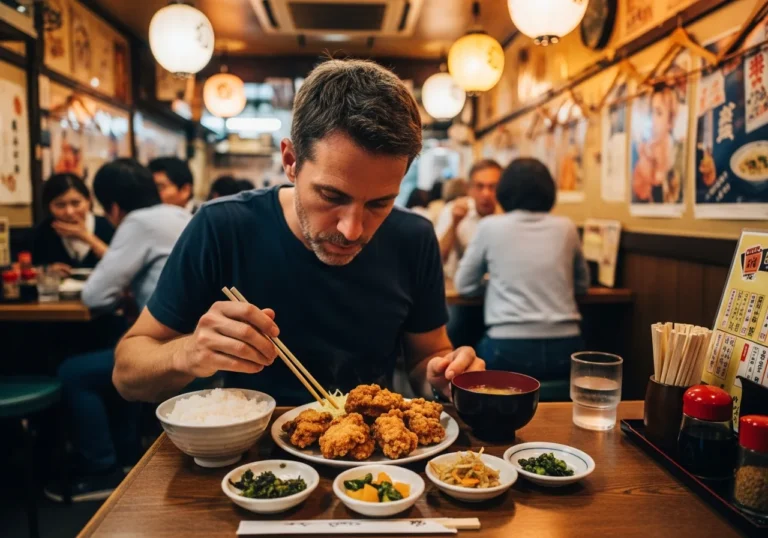
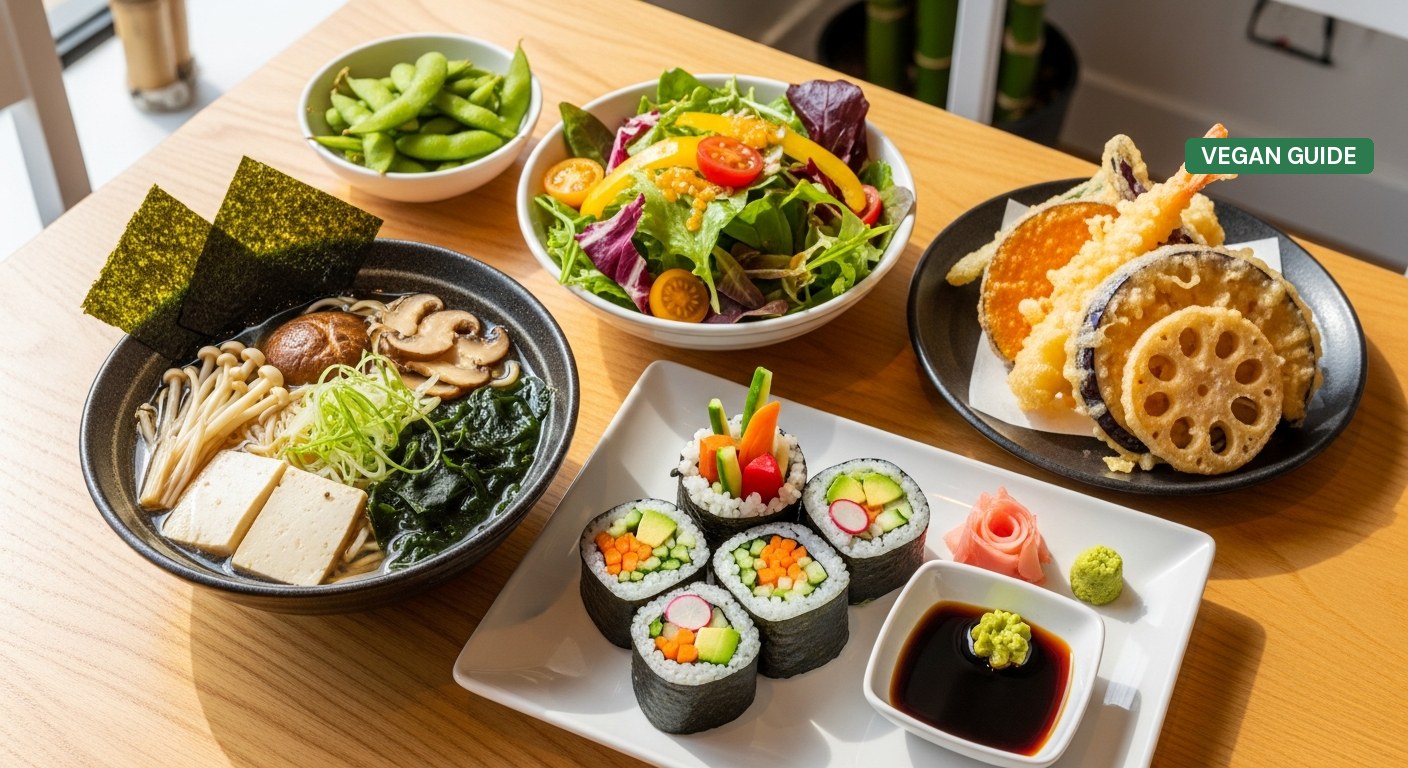
The teishoku set meal is the backbone of affordable vegan dining in Osaka. At dedicated vegan restaurants, the lunch teishoku typically arrives as a tray with a protein-forward main (often soy-meat karaage, tempeh teriyaki, or a vegetable curry), a bowl of rice, miso soup made with kombu or vegetable dashi, a small salad, and a pickled side. It is a complete meal by any nutritional measure, and it is almost always the cheapest item on the menu.
At Paprika Shokudo Vegan, the teishoku with karaage made from soy meat and the teishoku with vegan hambagu (Japanese hamburger steak) are the most popular menu items. The soy meat karaage bowl there is 1,145 yen. The lunch menu focuses on sets — choose a main and it comes with rice, miso soup, salad, and a side — with options including soy meat karaage and vegan hamburger.
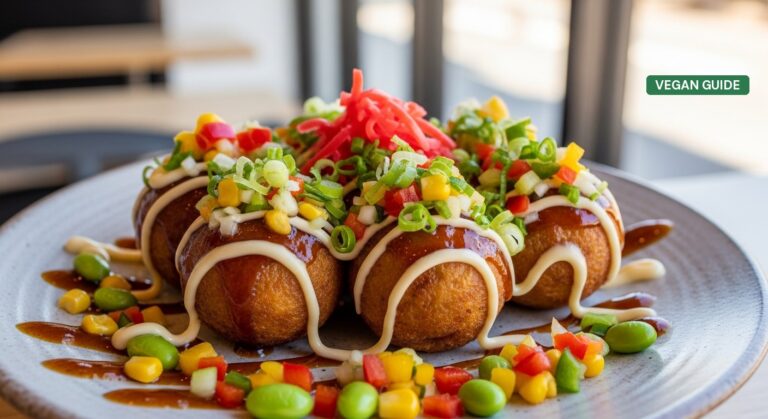
For Osaka’s iconic street foods in a sit-down format, OKO Takoyaki near Dotonbori is a fully vegan spot worth knowing. With takoyaki plates at 1,000 yen, it is a fun and affordable vegan option in the area. The small, colorful shop serves a veganized version of Osaka’s favourite takoyaki — traditionally filled with octopus — using okara (leftover soy pulp) batter and making them gluten-free. Each plate comes with a choice of sauces including classic takoyaki sauce and spicy sauce.
For Taiwanese-style vegan comfort food, Saijiki in Nishinari Ward offers lunch sets with generous portions. Lunch sets there start around 900 yen. A fried vegan chicken set meal with soup, tofu, and rice is 1,500 yen, but cheaper sets are available. Note that Saijiki uses a ticket machine at the entrance and is cash-only.
For a more traditional Japanese experience, ROCCA takes the traditional art of Japanese teishoku set meals and makes them vegan, with warming miso soup, crunchy pickled vegetables, fluffy rice, and a vegan curry with an unexpectedly nostalgic flavour. It is a little out of the way (nearest station: Tanabe on the Osaka Metro Tanimachi Line), but the price-to-quality ratio is exceptional.
To explore more of Osaka beyond the Dotonbori tourist corridor, these neighbourhood restaurants in Nishinari, Shinsaibashi, and Tanabe reward the traveler willing to ride the metro a few stops.
🔗 Source: itravelforveganfood.com
Hidden Animal Ingredients: What to Watch For
Eating cheaply as a vegan in Osaka is very achievable — but only if you understand the invisible ingredient that derails more plant-based meals in Japan than any other: dashi. Dashi is the quiet foundation of Japanese cooking — a delicate, umami-rich broth used in everything from miso soup and noodle dishes to simmered vegetables — but most traditional versions are not vegan. Traditional Japanese dashi is almost always a dual-component stock: while it begins with kombu (dried kelp), it is nearly always finished with katsuobushi (dried, fermented bonito flakes) or niboshi (dried baby sardines). Because dashi is clear and often used to season vegetables or tofu, a dish may appear perfectly plant-based while being saturated with fish protein.
This matters most in the following situations:
- Miso soup in non-vegan restaurants: Miso soup is frequently made with a katsuobushi or skipjack tuna dashi, though it can also be made using a mushroom or vegetable dashi without sacrificing flavour or umami. At dedicated vegan restaurants, the miso soup is safe; at general restaurants, always ask.
- Vegetable tempura: Japanese tempura batter often contains a beaten egg and is therefore not vegan, though tempura batter can also be made without egg without compromising flavour. The dipping sauce (tentsuyu) is also typically made with fish-based dashi.
- “Vegetarian” dishes at mainstream restaurants: Many restaurant staff are not aware that dashi disqualifies a meal from being vegan. In Japan, “vegetarian” often means “no visible meat,” which can still include fish sauce, bonito flakes, or pork-based stock.
- Convenience store onigiri: Several Lawson onigiri contain katsuo (skipjack tuna) even if it does not appear prominently on the ingredient list — including the natto roll, which also contains niboshi made from small dried fish. Always check the full ingredient panel.
- Japanese curry roux: Japanese curry is sometimes made with beef fat or meat stock in the roux, even when the visible ingredients look plant-based. At dedicated vegan restaurants this is not a concern, but at general curry chains, confirm before ordering.
The most effective phrase to use at a non-specialist restaurant is: “Sakana no dashi wa haitte imasu ka?” (Is there fish stock inside?). Simply saying “Niku wa dame desu” (Meat is no good) is not sufficient, as a chef may still serve fish dashi or seafood, since “meat” (niku) in a Japanese culinary context often refers specifically to beef, pork, or chicken.
🔗 Source: voyapon.com
Convenience Store Vegan Finds Under 500 Yen
When you are between sights, running early to catch a train, or simply want to keep a meal under 500 yen, Osaka’s convenience stores — konbini — are a genuine resource. Japan’s convenience stores are famously clean, efficient, and everywhere, and chains like 7-Eleven, FamilyMart, and Lawson carry a growing selection of plant-based items. The key is knowing which items are reliably safe and which look plant-based but are not.
Reliably plant-based picks:
- Salt onigiri (塩おにぎり): A plain rice ball found at all convenience stores is completely plant-based, containing white rice and salt, and is priced around 100 yen — among the most inexpensive options at a convenience store.
- Umeboshi (pickled plum) onigiri at 7-Eleven: The plum onigiri at 7-Eleven is currently vegan, though formulations change — always scan the ingredient label with Google Translate or Papago to confirm.
- Edamame packs: Ready-to-eat edamame packs are fully plant-based.
- Fruit cups and cut vegetables: Plain salads with sesame dressing and fruit cups are reliable and refreshing options.
- Seaweed snacks and plain rice crackers: Roasted nuts, dried fruit, seaweed sheets, and plain rice crackers are safe picks — but be careful with flavoured chips, which may contain fish powder or dairy.
- Steamed red bean buns (anman): Among the hot steamed Chinese buns near the cash register, the sweet red bean paste version is vegan.
- Microwaveable rice packs: Every store has packets of microwaveable rice — plain white or brown rice packs are plant-based and pair well with a packet of natto or a side salad.
Items that look safe but often are not:
- Kombu (seaweed) onigiri at Lawson — this kombu seaweed onigiri is seemingly vegan when you look at the ingredients, but it is not.
- Most flavoured instant noodles — most contain animal products, though occasionally you will find vegetable-based ones.
- Salad dressings — choose salads without egg or meat, and note that dressings usually contain dairy or egg, so it is best to skip them or replace with soy sauce.
A practical tip: when extracts and additives fall below a certain percentage, food companies in Japan are not required by law to include them on the label — meaning even if the label shows no animal products, there may be traces of fish broth, milk powder, or animal-based amino acids. Use a translation app on every label and, when in doubt, stick to whole-food items like plain rice, fruit, and edamame.
🔗 Source: matcha-jp.com
Budget Vegan Street Food and Market Finds
Osaka’s street food scene is one of the most exciting in Asia, and plant-based travelers can participate more than they might expect — provided they know which stalls and formats to target. The key is to seek out dedicated vegan street food vendors rather than trying to modify mainstream stalls, where hidden dashi and egg-based batters are the norm.
LUU’s BAO, a vegan food truck in Nishinari Ward, is one of the city’s best-value street food options. A plant-based meat tatsuta bao with garlic sweet sauce and fries set is 1,230 yen. Chocolate and strawberry donuts are 250 yen each — an excellent dessert add-on that keeps the total meal well under 1,500 yen. The truck operates lunch and dinner service (closed Mondays and Tuesdays), with limited outdoor seating.
For a sit-down street-food experience, Shinsekai, a fully vegan and gluten-free restaurant near Tsūtenkaku Tower, serves vegan versions of takoyaki, kushikatsu (Japanese deep-fried skewers), and rice and noodle bowls. The Tsūtenkaku area is one of Osaka’s most atmospheric old-town neighbourhoods and makes for a natural half-day itinerary combined with a budget vegan lunch — see the best food in Osaka for more neighbourhood eating ideas.
For a buffet-style option near the waterfront, Greens Vegetarian Dishes near Osaka Aquarium (Tempozan area) offers a plant-based buffet at a remarkable price point. The restaurant provides fantastic value at ¥1,100 per person for an all-you-can-eat experience, with options including bread, curry, tempura, soup, and salads. The restaurant no longer uses fish stock as of December 2022. Note that it is open Monday to Friday for lunch only, and you should tell staff you are vegan, as they will show you which items are vegan and which are not — some salad dishes and desserts may contain honey or dairy.
🔗 Source: happycow.net
Apps, Tools, and Certification Labels to Know
Navigating budget vegan eating in Osaka is significantly easier with the right digital tools. As with anywhere in Japan, you will struggle as a vegan in Osaka if you just wander into a random restaurant — the HappyCow website or app is the best resource for finding plant-based meals nearby. HappyCow lists fully vegan, vegan-friendly, and vegetarian venues with user reviews, price indicators, and English-language descriptions, making it the most reliable starting point for any meal search.
Beyond HappyCow, a few other tools are worth having on your phone:
- Google Translate (camera mode): Reading Japanese labels can be tricky — the laws do not require manufacturers to indicate everything if only a small amount is used, and not all packaging provides allergen information in a clear format. Checking the allergen section first, then going through the full ingredients list, is the recommended approach. Google Translate’s live camera mode handles most ingredient lists adequately.
- Papago: Papago is another translation app frequently used in Japan and handles Japanese food labels well, particularly for longer ingredient lists.
- Google Maps (photo reviews): Google Maps is often more up-to-date than any travel guide — searching “vegan [area name]” and looking at recent photo reviews of menus can surface “Vegan Option” labels that are not listed on official websites.
When shopping in supermarkets or convenience stores, look for official certification markers. MERCY Vegan Factory, for example, holds JAS 0026 (ISO23662) certification issued by Japan’s Ministry of Agriculture — the same JAS vegan standard is beginning to appear on packaged food products in larger supermarkets. Keep an eye out for “Vegan” or “Plant-Based” stickers in restaurant windows and on convenience store shelves — thanks to the work of local advocates, these labels are a growing development in Japan and a reliable indicator that the establishment truly understands the requirements of a plant-based diet.
Finally, the term プラントベース (puranto-beesu, plant-based) on a menu or product label is increasingly used by Japanese restaurants and food manufacturers to signal a dish designed without animal products from the ground up — more reliable in practice than the word “vegetarian” (bejitarian), which in Japan does not always exclude fish or dashi.
🔗 Source: happycow.net
Practical Tips for Vegan Travelers
- Target lunch, not dinner. The same fully vegan restaurants that charge 1,800–2,500 yen at dinner typically offer teishoku sets for 950–1,300 yen at lunch. Green Earth (Honmachi area, Osaka Metro Midosuji Line) and Rocca (Tanabe, Osaka Metro Tanimachi Line) are the two most consistent budget lunch options in the city.
- Use the salt onigiri as your emergency meal. A plain salt rice ball at any 7-Eleven, Lawson, or FamilyMart is completely plant-based and costs around 100 yen — pair two with an edamame pack and a fruit cup for a filling meal under 500 yen when you are between sights.
- Ask about dashi specifically. At non-specialist restaurants, use the phrase “Sakana no dashi wa haitte imasu ka?” (Is there fish stock inside?) rather than simply saying you are vegan. Many restaurant staff are not aware that dashi disqualifies a meal from being vegan.
- Download HappyCow before you land. HappyCow remains the gold standard for navigating Japan — in major cities like Osaka, it is indispensable for locating dedicated vegan restaurants or shops that explicitly understand and offer kombu-based dashi. Filter by “vegan only” and sort by distance from your current location.
- Head to Nishinari Ward for the best value. Several of Osaka’s most affordable fully vegan spots — including Saijiki (Taiwanese vegan, lunch sets from 900 yen) and LUU’s BAO (vegan food truck, sets from 1,230 yen) — are clustered in Nishinari, a neighbourhood that rewards the traveler willing to venture off the Dotonbori tourist circuit.
- Carry a printed vegan dining card. A card in Japanese stating “I do not eat meat, fish, seafood, eggs, dairy, or honey — including fish-based dashi stock” removes ambiguity at any restaurant. Free printable versions are available via the HappyCow community forums and several Japan vegan travel blogs.
Last updated: June 26, 2026 · Corrections: [email protected]