Last updated: July 3, 2026
This article reflects information available at the time of writing. Check Google Maps for the latest hours and availability.
Introduction
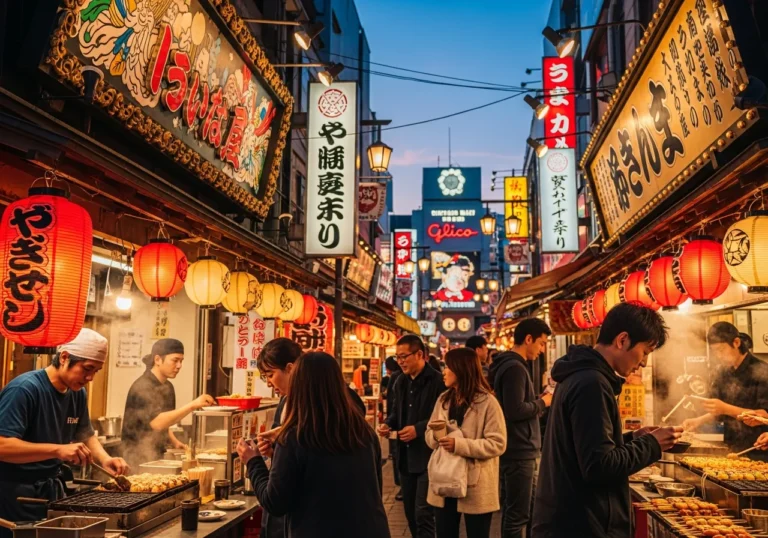
Most people visiting Osaka eat takoyaki in Dotonbori, surrounded by neon signs and tour groups. That’s fine. But if you want to eat the same thing for a third of the price, standing in a covered arcade next to a grandmother who’s been coming here every Tuesday for thirty years, you want Tenjinbashisuji (天神橋筋商店街).
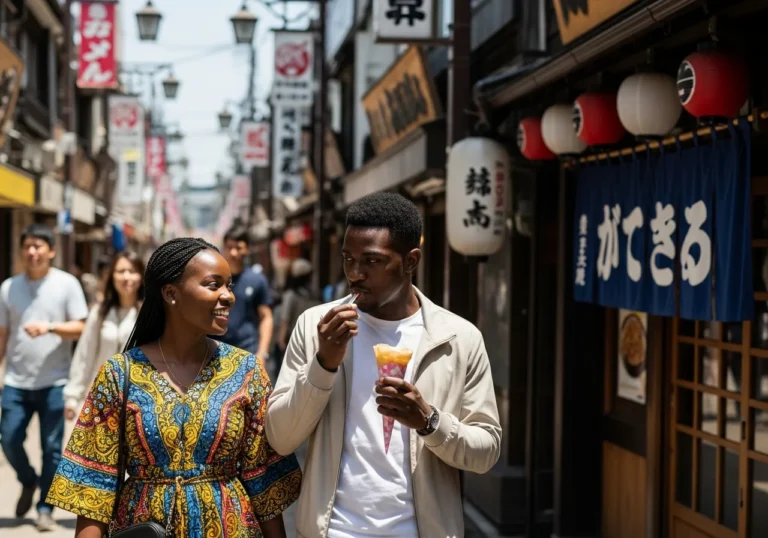
At 2.6 kilometres long, with approximately 800 shops, Tenjinbashisuji Shopping Street holds the title of Japan’s longest covered shopping arcade. It runs through the Tenma neighbourhood in Osaka’s Kita Ward, from the southern entrance near Osaka Tenmangu Shrine all the way north to Tenjinbashisuji 6-chome. Family-run sweet shops open late, bargain stores buzz by afternoon, and by evening the energy spills into nearby Ura-Tenma’s lantern-lit bars.
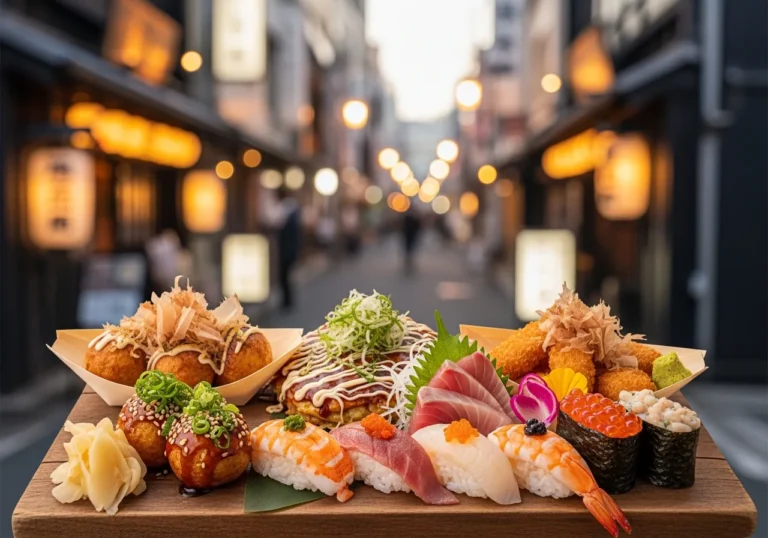
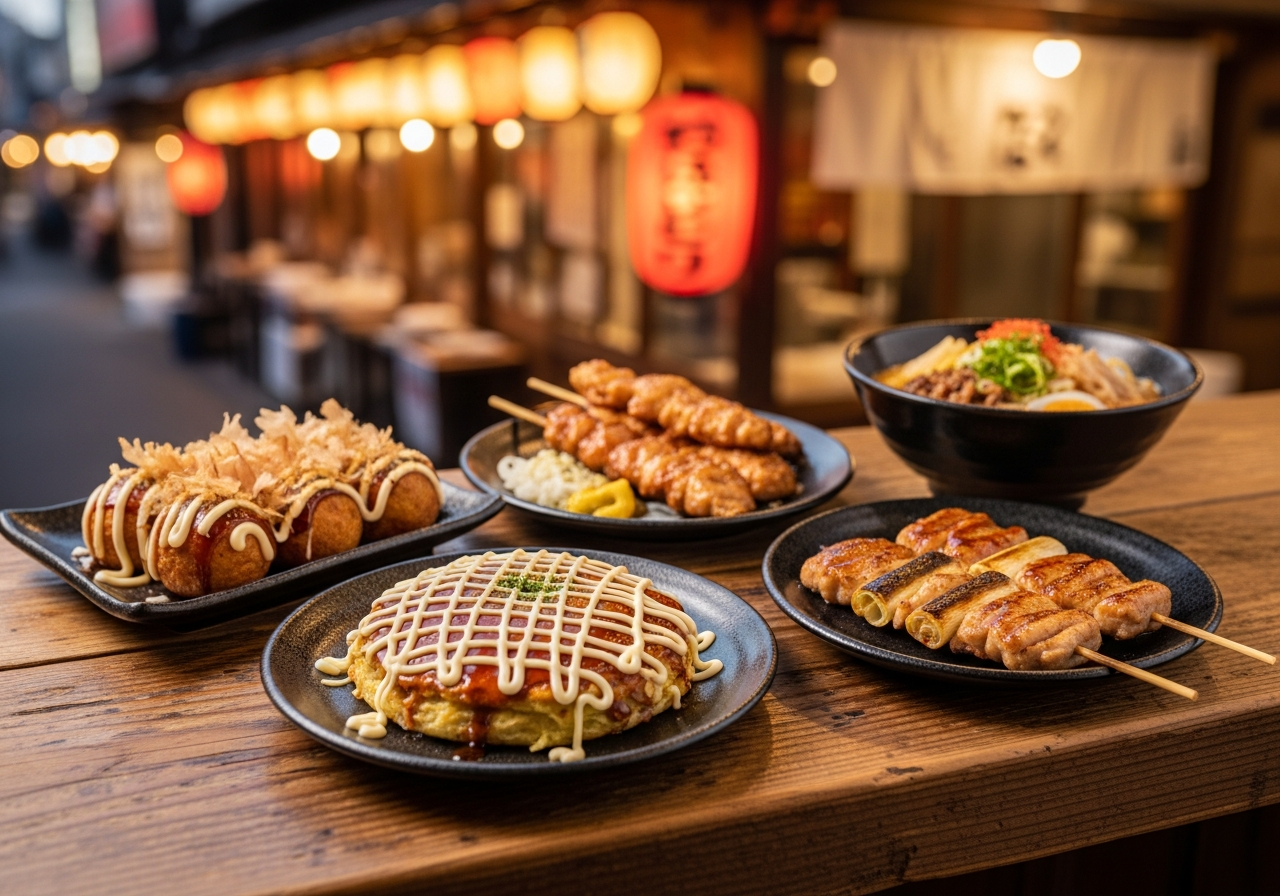
This guide covers eight specific stops — croquettes, takoyaki, kushikatsu, crepes, issenbi (one-yen pancakes), taiyaki, ohagi, and xiaolongbao — ordered roughly south to north so you can eat your way through the whole arcade in one walk. Budget ¥1,500–¥2,500 for the full route. Wear shoes you can walk in for 40 minutes. And don’t eat a big lunch first.
1. Tenjinbashi Nakamuraya (天神橋 中村屋)
- 📍 2-3-21 Tenjinbashi, Kita-ku, Osaka
- 🕐 Mon–Sat 9:00–18:30, closed Sundays and public holidays (as of May 2026)
- 💰 ¥100–¥200 per person (food only)
- 🚃 Minamimorimachi Station (1 min walk) / Osaka Tenmangu Station (1 min walk)
- 🗺 Open in Google Maps
- 📋 Tabelog
What to order: Croquette (¥100), Minchi-katsu (¥150)
Operating since 1955, this old-school arcade croquette shop fries its potato croquettes over high heat until they’re golden and crisp — reportedly selling 3,000 a day. The filling is just potato and onion, no frills, and the lard-fried crust gives it a depth that supermarket versions never manage. Start here — it’s right at the southern entrance and sets the tone for everything that follows.
2. Issennya Osaka Tenmangu (一銭屋 大阪天満宮店)
- 📍 2-4-10 Tenjinbashi, Kita-ku, Osaka
- 🕐 Hours vary; typically 11:00–18:00, closed Tuesdays (as of May 2026)
- 💰 ¥170–¥400 per person (food only)
- 🚃 Osaka Tenmangu Station (2 min walk)
- 🗺 Open in Google Maps
- 📋 Tabelog
What to order: Issenbi / one-yen pancake (¥170)
Issenbi is one of Osaka’s oldest street snacks — a thin wheat-flour pancake folded around egg, cabbage, and pickled ginger, finished with sweet sauce and mayonnaise. This stall-style shop near Osaka Tenmangu Shrine keeps the price and the format exactly as it’s always been. The batter is chewy, the cabbage sweet, and the whole thing costs less than a vending machine drink. Order one and eat it immediately — it doesn’t travel.
3. Naruto Taiyaki Honpo Tenjinbashi 3-chome (鳴門鯛焼本舗 天神橋3丁目店)
- 📍 3-8-18 Tenjinbashi, Kita-ku, Osaka
- 🕐 11:00–23:00, open daily (as of May 2026)
- 💰 ¥200–¥300 per person (food only)
- 🚃 Ogimachi Station (3 min walk) / Tenma Station (3 min walk)
- 🗺 Open in Google Maps
- 📋 Tabelog
What to order: Plain red bean taiyaki (¥200)
Taiyaki — the fish-shaped waffle filled with sweet red bean paste — is one of those things that sounds ordinary until you eat one fresh off the iron. Naruto Taiyaki Honpo uses a thin, crispy batter rather than the thick cakey style, which means you get more filling and more crunch per bite. The 3-chome branch is open until 11pm, making it one of the few sweet stops on the arcade that works as a late-night detour.
4. Takoyaki Doraku Wanaka Tenshi Store (たこ焼道楽 わなか 天四店)
- 📍 4-7-21 Tenjinbashi, Kita-ku, Osaka
- 🕐 11:00–21:00, closed Tuesdays (as of May 2026)
- 💰 ¥400–¥700 per person (food only)
- 🚃 Ogimachi Station (2 min walk) / Tenma Station (3 min walk)
- 🗺 Open in Google Maps
- 📋 Tabelog
What to order: Takosen — takoyaki in prawn cracker (¥350–¥400)
Wanaka’s takosen is the move here: takoyaki pressed into a house-made prawn cracker, dressed with sauce and mayo. The batter uses finely milled flour with dashi and salt, fired on copper plates over high heat for a thin, crispy exterior and a liquid centre. The chain has Michelin Bib Gourmand recognition, but this 4-chome branch keeps the format casual — order at the counter, eat standing outside. If you want to sit, there’s a small eat-in area inside.
5. Crepe Amanojaku (Crepeあまのじゃく)
- 📍 4-5-2 Tenjinbashi, Kita-ku, Osaka
- 🕐 11:30–18:30 (or until sold out), irregular closing days (as of May 2026)
- 💰 ¥500–¥800 per person (food only)
- 🚃 Ogimachi Station (3 min walk) / Tenma Station (3 min walk)
- 🗺 Open in Google Maps
- 📋 Tabelog
What to order: Ice Cream Brulee crepe — weekdays only, limited quantity (¥750)
The shop’s hook is a “3-minute expiry” — each crepe is made to order, one at a time, and the batter goes from crisp to soft within minutes of leaving the iron. The brulee version — caramelised custard with cold ice cream inside a shatteringly crisp shell — is the one worth queuing for, but it’s weekday-only and sells out early. The standard seasonal fruit crepes are available daily and still worth the stop. There’s a bench outside; use it.
6. Kushikatsu Shichifukujin (串かつ 七福神)
- 📍 5-7-29 Tenjinbashi, Kita-ku, Osaka
- 🕐 Approx. 11:00–22:00 (check Google Maps for current hours) (as of May 2026)
- 💰 ¥800–¥1,500 per person (food only) / ¥1,500–¥2,500 (with drinks)
- 🚃 Tenma Station (3 min walk)
- 🗺 Open in Google Maps
- 📋 Tabelog
What to order: Mixed kushikatsu set — meat, seafood, and vegetable skewers (from ¥100–¥200 per skewer)
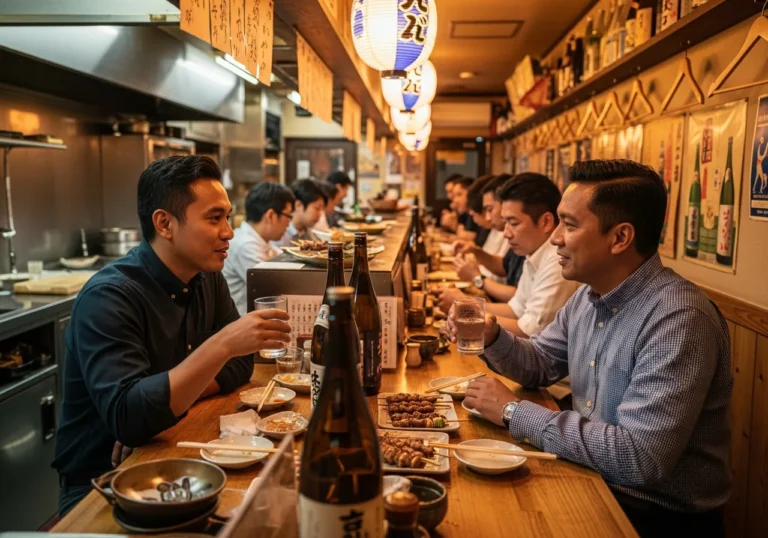
Shichifukujin is the kushikatsu stop that locals actually use — not the tourist-facing chains near Dotonbori. The counter is always busy with regulars and visitors alike; the adjacent Tengo branch has table seating if you’re in a group. The first beer is ¥100, which tells you everything you need to know about the pricing philosophy here. Skewers come out fast, the batter is light, and the communal dipping sauce pot means the no-double-dipping rule is very much in effect.
7. Umaiya (うまい屋)
- 📍 Tenjingo-Nakasaki-dori Shopping Street, Kita-ku, Osaka (off Tenjinbashi 5-chome, near Tenjinbashisuji 6-chome Station)
- 🕐 Approx. 11:30–19:00, closed Tuesdays; sells out early (as of May 2026)
- 💰 ¥540–¥900 per person (food only)
- 🚃 Tenjinbashisuji 6-chome Station (3 min walk) / Tenma Station (5 min walk)
- 🗺 Open in Google Maps
- 📋 Tabelog
What to order: Takoyaki, 8 pieces (¥540)
Umaiya uses a double-pour technique — adding batter partway through cooking — which is what gives the balls their unusually thick, doughy interior. The batter is infused with bonito dashi, and the shop’s own position is that you should try them plain first before adding sauce. Founded in the early 1950s, this is one of the oldest takoyaki shops in Japan, and the dining room — five tables, a TV mounted near the ceiling — looks like it hasn’t changed since. Note: Umaiya sits just off the main arcade on the Tenjingo-Nakasaki-dori side street, so it’s a 30-second detour worth taking.
8. Ohagi no Tanbaya Tenjinbashi (おはぎの丹波屋 天神橋筋店)
- 📍 Tenjinbashi 4-chome area, Kita-ku, Osaka (multiple locations along the arcade)
- 🕐 Approx. 10:00–20:00, open daily (as of May 2026)
- 💰 ¥150–¥300 per person (food only)
- 🚃 Ogimachi Station (2 min walk)
- 🗺 Open in Google Maps
- 📋 Tabelog
What to order: Ohagi — red bean or sesame (¥150–¥180 each)
Tanbaya is an ohagi specialist with 15 locations across Osaka, using large-grain Tokachi azuki beans from Hokkaido and domestic first-grade glutinous rice throughout. Ohagi — sticky rice balls coated in sweet bean paste or ground sesame — is the kind of snack that sounds heavy but isn’t, especially when you’re already walking. Buy one or two at the counter and eat them as you continue north. It’s the palate reset the route needs between the fried stuff and the kushikatsu.
How to Order
Most street food stops along Tenjinbashisuji are takeaway-only or have minimal seating. A few practical notes before you go:
- Point and gesture works fine. Almost none of these shops have English menus, but most have plastic food displays or picture boards outside. Pointing at what you want and holding up fingers for quantity gets you through every stop on this list.
- Cash is king. Several of the older stalls — Nakamuraya, Issennya, Umaiya — are cash-only. Bring ¥3,000 in small bills and you’ll be fine for the whole walk.
- Eat immediately. Crepe Amanojaku’s 3-minute expiry is a gimmick, but the underlying principle applies everywhere: takoyaki, croquettes, and issenbi all drop significantly in quality within 10 minutes. Don’t bag them up for later.
- Kushikatsu etiquette. At Shichifukujin, the communal sauce pot is shared. Dip once. Do not dip a half-eaten skewer back in. This is not optional.
- Sell-out risk is real. Umaiya and Crepe Amanojaku both close when stock runs out, which can be well before their listed closing time. Aim to hit them before 3pm.
- The arcade is covered, so rain is not a reason to skip this. It’s actually one of the better rainy-day food walks in Osaka.
FAQ
Q: Is street food in Tenjinbashisuji expensive?
A: No — it’s one of the cheapest eating walks in Osaka. Individual items range from ¥100 (croquette at Nakamuraya) to ¥750 (brulee crepe at Amanojaku). You can eat all eight stops on this list for under ¥2,500 if you’re disciplined about portions.
Q: Do shops along the arcade have English menus?
A: Mostly no. The street food stalls on this list rely on visual displays, plastic models, or simple picture boards. Pointing works. Google Translate’s camera mode is useful for any handwritten specials. Shichifukujin and Wanaka are the most tourist-accustomed and staff there are used to non-Japanese speakers.
Q: When is the best time to visit?
A: Weekday mornings from 11:00 are ideal — shops are freshly stocked, queues are short, and the arcade has a calm, neighbourhood rhythm. Weekends from early afternoon get significantly busier, especially around the 3-chome and 4-chome sections. During July, the Tenjin Matsuri festival centres around Tenmangu Shrine, creating exceptional crowds at the southern end. Avoid that window unless you enjoy eating croquettes while being gently compressed by a crowd.
Information is accurate as of May 2026. We recommend checking Google Maps for the latest hours and prices before visiting.