Last updated: July 3, 2026
This article reflects information available at the time of writing. Check Google Maps for the latest hours and availability.
Introduction
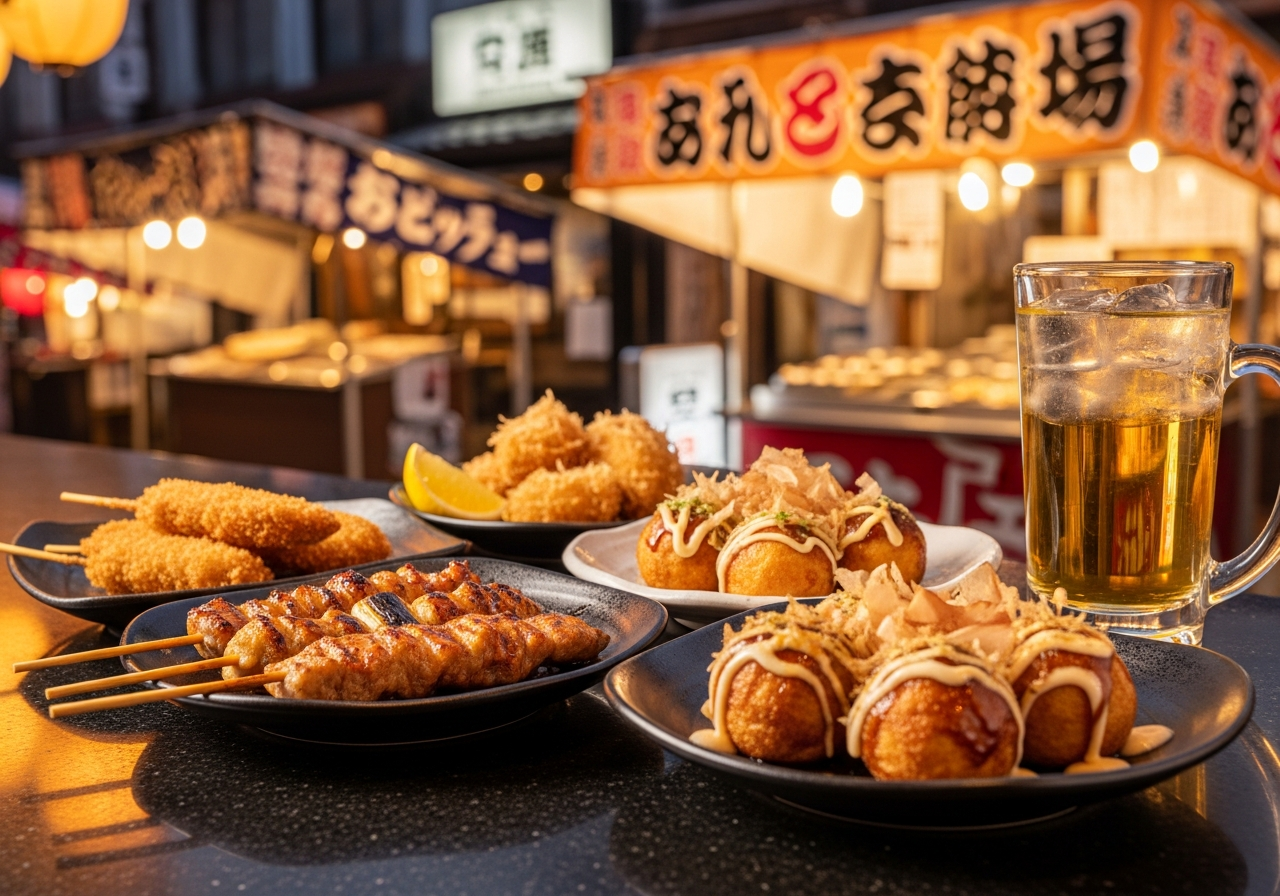
Tenma is where Osaka’s drinking culture stops performing and starts being itself. Just north of the city centre, the neighbourhood sits beside Tenjinbashi-suji Shotengai — Japan’s longest covered shopping arcade — and mixes traditional, veteran tachinomi with a younger, trendier crowd and creative modern standing bars. On any given weekday evening, the lanes behind the JR tracks fill up fast: office workers, market traders, students, and the occasional bewildered tourist all shoulder-to-shoulder at narrow counters, glasses in hand.
You might encounter a bar focusing on Italian fare, craft beer, or fine sake right beside a place that hasn’t altered its menu in fifty years. That range is the whole point. A single night of hashigo-zake — bar-hopping, literally “ladder drinking” — can take you from a ¥290 highball and a plate of oden at a Showa-era institution to a glass of natural wine and a plate of seared mackerel sushi at a counter that opened last year.
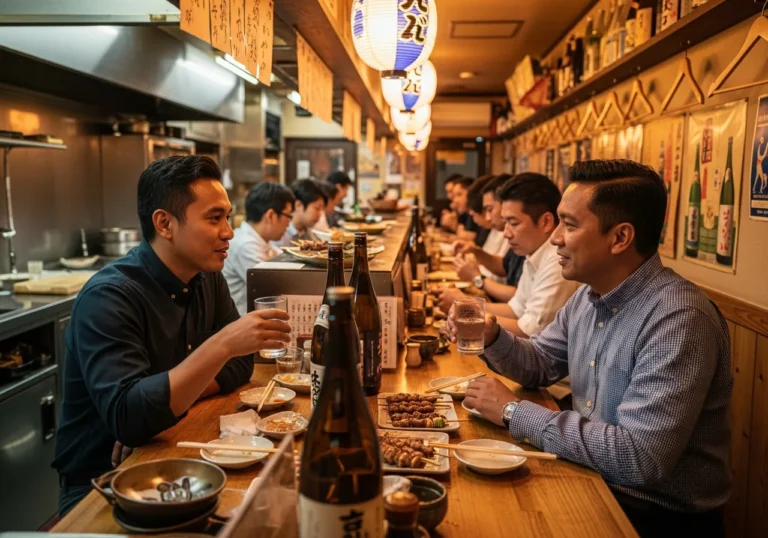
The most common establishment in Tenma is the tachinomi, or standing bar. These spots often consist of little more than a narrow counter, fitting about eight to ten people standing shoulder-to-shoulder. No reservations, no dress code, no fuss. Order a drink, order a small plate, pay as you go, and move on when you’re ready. This guide covers eight of the best — from the legendary old-timers to the spots that have quietly become essential in the last few years.
1. Sake no Okuda (酒の奥田)
- 📍 4-12-22 Tenjinbashi, Kita-ku, Osaka
- 🕐 10:00–13:00, 15:00–21:00 (as of May 2026)
- 💰 ¥800–¥1,500 per person (food only) / ¥1,000–¥2,000 (with drinks)
- 🚃 JR Tenma Station (2 min walk)
- 🗺 Open in Google Maps
- 📋 Tabelog
What to order: Oden (¥110–¥300 per piece), kushiage skewers (¥200–¥280)
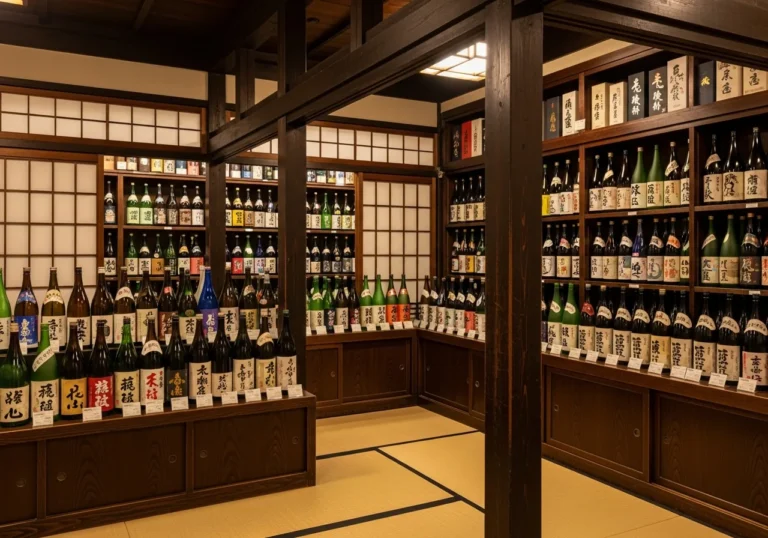
Sake no Okuda delivers the authentic experience with your usual Asahi or Kirin beers for sale and bar foods ranging from ¥50 to ¥300. The oden and sashimi are some of the favourites on the menu, and the place is conveniently located about two minutes from Tenma station. This is the one that regulars call the soul of the street — open from 10am, which tells you everything you need to know about the clientele and the culture. Drinks are priced at ¥290 for a highball, ¥390 for a draft beer, and ¥290 for wine — numbers that haven’t moved much in years, and that’s exactly the appeal. Get there early; the daily sashimi sells out.
2. Daiyas (大安)
- 📍 4-11-2 Tenjinbashi, Kita-ku, Osaka
- 🕐 Mon–Sat 16:00–23:00; closed Sun & public holidays (as of May 2026)
- 💰 ¥1,000–¥2,000 per person (food only) / ¥1,500–¥2,500 (with drinks)
- 🚃 JR Tenma Station (1 min walk)
- 🗺 Open in Google Maps
- 📋 Tabelog
What to order: Assorted sashimi platter (¥600–¥900), ankimo ponzu (monkfish liver, ¥500)
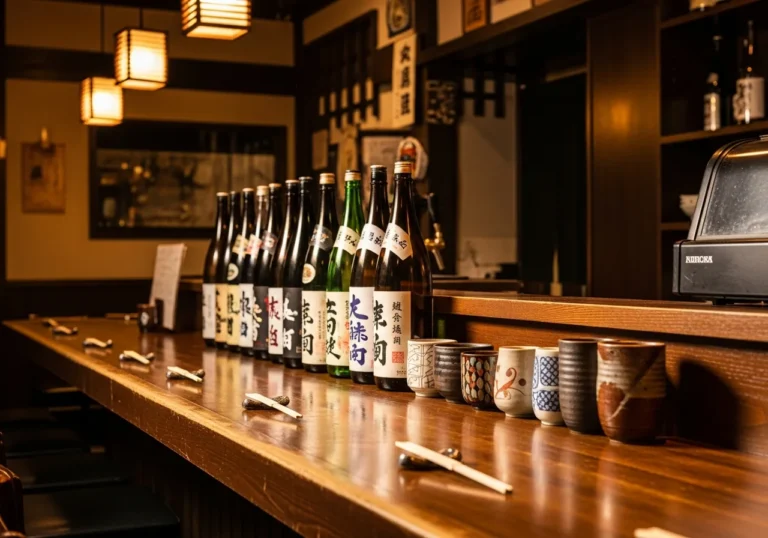
Daiyas is right by JR Tenma Station and is known for seafood that’s fresh and reasonably priced — the sashimi quality is a cut above what you’d expect from a standing bar. The mackerel pressed sushi is also a big seller, and regulars often take it home as a takeaway. The counter is tight and the room fills up by 6pm, but the turnover is quick. Come for the fish, stay for the nihonshu selection — the owner keeps a short but well-chosen list of local sake.
3. Sakana Ya (肴や)
- 📍 4-11-20 Tenjinbashi, Kita-ku, Osaka
- 🕐 15:00–22:30 LO (Sat, Sun & holidays until 21:30 LO); no regular closing day (as of May 2026)
- 💰 ¥1,000–¥2,000 per person (food only) / ¥1,500–¥2,500 (with drinks)
- 🚃 JR Tenma Station (3 min walk)
- 🗺 Open in Google Maps
- 📋 Tabelog
What to order: Chilled chawanmushi with dashi (¥300), aji no kizushi nigiri (¥220), Guinness (small, ¥550)
The owner previously worked at a fishmonger, and the menu runs from quality sashimi and dashi-rich chawanmushi to Spanish-inflected small plates. The drinks list covers black draft beer, wine, sherry, and barrel sake. The wooden shopfront — designed to evoke the inside of a boat, complete with porthole windows — is one of the most distinctive facades on the street. It’s been here long enough to have regulars who’ve been coming since before the neighbourhood got fashionable, and it’s open every day of the year.
4. Shintamon Sakakura (立呑処 新多聞酒蔵)
- 📍 4-12-3 Tenjinbashi, Kita-ku, Osaka
- 🕐 Mon, Wed–Sat 13:00–21:30; closed Tue, Sun & public holidays (as of May 2026)
- 💰 ¥1,000–¥2,000 per person (food only) / ¥1,500–¥2,500 (with drinks)
- 🚃 JR Tenma Station (1 min walk)
- 🗺 Open in Google Maps
- 📋 Tabelog
What to order: Malay curry with roti (¥550–¥650), stir-fried water spinach (¥400), Vietnamese spring roll (¥400)
Inside is an L-shaped counter with standing room for about 20 people. The bar took over a pre-existing Japanese standing bar that had been operating for over 30 years, and since 2017 has run as a Malaysian standing bar. In the words of the Malaysian chef Han-chan: “I don’t prepare my food for Japanese tastes. If I do that, it becomes Japanese food.” That commitment shows. The Malay curry is the real thing — rich, spiced, nothing like the Japanese curry you’ll find everywhere else. On the second Friday and Saturday of each month, Malaysian bak kut teh also appears on the menu. Thirty seconds from the station exit; you’ll smell it before you see it.
5. Beer Belly Tenma (ビアベリー天満)
- 📍 7-4 Ikeda-cho, Kita-ku, Osaka (inside Tenma Ichiba market)
- 🕐 Mon–Sun 15:00–24:00 (as of May 2026)
- 💰 ¥1,500–¥2,500 per person (food only) / ¥2,000–¥3,500 (with drinks)
- 🚃 JR Tenma Station (3 min walk)
- 🗺 Open in Google Maps
- 📋 Tabelog
- 🌐 Official site
What to order: Minoh W-IPA (¥900), Minoh Stout (¥850), seasonal limited tap (price varies)
Beer Belly Tenma is a must-go if you’re drinking in the Tenma area. It often has over seven Minoh beers on tap, serves food, and is a great place to grab a drink if you’re looking for somewhere slightly larger than your average izakaya. It’s the direct-run taproom of Minoh Beer, and the beers arrive fresh from the brewery. The standing format keeps things moving, but the space is generous enough that you won’t feel like a sardine. Good stop for a mid-crawl reset — the food is solid, the pours are honest, and the staff actually know what’s on tap.
6. Tokuichi Ogimachi (得一 扇町店)
- 📍 3-21 Suehiro-cho, Kita-ku, Osaka
- 🕐 15:00–23:00; no regular closing day (as of May 2026)
- 💰 ¥800–¥1,500 per person (food only) / ¥1,000–¥2,000 (with drinks)
- 🚃 Ogimachi Station (3 min walk) / JR Tenma Station (7 min walk)
- 🗺 Open in Google Maps
- 📋 Tabelog
What to order: Highball (¥190), sashimi of the day (¥200–¥300), horumonyaki (¥300)
Tokuichi is a standing-bar chain with nine locations across Osaka, and the Ogimachi branch is the biggest and most popular — capacity around 50, which means you can actually get in on a Friday. If you’re looking for great seafood at an excellent value around Tenma, this place is a must. The ¥190 highball is the headline number, but the daily fish menu is the real draw — the kitchen buys well and prices accordingly. Two people can eat and drink properly for under ¥3,500 combined. It’s a chain, but it doesn’t feel like one.
7. Tachinomi Dokoro Uo Sho (立呑処 魚匠)
- 📍 5-7-12 Tenjinbashi, Kita-ku, Osaka (Tengo Kyoei Building 1F)
- 🕐 16:00–24:00; closed Sun (as of May 2026)
- 💰 ¥1,500–¥2,500 per person (food only) / ¥2,000–¥3,000 (with drinks)
- 🚃 JR Tenma Station (5 min walk)
- 🗺 Open in Google Maps
- 📋 Tabelog
What to order: Sashimi platter (¥600–¥900), beef tongue shabu-shabu (seasonal, ¥700–¥900)
Nestled in an alleyway in Tenma, Tachinomi Dokoro Uo Sho stands out as a beloved spot for regulars. Located along the Tenjinbashi-suji, between Tenma and Tenroku, it has been selected as one of the top 100 standing bars in the Tabelog rankings — a distinction that’s earned, not bought. The menu leans heavily on seafood but the kitchen handles meat well too; the beef tongue shabu-shabu, when it’s on, is worth planning around. A must-visit standing bar recognised as one of the top 100 — you can enjoy both meat and fish here.
8. Gofuku Shokudo (五福食堂)
- 📍 4-6-19 Tenjinbashi, Kita-ku, Osaka (Sunplaza Inoue Building 1F)
- 🕐 16:00–23:30 (LO 23:00) (as of May 2026)
- 💰 ¥1,000–¥2,000 per person (food only) / ¥1,500–¥2,500 (with drinks)
- 🚃 JR Tenma Station (4 min walk)
- 🗺 Open in Google Maps
- 📋 Tabelog
What to order: Dashimaki tamago (¥400–¥500), daily small plates (¥200–¥500)
The restaurant mainly serves Japanese food with alcoholic beverages, but it’s developing a modern business style aimed at younger drinkers. The mash-up of retro Japanese food with a clean, contemporary look is very approachable, and its popularity is steadily growing. The dashimaki tamago, in particular, is made with a generous amount of eggs for a fluffy texture — it’s a dish that’s a pleasure to look at and taste. The kind of place that feels like it’s been here forever even though it hasn’t — which, in Tenma, is the highest compliment you can pay.
How to Order
Most Tenma tachinomi operate on a pay-as-you-go or pay-at-the-end system — ask when you arrive if you’re unsure. At some tachinomi, you pay upfront by placing cash in a small tray, while at most others the bill is totalled and paid at the end. Either way, keep small bills handy. Card acceptance is improving but far from universal; assume cash-only unless you see a card reader at the counter.
Menus are usually handwritten on paper strips or wooden boards on the wall. If you can’t read them, pointing at what the person next to you is eating works perfectly well. A smile, pointing at the menu or someone else’s plate, and a simple “Kore o kudasai” (“This one, please”) will go a long way. Bar owners and staff are experts in non-verbal communication.
The unwritten rule of a successful hashigo is straightforward: have one drink, enjoy one or two small dishes, then move on. This method lets you sample the incredible variety the area offers without becoming overly full or intoxicated too quickly. Aim for two to three stops in an evening rather than trying to hit everything at once. The neighbourhood rewards repeat visits far more than a single marathon session.
Smoking is still common in older establishments — if that’s a concern, Beer Belly Tenma, Sake no Okuda, and Uo Sho are all non-smoking. Most spots open between 15:00 and 16:00; the prime window is 17:00–20:00 on weekdays when the after-work crowd is in full swing.
FAQ
Q: Is tachinomi in Tenma expensive?
A: It’s one of the most affordable drinking districts in Osaka. Bar foods range from ¥50 to ¥300 at the most traditional spots. At places like Tokuichi, a highball is ¥190. Budget ¥1,500–¥2,500 per person per stop if you’re eating and drinking properly; a full evening of three or four stops rarely exceeds ¥5,000–¥6,000 per person.
Q: Do Tenma standing bars have English menus?
A: Rarely. Beer Belly Tenma has English signage and staff comfortable with English-speaking customers. At the traditional tachinomi, menus are in Japanese only — but the format is simple enough that pointing, gesturing, and a few key words (sashimi, yakitori, oden, highball) will get you through the evening without issue. Some knowledge of Japanese can enhance your experience, but it’s not essential. The language of good food and drink is universal.
Q: When is the best time to visit?
A: The best time depends on the atmosphere you prefer. For the classic, bustling after-work vibe, aim for a Tuesday, Wednesday, or Thursday evening. Weekends tend to be livelier and more crowded, with a younger, festive crowd. Note that many smaller, family-run places close on Mondays, making it the quietest night of the week. If you want to guarantee a spot at the most popular counters, arriving before 18:00 on a weekday is your best bet.
Information is accurate as of May 2026. We recommend checking Google Maps for the latest hours and prices before visiting.