Last updated: July 3, 2026
This article reflects information available at the time of writing. Check Google Maps for the latest hours and availability.
Introduction
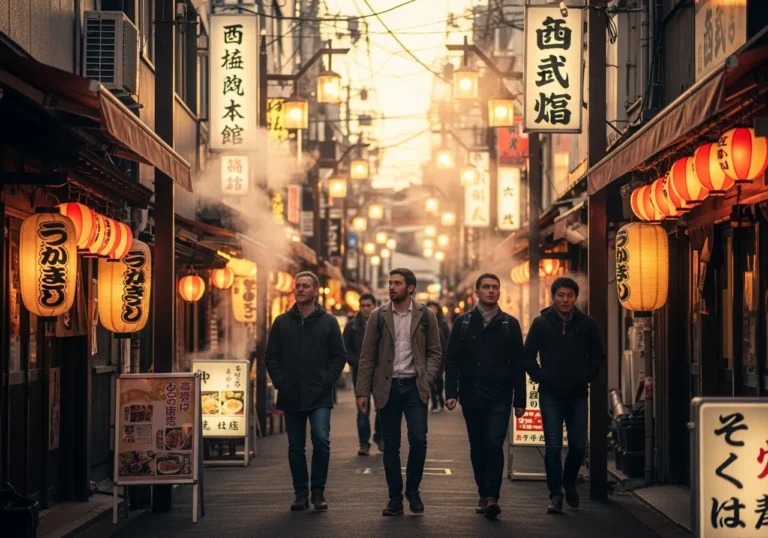
Tenma doesn’t get the tourist traffic of Dotonbori or the Instagram buzz of Namba, and that’s precisely why its ramen scene is so good. The neighbourhood running north from JR Tenma Station along Tenjinbashisuji — Japan’s longest covered shopping street — has quietly become one of the most competitive ramen corridors in the Kansai region. Serious cooks set up here because the rents are lower, the regulars are loyal, and the bar is high.
What you’ll find in Tenma is range. There are Tabelog Hyakumeiten (Top 100) winners who have been refining the same bowl for over two decades. There are lunch-only obsessives who close the shutters the moment the broth runs out. There are late-night stools for post-izakaya ramen at midnight. And there are newer shops pushing duck dashi, spicy fish broths, and single-menu daily specials that keep regulars guessing.
This guide covers ten shops across that full spectrum — from the Hyakumeiten institutions to the under-the-radar spots that locals actually queue for on a Tuesday. All are within walking distance of Tenma Station or Tenjimbashisuji Rokuchome Station. Bring cash to most of them, arrive before the lunch rush, and plan to eat more than one bowl.
1. Raku Nijin (洛二神)
- 📍 4-22 Naniwa-cho, Kita-ku, Osaka (Fuji Building 1F)
- 🕐 Mon–Sat: 11:30–14:30, 18:00–22:00; closed Sunday (as of May 2026)
- 💰 ¥800–¥1,200 (food only)
- 🚃 Tenjimbashisuji Rokuchome Station (3 min walk) / Tenma Station (5 min walk)
- 🗺 Open in Google Maps
- 📋 Tabelog
What to order: Niboshi Soba (¥800) / Cho-Niboshi Soba (¥950)
Founded in 2001, Raku Nijin is one of the earliest shops in Osaka to build its identity around niboshi — dried sardine — as the primary flavour driver, long before the style became fashionable. It has held a spot on the Tabelog Ramen OSAKA Hyakumeiten list through 2024 and 2025, and the queue at noon on a weekday tells you everything. The broth is assertive but never harsh — sardine up front, chicken underneath, thin wavy noodles that carry every drop. The chazuke-rice side for ¥100 is non-negotiable.
2. Men Genso (麺元素)
- 📍 5-2-16 Tenjinbashi, Kita-ku, Osaka
- 🕐 Lunch and dinner sessions; check Google Maps for current hours (as of May 2026)
- 💰 ¥900–¥1,300 (food only)
- 🚃 Tenma Station (5 min walk)
- 🗺 Open in Google Maps
- 📋 Tabelog
What to order: Naka-Naka chicken paitan ramen (¥1,000)
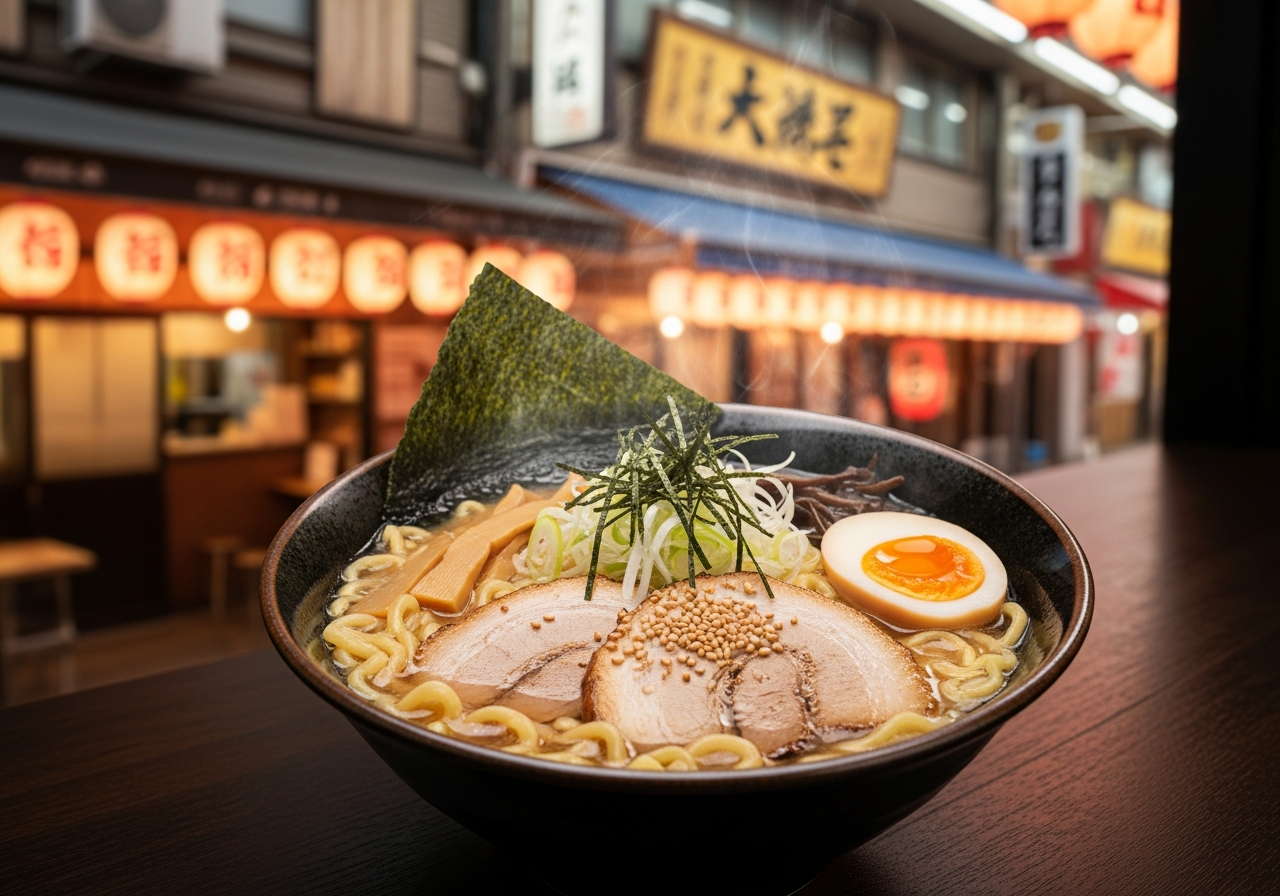
Men Genso was selected for the Tabelog Ramen OSAKA Hyakumeiten four years running, from 2020 to 2023. The signature “Naka-Naka” is a chicken paitan — thick, white, and glossy — with a whisper of seafood underneath and an oil film that keeps the bowl steaming hot to the last spoonful. No MSG, all stock. The shop draws a mix of ramen nerds and office workers who’ve made it a weekly habit, and the tsukemen is worth ordering if you’re visiting a second time.
3. Strike Ken Osaka Tenma Sohonten (ストライク軒 大阪天満総本店)
- 📍 Tenma, Kita-ku, Osaka (relocated June 2025 — confirm exact address via Google Maps or Tabelog before visiting)
- 🕐 All-day continuous service; check Google Maps for current hours (as of May 2026)
- 💰 ¥900–¥1,600 (food only)
- 🚃 Tenjimbashisuji Rokuchome Station (2 min walk)
- 🗺 Open in Google Maps
- 📋 Tabelog
What to order: Straight (chuka soba, ¥950) / Straight MVP (¥1,550)
A seven-time Tabelog Hyakumeiten winner, Strike Ken relocated within Tenma in June 2025 — the old Tabelog page (27074457) is now marked as moved, so use the new listing above. The shop has been a landmark of the Tenma ramen scene for over 20 years, and the move kept the menu intact: the “Straight” is a clean, old-school chuka soba built on Yamato chicken stock with niboshi and true kombu, served with shoulder-cut chashu and Tokyo-sourced medium-thin noodles. All-day continuous service makes it the most convenient option in the area if you miss the lunch window.
4. Gunjou (群青)
- 📍 6-3-26 Tenjinbashi, Kita-ku, Osaka (Renga Street)
- 🕐 Lunch only; closes when broth runs out — typically done by 13:30. Closed Sunday and holidays (as of May 2026)
- 💰 ¥1,000–¥1,300 (food only)
- 🚃 Tenjimbashisuji Rokuchome Station (1 min walk)
- 🗺 Open in Google Maps
- 📋 Tabelog
What to order: Gyokai Tonkotsu Ramen (¥1,100)
This tiny 7-seater on Renga Street serves a highly-rated gyokai tonkotsu — a fish and pork bone broth that is simultaneously rich and precise. The chef is obsessive about his ramen, opens for only a couple of hours at lunchtime, and will close without warning if the soup isn’t up to standard. The shop is down a narrow lane off Tenjinbashisuji — look for the red-and-white sign that reads “Renga Street” and reddish-brown tiles. Get there before 11:30 or accept that you may be eating somewhere else.
5. Kamo Fuji (鴨ふじ)
- 📍 3-11-9 Tenjinbashi, Kita-ku, Osaka (Tenjinbashi Building 1F East)
- 🕐 Lunch: 11:30–14:30; Dinner: 18:00–22:00. Closed Sunday (as of May 2026)
- 💰 ¥1,200–¥1,800 (food only)
- 🚃 Tenma Station (4 min walk)
- 🗺 Open in Google Maps
📋 Tabelog
What to order: Kamo Tsukemen — duck dipping noodles (¥1,400)
Kamo Fuji is a rare duck ramen specialist in the Tenma area. The duck retains its robust, meaty character without excess fat — a lighter, cleaner bowl than you’d expect from the description. The duck tsukemen is the draw, and the house-made onigiri on the side is worth adding. Run by a husband-and-wife team, the counter is small and the pace is unhurried. Seasonal specials — tororo duck tsukemen, Tsubame-Sanjo-style ramen — rotate through the menu and keep regulars coming back.
6. Menya Tenshiro (麺や天四郎)
- 📍 4-10-8 Tenjinbashi, Kita-ku, Osaka
- 🕐 Continuous service daily; closed Sunday (as of May 2026)
- 💰 ¥850–¥1,200 (food only)
- 🚃 Tenma Station (2 min walk)
- 🗺 Open in Google Maps
- 📋 Tabelog
What to order: Ramen — pork-chicken-seafood blend (¥850)
Menya Tenshiro is a three-minute walk from JR Tenma Station, built around a pork bone, chicken, and seafood blended broth with no MSG — a bowl that hits hard without feeling heavy. Two minutes from the station exit makes it the most convenient option on this list for anyone arriving by JR. The tsukemen is the other reason to visit: thick noodles, concentrated dipping broth, and a portion size that means you won’t need dinner.
7. Musou Ramen (無双ラーメン)
- 📍 Near Tenma Station, Kita-ku, Osaka (confirm via Google Maps)
- 🕐 Lunch and late-night hours; check Google Maps for current hours (as of May 2026)
- 💰 ¥700–¥1,000 (food only)
- 🚃 Tenma Station (1 min walk)
- 🗺 Open in Google Maps
- 📋 Tabelog
What to order: Blend Shoyu Ramen (¥750)
Musou Ramen sits one minute from Tenma Station and runs three shoyu variants: blend, seafood, and charred soy. The blend shoyu — chicken stock base, Kujo spring onions, seasoned egg — is the one to start with. It’s the kind of bowl that doesn’t demand your full attention but rewards it: clean, savoury, and gone faster than you planned. Late-night hours make it a reliable last stop after the izakayas on Tenjinbashisuji close.
8. Inoshou Tenma (猪将 天満)
- 📍 Tenma, Kita-ku, Osaka (confirm exact address via Tabelog or Google Maps)
- 🕐 Check Google Maps for current hours (as of May 2026)
- 💰 ¥900–¥1,400 (food only)
- 🚃 Tenma Station (5 min walk)
- 🗺 Open in Google Maps
- 📋 Tabelog
What to order: Spicy Fish Ramen — Karikari Uo Ramen (¥1,000)
Inoshou Tenma is the first Kansai outpost of the “Karikari Uo Ramen” concept — a spicy fish ramen that combines tonkotsu and seafood broth with a serious chilli kick. The interior is all black walls and wooden counter, brightly lit and open — easy to walk into alone. The tsukemen version runs the same broth thick and concentrated as a dipping sauce; if you like your ramen with heat and depth, this is the shop.
9. Kokuryu Tenjinro (黒龍天神樓)
- 📍 Tenma area, Kita-ku, Osaka (confirm via Google Maps)
- 🕐 Lunch and dinner; check Google Maps for current hours (as of May 2026)
- 💰 ¥900–¥1,500 (food only) / ¥1,500–¥2,500 (with drinks)
- 🚃 Tenma Station (5 min walk)
- 🗺 Open in Google Maps
- 📋 Tabelog
What to order: Tantanmen + half fried rice set (¥1,100)
Kokuryu Tenjinro is known for its tantanmen — a creamy sesame broth with house-made chilli oil — and the half fried rice set is one of the best-value combinations in the neighbourhood. It’s a proper Chinese restaurant that also does ramen, which means the kitchen has range: the tantanmen benefits from a depth of technique that dedicated ramen shops sometimes lack. The full menu of Shaoxing wine, mapo tofu, and course dinners makes it a good option if you’re eating with people who aren’t committed to a ramen-only night.
10. Ramen Tessho (ラーメン哲勝)
- 📍 Near Tenjinbashisuji 5-chome, Kita-ku, Osaka
- 🕐 Check Google Maps for current hours (as of May 2026)
- 💰 ¥900–¥1,300 (food only)
- 🚃 Tenma Station (5 min walk) / Tenjimbashisuji Rokuchome Station (5 min walk)
- 🗺 Open in Google Maps
- 📋 Tabelog
What to order: Chuka Soba (¥900)
Ramen Tessho opened in October 2023 near Tenjinbashisuji 5-chome and has built a following quickly among locals who appreciate a clean, shoyu-forward chuka soba without the hype tax. The broth is clear and precise — chicken and seafood dashi, light soy tare, thin straight noodles — and the kitchen keeps the menu tight. It’s the kind of new shop that feels like it’s been there for years, which in Tenma is the highest compliment.
How to Order
Most ramen shops in Tenma use a ticket vending machine (券売機) at the entrance. Insert cash, select your bowl, and hand the ticket to the staff when you sit down. Bring yen — very few shops in this area accept cards or IC transport cards for payment. If you’re unsure which button to press, look for the photo panel above the machine or point to a bowl another customer is eating.
Noodle quantity is often adjustable at no extra charge: small (小), regular (並), or large (大). Ask or point when you hand over your ticket. At tsukemen shops, the dipping broth is concentrated — don’t add water until you’ve tasted it first. Most shops will offer a soup wari (broth dilution with hot dashi) at the end; just say “wari” or “soup wari” to the staff.
Toppings like seasoned egg (味玉, ajitama), extra chashu, and bamboo shoots are usually ordered via the vending machine or by pointing to a small menu card at the counter. At Raku Nijin, the ¥100 chazuke rice is a separate item — worth flagging when you order.
Lunch rush in Tenma runs from about 12:00 to 13:15. Arrive at 11:30 for the best chance of a seat without waiting. For dinner, 18:30–19:30 is the busiest window. Gunjou is lunch-only and sells out — aim for 11:15 at the latest.
FAQ
Q: Is ramen in Tenma expensive?
A: No. Most bowls run ¥800–¥1,100. Even at Hyakumeiten shops like Raku Nijin, the base bowl is ¥800. Add a seasoned egg (¥100–¥150) and a rice side (¥100) and you’re out for under ¥1,100. Kamo Fuji’s duck tsukemen at ¥1,400 is the priciest option on this list.
Q: Do shops in Tenma have English menus?
A: Rarely. Most operate on vending machines with Japanese text only. Inoshou Tenma has an English Tabelog page with photos that you can screenshot before visiting. At other shops, pointing to a neighbour’s bowl or using Google Translate on the machine panel works fine. Staff are generally patient with non-Japanese speakers.
Q: When is the best time to visit?
A: Weekday lunches between 11:30 and 12:00 give you the best shot at a seat without a long wait. Avoid Saturday lunch at Raku Nijin and Gunjou — both draw serious queues. For late-night ramen, Musou Ramen and Strike Ken (which runs all-day continuous service) are your best bets after 21:00. Gunjou is strictly a morning-to-early-afternoon operation; don’t show up after 13:00 expecting broth.
Q: Is Tenma walkable as a ramen crawl?
A: Yes — that’s the point. All ten shops on this list sit within roughly a 15-minute walk of each other, anchored by JR Tenma Station and Tenjimbashisuji Rokuchome Station. A two-bowl crawl (half portions where available) is entirely doable in an afternoon. The covered Tenjinbashisuji shopping street connects most of them, so you can browse between bowls without worrying about rain.
Information is accurate as of May 2026. We recommend checking Google Maps for the latest hours and prices before visiting.