Last updated: July 19, 2026
This article reflects information available at the time of writing. Check Google Maps for the latest hours and availability.
Introduction
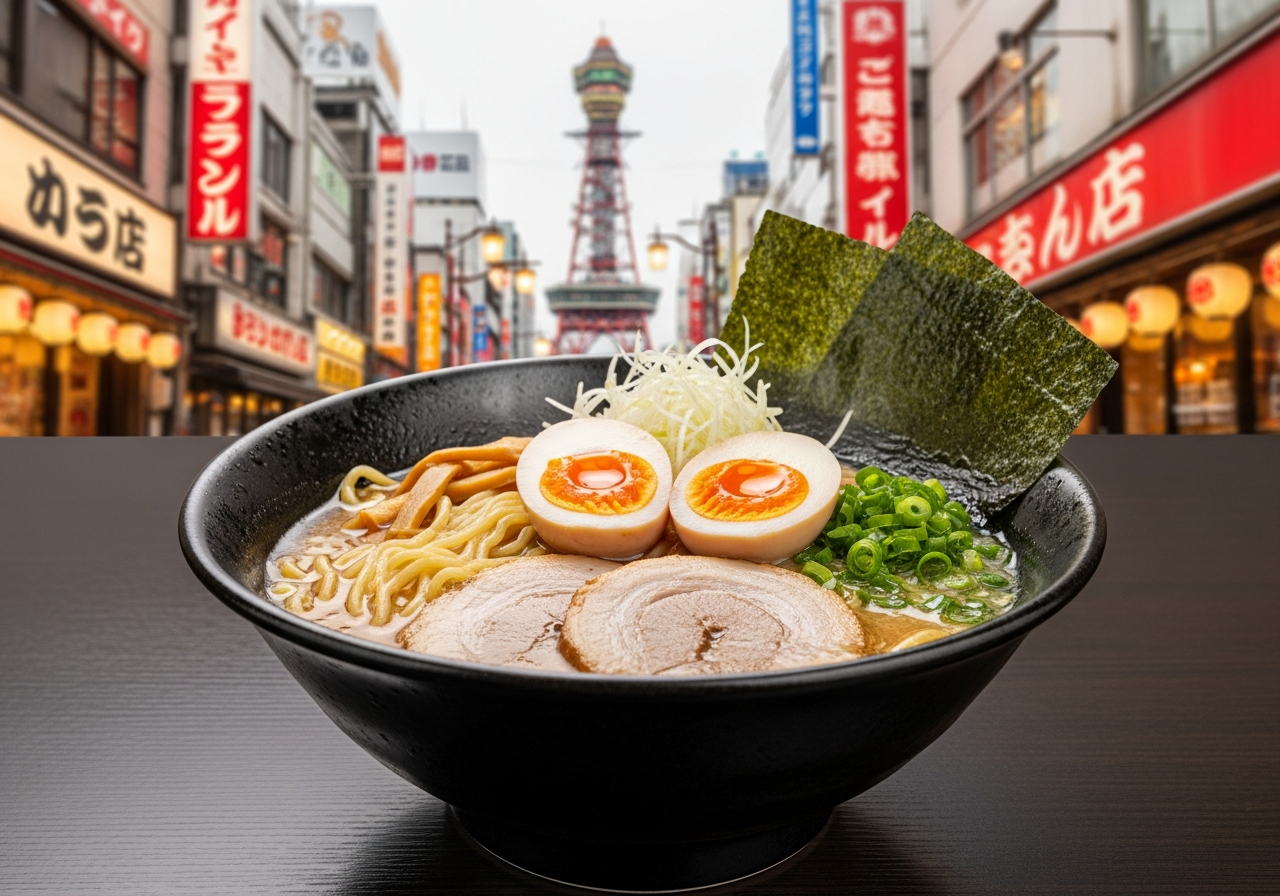
Shinsekai hits you differently than anywhere else in Osaka. This neighborhood feels like stepping into a time capsule where neon signs crackle with decades of history, and the spirit of old Osaka refuses to be gentrified away. Beneath Tsutenkaku Tower and along the narrow alleys of Janjangai, you’ll find some of the city’s most authentic ramen shops — places that have been ladling out bowls to locals since long before tourists discovered their Instagram potential.
While other parts of Osaka chase trends, Shinsekai’s ramen scene remains refreshingly stubborn. These aren’t glossy modern ramen bars but old-school operations where the focus stays squarely on the bowl. From the legendary ultra-thick tonkotsu at Muteppou to the surprisingly refined iekei-style bowls tucked between kushikatsu joints, this neighborhood offers ramen experiences you simply can’t find in the polished districts.
Each shop in this guide represents a different facet of Shinsekai’s character — some have been perfecting their recipes for decades, others represent newer traditions taking root in old soil. What unites them is an uncompromising approach to their craft and prices that remind you why Shinsekai remains a working-class stronghold in an increasingly expensive city.
1. Muteppou Osaka (無鉄砲 大阪店)
- 📍 1-5-21 Ebisucho, Naniwa-ku, Osaka
- 🕐 11:00-15:00, 18:00-23:00 (Closed Mondays) (as of May 2026)
- 💰 Budget per person: ¥800–1,200 (food only)
- 🚃 Imamiyaebisu (2 min walk)
- 🗺 Open in Google Maps
- 📋 Tabelog
What to order: Tonkotsu ramen (¥800)
The ultimate thick tonkotsu experience — this legendary shop from Nara serves soup so dense your spoon stands upright. Customize your noodle firmness, soup intensity, and green onion level to create your ideal bowl.
2. Iekei Ramen Toboshiya (家系らーめん 斗星家)
- 📍 1-7-4 Ebisuhigashi, Naniwa-ku, Osaka
- 🕐 12:00-15:00, 17:00-20:00 (Closed Mondays and Wednesdays) (as of May 2026)
- 💰 Budget per person: ¥850–1,100 (food only)
- 🚃 Ebisucho (3 min walk)
- 🗺 Open in Google Maps
- 📋 Tabelog
What to order: Iekei ramen (¥850)
Run by a chef trained at the legendary Kyoudouya, this counter-only spot brings authentic Yokohama-style iekei to Shinsekai with properly executed tonkotsu-shoyu broth. The medium-thick noodles and generous chicken fat make this a surprisingly sophisticated find in the neighborhood.
3. Naniwa no Gomihacchin Ramen (なにわの五味八珍ラーメン)
- 📍 2-6-20 Ebisuhigashi, Naniwa-ku, Osaka
- 🕐 10:00-04:00 (Daily) (as of May 2026)
- 💰 Budget per person: ¥800–1,200 (food only) / ¥1,200–1,600 (with curry)
- 🚃 Ebisucho (3 min walk)
- 🗺 Open in Google Maps
- 📋 Tabelog
What to order: Ramen (¥800)
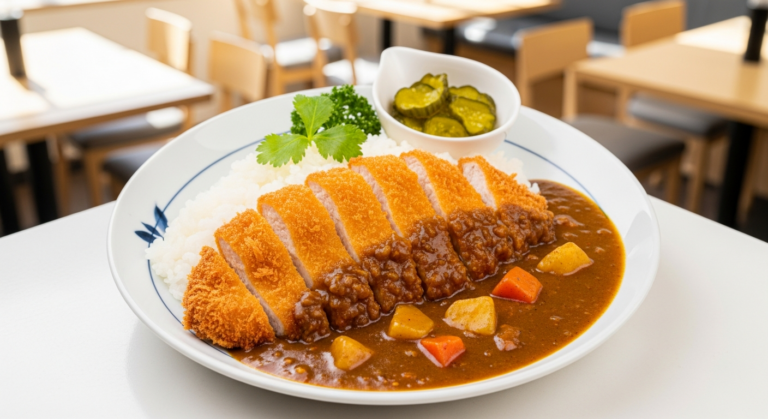
This dual-concept shop serves both classic ramen and Kanazawa-style curry, making it perfect for groups with different cravings. The ramen features a well-balanced tonkotsu-shoyu broth with vegetables stir-fried in a Chinese wok, creating a comforting bowl that bridges Chinese and Japanese traditions.
4. Fukuseirou (中国料理 福星楼)
- 📍 1-2-4 Ebisunishi, Naniwa-ku, Osaka (Sakigake Building 1F)
- 🕐 17:00-03:00 (Daily) (as of May 2026)
- 💰 Budget per person: ¥800–1,200 (ramen only) / ¥1,500–2,500 (with other dishes)
- 🚃 Ebisucho (1 min walk)
- 🗺 Open in Google Maps
- 📋 Tabelog
What to order: Tantanmen (¥780)
This late-night Chinese restaurant serves seriously spicy, authentic tantanmen and suanlatang that would make Beijing noodle shops proud. The curly noodles grab onto the rich, numbing broth loaded with ground pork — exactly what you want after a night of kushikatsu and beer.
5. Ramen Goku Honten (らーめん極本店)
- 📍 1-1-26 Asahimachi, Abeno-ku, Osaka (NO32 Uemura Abeno Building 1F)
- 🕐 11:00-23:00 (Irregular holidays) (as of May 2026)
- 💰 Budget per person: ¥790–1,200 (food only)
- 🚃 Imamiyaebisu (8 min walk)
- 🗺 Open in Google Maps
What to order: Tonkotsu ramen with charai (¥790)
Famous for their “charai” — fluffy egg fried rice that’s become a cult favorite among locals. The tonkotsu ramen serves as the perfect companion, with customizable intensity levels and a side of their signature egg dish that somehow makes everything better.
How to Order
Most Shinsekai ramen shops operate on ticket machines, so have your cash ready. At Muteppou, you’ll need to specify your preferences for noodle firmness (katame for firmer, yawarakame for softer), soup richness (koime for thicker), and green onion amount (oomé for extra). Iekei spots like Toboshiya follow the same system — don’t be shy about customizing.
The Chinese restaurants like Fukuseirou work differently — you’ll order directly from staff, and they’re usually happy to adjust spice levels if you ask. Many shops here close between lunch and dinner service, so check times carefully. Late-night options like Naniwa no Gomihacchin and Fukuseirou become essential after the kushikatsu crawl ends.
Cash is king in Shinsekai. Most places don’t accept cards, and the neighborhood’s old-school vibe extends to payment methods. Portions tend to be generous and prices reasonable — this remains one of Osaka’s best value-for-money ramen districts.
FAQ
Q: Is ramen in Shinsekai expensive?
A: Not at all. Most bowls range from ¥790-1,200, making this one of Osaka’s most affordable ramen neighborhoods. Even premium shops like Muteppou keep prices under ¥1,000.
Q: Do shops in Shinsekai have English menus?
A: English menus are rare, but most shops use ticket machines with photos or simple Japanese text. The staff at Chinese restaurants like Fukuseirou are often more accommodating with language barriers.
Q: When is the best time to visit?
A: Lunch service (11:00-15:00) tends to be less crowded than dinner. For late-night bowls, Fukuseirou and Naniwa no Gomihacchin stay open until 3:00-4:00 AM, perfect after exploring the neighborhood’s bars.
Information is accurate as of May 2026. We recommend checking Google Maps for the latest hours and prices before visiting.