Last updated: July 3, 2026
This article reflects information available at the time of writing. Check Google Maps for the latest hours and availability.
Introduction
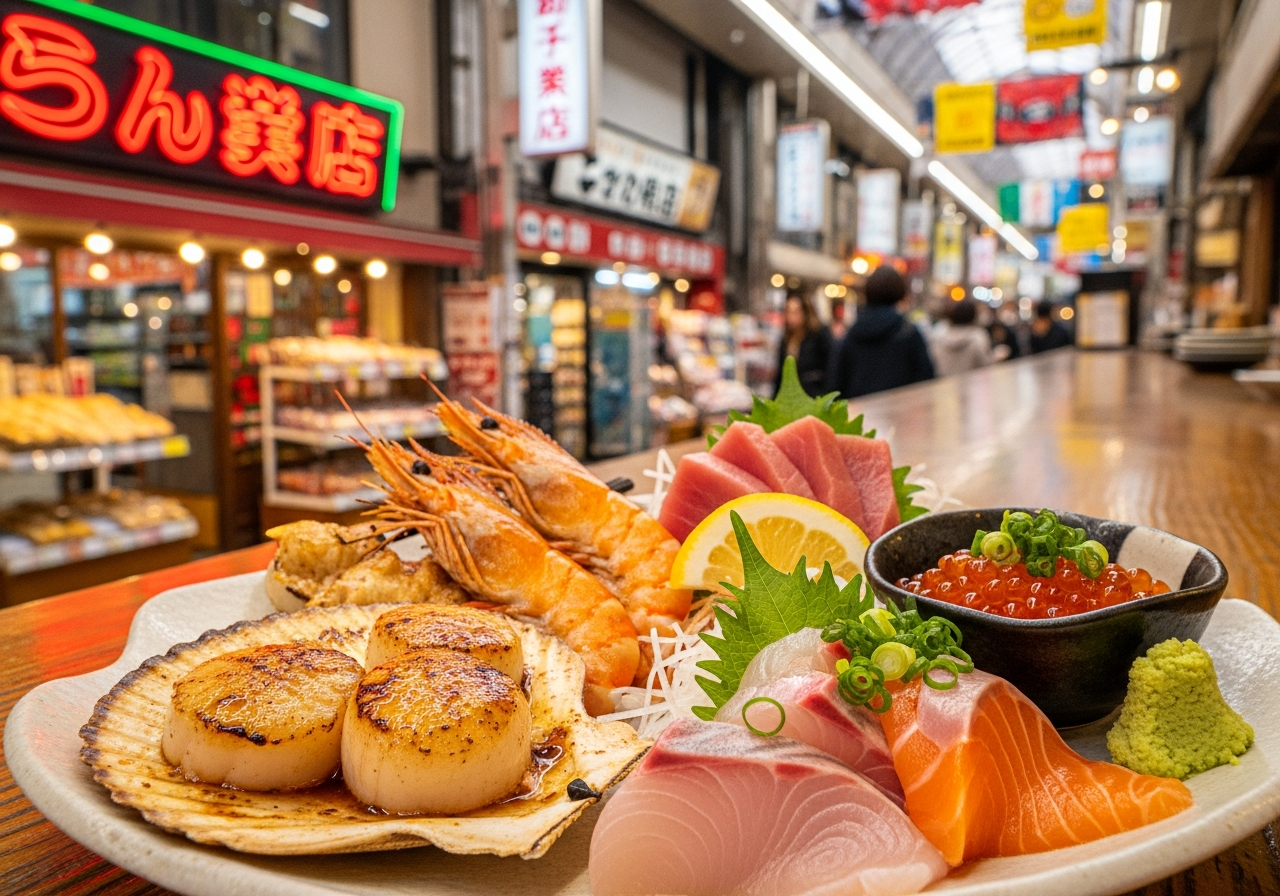
Namba’s seafood scene stretches far beyond the bustling stalls of Kuromon Market. The market is about 580 metres long with around 150 shops, but the surrounding streets hide everything from hole-in-the-wall sushi counters to high-end kaiseki spots where chefs hand-select their catch each morning. This guide focuses on the neighbourhood’s standout seafood establishments — places where locals line up alongside tourists for impossibly fresh uni, perfectly aged tuna, and Osaka’s famous winter fugu. You’ll find market-style eating at its most genuine, proper sushi counters where every piece tells a story, and the kind of seafood joints that have been feeding Osaka for generations. Expect crowds, expect queues, and expect some of the best value seafood in Japan.
1. Kuromon Sakae Sushi (黒門さかえすし)
📍 1-22-23 Nipponbashi, Chuo Ward, Osaka
🕐 9:00–23:00 (as of May 2026)
💰 Budget per person: ¥1,500–3,000 (food only) / ¥2,500–4,000 (with drinks)
🚃 Nipponbashi Station (3 min walk)
🗺 Open in Google Maps
📋 Tabelog
What to order: Nigiri set (10 pieces) ¥1,500
This 40-year-old market institution serves reasonably priced sushi made with fresh fish handpicked by the chef each morning. The nigiri set offers exceptional value with thick, fresh cuts that draw both locals and curious visitors to its bustling counter.
2. Kuromon Sanpei (黒門三平)
📍 1-22-25 Nipponbashi, Chuo Ward, Osaka
🕐 9:00–18:30 (eat-in until 18:00) (as of May 2026)
💰 Budget per person: ¥1,500–2,500 (food only) / ¥2,000–3,500 (with drinks)
🚃 Nipponbashi Station (3 min walk)
🗺 Open in Google Maps
📋 Tabelog
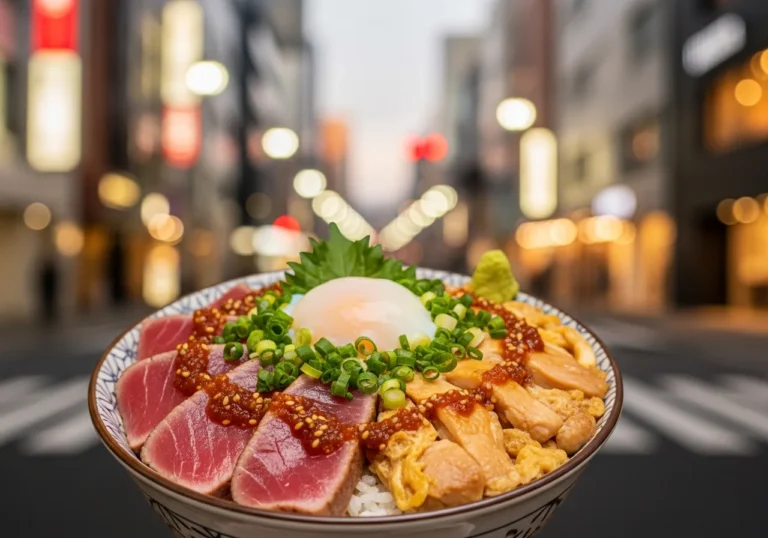
What to order: Seafood bowl ¥1,500
This comprehensive food store features massive eat-in spaces where you can sample everything from seafood to premium meat in a food court atmosphere. The seafood rice bowl packs fresh ingredients at a remarkable price point, making it a reliable choice for quick market meals.
3. Uosa (海鮮旬菜 うお佐)
📍 2-3-1 Namba, Chuo Ward, Osaka (2F)
🕐 Mon-Fri 11:30–14:00, 17:30–22:00 (LO 21:30); Sat 17:30–22:00 (LO 21:30) (as of May 2026)
💰 Budget per person: ¥1,000–2,500 (lunch) / ¥3,000–4,500 (dinner)
🚃 Namba Station (1 min walk)
🗺 Open in Google Maps
📋 Tabelog
What to order: Daily set ¥1,000
Founded in 1956, this hidden gem tucked away from Namba’s chaos delivers seasonal seafood with both traditional Japanese and Western preparations. Their exceptional lunch prices and fresh sashimi platters draw a devoted local following despite the tourist-heavy location.
4. Toki Sushi Honten (ときすし本店)
📍 4-21 Nambasennichimae, Chuo Ward, Osaka
🕐 11:00–22:00 (LO 21:30) (as of May 2026)
💰 Budget per person: ¥2,000–3,500 (food only) / ¥3,000–4,500 (with drinks)
🚃 Namba Station (5 min walk)
🗺 Open in Google Maps
📋 Tabelog
What to order: Toki-toki Set (8 pieces + miso soup) ¥1,320
This legendary “ura-namba” (back-Namba) institution draws queues for its impossibly priced fresh sushi served on both counter and table seating. The flamed sushi selections showcase technical skill while maintaining the market-style accessibility that made this place famous.
5. Sushi Taisuke (寿司たいすけ)
What to order: Omakase course ¥27,500
This intimate 8-seat counter operation elevates Namba’s sushi scene with the chef’s personal market selections and meticulous 2-3 day ageing process. The single omakase format ensures peak seasonal quality, though the “at-home luxury” atmosphere keeps things refreshingly unpretentious.
6. Kuromon Kuragin (黒門蔵銀)
📍 Near Kuromon Market, Namba
🕐 9:00–22:00 (as of May 2026)
💰 Budget per person: ¥2,000–3,500 (food only) / ¥3,000–4,500 (with drinks)
🚃 Nipponbashi Station (7 min walk)
🗺 Open in Google Maps
📋 Tabelog
What to order: Individual sushi pieces from ¥88
This 2023 newcomer near Kuromon Market offers tourist-friendly service without compromising on the fresh fish and competitive pricing that defines the neighbourhood. The seafood donburi bowls pack generous portions with both familiar and seasonal preparations.
7. Kani Doraku Dotonbori Honten (かに道楽道頓堀本店)
What to order: Seasonal crab course from ¥7,480
The famous giant crab sign marks Osaka’s most recognisable seafood institution, where multiple floors serve everything from casual crab dishes to elaborate kaiseki presentations. The lunch sets offer more accessible pricing for experiencing Osaka’s crab culture without the full ceremonial treatment.
8. Kuromon Ichiba Fukahiro (黒門市場深廣)
📍 1-22-23 Nipponbashi, Chuo Ward, Osaka
🕐 9:00–18:00 (weekdays), 9:00–19:00 (weekends) (as of May 2026)
💰 Budget per person: ¥2,000–4,000 (food only)
🚃 Nipponbashi Station (3 min walk)
🗺 Open in Google Maps
📋 Tabelog
What to order: Seasonal seafood bowls (prices vary by catch)
Known as one of Kuromon Market’s most historic fishmongers, this wholesale operation runs a 15-seat eat-in space where their legendary seafood selections transform into surprisingly elaborate bowls. The morning crowds often clear out the best selections before noon, making this a true insider’s choice.
How to Order
Most Kuromon Market stalls operate on a simple system: point at what looks good, pay upfront, and find a spot to eat. The established restaurants around Namba accept both cash and cards, though smaller market vendors prefer cash. At places like Toki Sushi, expect to queue during peak hours — the lunch rush typically runs 12:00-14:00, while dinner service picks up after 18:00. For high-end spots like Sushi Taisuke, advance reservations are essential and usually made by phone. Don’t miss the late-afternoon discounts at some market stalls, when prices drop by as much as 50% on remaining stock.
FAQ
Q: Is seafood in Namba expensive?
A: Market-style eating starts around ¥1,500 for substantial portions, while proper restaurant meals range ¥3,000-5,000 per person. High-end omakase experiences can reach ¥25,000+, but Namba’s strength lies in exceptional value at the lower end.
Q: Do shops in Namba have English menus?
A: Tourist-focused spots around Kuromon Market often provide English support, but the local favourites typically operate in Japanese only. Picture menus and pointing usually work fine for ordering basics like sushi sets and seafood bowls.
Q: When is the best time to visit?
A: Peak freshness happens in the morning when market vendors receive their daily deliveries, but crowds are heaviest 10:00-14:00. Late afternoons offer discounted prices as vendors clear remaining stock, while evenings provide the full restaurant experience with better availability.
Information is accurate as of May 2026. We recommend checking Google Maps for the latest hours and prices before visiting.