Last updated: July 3, 2026
This article reflects information available at the time of writing. Check Google Maps for the latest hours and availability.
Introduction
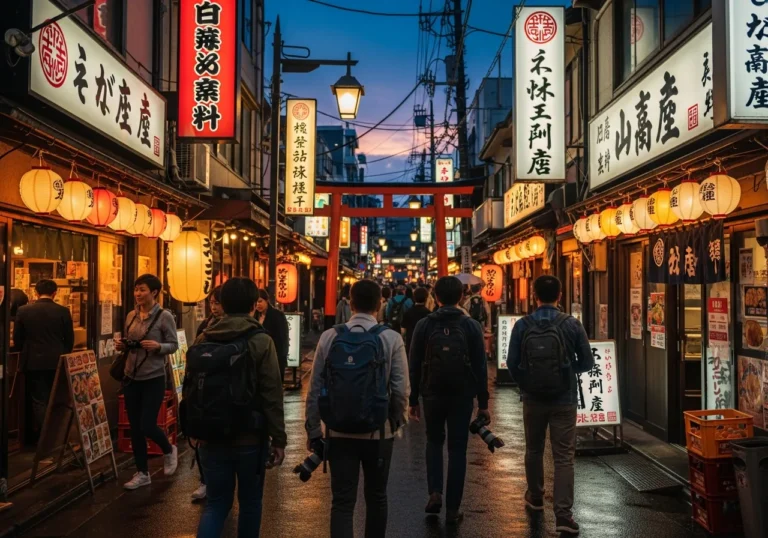
Most visitors to Tenma walk straight into Tenjinbashisuji — Japan’s longest shopping arcade at 2.6km — grab a beer, and call it a night. That’s fine. But the real eating happens one or two streets east, in the tangle of back alleys that locals call Ura-Tenma.
Ura-Tenma in Ikeda-cho is a back-alley warren of varied restaurants, izakaya pubs, and food stalls, sandwiched perfectly just between Osaka’s JR Tenma and Tenroku Stations. Sometimes referred to as “rear/inner Tenma,” Ikeda-cho has for decades been a popular dinner and nightlife neighbourhood that was nonetheless not very well-known outside of its core crowd of locals.
The area is defined by its lantern-strung “Chochin-dori” alley and the deeply individual bars and restaurants that cluster around it. The neighbourhood boasts the highest concentration of drinking establishments per square meter in Osaka — over 1,000 bars and restaurants in a compact area. Most of them are tiny. Most of them are excellent. None of them are trying to impress tourists.
This guide covers six spots that reward the effort of actually finding them: a smoke-filled oyster shack, a theatrical izakaya with dry-ice sashimi, a baseball-themed ramen counter, a seven-seat Chinese hideout, a standing bistro, and a lantern-alley sushi bar. Bring cash, come hungry, and plan to stay later than you intended.
1. Kakigoya Fever 1111 (かき小屋フィーバー1111)
- 📍 6-1 Ikeda-cho, Kita-ku, Osaka (大阪市北区池田町6-1)
- 🕐 Mon–Thu 17:00–23:00; Fri & eve of public holidays 17:00–midnight; Sat 12:00–midnight (as of May 2026)
- 💰 ¥3,000–¥5,000 (food only) / ¥4,500–¥6,500 (with drinks or all-you-can-eat course)
- 🚃 JR Tenma Station (5 min walk)
- 🗺 Open in Google Maps
- 📋 Tabelog
What to order: Yakanmushi (kettle-steamed oysters, all-you-can-eat course from ¥3,500); raw oysters with uni topping (¥380 each)
The area’s epicentre is Vinyl Street — named after the vinyl covers many bars draw across their entrances in winter — and Kakigoya Fever 1111 sits right at its heart. The first thing that strikes you is the ambience: stripped-down wooden walls, rustic furniture, and a grey concrete floor that gives the whole place the feel of a fish market by the sea. The kitchen sources oysters year-round through its own direct supply routes, so the quality holds even in the off-season. The kettle-steam all-you-can-eat course is the move — loud, messy, and worth every yen.
2. Ura-Tenma Kobachiya (裏天満 こばち屋)
- 📍 8-6 Ikeda-cho, Kita-ku, Osaka (大阪市北区池田町8-6)
- 🕐 Dinner from 17:00 daily (check Google Maps for latest closing times) (as of May 2026)
- 💰 ¥3,000–¥4,000 (food only) / ¥4,000–¥5,500 (with drinks)
- 🚃 JR Tenma Station (4 min walk)
- 🗺 Open in Google Maps
- 📋 Tabelog
What to order: Tamatebako sashimi platter (dry-ice presentation, market price ~¥1,800–¥2,200); wagyu rib-eye tataki with uni hand-roll sushi (¥980)
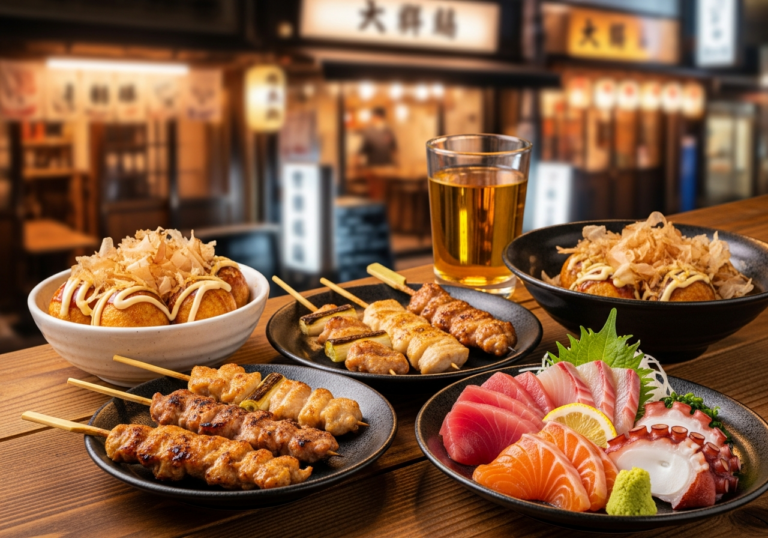
Kobachiya sits right on Ura-Tenma’s Chochin-dori lantern alley, and the kitchen leans hard into theatre — the signature sashimi platter arrives in a lacquered box that billows dry-ice smoke when you lift the lid. The menu spans fresh fish prepared across Japanese, Western, and Chinese styles, and the kitchen’s custom Shigaraki-ware ceramics make even a simple potato salad look considered. Reservations are strongly recommended; it fills up fast on weeknights.
3. Strike-ken (ストライク軒)
- 📍 2-10-11 Tenjinbashi, Kita-ku, Osaka (大阪市北区天神橋2-10-11) — main branch near JR Tenma
- 🕐 Lunch and dinner daily; check Google Maps for current hours (as of May 2026)
- 💰 ¥850–¥1,200 (food only)
- 🚃 JR Tenma Station (3 min walk)
- 🗺 Open in Google Maps
- 📋 Tabelog
What to order: Straight (classic niboshi ramen, ¥850); Curve (rich chicken paitan, ¥900)
Strike-ken is a baseball-themed ramen counter a three-minute walk from JR Tenma Station, and the concept is exactly as committed as it sounds — menu items are named after pitches, the décor is stadium-adjacent, and the kitchen has been at it for over two decades. The Straight is the one to order: a clean, old-school niboshi (dried sardine) broth that doesn’t try to be anything other than what it is. A Tabelog 100 Best Ramen selection and a local institution.
4. Zento Yoyo (膳途洋々)
- 📍 2-2-8 Tenjinbashi, Kita-ku, Osaka (大阪市北区天神橋2-2-8)
- 🕐 Morning (congee) from 8:00; lunch and dinner service — check Google Maps for full hours (as of May 2026)
- 💰 ¥1,200–¥2,000 (lunch) / ¥3,000–¥4,000 (dinner with drinks)
- 🚃 JR Tenma Station (2 min walk)
- 🗺 Open in Google Maps
- 📋 Tabelog
What to order: Morning congee set (¥800); seasonal small-plate dinner (¥600–¥1,200 per dish)
The owner trained at the Chinese restaurant at the Westin Hotel Osaka before opening this seven-counter-seat spot in 2018. Mornings it’s congee; lunch is set meals and soups; evenings shift to seasonal small plates with sake pairings. Tabelog describes it as a place to enjoy authentic Chinese cooking casually, from morning through night. The counter-only format means you’ll be eating close enough to the kitchen to watch everything being made — which is half the appeal.
5. Tachinom Bistro Yamamoto (立呑みビストロ やまもと)
- 📍 Ikeda-cho area, Kita-ku, Osaka (大阪市北区池田町周辺)
- 🕐 Weekdays from 14:00; weekends and public holidays from 13:00 (as of May 2026)
- 💰 ¥1,500–¥2,500 (food only) / ¥2,500–¥4,000 (with drinks)
- 🚃 JR Tenma Station (5 min walk)
- 🗺 Open in Google Maps
- 📋 Tabelog
What to order: Wine or sake (¥429 flat per glass); daily bistro small plates (¥400–¥900)
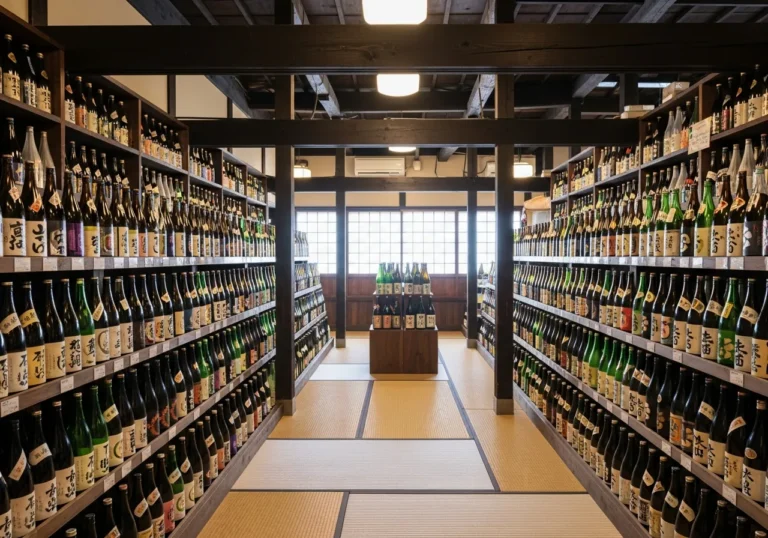
Yamamoto is a standing bistro in the Ura-Tenma area where the entire wine and sake list runs at a flat ¥429 a glass — a pricing policy that makes the second and third rounds feel almost responsible. The ground floor is standing-bar counter; the second floor has table seats available by reservation, which makes it workable for a proper sit-down dinner too. The kitchen skews French-Italian with Osaka sensibilities: expect things like mozuku seaweed in peperoncino sauce alongside the usual bistro suspects.
6. Ura-Tenma Tenjin Yokocho Sushi Hatosuke (裏天満天神横丁 鮨はとすけ)
- 📍 Ikeda-cho, Kita-ku, Osaka (大阪市北区池田町 — Tenjin Yokocho alley)
- 🕐 Dinner only; check Google Maps for current hours (as of May 2026)
- 💰 ¥3,000–¥5,000 (omakase-style, food only) / ¥4,500–¥7,000 (with drinks)
- 🚃 JR Tenma Station (5 min walk)
- 🗺 Open in Google Maps
- 📋 Tabelog
What to order: Nigiri omakase course (¥3,500–¥5,000); seasonal tempura side dishes
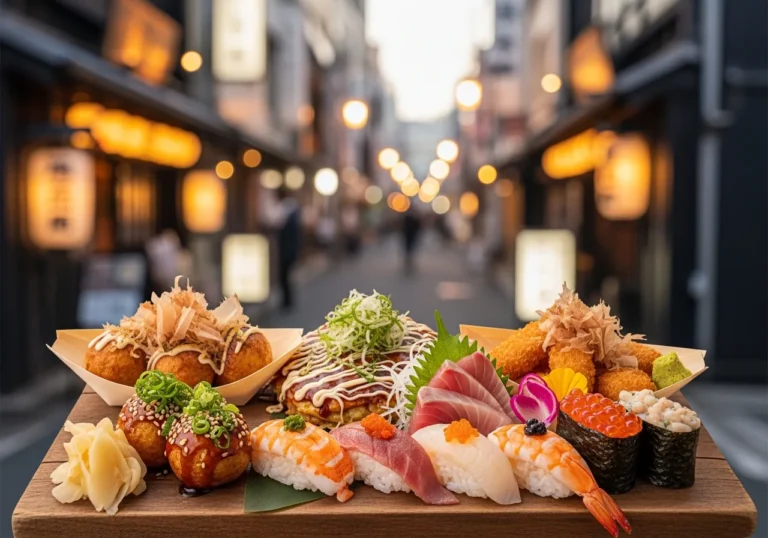
On the lantern-lit Tenjin Yokocho alley in Ura-Tenma, Hatosuke is a counter sushi spot where the sushi, tempura, and side dishes are all handled with real care. Ura-Tenma Tenjin Yokocho operates as a collection of around ten different restaurant concepts under one roof, and Hatosuke is the one worth seeking out specifically — a compact counter where the chef uses red-vinegar shari (sushi rice) and sources fish daily. Seating is limited, so arriving early or booking ahead is the sensible play.
How to Order
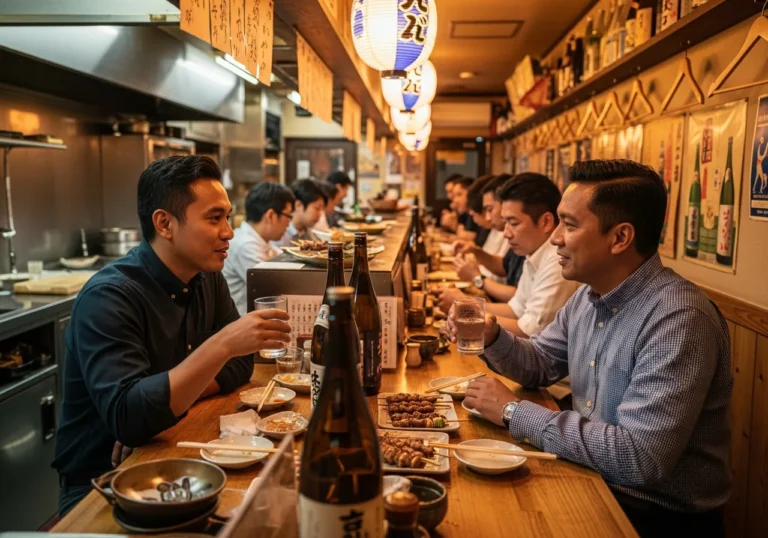
Most establishments in Ura-Tenma are tiny standing bars where you’ll rub elbows with salarymen, artists, and neighbourhood regulars. Prices are remarkably reasonable, with many places offering drinks and small plates for under ¥500.
A few practical notes for navigating the area:
- Cash first. Many bars and small restaurants in this area don’t take cards, so withdraw before you arrive. ¥5,000–¥10,000 per person covers most evenings comfortably.
- Reservations matter. The most popular spots — Kobachiya especially — fill up on weeknights. Book same-day via Tabelog or HotPepper if you can. Walk-ins work better before 18:30 or after 21:00.
- Otoshi (table charge). Most izakayas add a small cover charge (¥300–¥500) that comes with a small appetiser. It’s standard practice, not a scam.
- Pointing works fine. The friendly atmosphere in Tenma genuinely transcends language barriers — pointing at what others are eating works perfectly well. A few places have picture menus; fewer have English ones.
- Bar-hop strategically. The shopping street has many side streets, with numerous small izakayas crammed into the complex alleyways — establishments here pride themselves on being cheap and delicious, making it ideal for bar-hopping. Two or three stops in a night is the local rhythm.
FAQ
Q: Is eating in Ura-Tenma, Osaka expensive?
A: Not at all. Compared to other tourist areas in Osaka, prices here are reasonable and not overly expensive. A full evening of food and drinks — two or three dishes per person across two stops — typically runs ¥3,000–¥5,000 per head. The oyster all-you-can-eat courses at Kakigoya Fever 1111 start at ¥3,500. Sushi at Hatosuke is the priciest option on this list, at around ¥5,000–¥7,000 with drinks.
Q: Do shops in Ura-Tenma have English menus?
A: Occasionally. Kakigoya Fever 1111 has been noted to have an English menu option. Most other spots on this list are Japanese-only, but picture menus and pointing are universally understood. The friendly atmosphere in Tenma transcends language barriers — staff are used to curious visitors, and Google Translate’s camera function handles most menus adequately.
Q: When is the best time to visit?
A: Weekday evenings between 18:00 and 20:00 are the sweet spot — lively but not impossible to get a seat without a reservation. Weekends get crowded from 19:00 onwards, and popular spots like Kobachiya can be fully booked by 17:30. Particularly atmospheric times to visit are the nights of the Tenjin Festival (Tenjin-matsuri) in July, after the fireworks, when the neighbourhood really comes to life. Sunday lunches are quieter and underrated — Zento Yoyo and Yamamoto both open early.
Information is accurate as of May 2026. We recommend checking Google Maps for the latest hours and prices before visiting.