Last updated: July 3, 2026
This article reflects information available at the time of writing. Check Google Maps for the latest hours and availability.
Introduction
Most visitors to Osaka’s north side spend their evenings in Umeda — the department stores, the chain izakayas, the predictable neon. Nakazakicho sits just one subway stop away, and it feels like a different city entirely.
The neighbourhood survived the wartime bombing that flattened most of Osaka, which means its streets are still lined with Showa-era wooden houses, narrow alleys, and low-rise buildings that never got the memo about urban redevelopment. It’s one of the few places in the city to have escaped destruction during the war, and even though it’s incredibly close to Umeda and Chayamachi, it feels absolutely something from the past. By day, those old buildings house vintage clothing shops, indie cafés, and record stores. After dark, the same streets fill with a different kind of crowd: locals who know better than to fight for a table in Namba, creative-industry types who live nearby, and the occasional traveller who wandered off the tourist trail and got very lucky.
Nakazakicho has a different character entirely from its neighbours. Old wooden houses and Showa-era buildings have been repurposed into quirky cafés, art bars, and tiny spaces. The pace is slower and more bohemian — perfect if you want a creative, alternative night out away from the Minami crowds.
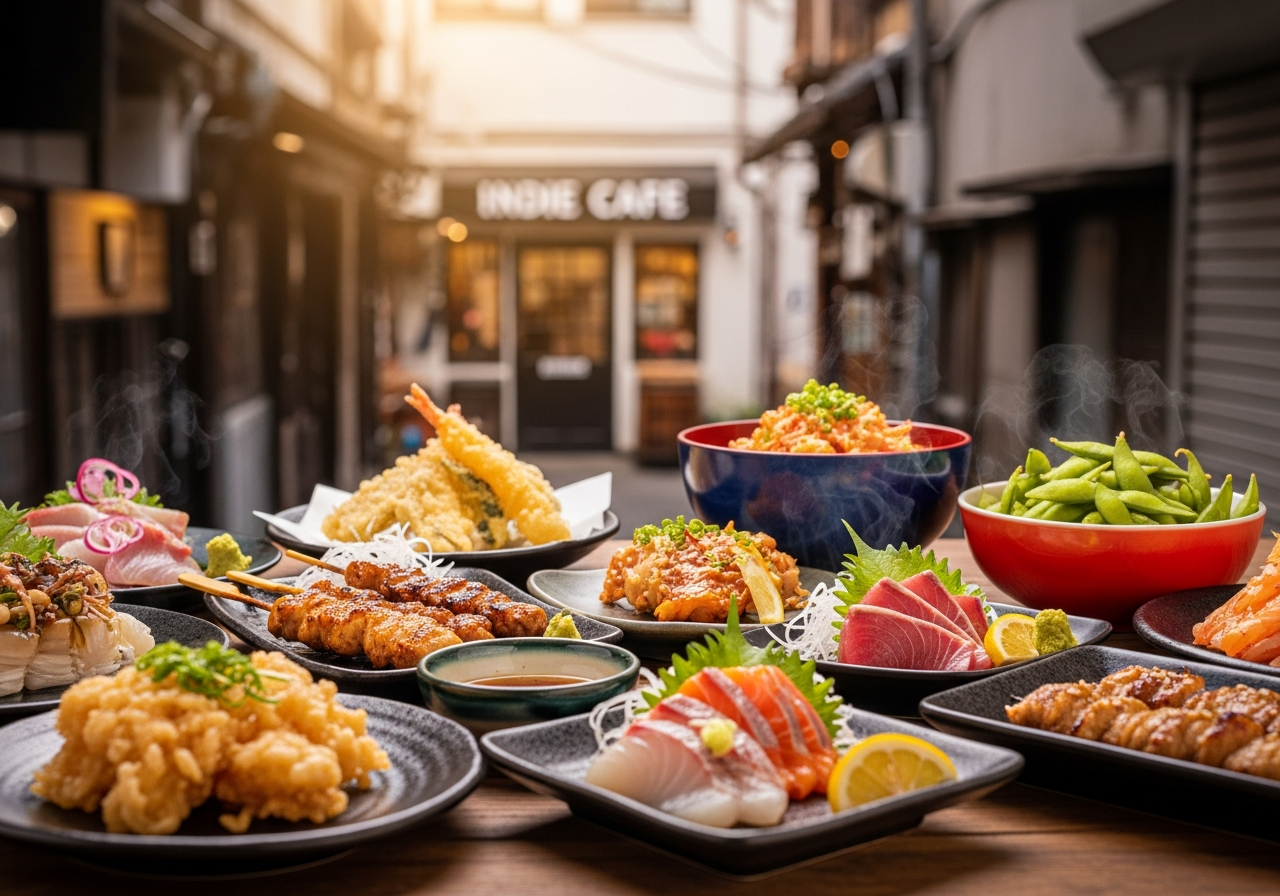
The izakayas here range from charcoal-grilled yakitori joints under the JR tracks to intimate counter bars where the owner pours your sake and asks where you’re from. Prices are honest — you’ll rarely spend more than ¥4,000 a head with drinks — and the atmosphere is the kind you can’t manufacture. This guide covers six of the best, all verified open as of May 2026.
1. Shosaku Sakaba Se-bo (笑作酒場 せ~坊)
- 📍 1-5-27 Nakazaki, Kita-ku, Osaka (Green Nakazaki 1F)
- 🕐 Mon–Thu, Sun & holidays: 17:00–24:00; Fri–Sat: 17:00–02:00 (as of May 2026)
- 💰 ¥2,500–¥4,000 per person (food only) / ¥3,500–¥5,500 (with drinks)
- 🚃 Nakazakicho Station (1 min walk)
- 🗺 Open in Google Maps
- 📋 Tabelog
What to order: Charcoal-grilled yakitori set (¥880), stone-grilled oyako-don (¥1,280)
The kitchen grills yakitori over bincho charcoal and pairs it with carefully selected seasonings — including fugu-no-kami ponzu and Ikkyu-do seven-spice blends that most yakitori joints wouldn’t bother sourcing. Right at the station exit, this is the easiest first stop on a Nakazakicho crawl, and the late-night hours on weekends mean it works as a last stop too.
2. Nonotori Umemido (野乃鳥 梅味堂)
- 📍 3-3-15 Nakazakicho-nishi, Kita-ku, Osaka (JR Underpass No. 34)
- 🕐 Lunch: 11:00–16:30 (L.O. 16:00); Dinner: 17:00–23:30 (L.O. 23:00) (as of May 2026)
- 💰 ¥2,000–¥3,500 per person (food only) / ¥3,000–¥5,000 (with drinks)
- 🚃 Nakazakicho Station (5 min walk) / Hankyu Umeda Station (5 min walk)
- 🗺 Open in Google Maps
- 📋 Tabelog
What to order: Banshu Hyakujitsu chicken yakitori set, 5 skewers (¥560–¥700 per skewer); chicken gyoza, 6 pieces (¥490)
The kitchen uses Banshu Hyakujitsu chicken — a slow-raised breed from Hyogo — and grills the skewers with meticulous technique. The seseri with Tasmanian mustard and cumin is the one to order: the fat-threaded neck meat holds up to the spice without losing its own flavour. Tucked under the JR tracks, it’s louder than it looks from outside, which is exactly the right energy for a Thursday night.
3. Izakaya Baias (居酒屋ばいあす)
- 📍 1-1 Nakazaki, Kita-ku, Osaka (near Nakazakicho Station Exit 1)
- 🕐 15:00–24:00 daily (as of May 2026)
- 💰 ¥2,000–¥3,500 per person (food only) / ¥3,000–¥5,000 (with drinks)
- 🚃 Nakazakicho Station (1 min walk)
- 🗺 Open in Google Maps
- 📋 Tabelog
What to order: Pork sashimi assortment — kobukuro and tan (¥600–¥800); meat trio platter, 3 cuts (¥1,000)
The hook here is fresh-slaughtered pork sashimi — Aichi-sourced, same-day, served with sweet Kyushu soy sauce. The kitchen sources morning-slaughtered pork directly and serves it as sashimi, a rarity even in Osaka. It sounds alarming until you try the kobukuro (uterus), which has a clean snap and none of the funk you’d expect. Opens at 3pm, which makes it the right call if you want to start early without feeling like you’re drinking alone.
4. Anjuu (あんじゅう)
- 📍 2-4-14 Nakazaki, Kita-ku, Osaka
- 🕐 Mon–Fri: 18:00–24:00; Sat–Sun: 12:00–24:00 (as of May 2026)
- 💰 ¥2,000–¥3,500 per person (food only) / ¥3,000–¥5,000 (with drinks)
- 🚃 Nakazakicho Station (3 min walk)
- 🗺 Open in Google Maps
- 📋 Tabelog
What to order: Salt chanko nabe (¥1,200 per person); prawn, mochi and cheese spring roll (¥680)
The counter seats 11, so solo drinkers can walk in without a reservation and still feel like regulars within twenty minutes. The chanko broth is built on chicken carcass stock that’s been cooked down until it’s thick with collagen — the kind of thing that makes you order a second round just to keep eating. Nakazakicho’s quieter residential side, which means the crowd is mostly neighbours rather than office parties.
5. Sakaba 729 Shichifuku (酒場729 シチフク)
- 📍 4-3-25 Nakazakicho-nishi, Kita-ku, Osaka (JR Underpass)
- 🕐 Mon–Thu, Sun & holidays: 17:00–23:00; Fri–Sat & holiday eves: 17:00–00:00 (as of May 2026)
- 💰 ¥3,000–¥4,000 per person (food only) / ¥4,000–¥6,000 (with drinks)
- 🚃 Nakazakicho Station (5 min walk) / Hankyu Umeda Station (5 min walk)
- 🗺 Open in Google Maps
- 📋 Tabelog
- 🌐 Official site
What to order: Tandoori chicken with turmeric rice (¥980); sukiyaki macaroni (¥780); natural wine by the glass (from ¥750)
The menu refuses to pick a lane — Reuben hot sandwiches, tandoori chicken, sukiyaki with macaroni, made-to-order crepes — and somehow it all works. The kitchen pushes natural wine alongside its eclectic, genre-defying food, with 13 varieties available including orange and sparkling. The interior is warmer and more considered than the under-tracks location suggests: wood panelling, soft lighting, sofa seats. Note that this shop previously operated under a different name (Oyahinaya); the current Sakaba 729 concept has been running since the rebrand.
6. Tamon (たもん)
- 📍 2-3-19 Nakazaki, Kita-ku, Osaka
- 🕐 17:00–00:00 daily; closed 3rd Sunday of each month (as of May 2026)
- 💰 ¥2,000–¥3,500 per person (food only) / ¥3,000–¥4,500 (with drinks)
- 🚃 Nakazakicho Station (4 min walk)
- 🗺 Open in Google Maps
- 📋 Tabelog
What to order: Sashimi platter (from ¥1,000); daily small plates (¥400–¥700)
A proper Showa-era neighbourhood izakaya — the kind that’s been feeding the same regulars for decades and doesn’t need Instagram to stay full. Local reviewers describe it as a reassuringly old-school Osaka drinking spot with the kind of unhurried atmosphere that’s increasingly hard to find this close to Umeda. The daily small plates change with the market, the sake list is short and well-chosen, and the owner will tell you what to order if you ask. Midnight closing means it’s a solid late option when everywhere else has called last orders.
How to Order
Most izakayas in Nakazakicho follow the same basic rhythm: you’ll be seated, handed a menu, and expected to order drinks first. An otoshi (small appetiser, usually ¥300–¥500) will arrive automatically — this is a cover charge in food form, not a mistake. You’re not obligated to finish it, but it’s generally good.
Order in rounds rather than all at once. Start with something cold — sashimi, a salad, pickles — then move to grilled or hot dishes. At yakitori spots, skewers come out as they’re ready, so don’t wait for everything to arrive before eating.
At smaller counter bars like Anjuu or Tamon, pointing at the menu works fine. Most staff in Nakazakicho have dealt with non-Japanese speakers before and will manage with gestures and a phone translation app. Saying “osusume wa nan desu ka?” (“what do you recommend?”) almost always gets a good result.
Drinks: beer (nama biru), highball (haiboru), or shochu on the rocks (shochu rokku) are the safe orders at any izakaya. At Sakaba 729, the natural wine list is genuinely worth exploring. At Nonotori Umemido, the house chicken gyoza pairs well with a cold Sapporo.
Reservations are recommended on Friday and Saturday nights, especially at Shosaku Sakaba Se-bo and Nonotori Umemido. Walk-ins are generally fine on weeknights before 19:00.
FAQ
Q: Are izakayas in Nakazakicho expensive?
A: No — this is one of the more affordable drinking neighbourhoods in northern Osaka. Most people spend ¥3,000–¥4,500 per head including drinks. Sakaba 729 is the priciest on this list at around ¥4,000–¥6,000 with wine. Anjuu and Tamon can be done comfortably for under ¥3,500.
Q: Do these izakayas have English menus?
A: Most don’t have printed English menus, but Nonotori Umemido and Sakaba 729 have enough visual menus and photo displays that ordering is manageable. At smaller spots like Tamon and Anjuu, Google Translate’s camera function works well on handwritten menus. Staff at all six spots are used to non-Japanese customers and won’t make you feel awkward for asking.
Q: When is the best time to visit?
A: Weeknights between 18:00 and 20:00 are the sweet spot — busy enough to feel lively, quiet enough to get a seat without a reservation. Friday and Saturday nights fill up fast at the yakitori spots; book ahead or arrive before 18:30. Nakazakicho’s izakayas tend to draw a younger, more local crowd than Umeda, so the atmosphere stays good even late into the evening without getting rowdy.
Information is accurate as of May 2026. We recommend checking Google Maps for the latest hours and prices before visiting.