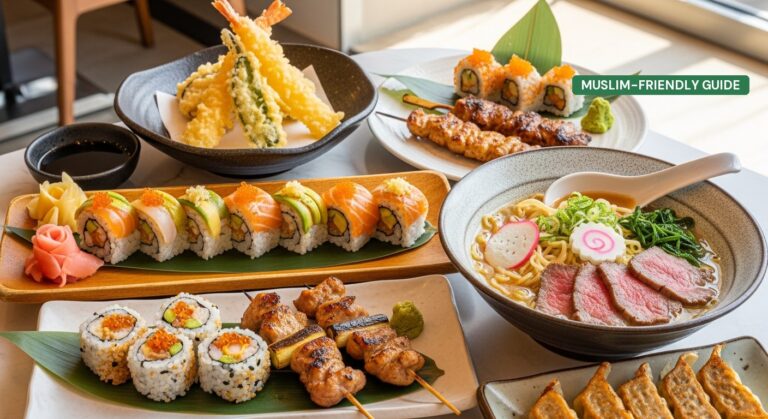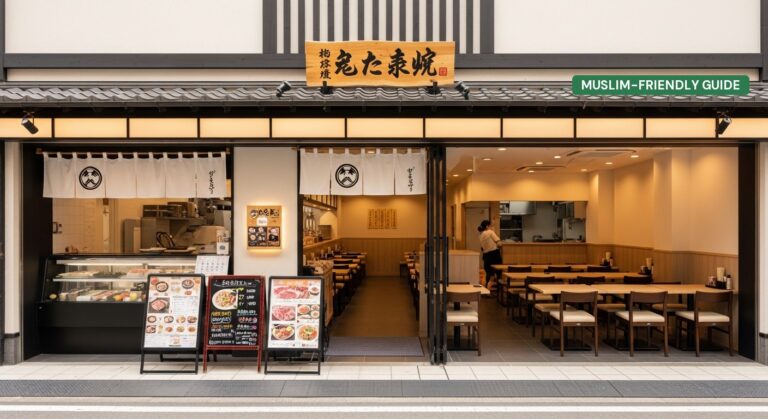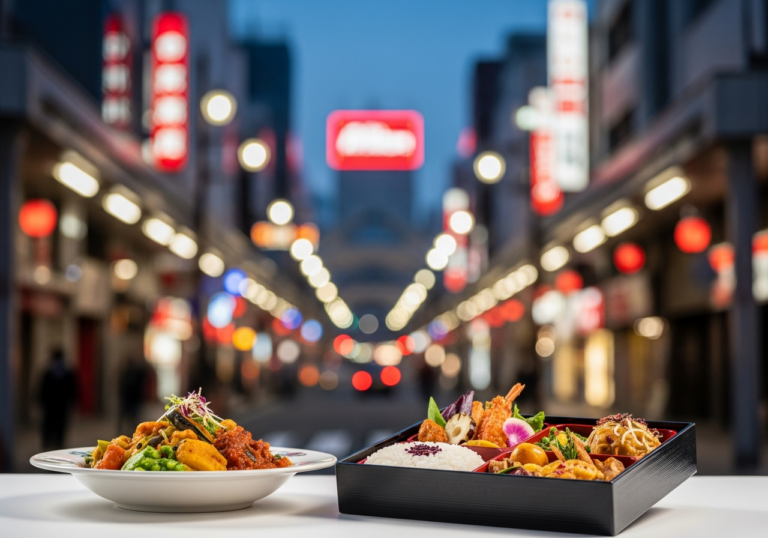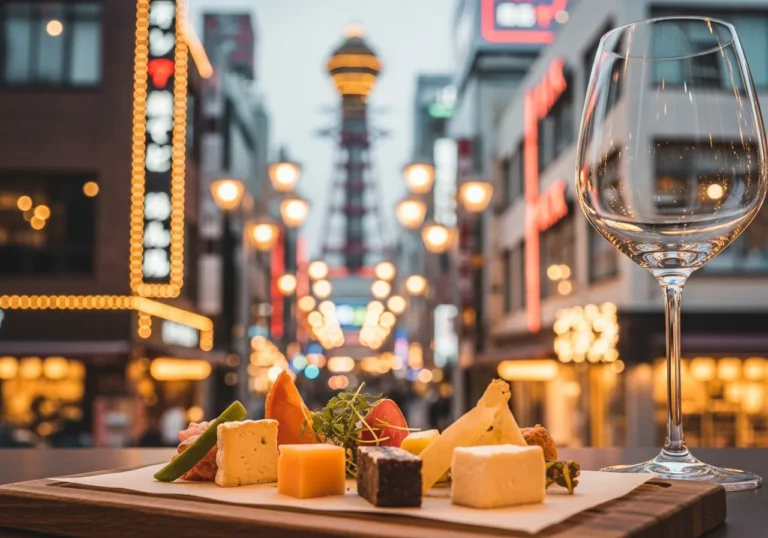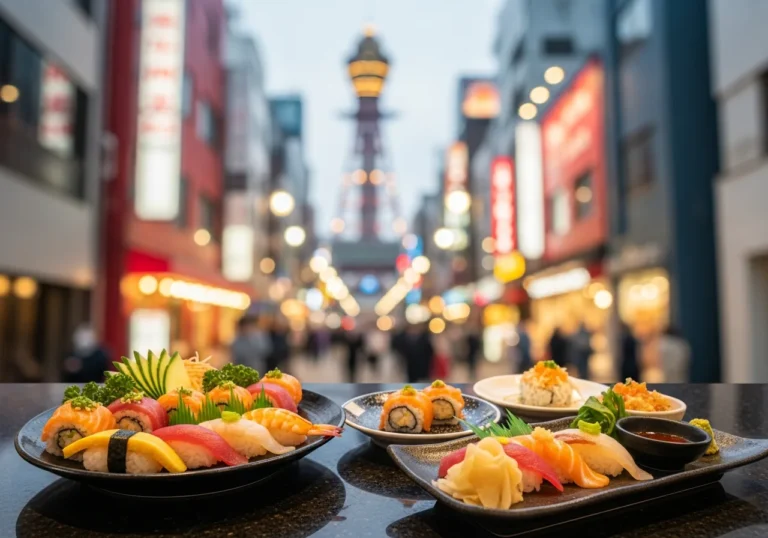
Looking for halal food in Shinsekai, Osaka? Three verified Muslim-friendly spots operate within walking distance of Tsutenkaku Tower — a Turkish kebab kitchen run by a former five-star chef, a 100% vegan kushikatsu café, and a Shinsekai udon institution with a dedicated halal-friendly menu. Options suit solo travelers, families, and plant-based diners. For the full picture, browse our Osaka halal guide.
MICHI’s Pick — Selected by our Osaka-based team, based on places we’ve visited and on research using Tabelog and Google Maps ratings. In Japan, a Tabelog score of 3.4+ is genuinely high — Japanese reviewers are famously strict, and most locals consider anything above 3.4 a place worth a detour. We feature venues meeting at least one of: Tabelog 3.4+, Google Maps 4.3+, or 100+ reviews — the kind of spots locals quietly trust.
Tabelog and Google Maps scores are accurate as of the time of writing.
1. Seyhan Kebab Tsutenkaku
The only Turkish halal kitchen in Shinsekai, run by a former five-star hotel chef from Turkey — your most reliable halal protein stop right at the foot of Tsutenkaku Tower.
- ☪️ Halal status: Muslim-friendly
- 🥙 Must-order: Doner kebab rice plate (¥1,000–¥1,500)
- 📍 Access: Ebisucho Station (3 min walk)
- 🕒 Hours: 11:30–22:00 (Open daily)
- 📞 Reservation: Not needed
- 🧎 Prayer room: None
- 🍷 Alcohol served: Yes
- 🗣 English menu: Limited
- 🗺 View on Google Maps
- 🔗 Source: groovyjapan.com
What to order: The doner kebab rice plate piles halal-sliced meat over seasoned rice with house sauces — filling, fast, and priced for budget travelers. The Turkish ice cream (¥400) is a crowd-pleasing finish after a long walk around the district.
2. Shinsekai Paprika Shokudo Vegan & Gluten-Free
A 100% plant-based, gluten-free café tucked into Janjan Yokocho alley — the safest cross-contamination-free choice in Shinsekai for Muslim diners who want to eat local without any guesswork.
- ☪️ Halal status: no pork no lard
- 🍢 Must-order: Vegan kushikatsu assorted plate (¥140–¥370 per skewer)
- 📍 Access: Dobutsuen-mae Station (5 min walk)
- 🕒 Hours: Check current hours via QR menu / Instagram (Closed: varies — confirm before visiting)
- 📞 Reservation: Not needed
- 🧎 Prayer room: None
- 🍷 Alcohol served: No
- 🗣 English menu: Yes
- ⭐ Rating: Tabelog 3.06 / Google 4.8 (147 reviews) (as of writing)
- 🗺 View on Google Maps
- 🔗 Source: havehalalwilltravel.com
What to order: The vegan kushikatsu assorted plate lets you work through skewers of Beyond Meat, vegan cheese, shiitake, lotus root, and sweet potato — all deep-fried in a halal-only kitchen with zero animal fat. Pair it with the vegan takoyaki (¥740) for the full Shinsekai street-food experience. If you want to explore more of Shinsekai after eating, the café’s outdoor terrace faces directly toward Tsutenkaku Tower.
3. Kasu Udon Ebisuya 2nd Store
A beloved Shinsekai udon institution that accommodates halal and vegan diners with a dedicated separate menu — one of the few spots in the district where you can eat a proper Japanese noodle meal with confidence.
- ☪️ Halal status: Muslim-friendly
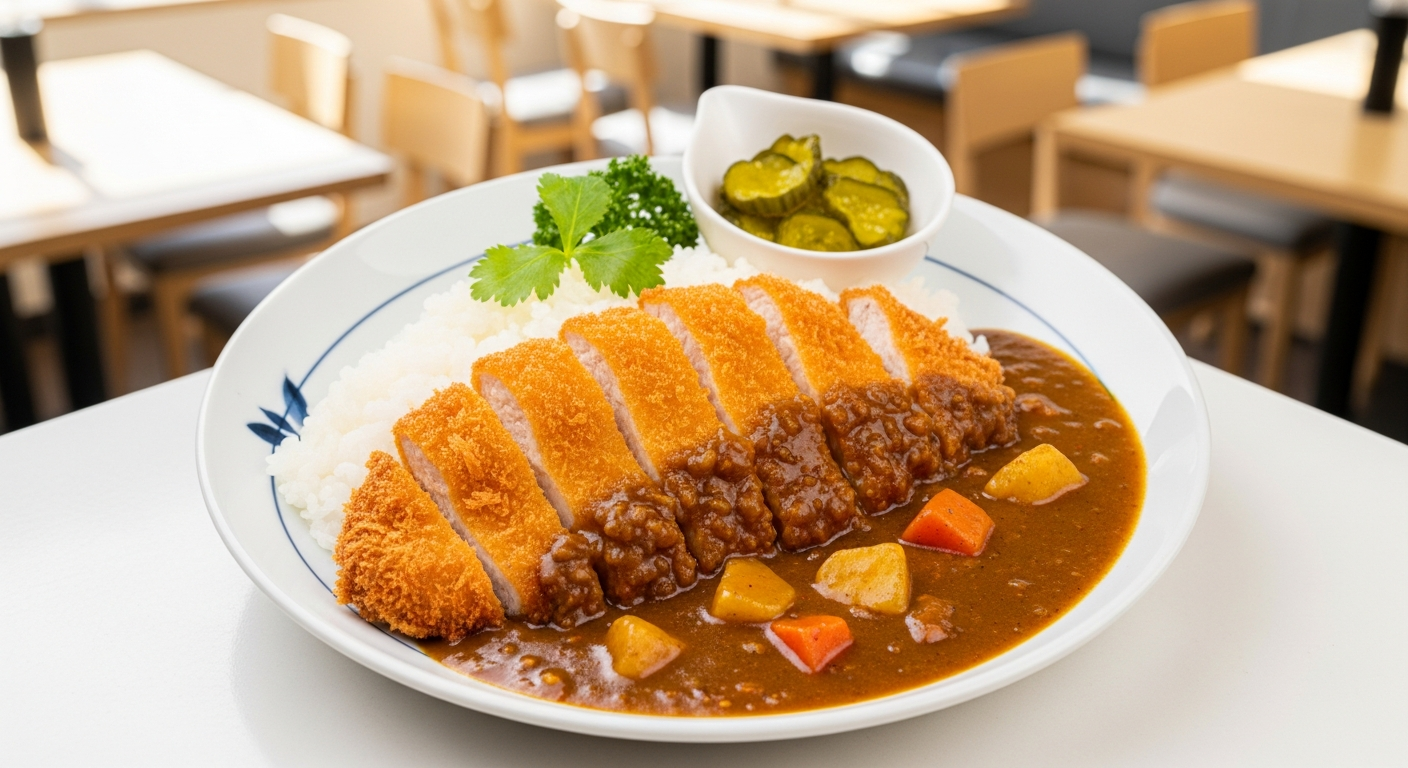
- 🍜 Must-order: Halal-friendly wagyu curry rice (¥1,000–¥1,500)
- 📍 Access: Dobutsuen-mae Station (4 min walk)
- 🕒 Hours: Approx. 11:00–21:00 (Open daily — confirm on-site)
- 📞 Reservation: Not needed
- 🧎 Prayer room: None
- 🍷 Alcohol served: Yes
- 🗣 English menu: Yes
- ⭐ Rating: Google 4.3 (402 reviews) (as of writing)
- 🗺 View on Google Maps
- 🔗 Source: havehalalwilltravel.com
What to order: The halal-friendly wagyu curry rice uses premium Japanese beef and is one of the dishes the kitchen will prepare without pork-derived ingredients on request — staff are accustomed to dietary queries from international guests. Always confirm your requirements when ordering; the QR-code menu can be translated to English at the table. For more ideas on eating well across the city, see the best food in Osaka.
Frequently Asked Questions
Q. Is it easy to find halal food in Shinsekai, Osaka?
Shinsekai has a small but growing halal-friendly dining scene — three verified options are within a 5-minute walk of Tsutenkaku Tower. The area is primarily known for kushikatsu and izakaya, so most mainstream restaurants are not suitable for Muslim diners; the shops listed above are your safest bets.
Q. What does “Muslim-friendly” mean in Japan?
In Japan, “Muslim-friendly” typically means a restaurant has removed pork and lard from specific menu items and may use halal-certified meat, but it does not necessarily hold formal halal certification from a recognised Islamic body. Always ask staff directly about ingredients, cooking oil, and shared kitchen equipment if cross-contamination is a concern for you.
Q. Are there prayer rooms near halal restaurants in Shinsekai?
None of the three restaurants listed have an on-site prayer room. The nearest publicly accessible prayer space is at Tennoji Station (approx. 10–15 min walk from Shinsekai), and some nearby hotels — including Hotel Wing International Premium Osaka Shinsekai — may offer prayer facilities; call ahead to confirm availability and qibla direction.
Q. What hidden ingredients should Muslim travelers watch out for in Japan?
Mirin (sweet rice wine) is used in many Japanese broths and sauces and is not halal. Dashi stock is frequently made from bonito (fish) flakes, which is permissible but worth confirming. Lard (pork fat) appears in some ramen broths and kushikatsu frying oil — always ask which oil is used. Soy sauce in Japan traditionally contains wheat and is generally alcohol-free, but some premium varieties may contain trace alcohol from fermentation.
Last updated: August 14, 2026 · Corrections: [email protected]