Last updated: July 3, 2026
This article reflects information available at the time of writing. Check Google Maps for the latest hours and availability.
Introduction
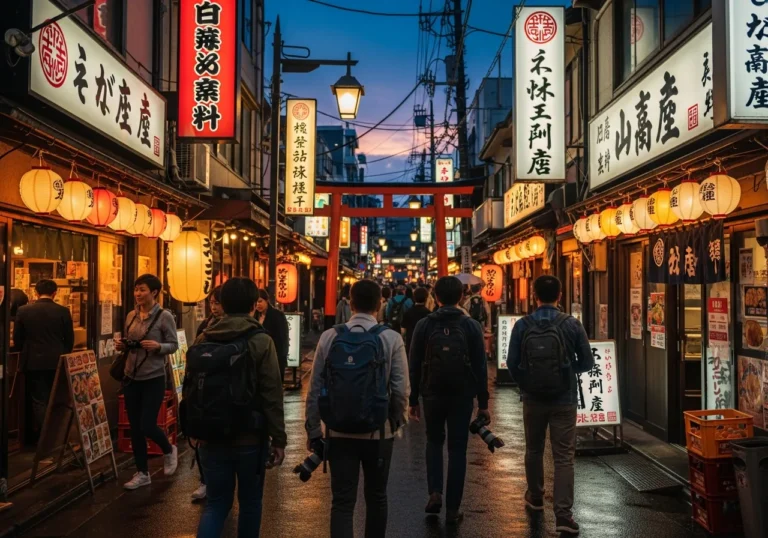
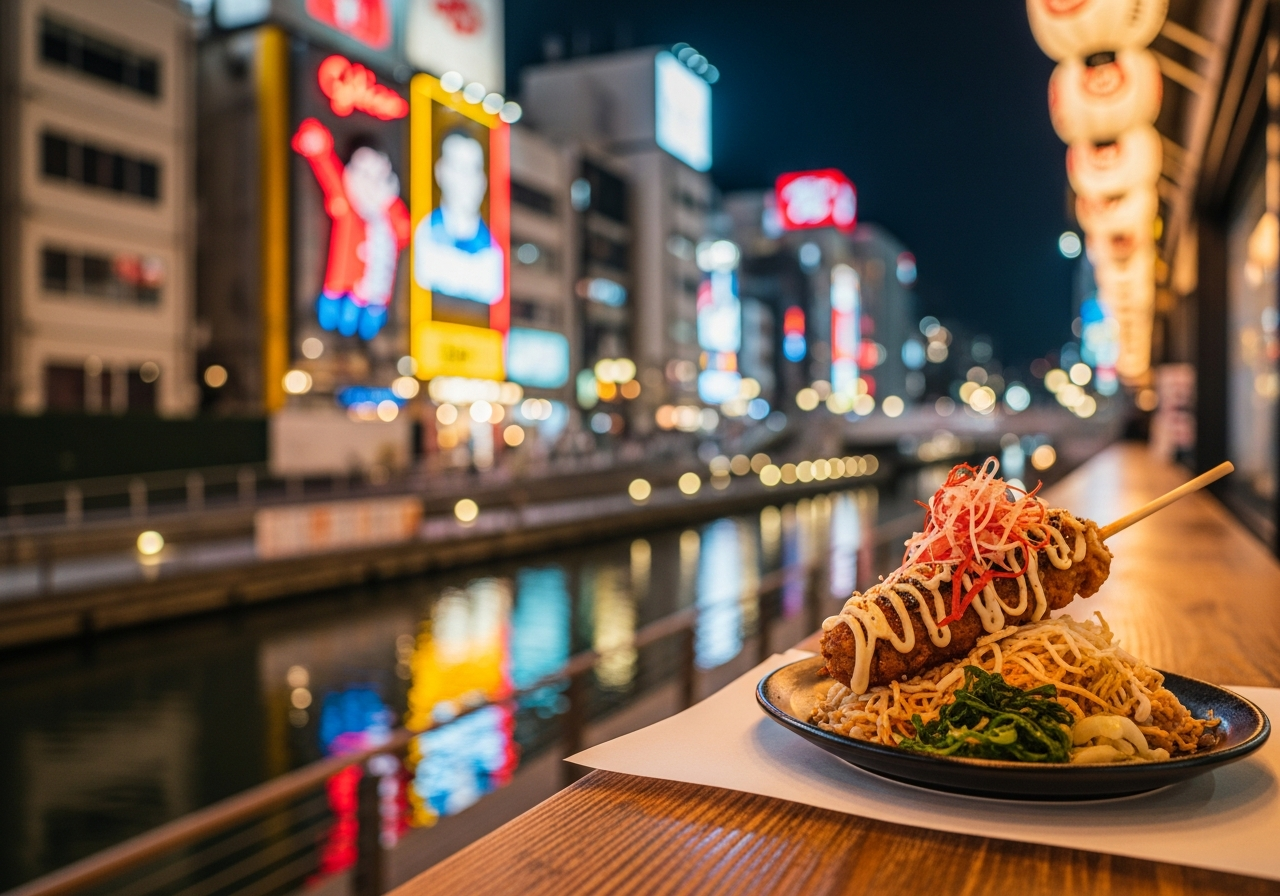
Dotonbori isn’t only about takoyaki stands and giant neon. Off the tourist track there’s a parallel food universe where locals have quietly perfected dishes you won’t find anywhere else in Japan. These hidden eats live in basement bistros, side alleys, and family-run spots that have been open for decades without English menus or photogenic facades. What they lack in visibility, they make up for in cooking, value, and atmosphere.
From the rich doteyaki — beef tendon slow-simmered in miso and mirin, the after-work beer match — to the refined udon-suki hot pot that predates Osaka’s street-food fame, these are dishes that tell a different story of Dotonbori. Plates like doteyaki or yodare dori (chicken in a spicy soy-based sauce) rarely show up at the mainstream restaurants, but they thrive in the corners below. The five picks here cover those dishes and the spots where they’re best — off the main crowd, but still inside walking distance of the Glico sign.
1. Dotonbori Mitsuru (道頓堀みつる 本店)
- 📍 1-5-8 Dotonbori, Chuo-ku, Osaka (Shibata Building 2-4F)
- 🕐 11:00–1:00 daily (as of May 2026)
- 💰 ¥2,500–3,500 per person (food only) / ¥3,000–4,000 (with drinks)
- 🚃 Hanshin Osaka-Namba Station (3 min walk)
- 🗺 Open in Google Maps
- 🌐 Official site
What to order: Negi-maki tan (¥2,689 for 6 pieces)
A three-floor yakiniku room in central Dotonbori, working with whole A5 wagyu carcasses — which is how they keep premium cuts at surprisingly reasonable prices. The signature negi-maki tan wraps paper-thin beef tongue around fresh scallions; once it hits the grill the scallions steam from inside, which makes the bite far juicier than tongue normally is.
2. Dotonbori Imai Main Store (道頓堀今井本店)
- 📍 1-7-22 Dotonbori, Chuo-ku, Osaka
- 🕐 Closed Wednesdays (as of May 2026)
- 💰 ¥1,200–1,800 per person (food only) / ¥1,800–2,500 (with drinks)
- 🚃 Namba Station (5 min walk)
- 🗺 Open in Google Maps
- 📋 Tabelog
- 🌐 Official site
What to order: Udon-suki hot pot (seasonal availability)
In the same location since 1946, this quietly elegant udon shop works with Hokkaido kombu and Kyushu katsuobushi to make dashi fresh through the day in traditional eight-sho kettles. The seasonal udon-suki turns a humble bowl into an involved hot-pot ritual with hand-picked vegetables — refined comfort food in the middle of a very tourist-heavy stretch.
3. Teppan Jinjya (鉄板神社)
- 📍 1-6-4 Dotonbori, Chuo-ku, Osaka (Erika Building B1F)
- 🕐 Hours vary (as of May 2026)
- 💰 ¥2,000–2,800 per person (food only) / ¥2,500–3,500 (with drinks)
- 🚃 Namba Station (5 min walk)
- 🗺 Open in Google Maps
What to order: Bacon-wrapped camembert cheese skewer
A basement teppanyaki room kitted out in shrine-style decor — white paper lantern, ceremonial bell — with jazz on the speakers and skewers coming off the grill. The bacon-wrapped camembert melts properly; the asparagus and the minced-meat-stuffed shiitake are where the kitchen’s technical chops come through.
4. Kaniyoshi WEST Nanba Dotonbori (蟹吉WEST なんば道頓堀)
- 📍 Various locations in Dotonbori area
- 🕐 12:00–3:00 daily (as of May 2026)
- 💰 ¥11,000–16,500 per person (course menus)
- 🚃 Namba Station (2 min walk)
- 🗺 Open in Google Maps
- 📋 Tabelog
What to order: Snow crab course (¥11,000)
Two minutes from Namba Station, this crab specialist runs until 3am and works with sashimi-grade snow crab from the Sea of Okhotsk. Private rooms on different floors look over the canal — one room per floor, so it stays genuinely private. The live-crab prep and tableside grilling lift this well past standard tourist dining.
5. Nonkiya (のん吉屋)
- 📍 Jan-Jan Yokocho, Shinsekai (15 min walk from Dotonbori)
- 🕐 Early morning to evening daily (as of May 2026)
- 💰 ¥800–1,200 per person (food only) / ¥1,200–1,800 (with drinks)
- 🚃 Dobutsuen-mae Station (3 min walk)
- 🗺 Open in Google Maps
What to order: Doteyaki skewers (¥100 per piece)
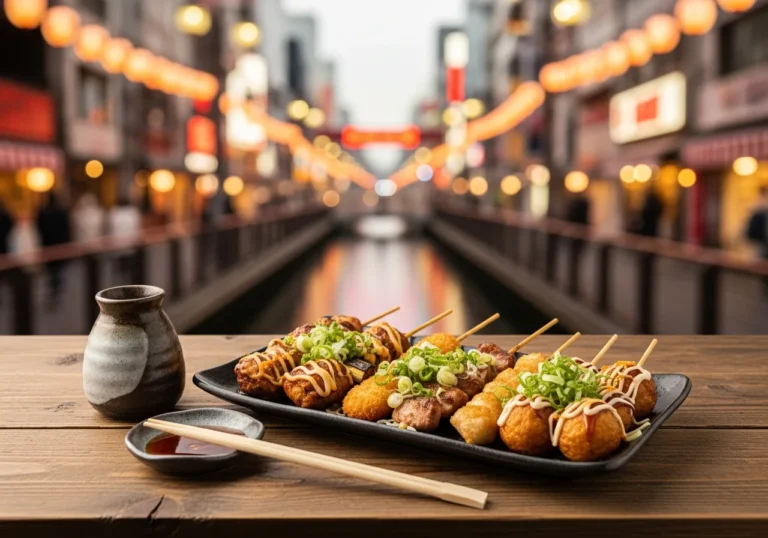
One of the oldest places on Jan-Jan Yokocho — a standing bar built around doteyaki and oden that’s held onto its neighbourhood feel despite the afternoon tourist crowd. The doteyaki is beef Achilles tendon simmered in miso, ¥100 a skewer, melt-in-the-mouth and the obvious beer match. Their famous whole-onion oden, tender from sitting in the broth, is the kind of dish that makes the trip from Dotonbori worth it.
How to Order
These spots work differently from the tourist restaurants. At standing bars like Nonkiya, point at what you want in the pot and hold up fingers for quantities. At upscale places like Kaniyoshi, the course menu does the work — just flag any dietary restrictions. Teppan Jinjya runs like an izakaya: order drinks first, add skewers as you go. At Mitsuru, the picture menu is easy to navigate, though asking for “osusume” (recommendations) usually beats random pointing. Cash is still king at most of these places, and English is thin — but pointing and nodding gets you a long way.
FAQ
Q: Are hidden eats in Dotonbori expensive?
A: The range is wide. Nonkiya’s doteyaki is ¥100 a skewer; Kaniyoshi’s crab courses run ¥11,000–16,500. Most teppanyaki and yakiniku spots sit at ¥2,000–4,000 per person.
Q: Do hidden shops in Dotonbori have English menus?
A: Rarely. The upscale places like Kaniyoshi may carry some English, but most run on pointing, pictures, or basic Japanese phrases. That’s part of why locals like them.
Q: When is the best time to visit these spots?
A: Early evening (5–7pm) is the best balance of availability and atmosphere. Late night is when the local scene fully shows up. Afternoons are quieter but the menu can be limited.
Information is accurate as of May 2026. We recommend checking Google Maps for the latest hours and prices before visiting.